
 Deutschland
 France
 Nederland
 Great Britain
 Sverige
 Danmark
 Suomi
Suomi Italia
 Polska
 España
VS
BYD Sealion 7 vs Kia PV5 - Differences and prices compared
Compare performance (530 HP vs 163 HP), boot space and price (42800 £ vs 32800 £ ) at a glance. Find out which car is the better choice for you – BYD Sealion 7 or Kia PV5?
Sealion 7
Costs and Efficiency:
Price and efficiency are often the first things buyers look at. Here it becomes clear which model has the long-term edge – whether at the pump, the plug, or in purchase price.
Kia PV5 has a distinct advantage in terms of price – it starts at 32800 £ , while the BYD Sealion 7 costs 42800 £ . That’s a price difference of around 10028 £.
In terms of energy consumption, the advantage goes to the Kia PV5: with 19 kWh per 100 km, it’s hardly perceptible more efficient than the BYD Sealion 7 with 19.90 kWh. That’s a difference of about 0.90 kWh.
As for electric range, the BYD Sealion 7 performs somewhat better – achieving up to 502 km, about 86 km more than the Kia PV5.
PV5
Engine and Performance:
Power, torque and acceleration say a lot about how a car feels on the road. This is where you see which model delivers more driving dynamics.
When it comes to engine power, the BYD Sealion 7 has a significantly edge – offering 530 HP compared to 163 HP. That’s roughly 367 HP more horsepower.
In acceleration from 0 to 100 km/h, the BYD Sealion 7 is clearly quicker – completing the sprint in 4.50 s, while the Kia PV5 takes 10.60 s. That’s about 6.10 s faster.
There’s also a difference in torque: BYD Sealion 7 pulls clearly stronger with 690 Nm compared to 250 Nm. That’s about 440 Nm difference.
Sealion 7
Space and Everyday Use:
Beyond pure performance, interior space and usability matter most in daily life. This is where you see which car is more practical and versatile.
Both vehicles offer seating for 5 people.
In curb weight, Kia PV5 is a bit lighter – 1860 kg compared to 2225 kg. The difference is around 365 kg.
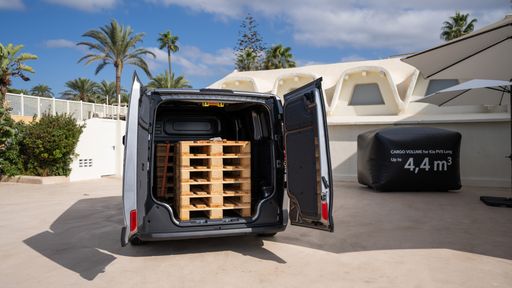
In terms of boot space, the Kia PV5 offers significantly more room – 1330 L compared to 520 L. That’s a difference of about 810 L.
When it comes to payload, Kia PV5 decisively takes the win – 790 kg compared to 410 kg. That’s a difference of about 380 kg.
Who wins the race in the data check?
The BYD Sealion 7 holds a decisive overall lead in the objective data comparison.
This result only shows which model scores more points on paper – not which of the two cars feels right for you.
BYD Sealion 7
Kia PV5
Costs and Consumption
View detailed analysis
View detailed analysis
Engine and Performance
View detailed analysis
View detailed analysis
Dimensions and Body
View detailed analysis
View detailed analysis
from about £42,800
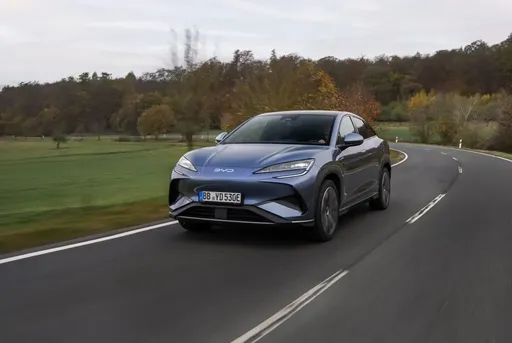
BYD Sealion 7
BYD Sealion 7
5 (1 Reviews)
The Sealion 7 captivates with its striking design and impressive performance that appeals to both enthusiasts and casual drivers alike. With a focus on comfort and advanced technology, this model redefines the driving experience, making every journey enjoyable. Its sleek silhouette coupled with an innovative interior showcases the perfect blend of style and functionality.
details
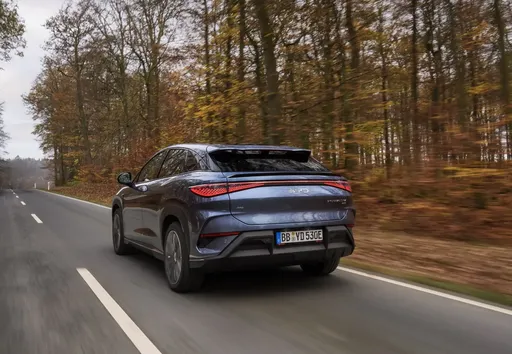
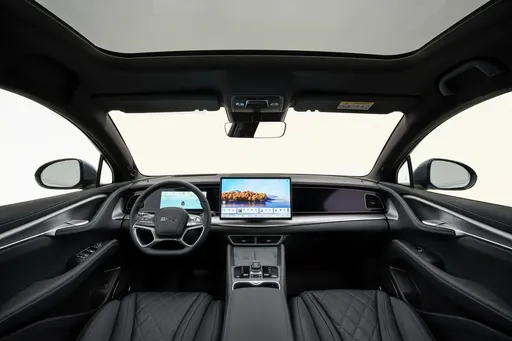
Kia PV5
The Kia EV5 is an exciting new entrant in the landscape of electric SUVs, promising a blend of style and innovation that captures attention. It boasts a sleek and modern design that aligns with Kia's evolving aesthetic identity, blending practicality with eye-catching details. With its foray into the electric vehicle segment, the EV5 is set to offer a highly competitive option for those looking to embrace sustainable mobility without compromising on comfort or tech features.
details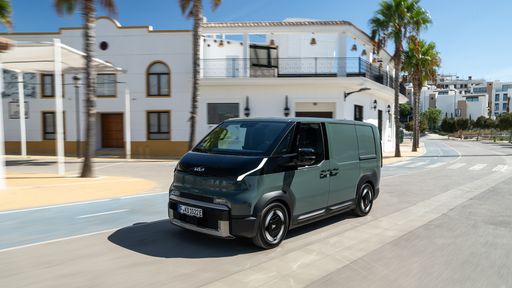


BYD Sealion 7
Kia PV5
Costs and Consumption |
|
|---|---|
|
Price
42800 - 52300 £
|
Price
32800 - 38900 £
|
|
Consumption L/100km
-
|
Consumption L/100km
-
|
|
Consumption kWh/100km
19.9 - 21.9 kWh
|
Consumption kWh/100km
19 - 19.3 kWh
|
|
Electric Range
456 - 502 km
|
Electric Range
295 - 416 km
|
|
Battery Capacity
-
|
Battery Capacity
-
|
|
co2
0 g/km
|
co2
0 g/km
|
|
Fuel tank capacity
-
|
Fuel tank capacity
-
|
Dimensions and Body |
|
|---|---|
|
Body Type
SUV
|
Body Type
Cargo Van, Bus
|
|
Seats
5
|
Seats
2 - 5
|
|
Doors
-
|
Doors
-
|
|
Curb weight
2225 - 2435 kg
|
Curb weight
1860 - 2145 kg
|
|
Trunk capacity
520 L
|
Trunk capacity
1330 L
|
|
Length
-
|
Length
-
|
|
Width
1925 mm
|
Width
1895 mm
|
|
Height
-
|
Height
-
|
|
Max trunk capacity
-
|
Max trunk capacity
-
|
|
Payload
410 kg
|
Payload
455 - 790 kg
|
Engine and Performance |
|
|---|---|
|
Engine Type
Electric
|
Engine Type
Electric
|
|
Transmission
Automatic
|
Transmission
Automatic
|
|
Transmission Detail
Reduction Gearbox
|
Transmission Detail
Reduction Gearbox
|
|
Drive Type
Rear-Wheel Drive, All-Wheel Drive
|
Drive Type
Front-Wheel Drive
|
|
Power HP
313 - 530 HP
|
Power HP
121 - 163 HP
|
|
Acceleration 0-100km/h
4.5 - 6.7 s
|
Acceleration 0-100km/h
10.6 - 16.2 s
|
|
Max Speed
-
|
Max Speed
-
|
|
Torque
380 - 690 Nm
|
Torque
250 Nm
|
|
Number of Cylinders
-
|
Number of Cylinders
-
|
|
Power kW
230 - 390 kW
|
Power kW
89 - 120 kW
|
|
Engine capacity
-
|
Engine capacity
-
|
General |
|
|---|---|
|
Model Year
2024
|
Model Year
2025
|
|
CO2 Efficiency Class
A
|
CO2 Efficiency Class
A
|
|
Brand
BYD
|
Brand
Kia
|
Is the BYD Sealion 7 offered with different drivetrains?
The BYD Sealion 7 is available as Rear-Wheel Drive or All-Wheel Drive.
The prices shown are estimates based on German list prices, adjusted for local VAT. Local registration taxes (e.g. NoVA, BPM or CO2 malus) are not included. This information is not legally binding.