VS

BYD Sealion 7 vs Polestar 4 comparison

Compare performance (530 HP vs 544 HP), boot space and price (42,800 £ vs 53,100 £ ) at a glance. Find out which car is the better choice for you – BYD Sealion 7 or Polestar 4?

BYD Sealion 7 vs Polestar 4: Key differences

BYD Sealion 7

5 (2 Reviews)
rate
  • visibly cheaper
  • very slightly lighter
details

Polestar 4

4.8 (9 Reviews)
rate
  • marginally more power
  • slightly more efficient
  • a bit more electric range
  • somewhat quicker 0–100 km/h
  • barely more trunk space
details

All details on performance, efficiency, range and trunk space can be found in the technical comparison below – including user reviews for both models.

By Achim Sedelmaier

Sealion 7

The automotive landscape is rapidly evolving, with electric vehicles leading the charge towards a cleaner, more sustainable future. Among the emerging contenders in the electric SUV segment, the Polestar 4 and the BYD Sealion 7 stand out. Both vehicles promise impressive performance and innovative technologies. However, which one deserves your attention? Here’s a comprehensive comparison of these two rivals.
4

Design and Dimensions

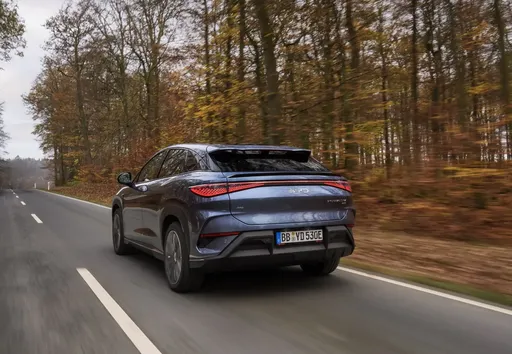
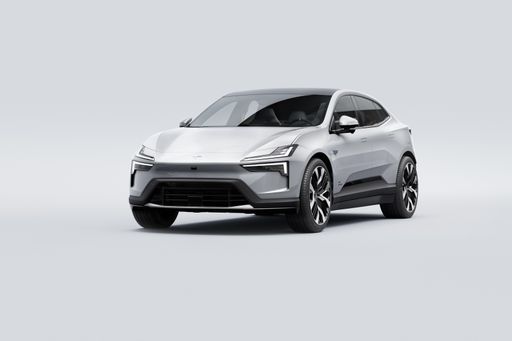
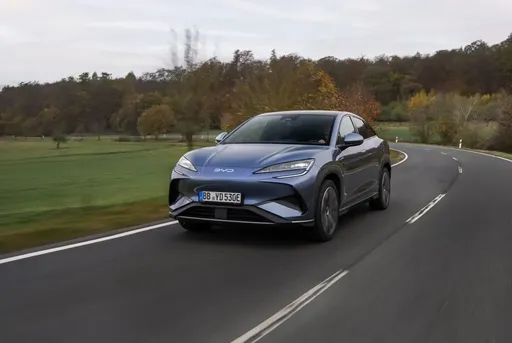
The Polestar 4 exudes a sleek and modern aesthetic, characteristic of the Swedish brand's design philosophy. With a length of 4840 mm, a width of 2008 mm, and a height of 1534 mm, it projects a sporty presence. In contrast, the BYD Sealion 7 has dimensions of 4830 mm in length, 1925 mm in width, and stands taller at 1620 mm. The Sealion 7's design leans towards a more rugged SUV silhouette, appealing to those looking for a versatile family vehicle.

Sealion 7

Power and Performance

When it comes to power, the Polestar 4 offers two variants, topping out at a remarkable 544 HP with a torque of 686 Nm. Its acceleration from 0-100 km/h is achieved in just 3.8 seconds, indicating a robust performance suite that caters to driving enthusiasts. On the other hand, the BYD Sealion 7 has a powerful top variant that reaches 530 HP and a torque of 690 Nm, allowing for a competitive 0-100 km/h acceleration time of 4.5 seconds. Although the Sealion has slightly greater maximum speed at 215 km/h compared to the Polestar’s 200 km/h, the latter’s all-wheel drive system provides enhanced stability and control.

4

Electric Range and Efficiency

On the efficiency front, the Polestar 4 leads with an electric range of 590 km, closely shadowed by the BYD Sealion 7 that offers a commendable maximum of 502 km. The energy consumption figures also highlight Polestar's edge; it consumes approximately 18.7 kWh/100 km compared to the Sealion 7's highest consumption figure of 21.9 kWh/100 km. This makes the Polestar 4 not just a more efficient option but also a solid choice for longer journeys.

Sealion 7

Battery and Charging

The Polestar 4 is equipped with a 94 kWh battery, providing ample range for daily use and long trips alike. It’s designed for quick charging capabilities, enhancing its usability. Meanwhile, BYD's Sealion 7, with its various configurations, includes options for a robust battery setup capable of lasting journeys, although specific capacity details vary depending on the model variant chosen.

4

Interior and Technology

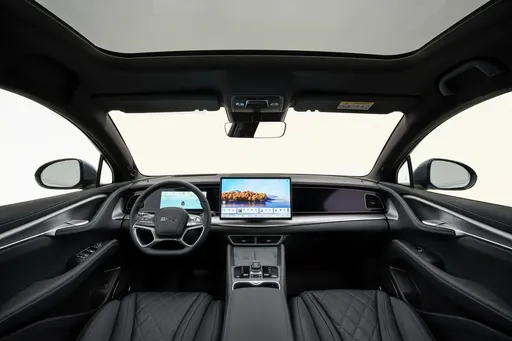
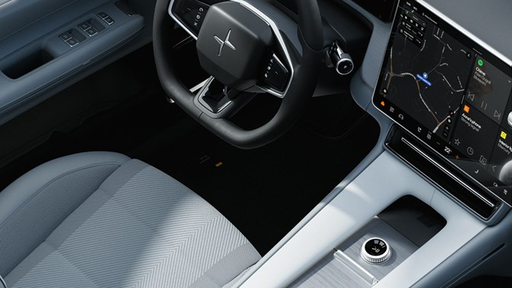
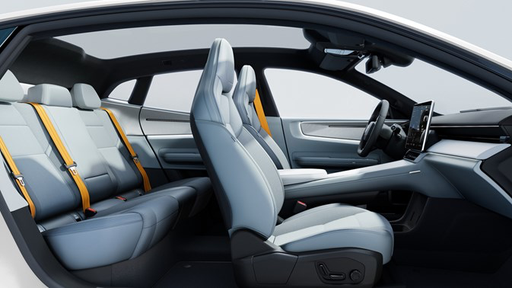
Inside, the Polestar 4 hosts a luxurious cabin that accommodates up to five passengers. It features high-quality materials, a modern infotainment system, and advanced driver-assistance technologies. The BYD Sealion 7, also seating five, boasts ample space and a feature-rich interior designed to provide comfort alongside practicality, with various tech options tailored to different consumer needs.

Practicality and Cargo Space

In terms of practicality, the Polestar 4 offers a trunk capacity of 526 liters, making it a great option for those who frequently haul gear or luggage. The BYD Sealion 7 is slightly ahead, featuring a cargo capacity of 520 liters, which is beneficial for families or those who need extra space for travel and leisure activities.

Conclusion: Which One Should You Choose?

The Polestar 4 excels with its superior efficiency, stunning performance, and minimalist design. It is an ideal choice for those looking for a sporty electric SUV that performs well in both urban and highway driving. Conversely, the BYD Sealion 7 is strategically positioned for buyers seeking a robust electric family SUV with a spacious interior and rugged appeal.

Ultimately, the right choice will depend on your specific needs, preferences, and lifestyle. Whether you lean toward Polestar's electric dynamism or BYD's family-friendly approach, both SUVs represent significant advancements in electric vehicle technology and design.

Here’s where it gets real: The technical differences in detail

Sealion 7

Costs and Efficiency:

Price and efficiency are key factors when choosing a car – and this is often where the real differences emerge.

BYD Sealion 7 is visibly cheaper – starting at 42,800 £ , while the Polestar 4 costs 53,100 £ . That’s a price difference of around 10,209 £.

In terms of energy consumption, the Polestar 4 is slightly more efficient: consuming 17.8 kWh/100km compared to 19.9 kWh/100km for the BYD Sealion 7. That’s a difference of about 2.1 kWh/100km.

As for electric range, the Polestar 4 offers a bit more range – reaching up to 620 km, about 118 km more than the BYD Sealion 7.

4

Engine and Performance:

Power, torque and acceleration are the classic benchmarks for car enthusiasts – and here, some clear differences start to show.

When it comes to engine power, the Polestar 4 offers marginally more power – delivering 544 HP compared to 530 HP. That’s roughly 14 HP more horsepower.

When accelerating from 0 to 100 km/h, the Polestar 4 is somewhat quicker – completing the sprint in 3.8 s, while the BYD Sealion 7 takes 4.5 s. That’s about 0.7 s quicker.

There’s also a difference in torque: the BYD Sealion 7 delivers barely more torque with 690 Nm compared to 686 Nm. That’s about 4 Nm more.

Sealion 7

Space and Everyday Use:

Beyond pure performance, interior space and usability matter most in daily life. This is where you see which car is more practical and versatile.

Both vehicles offer seating for 5 people.

In terms of curb weight, BYD Sealion 7 is very slightly lighter – 2,225 kg compared to 2,230 kg. The difference is around 5 kg.

Looking at boot space, the Polestar 4 offers barely more boot space – 526 L compared to 520 L. That’s a difference of about 6 L.

When it comes to payload, the Polestar 4 carries only slightly more – 455 kg compared to 410 kg. That’s a difference of about 45 kg.

Who wins the race in the data check?

The Polestar 4 holds a solid overall lead in the objective data comparison.
This result only shows which model scores more points on paper – not which of the two cars feels right for you.

from £53,100
4

Polestar 4

  • Engine Type : Electric
  • Transmission : Automatic
  • Drive Type : All-Wheel Drive, Rear-Wheel Drive
  • Power HP : 272 - 544 HP
  • Consumption kWh/100km : 17.8 - 18.7 kWh/100km
  • Electric Range : 590 - 620 km
BYD Sealion 7
Polestar 4

Costs and Consumption

View detailed analysis

Engine and Performance

View detailed analysis

Dimensions and Body

View detailed analysis

BYD Sealion 7

The Sealion 7 captivates with its striking design and impressive performance that appeals to both enthusiasts and casual drivers alike. With a focus on comfort and advanced technology, this model redefines the driving experience, making every journey enjoyable. Its sleek silhouette coupled with an innovative interior showcases the perfect blend of style and functionality.

details

Polestar 4

The Polestar 4 wears a coupe-like profile and a Scandinavian-minimal interior that feels premium and unexpectedly roomy, with composed handling that makes urban driving and country roads a pleasure. For buyers who want an electric car that turns heads without shouting, the Polestar 4 is a stylish, clever choice that balances practicality with personality.

details
BYD Sealion 7
Polestar 4

Costs and Consumption

Price
42,800 - 52,300 £
Price
53,100 - 59,900 £
Consumption L/100km
-
Consumption L/100km
-
Consumption kWh/100km
19.9 - 21.9 kWh/100km
Consumption kWh/100km
17.8 - 18.7 kWh/100km
Electric Range
456 - 502 km
Electric Range
590 - 620 km
Battery Capacity
-
Battery Capacity
94 kWh
co2
0 g/km
co2
0 g/km
Fuel tank capacity
-
Fuel tank capacity
-

Dimensions and Body

Body Type
SUV
Body Type
SUV
Seats
5
Seats
5
Doors
-
Doors
5
Curb weight
2,225 - 2,435 kg
Curb weight
2,230 - 2,355 kg
Trunk capacity
520 L
Trunk capacity
526 L
Length
-
Length
4,840 mm
Width
1,925 mm
Width
2,008 mm
Height
-
Height
1,534 mm
Max trunk capacity
-
Max trunk capacity
1,536 L
Payload
410 kg
Payload
455 kg

Engine and Performance

Engine Type
Electric
Engine Type
Electric
Transmission
Automatic
Transmission
Automatic
Transmission Detail
Reduction Gearbox
Transmission Detail
Reduction Gearbox
Drive Type
Rear-Wheel Drive, All-Wheel Drive
Drive Type
All-Wheel Drive, Rear-Wheel Drive
Power HP
313 - 530 HP
Power HP
272 - 544 HP
Acceleration 0-100km/h
4.5 - 6.7 s
Acceleration 0-100km/h
3.8 - 7.1 s
Max Speed
-
Max Speed
200 km/h
Torque
380 - 690 Nm
Torque
343 - 686 Nm
Number of Cylinders
-
Number of Cylinders
-
Power kW
230 - 390 kW
Power kW
200 - 400 kW
Engine capacity
-
Engine capacity
-

General

Model Year
2024
Model Year
2024
CO2 Efficiency Class
A
CO2 Efficiency Class
A
Brand
BYD
Brand
Polestar
DriveDuel uses data analysis and artificial intelligence to evaluate vehicle data and create content. Content is regularly reviewed and improved. The displayed prices are estimates based on German list prices, adjusted to the respective country’s VAT. Country-specific registration taxes are not included. This information is not legally binding.