VS

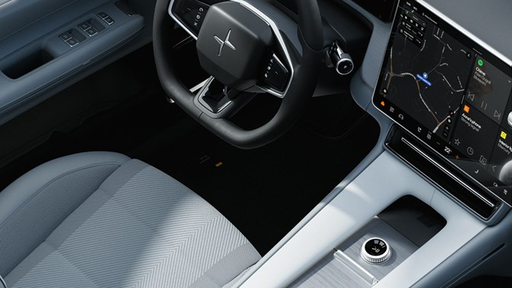
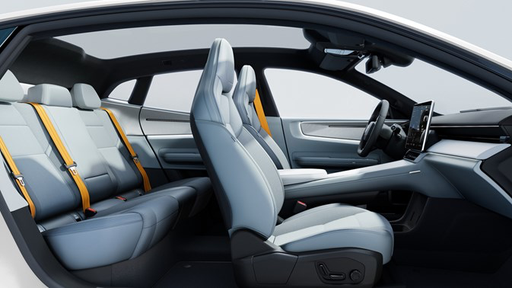
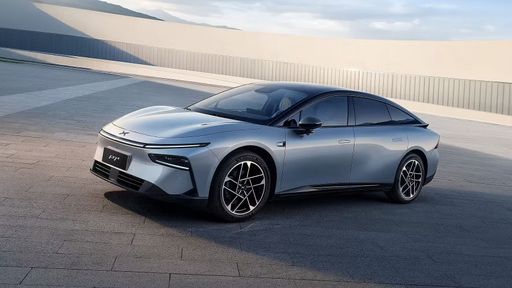
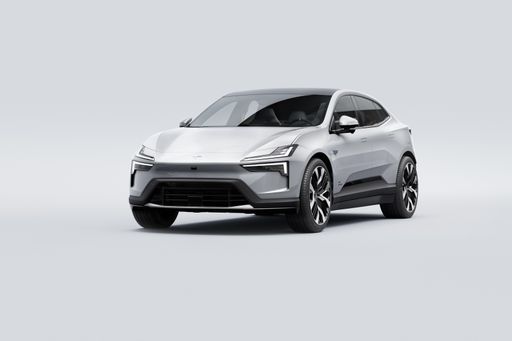
Polestar 4 vs XPeng P7+ comparison

Compare performance (544 HP vs 503 HP), boot space and price (53,100 £ vs 39,900 £ ) at a glance. Find out which car is the better choice for you – Polestar 4 or XPeng P7+?

Polestar 4 vs XPeng P7+: Key differences

Polestar 4

4.8 (13 Reviews)
rate
  • marginally more power
  • slightly more electric range
  • somewhat quicker 0–100 km/h
details

XPeng P7+

4.6 (1 Reviews)
rate
  • markedly cheaper
  • a bit more efficient
  • a bit lighter
  • only slightly more trunk space
details

All details on performance, efficiency, range and trunk space can be found in the technical comparison below – including user reviews for both models.

By Achim Sedelmaier

4

Polestar 4 VS XPeng P7+: quick take

Polestar 4 VS XPeng P7+ sets up a clash between a design‑led electric coupé‑SUV and a long‑distance‑focused electric fast‑charging limousine. The Polestar 4 leans into Scandinavian styling, calm highway manners and rear‑seat comfort, while the XPeng P7+ trades a bit of flair for huge practicality, aggressive value and very short DC charging stops. Both feel quiet and mature at speed, but they reach that serenity with different priorities: Polestar through chassis tuning and cabin insulation, XPeng by packing features and charging technology into a less expensive package. If you search for presence and a hushed cruiser, Polestar 4 telegraphs that; if you want the most convenient real‑world touring routine and space per pound of poundage, XPeng P7+ makes a persuasive case.
P7+

Character and driving feel

The Polestar 4 behaves like a composed grand tourer — weighty, secure and designed to erase irritation on long straights rather than provoke grin‑inducing flicks through corners. The XPeng P7+ is also tuned for calmness, but its sedan proportions and supple setup make it feel more like a comfortable highway boat: composed but less communicative through the steering. Polestar 4's steering and chassis prioritise reassurance over engagement, so drivers who want tactile feedback will feel the restraint; XPeng P7+ rewards steady inputs and relaxed driving but similarly isn't a precision tool for enthusiast handling. In short, Polestar 4 feels like a premium cruiser with architectural intent, while XPeng P7+ feels like a roomy, effortless mile‑eater that keeps the journey simple.

4

Comfort, cabin feel and long‑distance behavior

Both cabins aim for serenity at speed, yet they achieve it differently: Polestar 4 creates a cocooned, premium ambiance with excellent supportive seats and an emphasis on rear passenger comfort, whereas the XPeng P7+ layers in features—massage, ventilation and broad insulation—that make long days behind the wheel less fatiguing. On long trips the Polestar 4 tends to go farther between stops thanks to its range focus, while the XPeng P7+ shortens the pain of stopping with very rapid DC charging that turns breaks into brief interruptions. The Polestar 4's quieter, more tactile interior materials feel deliberately premium; the XPeng P7+ surprises for its kit level and comfort for the money but can feel more gadget‑heavy. Choose Polestar 4 if seamless cruising and a refined rear seat are priorities, and XPeng P7+ if you prize low downtime and feature‑packed comfort on long runs.

Usability and family practicality

If daily family duties and loading versatility matter, the differences are practical and visible: XPeng P7+ is the easier car to pack and manipulate thanks to a large, accessible boot and conventional rear parcel space, while Polestar 4's sloping coupé rear and narrower aperture make stuffing bulky or tall items more fiddly. The Polestar 4 excels at giving rear passengers space, with electrically adjustable backrests that feel more business‑class; the XPeng P7+ matches the space but adds more pragmatic touches in higher trims, though some details like a missing luggage cover feel unfinished. For parents, both offer exterior sensors and cameras that help in town, but Polestar 4's wider body and camera mirror can complicate tight parking unless you’re happy with its electronic aids. In short, XPeng P7+ is the more straightforward family hauler, Polestar 4 is the more refined rear‑seat experience with trade‑offs in load practicality.

Technology, perceived quality and everyday usability

Polestar 4 sells a modern, premium tech package centred on Android Automotive and a clean, minimalist interface, but some functions sit deep in menus and the digital rear‑view camera can be fatiguing for longer stints. XPeng P7+ answers with an impressive hardware list for the money and an interior that punches above its price class, though its touch‑centric controls and slightly eager driver aids can feel intrusive until tuned. Perceived quality splits along different lines: Polestar 4 projects a crafted, Scandinavian premiumation, while XPeng P7+ impresses by overdelivering specs and solid finish relative to its cost. Both cars will receive over‑the‑air updates and will improve in use, yet the Polestar 4 will appeal to buyers seeking a refined, understated tech environment, and the XPeng P7+ to those who prioritise feature density and charging convenience.

Who each car suits and next steps

Put simply: choose the Polestar 4 if you want a stylish, quiet, safety‑focused cruiser with exceptional rear‑seat comfort and a premium cabin feel; it suits design‑minded families and motorway miles with fewer stops. Opt for the XPeng P7+ if you prioritise straightforward practicality, the shortest possible DC‑charging interruptions, and the most kit for your money—ideal for frequent travellers who value time saved over maximal single‑stint range. Both have compromises in tight cities — Polestar 4 for width and camera‑mirror adjustment, XPeng P7+ for sheer length — so test urban parking and visibility before deciding. The technical comparison that follows will flesh out how those real‑world differences come from batteries, charging, weight and packaging so you can match the numbers to the driving trade‑offs you just read about.

Here’s where it gets real: The technical differences in detail

4

Costs and Efficiency:

Price and efficiency are key factors when choosing a car – and this is often where the real differences emerge.

XPeng P7+ is markedly cheaper – starting at 39,900 £ , while the Polestar 4 costs 53,100 £ . That’s a price difference of around 13,115 £.

In terms of energy consumption, the XPeng P7+ is a bit more efficient: consuming 15.2 kWh/100km compared to 17.8 kWh/100km for the Polestar 4. That’s a difference of about 2.6 kWh/100km.

As for electric range, the Polestar 4 offers slightly more range – reaching up to 620 km, about 90 km more than the XPeng P7+.

P7+

Engine and Performance:

Power, torque and acceleration say a lot about how a car feels on the road. This is where you see which model delivers more driving dynamics.

When it comes to engine power, the Polestar 4 offers marginally more power – delivering 544 HP compared to 503 HP. That’s roughly 41 HP more horsepower.

When accelerating from 0 to 100 km/h, the Polestar 4 is somewhat quicker – completing the sprint in 3.8 s, while the XPeng P7+ takes 4.3 s. That’s about 0.5 s quicker.

There’s also a difference in torque: the Polestar 4 delivers barely more torque with 686 Nm compared to 670 Nm. That’s about 16 Nm more.

4

Space and Everyday Use:

Cabin size, boot volume and payload all play a role in everyday practicality. Here, comfort and flexibility make the difference.

Both vehicles offer seating for 5 people.

In terms of curb weight, XPeng P7+ is a bit lighter – 1,999 kg compared to 2,230 kg. The difference is around 231 kg.

Looking at boot space, the XPeng P7+ offers only slightly more boot space – 573 L compared to 526 L. That’s a difference of about 47 L.

When it comes to payload, the XPeng P7+ carries only slightly more – 486 kg compared to 455 kg. That’s a difference of about 31 kg.

Who wins the race in the data check?

The XPeng P7+ has the upper hand in the objective data comparison.
This result only shows which model scores more points on paper – not which of the two cars feels right for you.

from £39,900
P7+

XPeng P7+

  • Engine Type Electric
  • Transmission Automatic
  • Drive Type Rear-Wheel Drive, All-Wheel Drive
  • Power HP 245 - 503 HP
  • Consumption kWh/100km 15.2 - 17.4 kWh/100km
  • Electric Range 455 - 530 km
Polestar 4
XPeng P7+

Costs and Consumption

View detailed analysis

Engine and Performance

View detailed analysis

Dimensions and Body

View detailed analysis

Polestar 4

The Polestar 4 wears a coupe-like profile and a Scandinavian-minimal interior that feels premium and unexpectedly roomy, with composed handling that makes urban driving and country roads a pleasure. For buyers who want an electric car that turns heads without shouting, the Polestar 4 is a stylish, clever choice that balances practicality with personality.

details

XPeng P7+

The XPeng P7+ is a sleek, coupe-like electric sedan that pairs a spacious, tech-forward cabin with an easygoing yet poised driving character — think premium feel without premium smugness. Packed with clever driver aids and a refined ride that earns the odd grin on twisty roads, it’s a compelling, modern alternative to the usual premium suspects.

details
Polestar 4
XPeng P7+

Costs and Consumption

Price
53,100 - 59,900 £
Price
39,900 - 45,900 £
Consumption L/100km
-
Consumption L/100km
-
Consumption kWh/100km
17.8 - 19 kWh/100km
Consumption kWh/100km
15.2 - 17.4 kWh/100km
Electric Range
590 - 620 km
Electric Range
455 - 530 km
Battery Capacity
-
Battery Capacity
-
co2
0 g/km
co2
0 g/km
Fuel tank capacity
-
Fuel tank capacity
-

Dimensions and Body

Body Type
SUV
Body Type
Hatchback
Seats
5
Seats
5
Doors
-
Doors
-
Curb weight
2,230 - 2,355 kg
Curb weight
1,999 - 2,200 kg
Trunk capacity
526 L
Trunk capacity
573 L
Length
-
Length
-
Width
2,008 mm
Width
1,937 mm
Height
-
Height
-
Max trunk capacity
-
Max trunk capacity
-
Payload
455 kg
Payload
485 - 486 kg

Engine and Performance

Engine Type
Electric
Engine Type
Electric
Transmission
Automatic
Transmission
Automatic
Transmission Detail
Reduction Gearbox
Transmission Detail
Reduction Gearbox
Drive Type
Rear-Wheel Drive, All-Wheel Drive
Drive Type
Rear-Wheel Drive, All-Wheel Drive
Power HP
272 - 544 HP
Power HP
245 - 503 HP
Acceleration 0-100km/h
3.8 - 7.1 s
Acceleration 0-100km/h
4.3 - 6.9 s
Max Speed
-
Max Speed
-
Torque
343 - 686 Nm
Torque
450 - 670 Nm
Number of Cylinders
-
Number of Cylinders
-
Power kW
200 - 400 kW
Power kW
180 - 370 kW
Engine capacity
-
Engine capacity
-

General

Model Year
2026
Model Year
2026
CO2 Efficiency Class
A
CO2 Efficiency Class
A
Brand
Polestar
Brand
XPeng
DriveDuel uses data analysis and artificial intelligence to evaluate vehicle data and create content. Content is regularly reviewed and improved. The displayed prices are estimates based on German list prices, adjusted to the respective country’s VAT. Country-specific registration taxes are not included. This information is not legally binding.