VS

Citroen C3 vs Peugeot 2008 comparison

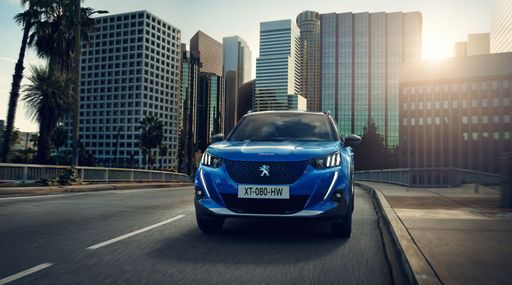
Compare performance (113 HP vs 156 HP), boot space and price (13,700 £ vs 24,800 £ ) at a glance. Find out which car is the better choice for you – Citroen C3 or Peugeot 2008?

Citroen C3 vs Peugeot 2008: Key differences

Citroen C3

4.9 (2 Reviews)
rate
  • clearly cheaper
  • marginally lighter
details

Peugeot 2008

5 (1 Reviews)
rate
  • noticeably more power
  • very slightly more efficient
  • very slightly more efficient
  • a bit more electric range
  • a bit quicker 0–100 km/h
  • clearly more trunk space
details

By Achim Sedelmaier

C3

Introduction

The automotive market is teeming with exciting new models vying for attention, and two of the most compelling options in the compact SUV segment are the Citroën C3 and the Peugeot 2008. Both vehicles are designed to attract modern drivers with a blend of style, efficiency, and cutting-edge technology. In this article, we'll dive into the technical aspects of each model as well as their unique innovations to help you make an informed decision.
2008

Design and Dimensions

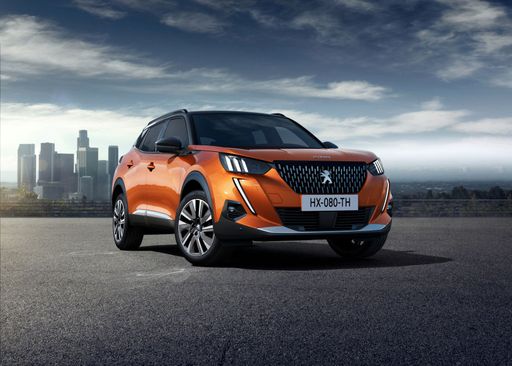
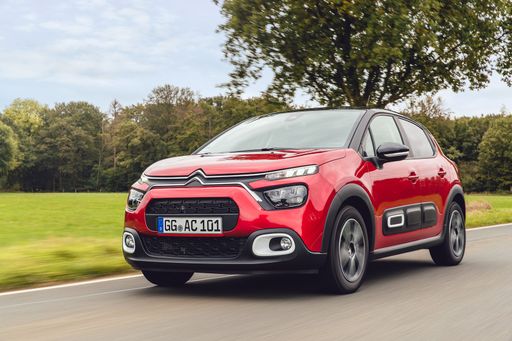
The Citroën C3 measures 4015 mm in length, 1755 mm in width, and 1567 mm in height. In comparison, the Peugeot 2008 is slightly larger with dimensions of 4304 mm in length, 1770 mm in width, and 1523 mm in height. This additional size translates to more cargo space in the 2008, boasting a trunk capacity of 434 liters compared to the C3’s 310 liters.

C3

Engine Options and Performance

Under the hood, both models offer a range of engine options. The Citroën C3 showcases a selection of petrol, electric, and petrol MHEV (mild hybrid) engines, producing a power output between 101 and 113 HP. Power variants are paired with different transmission options including manual and dual-clutch automatic systems.

On the other hand, the Peugeot 2008 takes a more robust approach with engine outputs spanning from 101 HP to a fully-fledged 156 HP for the petrol variant. The 2008 also features advanced engine choices including petrol MHEV and a potent fully electric option with a range of up to 406 km on a full charge. It also outpaces its rival in acceleration, achieving 0-100 km/h in just 8.3 seconds with the right engine configuration.

2008

Fuel Efficiency and Emissions

In terms of fuel efficiency, the Citroën C3 records a consumption rate ranging from 5.5 to 5.6 L/100km while the 2008 performs slightly better with figures between 5.0 and 5.7 L/100km depending on the engine. Emissions are also an important consideration, with the C3 producing between 123 and 126 g/km of CO2, whereas the Peugeot 2008 shows a slightly lower emission range of 113 to 129 g/km.

C3

Electric and Hybrid Innovations

Both manufacturers have embraced hybrid and electric technologies. The C3 offers an electric range of up to 326 km, while the Peugeot 2008 outshines it with an electric range of up to 406 km. The Peugeot's battery capacity ranges from 46 to 51 kWh, complemented by a lower consumption figure of 15.5 to 15.9 kWh/100km.

2008

Interior Comfort and Tech Features

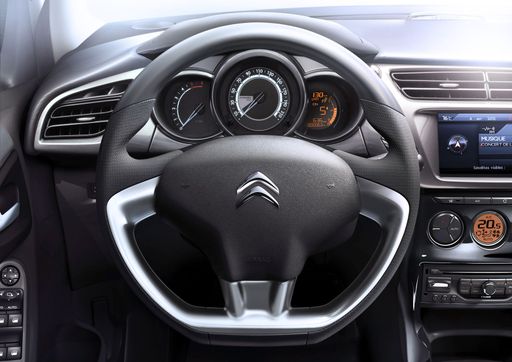
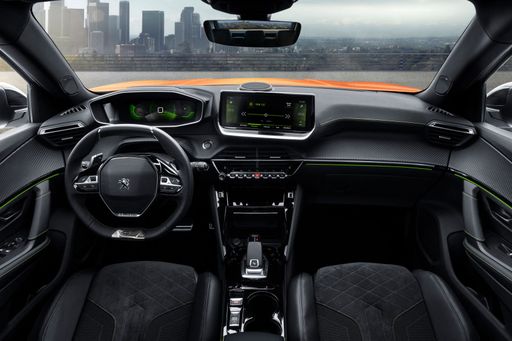
Inside, both vehicles are designed to maximize comfort and functionality. The C3 supports five passengers comfortably, offering a tech-savvy dashboard and user-friendly interfaces. In contrast, the 2008 takes it a step further with its larger dimensions affording more legroom and cargo space. High-quality materials and a modern infotainment system characterize the interior of the Peugeot, which also features advanced driver assistance systems that enhance safety and convenience.

C3

Driving Experience

With front-wheel drive as the standard across both models, the driving experience is agile and responsive. The Citroën C3’s smaller size makes it particularly maneuverable in urban environments, while the 2008's superior power output provides a more dynamic driving experience, especially on highways.

2008

Conclusion

Choosing between the Citroën C3 and the Peugeot 2008 ultimately comes down to individual preferences and needs. The C3 impresses with its agile design and efficient engines, making it a solid choice for city driving. Meanwhile, the Peugeot 2008 offers greater performance, more cargo space, and superior electric range, appealing to those seeking versatility and advanced technology. Both vehicles represent excellent choices in the compact SUV market, catering to different lifestyle requirements and preferences.

Here’s where it gets real: The technical differences in detail

C3

Costs and Efficiency:

Looking at overall running costs, both models reveal some interesting differences in everyday economy.

Citroen C3 is clearly cheaper – starting at 13,700 £ , while the Peugeot 2008 costs 24,800 £ . That’s a price difference of around 11,057 £.

Fuel consumption also shows a difference: the Peugeot 2008 uses 4.9 L/100km and is very slightly more efficient than the Citroen C3 with 5 L/100km. The difference is about 0.1 L/100km.

In terms of energy consumption, the Peugeot 2008 is very slightly more efficient: consuming 15.3 kWh/100km compared to 16.7 kWh/100km for the Citroen C3. That’s a difference of about 1.4 kWh/100km.

As for electric range, the Peugeot 2008 offers a bit more range – reaching up to 405 km, about 80 km more than the Citroen C3.

2008

Engine and Performance:

Power, torque and acceleration are the classic benchmarks for car enthusiasts – and here, some clear differences start to show.

When it comes to engine power, the Peugeot 2008 offers noticeably more power – delivering 156 HP compared to 113 HP. That’s roughly 43 HP more horsepower.

When accelerating from 0 to 100 km/h, the Peugeot 2008 is a bit quicker – completing the sprint in 8.3 s, while the Citroen C3 takes 9.9 s. That’s about 1.6 s quicker.

There’s also a difference in torque: the Peugeot 2008 delivers markedly more torque with 270 Nm compared to 205 Nm. That’s about 65 Nm more.

C3

Space and Everyday Use:

Beyond pure performance, interior space and usability matter most in daily life. This is where you see which car is more practical and versatile.

Both vehicles offer seating for 5 people.

In terms of curb weight, Citroen C3 is marginally lighter – 1,226 kg compared to 1,263 kg. The difference is around 37 kg.

Looking at boot space, the Peugeot 2008 offers clearly more boot space – 434 L compared to 310 L. That’s a difference of about 124 L.

When it comes to payload, the Peugeot 2008 carries marginally more – 447 kg compared to 423 kg. That’s a difference of about 24 kg.

Who wins the race in the data check?

The Peugeot 2008 is clearly superior overall in the objective data comparison.
This result only shows which model scores more points on paper – not which of the two cars feels right for you.

from £24,800
2008

Peugeot 2008

  • Engine Type : Petrol MHEV, Electric, Petrol
  • Transmission : Automatic, Manuel
  • Drive Type : Front-Wheel Drive
  • Power HP : 101 - 156 HP
  • Consumption L/100km : 4.9 - 5.7 L/100km
  • Consumption kWh/100km : 15.3 kWh/100km
  • Electric Range : 405 km
Citroen C3
Peugeot 2008

Costs and Consumption

View detailed analysis

Engine and Performance

View detailed analysis

Dimensions and Body

View detailed analysis

Citroen C3

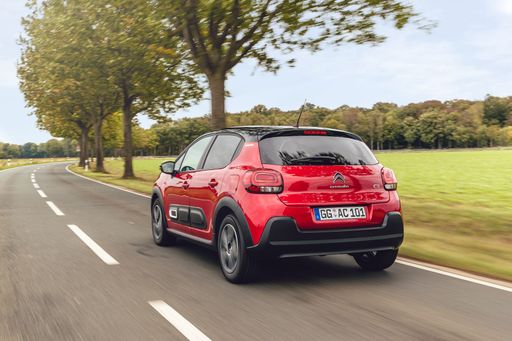
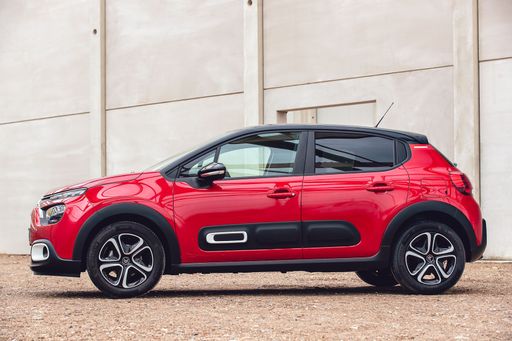
The Citroën C3 is a cheeky little city car that turns heads with its bold, quirky styling and a surprisingly comfy, well-thought-out interior. It’s an ideal companion for urban life — easy to park, friendly to drive and built to make everyday trips feel a bit more fun without breaking the bank.

details

Peugeot 2008

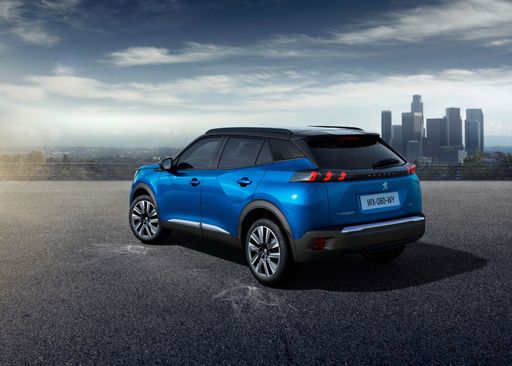
The Peugeot 2008 is a stylish, city-friendly crossover that packs big character into a compact package, turning mundane errands into a mildly entertaining drive. Its clever interior layout, polished looks and confident ride make it a smart choice for buyers who want practical daily sense with a touch of flair.

details
Citroen C3
Peugeot 2008

Costs and Consumption

Price
13,700 - 24,600 £
Price
24,800 - 40,400 £
Consumption L/100km
5 - 5.6 L/100km
Consumption L/100km
4.9 - 5.7 L/100km
Consumption kWh/100km
16.7 - 17.2 kWh/100km
Consumption kWh/100km
15.3 kWh/100km
Electric Range
212 - 325 km
Electric Range
405 km
Battery Capacity
-
Battery Capacity
-
co2
0 - 126 g/km
co2
0 - 129 g/km
Fuel tank capacity
-
Fuel tank capacity
-

Dimensions and Body

Body Type
SUV
Body Type
SUV
Seats
2 - 5
Seats
5
Doors
-
Doors
-
Curb weight
1,226 - 1,518 kg
Curb weight
1,263 - 1,623 kg
Trunk capacity
310 L
Trunk capacity
434 L
Length
-
Length
-
Width
1,755 mm
Width
1,770 mm
Height
-
Height
-
Max trunk capacity
-
Max trunk capacity
-
Payload
227 - 423 kg
Payload
407 - 447 kg

Engine and Performance

Engine Type
Electric, Petrol, Petrol MHEV
Engine Type
Petrol MHEV, Electric, Petrol
Transmission
Automatic, Manuel
Transmission
Automatic, Manuel
Transmission Detail
Reduction Gearbox, Manual Gearbox, Dual-Clutch Automatic
Transmission Detail
Dual-Clutch Automatic, Reduction Gearbox, Manual Gearbox
Drive Type
Front-Wheel Drive
Drive Type
Front-Wheel Drive
Power HP
101 - 113 HP
Power HP
101 - 156 HP
Acceleration 0-100km/h
9.9 - 12 s
Acceleration 0-100km/h
8.3 - 10.9 s
Max Speed
-
Max Speed
-
Torque
120 - 205 Nm
Torque
205 - 270 Nm
Number of Cylinders
3
Number of Cylinders
3
Power kW
74 - 83 kW
Power kW
74 - 115 kW
Engine capacity
1,199 cm3
Engine capacity
1,199 cm3

General

Model Year
2,024 - 2,026
Model Year
2,025 - 2,026
CO2 Efficiency Class
A, D, C
CO2 Efficiency Class
C, A, D
Brand
Citroen
Brand
Peugeot
DriveDuel uses data analysis and artificial intelligence to evaluate vehicle data and create content. Content is regularly reviewed and improved. The displayed prices are estimates based on German list prices, adjusted to the respective country’s VAT. Country-specific registration taxes are not included. This information is not legally binding.