
 Deutschland
 France
 Nederland
 Great Britain
 Sverige
 Danmark
 Suomi
Suomi Italia
 Polska
 España
VS
Citroen Holidays vs Toyota C-HR+ comparison
Compare performance (180 HP vs 343 HP), boot space and price (42800 £ vs 36000 £ ) at a glance. Find out which car is the better choice for you – Citroen Holidays or Toyota C-HR+?
C-HR+
Costs and Efficiency:
Price and efficiency are often the first things buyers look at. Here it becomes clear which model has the long-term edge – whether at the pump, the plug, or in purchase price.
Toyota C-HR+ has a slightly advantage in terms of price – it starts at 36000 £ , while the Citroen Holidays costs 42800 £ . That’s a price difference of around 6857 £.
C-HR+
Engine and Performance:
Power, torque and acceleration say a lot about how a car feels on the road. This is where you see which model delivers more driving dynamics.
When it comes to engine power, the Toyota C-HR+ has a clearly edge – offering 343 HP compared to 180 HP. That’s roughly 163 HP more horsepower.
There’s also a difference in torque: Citroen Holidays pulls a bit stronger with 400 Nm compared to 338 Nm. That’s about 62 Nm difference.
C-HR+
Space and Everyday Use:
Whether family car or daily driver – which one offers more room, flexibility and comfort?
Seats: Toyota C-HR+ offers somewhat more seating capacity – 5 vs 4.
In curb weight, Toyota C-HR+ is evident lighter – 1810 kg compared to 2235 kg. The difference is around 425 kg.
When it comes to payload, Citroen Holidays evident takes the win – 865 kg compared to 655 kg. That’s a difference of about 210 kg.
Who wins the race in the data check?
The Toyota C-HR+ sits well ahead of its rival in the objective data comparison.
This result only shows which model scores more points on paper – not which of the two cars feels right for you.
Citroen Holidays
Toyota C-HR+
Costs and Consumption
View detailed analysis
View detailed analysis
Engine and Performance
View detailed analysis
View detailed analysis
Dimensions and Body
View detailed analysis
View detailed analysis
from about £36,000
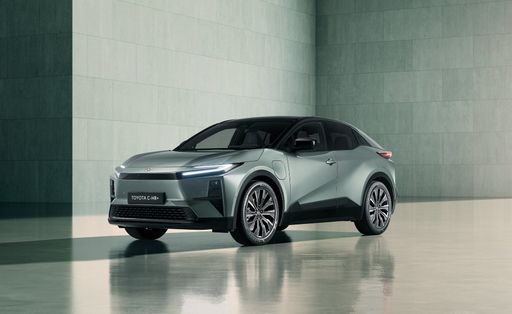
Toyota C-HR+
Citroen Holidays
The Citroën Holidays wraps the brand's cheerful French charm into a holiday-ready package, with cosy, flexible interiors and styling that makes every errand feel like the start of a mini break. It won't thrill the petrolhead, but as a clever, easygoing companion for family getaways and weekend escapes it delivers exactly what most buyers want: comfort, personality and a mischievous sense of fun.
detailsToyota C-HR+
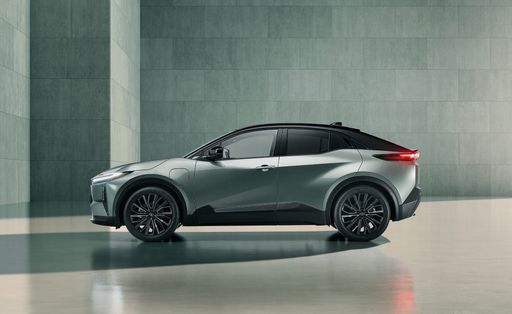
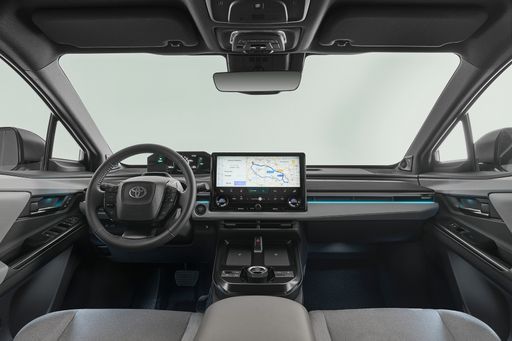
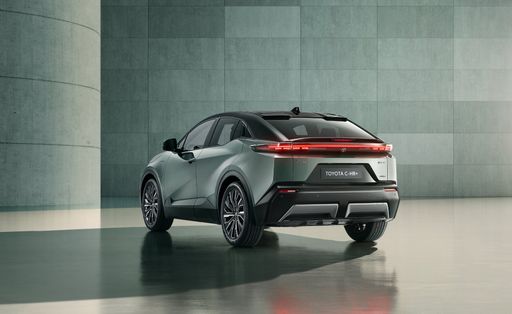
The Toyota C-HR+ mixes sharp, coupe-like styling with comfortable, surprisingly practical packaging, making a bold statement around town and on the weekend run. It’s aimed at drivers who value standout looks and fuss-free ownership over sports-car thrills, so if you want personality and reliability in one tidy package, book a test drive.
details
Citroen Holidays
Toyota C-HR+
Costs and Consumption |
|
|---|---|
|
Price
42800 - 45400 £
|
Price
36000 - 46300 £
|
|
Consumption L/100km
7.9 - 8.1 L
|
Consumption L/100km
-
|
|
Consumption kWh/100km
-
|
Consumption kWh/100km
13.4 - 15.5 kWh
|
|
Electric Range
-
|
Electric Range
458 - 607 km
|
|
Battery Capacity
-
|
Battery Capacity
-
|
|
co2
208 - 211 g/km
|
co2
0 g/km
|
|
Fuel tank capacity
70 L
|
Fuel tank capacity
-
|
Dimensions and Body |
|
|---|---|
|
Body Type
Bus
|
Body Type
SUV
|
|
Seats
4
|
Seats
5
|
|
Doors
5
|
Doors
-
|
|
Curb weight
2235 kg
|
Curb weight
1810 - 2010 kg
|
|
Trunk capacity
-
|
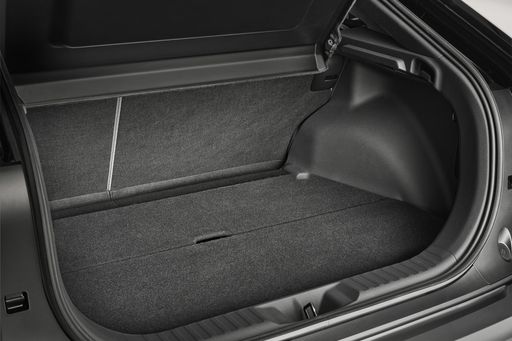
Trunk capacity
416 L
|
|
Length
4981 mm
|
Length
-
|
|
Width
2010 mm
|
Width
1870 mm
|
|
Height
1990 mm
|
Height
-
|
|
Max trunk capacity
-
|
Max trunk capacity
-
|
|
Payload
865 kg
|
Payload
550 - 655 kg
|
Engine and Performance |
|
|---|---|
|
Engine Type
Diesel
|
Engine Type
Electric
|
|
Transmission
Manuel, Automatic
|
Transmission
Automatic
|
|
Transmission Detail
Manual Gearbox, Automatic Gearbox
|
Transmission Detail
Reduction Gearbox
|
|
Drive Type
Front-Wheel Drive
|
Drive Type
Front-Wheel Drive, All-Wheel Drive
|
|
Power HP
150 - 180 HP
|
Power HP
167 - 343 HP
|
|
Acceleration 0-100km/h
-
|
Acceleration 0-100km/h
5.2 - 8.4 s
|
|
Max Speed
170 km/h
|
Max Speed
-
|
|
Torque
370 - 400 Nm
|
Torque
268 - 338 Nm
|
|
Number of Cylinders
4
|
Number of Cylinders
-
|
|
Power kW
110 - 132 kW
|
Power kW
123 - 252 kW
|
|
Engine capacity
2184 cm3
|
Engine capacity
-
|
General |
|
|---|---|
|
Model Year
2025
|
Model Year
2026
|
|
CO2 Efficiency Class
G
|
CO2 Efficiency Class
A
|
|
Brand
Citroen
|
Brand
Toyota
|
What drivetrain options does the Citroen Holidays have?
Available configurations include Front-Wheel Drive.
The prices shown are estimates based on German list prices, adjusted for local VAT. Local registration taxes (e.g. NoVA, BPM or CO2 malus) are not included. This information is not legally binding.