VS

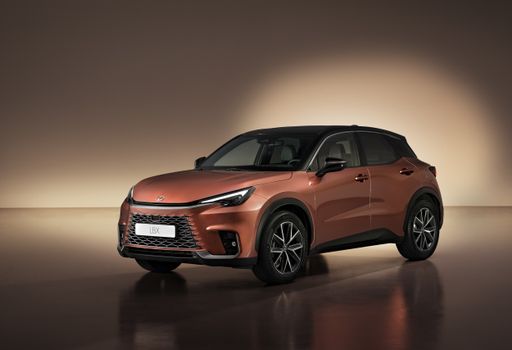
Lexus LBX vs Toyota C-HR+ comparison

Compare performance (136 HP vs 343 HP), boot space and price (28,300 £ vs 36,000 £ ) at a glance. Find out which car is the better choice for you – Lexus LBX or Toyota C-HR+?

Lexus LBX vs Toyota C-HR+: Key differences

Lexus LBX

5 (2 Reviews)
rate
  • noticeably cheaper
  • considerably lighter

Toyota C-HR+

  • considerably more power
  • clearly quicker 0–100 km/h

All details on performance, efficiency, range and trunk space can be found in the technical comparison below – including user reviews for both models.

LBX

The matchup: Lexus LBX vs Toyota C-HR+ — compact crossover comparison

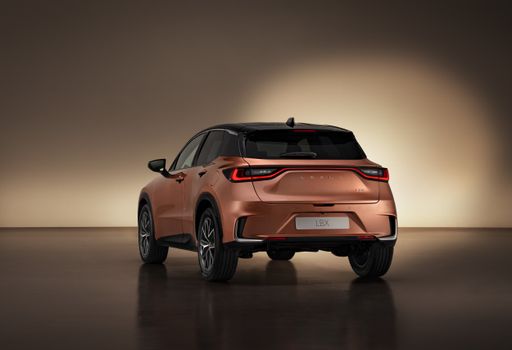
Lexus LBX vs Toyota C-HR+ sets up a neat clash between a premium, small crossover and a more extroverted compact contender, and this comparison puts both personalities under the same lamp. If you’re searching for a compact crossover that suits city life or weekend escapes, this head-to-head frames the practical and emotional differences without burying you in numbers. The Lexus LBX markets calm refinement and a softer edge, while the Toyota C-HR+ aims to provoke with bolder styling and a livelier character. Read on for a clear sense of who feels like luxury and who feels like a statement in traffic. This article is your quick guide to how each model behaves in daily life and in the showroom light.
C-HR+

Personality clash: understatement versus bravado

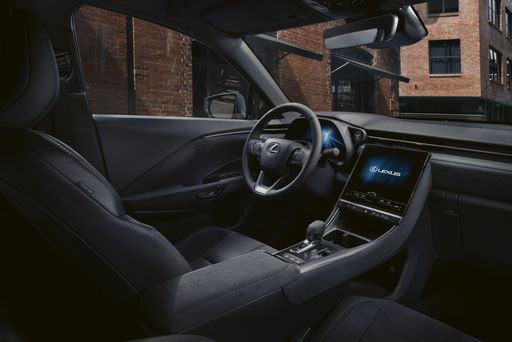
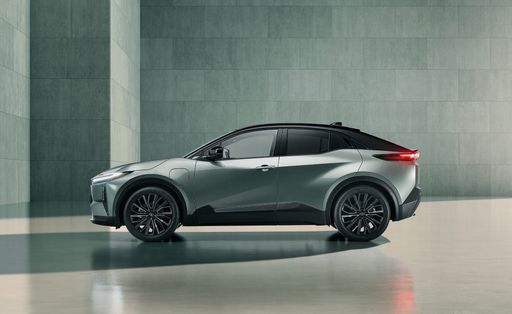
Lexus LBX feels like a designer sweater—subtle, well-stitched and quietly confident—whereas the Toyota C-HR+ arrives like a fashion-forward jacket that wants to be noticed. The Lexus LBX leans into refined materials, a hushed cabin and relaxed driving manners, while the Toyota C-HR+ trades restraint for sharper steering, more immediate throttle response and exterior angles that stop pedestrians mid-scroll. That makes the Lexus LBX read as premium and calming, and the Toyota C-HR+ as sporty and expressive. Both approaches win fans, but they speak different languages when it comes to urban charisma and curb appeal.

LBX

Daily life: commuter calm or lively practicality?

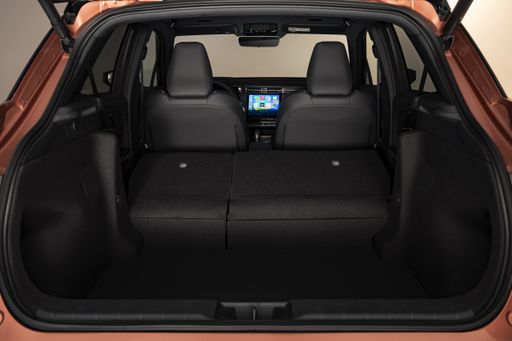
In everyday use the Lexus LBX prioritizes comfort and easy parking moves, making it feel particularly well suited to stop-start city commutes and mellow long drives. The Toyota C-HR+ leans toward a more engaging drive and a slightly more muscular presence, which translates to a different kind of practicality — one where power and load-carrying confidence matter more than soft suspension. Families who value predictable comfort will enjoy the Lexus LBX’s composed ride, while drivers who ferry gear, take motorway runs or simply want a more athletic feel might prefer the Toyota C-HR+. Both pack five seats, but the way space and ride are tuned changes who they suit in the real world.

C-HR+

Justifying the purchase: heart versus head

Choosing the Lexus LBX often comes down to wanting a premium badge and a serene daily experience — it’s a purchase that soothes the commute and flatters the driveway. Opting for the Toyota C-HR+ is more about making a statement: sportier demeanor, visible design, and a feeling that you prioritise excitement and capability. For buyers who rationalize purchases with resale, quiet refinement and brand cachet, Lexus LBX checks emotional and practical boxes. For those who argue from the hip — image, performance feel and bold looks — Toyota C-HR+ offers a clearer story to tell friends or clients.

LBX

Who should seriously consider the Lexus LBX?

If your days are built around calm commutes, long hours behind the wheel or you simply want a compact crossover that reads premium without shouting, the Lexus LBX is tailored to that life. It suits buyers who prize perceived quality, a relaxed cabin atmosphere and fuss-free ownership over headline-grabbing performance, making it a strong match for those wanting comfort and understated style. The Toyota C-HR+ remains relevant to them too — especially if occasional bursts of sportiness or roomier load plans are needed — but Lexus LBX is the comfortable, composed choice. Consider the Lexus LBX if relaxation and quiet confidence are on the top of your checklist.

C-HR+

Who will pick the Toyota C-HR+ (and who might stick with Lexus)?

The Toyota C-HR+ calls out to drivers who want a compact crossover that feels lively, looks distinctive and doesn’t mind being noticed on the street; it’s for the tech-aware, style-conscious and those who enjoy sharper responses. Buyers chasing a more emotive drive, visible design credentials and a sense of sporting intent will naturally gravitate to the Toyota C-HR+. If you’re weighing options, remember that the Lexus LBX still wins on calm refinement and a softer daily manner, so your final choice will come down to whether you prefer quiet luxury or bold character. Scroll down to the spec and data section for the hard figures that translate these impressions into concrete trade-offs.

Here’s where it gets real: The technical differences in detail

LBX

Costs and Efficiency:

Looking at overall running costs, both models reveal some interesting differences in everyday economy.

Lexus LBX is noticeably cheaper – starting at 28,300 £ , while the Toyota C-HR+ costs 36,000 £ . That’s a price difference of around 7,714 £.

C-HR+

Engine and Performance:

Under the bonnet, it becomes clear which model is tuned for sportiness and which one takes the lead when you hit the accelerator.

When it comes to engine power, the Toyota C-HR+ offers considerably more power – delivering 343 HP compared to 136 HP. That’s roughly 207 HP more horsepower.

When accelerating from 0 to 100 km/h, the Toyota C-HR+ is clearly quicker – completing the sprint in 5.2 s, while the Lexus LBX takes 9.2 s. That’s about 4 s quicker.

There’s also a difference in torque: the Toyota C-HR+ delivers considerably more torque with 338 Nm compared to 185 Nm. That’s about 153 Nm more.

LBX

Space and Everyday Use:

Whether family car or daily driver – which one offers more room, flexibility and comfort?

Both vehicles offer seating for 5 people.

In terms of curb weight, Lexus LBX is considerably lighter – 1,280 kg compared to 1,810 kg. The difference is around 530 kg.

When it comes to payload, the Toyota C-HR+ carries noticeably more – 655 kg compared to 475 kg. That’s a difference of about 180 kg.

Who wins the race in the data check?

The Toyota C-HR+ holds a decisive overall lead in the objective data comparison.
This result only shows which model scores more points on paper – not which of the two cars feels right for you.

from £36,000
C-HR+

Toyota C-HR+

  • Engine Type : Electric
  • Transmission : Automatic
  • Drive Type : Front-Wheel Drive, All-Wheel Drive
  • Power HP : 167 - 343 HP
  • Consumption kWh/100km : 13.4 - 15.5 kWh/100km
  • Electric Range : 458 - 607 km
Lexus LBX
Toyota C-HR+

Costs and Consumption

View detailed analysis

Engine and Performance

View detailed analysis

Dimensions and Body

View detailed analysis

Lexus LBX

The Lexus LBX wraps premium touches and a surprisingly spacious cabin into a compact crossover that’s perfectly at home in town or heading out on longer drives. It wears the badge with quiet confidence, serving up a refined ride and clever packaging for buyers who want Lexus polish without shouting for attention.

details

Toyota C-HR+

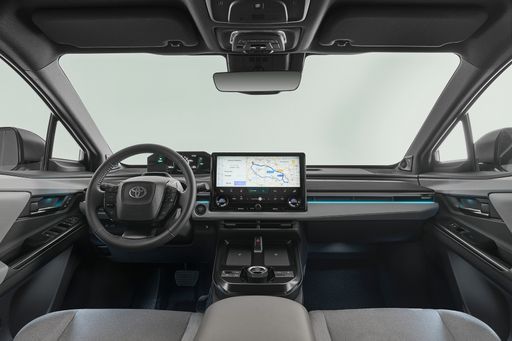
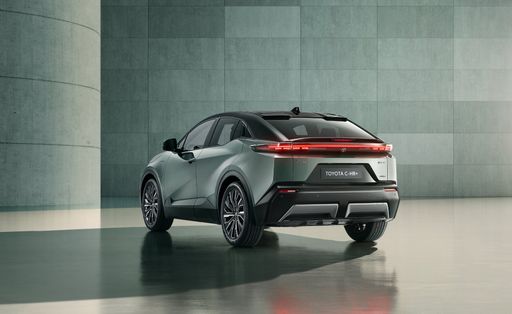
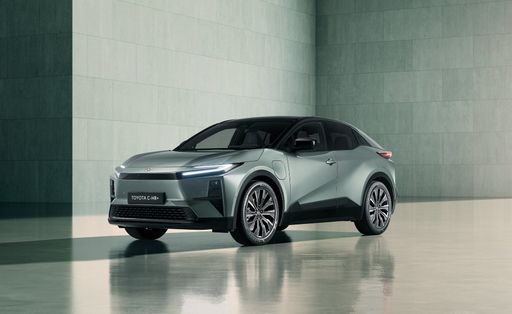
The Toyota C-HR+ mixes sharp, coupe-like styling with comfortable, surprisingly practical packaging, making a bold statement around town and on the weekend run. It’s aimed at drivers who value standout looks and fuss-free ownership over sports-car thrills, so if you want personality and reliability in one tidy package, book a test drive.

details
Lexus LBX
Toyota C-HR+

Costs and Consumption

Price
28,300 - 40,000 £
Price
36,000 - 46,300 £
Consumption L/100km
4.5 - 4.8 L/100km
Consumption L/100km
-
Consumption kWh/100km
-
Consumption kWh/100km
13.4 - 15.5 kWh/100km
Electric Range
-
Electric Range
458 - 607 km
Battery Capacity
-
Battery Capacity
-
co2
102 - 110 g/km
co2
0 g/km
Fuel tank capacity
-
Fuel tank capacity
-

Dimensions and Body

Body Type
SUV
Body Type
SUV
Seats
5
Seats
5
Doors
-
Doors
-
Curb weight
1,280 - 1,365 kg
Curb weight
1,810 - 2,010 kg
Trunk capacity
-
Trunk capacity
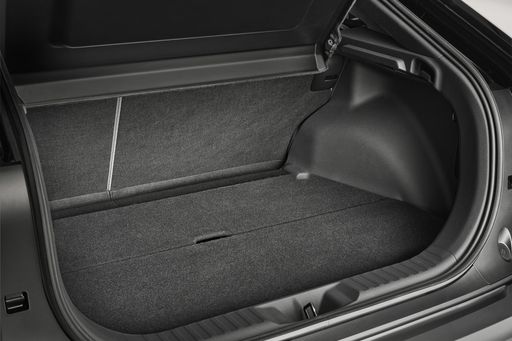
416 L
Length
-
Length
-
Width
1,825 mm
Width
1,870 mm
Height
-
Height
-
Max trunk capacity
-
Max trunk capacity
-
Payload
455 - 475 kg
Payload
550 - 655 kg

Engine and Performance

Engine Type
Full Hybrid
Engine Type
Electric
Transmission
Automatic
Transmission
Automatic
Transmission Detail
CVT
Transmission Detail
Reduction Gearbox
Drive Type
Front-Wheel Drive, All-Wheel Drive
Drive Type
Front-Wheel Drive, All-Wheel Drive
Power HP
136 HP
Power HP
167 - 343 HP
Acceleration 0-100km/h
9.2 - 9.6 s
Acceleration 0-100km/h
5.2 - 8.4 s
Max Speed
-
Max Speed
-
Torque
185 Nm
Torque
268 - 338 Nm
Number of Cylinders
3
Number of Cylinders
-
Power kW
100 kW
Power kW
123 - 252 kW
Engine capacity
1,490 cm3
Engine capacity
-

General

Model Year
2,025
Model Year
2,026
CO2 Efficiency Class
C
CO2 Efficiency Class
A
Brand
Lexus
Brand
Toyota
DriveDuel uses data analysis and artificial intelligence to evaluate vehicle data and create content. Content is regularly reviewed and improved. The displayed prices are estimates based on German list prices, adjusted to the respective country’s VAT. Country-specific registration taxes are not included. This information is not legally binding.