VS

CUPRA Raval vs VW ID.3 comparison

Compare performance (226 HP vs 231 HP), boot space and price (22,200 £ vs 29,100 £ ) at a glance. Find out which car is the better choice for you – CUPRA Raval or VW ID.3?

CUPRA Raval vs VW ID.3: Key differences

CUPRA Raval

4.6 (2 Reviews)
rate
  • visibly cheaper
  • very slightly more efficient
  • marginally quicker 0–100 km/h
  • a bit lighter
  • a bit more trunk space
details

VW ID.3

4.8 (6 Reviews)
rate
  • very slightly more power
  • clearly more electric range
details

All details on performance, efficiency, range and trunk space can be found in the technical comparison below – including user reviews for both models.

By Achim Sedelmaier

Raval

Head-to-head: VW ID.3 VS CUPRA Raval — first impression

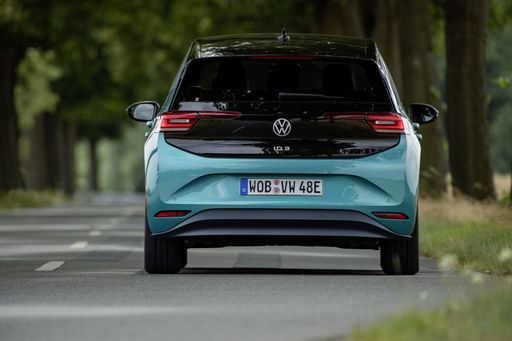
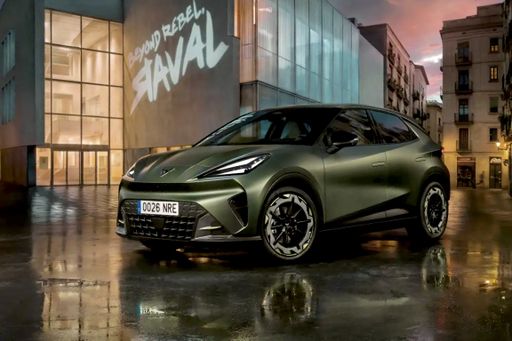
VW ID.3 VS CUPRA Raval pits a calm, comfort-first compact EV against a sporty, space-savvy newcomer with strong city credentials. The VW ID.3 leans into quiet refinement, roomy rear seats and highway composure, while the CUPRA Raval trades some of that plushness for a firmer, more eager on-road personality and an unusually large boot for its size. That contrast shapes everything from everyday errands to multi-hour journeys: one prioritises serenity and usable interior volume, the other prioritises traction, modular luggage space and a sharper driver experience. Read on to see which car better matches commuting rhythms, family routines and weekend enthusiasms before we dig into the numbers.
ID.3

Character and driving dynamics

The VW ID.3 feels composed and mature on the move, giving you a relaxed, linear response that emphasises smooth progress over theatrics; it suits drivers who prize a settled, predictable carriage. The CUPRA Raval, by contrast, arrives with a livelier temperament: tighter turn-in, visible traction management and a chassis that invites cornering without drama. Steering and suspension tell the story — the ID.3 steers with a composed, slightly detached feel that soothes long drives, whereas the Raval offers more immediacy and confidence when you push on. Choose the ID.3 if you value calm, confidence-increasing manners; pick the Raval if you want a compact car that feels closer to a small hot-hatch in everyday use.

Raval

Comfort, cabin feel and long-distance behaviour

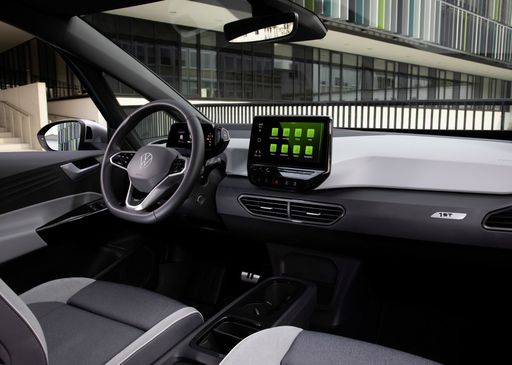
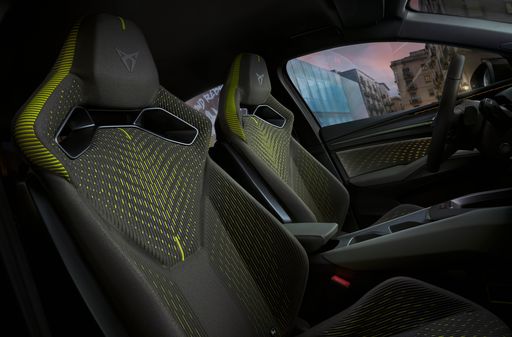
Inside, the VW ID.3 leans toward a softer, quieter ambience with improved materials that make long motorway stints pleasantly undemanding; its isolation from wind and road noise is a clear advantage for miles. The CUPRA Raval is no noisy city toy — it achieves a surprisingly mature noise balance and adds adaptive damping so you can dial comfort or firmness depending on the route. For long-distance usability the ID.3’s emphasis on relaxed cruising and quicker high-speed charging makes longer trips less stressful, while the Raval’s adjustable chassis and strong traction make it enjoyable on twisty secondary roads but typically means more frequent recharge planning. If your weekly routine includes long commutes and fewer stops, the ID.3 will feel more effortless; if you swap urban runs with spirited back-road driving, the Raval gives more engagement without being harsh.

ID.3

Practicality and everyday usability

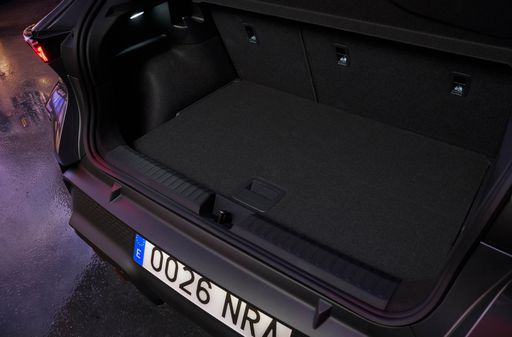
The CUPRA Raval surprises where it matters most: its boot and clever double-floor layout give it a real edge for family shopping, sports kit or weekend luggage, and the rear cabin is unusually accommodating for a car of its footprint. The VW ID.3 still wins on basic passenger space because of a flat floor and roomy rear legroom that makes three-across or child-seat installation straightforward, but its luggage area is less generous than the Raval’s more boxy load bay. The ID.3’s interior feels carefully thought-out for occupants while the Raval scores points for cargo versatility and practical details like hooks and organised storage. For buyers who prioritise luggage volume and loading flexibility pick the Raval; for those who put passenger comfort and simple rear-seat usability first, the ID.3 will be the better fit.

Raval

Controls, infotainment and city friendliness

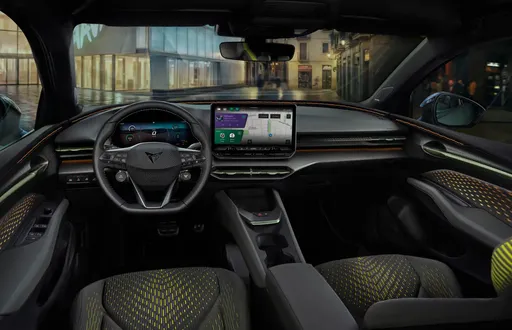
Both cars modernise their cockpits, but in different ways: the CUPRA Raval’s Android‑based system feels snappier and more modern, with an app‑store approach and tactile steering controls that speed everyday tasks. The VW ID.3 has improved its software and screen hardware recently, yet its menu logic and touch controls still divide opinion and can feel slower in routine interactions. In town the ID.3’s very tight turning circle and calming drive character make parking and stop‑and‑go traffic relaxed, while the Raval’s one‑pedal modes and parking cameras make urban manoeuvres brisk and forgiving. If you value a slick smartphone‑like interface and physical, immediate controls opt for the Raval; if low-speed composure and ease of manoeuvre are top priorities, the ID.3 shines.

ID.3

Buyer fit and how to decide before the numbers

If your life is a mix of long motorway runs, family school runs and you prize a whisper‑quiet cabin, the VW ID.3 fits that brief with its composed ride and comfortable interior packaging. If your week is city‑heavy, you value maximum luggage flexibility and you want a compact EV that still feels sporty on demand, the CUPRA Raval will suit you better. Pricing and trim timing matter too: early Raval trims can be positioned differently in the market than later base editions, and the ID.3’s specification can push it toward a more premium feel for a given budget. Next up in the technical comparison you’ll see the drivetrain, range and charging figures that translate these everyday differences into concrete trade‑offs for real buyers.

Here’s where it gets real: The technical differences in detail

Raval

Costs and Efficiency:

Looking at overall running costs, both models reveal some interesting differences in everyday economy.

CUPRA Raval is visibly cheaper – starting at 22,200 £ , while the VW ID.3 costs 29,100 £ . That’s a price difference of around 6,896 £.

In terms of energy consumption, the CUPRA Raval is very slightly more efficient: consuming 13.6 kWh/100km compared to 13.9 kWh/100km for the VW ID.3. That’s a difference of about 0.3 kWh/100km.

As for electric range, the VW ID.3 offers clearly more range – reaching up to 629 km, about 184 km more than the CUPRA Raval.

ID.3

Engine and Performance:

Under the bonnet, it becomes clear which model is tuned for sportiness and which one takes the lead when you hit the accelerator.

When it comes to engine power, the VW ID.3 offers very slightly more power – delivering 231 HP compared to 226 HP. That’s roughly 5 HP more horsepower.

When accelerating from 0 to 100 km/h, the CUPRA Raval is marginally quicker – completing the sprint in 6.8 s, while the VW ID.3 takes 7.1 s. That’s about 0.3 s quicker.

There’s also a difference in torque: the VW ID.3 delivers slightly more torque with 350 Nm compared to 290 Nm. That’s about 60 Nm more.

Raval

Space and Everyday Use:

Beyond pure performance, interior space and usability matter most in daily life. This is where you see which car is more practical and versatile.

Both vehicles offer seating for 5 people.

In terms of curb weight, CUPRA Raval is a bit lighter – 1,610 kg compared to 1,885 kg. The difference is around 275 kg.

Looking at boot space, the CUPRA Raval offers a bit more boot space – 441 L compared to 383 L. That’s a difference of about 58 L.

When it comes to payload, the CUPRA Raval carries marginally more – 475 kg compared to 464 kg. That’s a difference of about 11 kg.

Who wins the race in the data check?

The CUPRA Raval is barely ahead in the objective data comparison.
This result only shows which model scores more points on paper – not which of the two cars feels right for you.

from £22,200
Raval

CUPRA Raval

  • Engine Type Electric
  • Transmission Automatic
  • Drive Type Front-Wheel Drive
  • Power HP 116 - 226 HP
  • Consumption kWh/100km 13.6 - 16.1 kWh/100km
  • Electric Range 300 - 445 km
CUPRA Raval
VW ID.3

Costs and Consumption

View detailed analysis

Engine and Performance

View detailed analysis

Dimensions and Body

View detailed analysis

CUPRA Raval

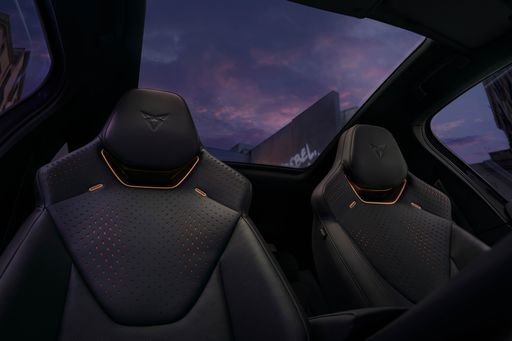
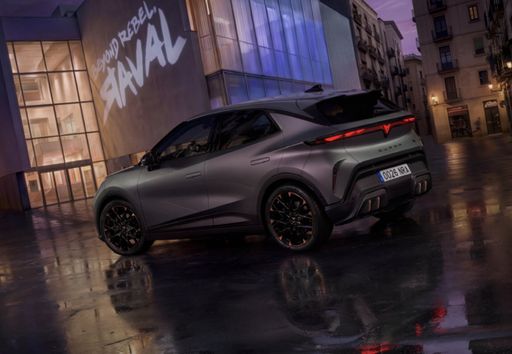
The CUPRA Raval is a compact electric hatch that mixes hot‑hatch intent with genuine everyday practicality, pairing an unusually roomy, flexible boot with a modern Android‑based infotainment that feels responsive. It drives in a composed, traction‑rich way that suits city and family life, though the steering leans toward assuredness rather than playfulness and some climate controls rely on touch sliders that can be fiddly on the move.

details

VW ID.3

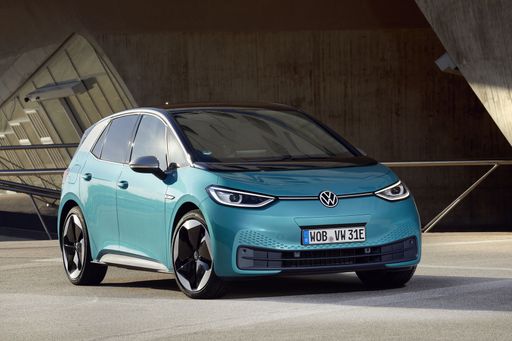
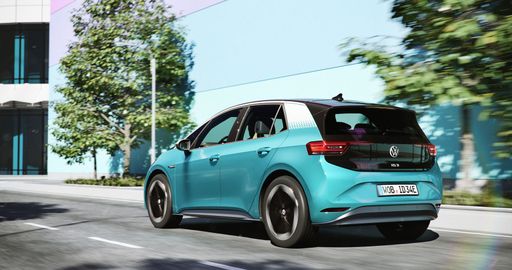
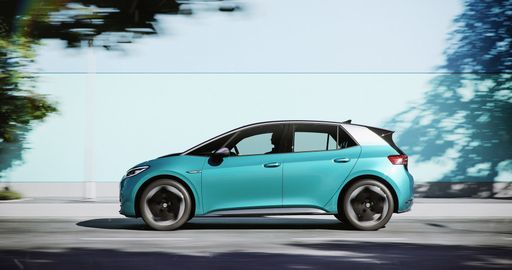
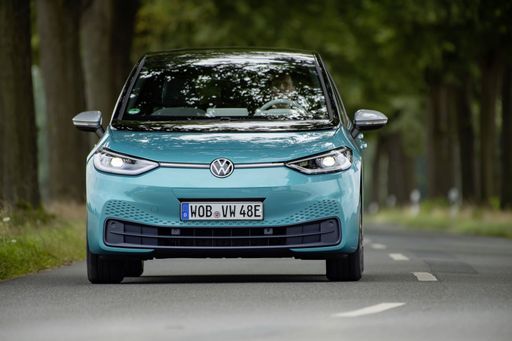
The VW ID.3 is Volkswagen’s compact electric hatch that prioritizes practical daily usability with a comfortable, modern interior. It delivers a smooth, quiet driving experience and intuitive tech that makes switching to electric straightforward.

details
CUPRA Raval
VW ID.3

Costs and Consumption

Price
22,200 - 39,900 £
Price
29,100 - 40,800 £
Consumption L/100km
-
Consumption L/100km
-
Consumption kWh/100km
13.6 - 16.1 kWh/100km
Consumption kWh/100km
13.9 - 14.4 kWh/100km
Electric Range
300 - 445 km
Electric Range
410 - 629 km
Battery Capacity
-
Battery Capacity
-
co2
0 g/km
co2
0 g/km
Fuel tank capacity
-
Fuel tank capacity
-

Dimensions and Body

Body Type
Hatchback
Body Type
Hatchback
Seats
5
Seats
5
Doors
-
Doors
-
Curb weight
1,610 - 1,615 kg
Curb weight
1,885 - 1,966 kg
Trunk capacity
441 L
Trunk capacity
383 L
Length
-
Length
-
Width
1,784 mm
Width
1,809 mm
Height
-
Height
-
Max trunk capacity
-
Max trunk capacity
-
Payload
470 - 475 kg
Payload
422 - 464 kg

Engine and Performance

Engine Type
Electric
Engine Type
Electric
Transmission
Automatic
Transmission
Automatic
Transmission Detail
Reduction Gearbox
Transmission Detail
Reduction Gearbox
Drive Type
Front-Wheel Drive
Drive Type
Rear-Wheel Drive
Power HP
116 - 226 HP
Power HP
170 - 231 HP
Acceleration 0-100km/h
6.8 - 7.1 s
Acceleration 0-100km/h
7.1 - 8 s
Max Speed
-
Max Speed
-
Torque
290 Nm
Torque
350 Nm
Number of Cylinders
-
Number of Cylinders
-
Power kW
85 - 166 kW
Power kW
125 - 170 kW
Engine capacity
-
Engine capacity
-

General

Model Year
2026
Model Year
2026
CO2 Efficiency Class
A
CO2 Efficiency Class
A
Brand
CUPRA
Brand
VW
DriveDuel uses data analysis and artificial intelligence to evaluate vehicle data and create content. Content is regularly reviewed and improved. The displayed prices are estimates based on German list prices, adjusted to the respective country’s VAT. Country-specific registration taxes are not included. This information is not legally binding.