@ Ford Motor Company / Ford Media Center
@ Polestar Automotive Holding
VS

Ford Explorer EV vs Polestar 2 – Performance, range & efficiency compared

Two cars, one duel: Ford Explorer EV meets Polestar 2.
Which one wins in performance, efficiency and value for money? Find out now!

Explorer EV @ Ford Motor Company / Ford Media Center

Ford Explorer EV vs Polestar 2: A Closer Look at Two Innovative Electric Vehicles

In the evolving landscape of electric vehicles, the competition is heating up as manufacturers strive to deliver cutting-edge technology, impressive performance, and sustainable driving experiences. This comparison highlights two notable contenders: the Ford Explorer EV and the Polestar 2. Each vehicle brings unique strengths, catering to different segments of the electric vehicle market. Let's dive into the technical aspects and innovations that set these vehicles apart.
2 @ Polestar Automotive Holding

Design and Dimensions: Body Type Variations

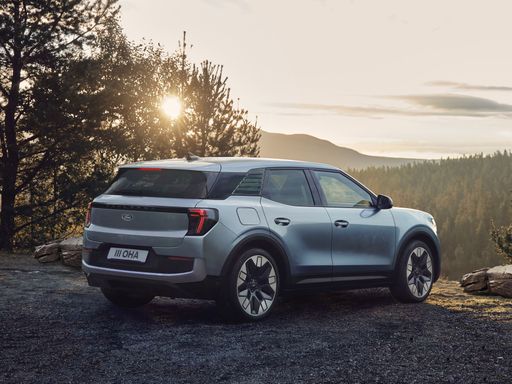
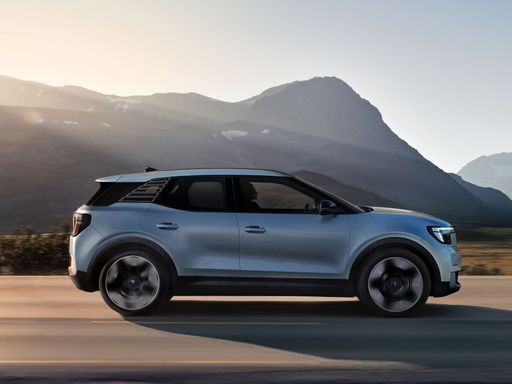
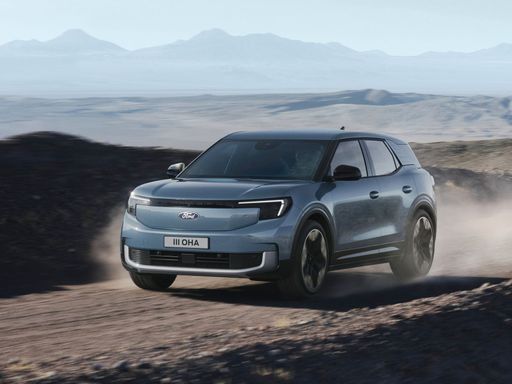
The Ford Explorer EV is classified as an SUV, designed for families and adventure seekers who prioritize space and comfort. With dimensions measuring 4468 mm in length, 1871 mm in width, and a height of between 1630-1639 mm, it offers a robust presence on the road.

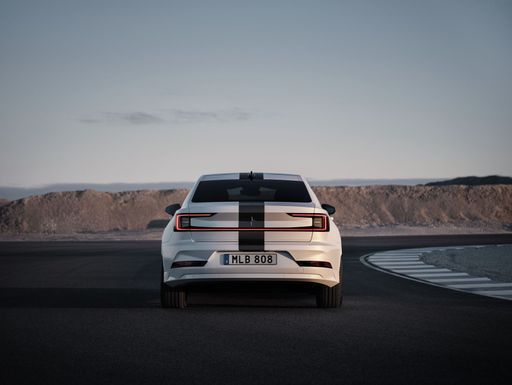
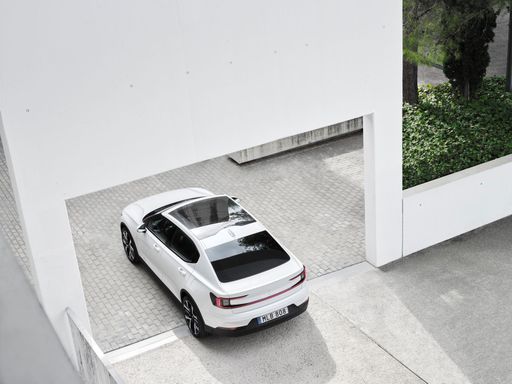
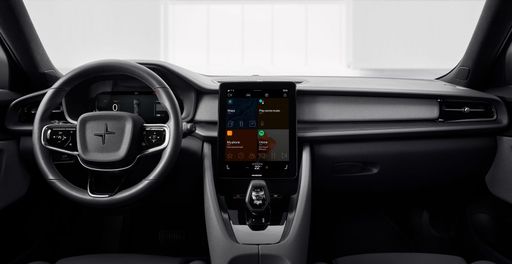
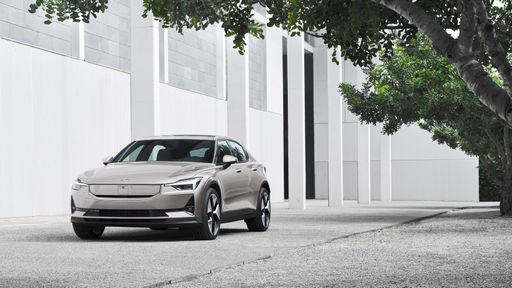
On the other hand, the Polestar 2 is crafted as a hatchback, appealing to those who appreciate a sportier silhouette and agile handling. Slightly longer at 4606 mm, this model is narrower at 1859 mm and has a more compact height of around 1473-1479 mm. The natural dynamics of a hatchback deliver an engaging driving experience, distinct from the Explorer’s SUV capability.

Explorer EV @ Ford Motor Company / Ford Media Center

Performance and Power: Accelerating Differences

When it comes to performance, both vehicles offer powerful electric drivetrains. The Ford Explorer EV is equipped with options ranging from 204 to 340 HP, paired with a rear-wheel or all-wheel drive configuration. It boasts a 0-100 km/h acceleration time of 6.4 seconds, demonstrating its capability as an efficient family vehicle.

Conversely, the Polestar 2 puts performance at the forefront with outputs ranging from 272 to an exhilarating 476 HP. Notably, the highest variant can sprint from 0-100 km/h in just 4.2 seconds, making it a strong contender in the performance segment of electric hatchbacks. This rapid acceleration is complemented by the car's all-wheel drive capabilities, ensuring that power translates seamlessly to traction.

2 @ Polestar Automotive Holding

Range and Efficiency: Going the Distance

Range and efficiency are critical factors for electric vehicle consumers. The Ford Explorer EV offers a commendable electric range of up to 602 km, depending on the variant chosen. It achieves impressive energy consumption figures, with options ranging from 13.9 to 16.6 kWh/100 km, enhancing its viability for long-distance travel.

The Polestar 2, while slightly less in maximum range at 659 km, maintains robust efficiency metrics as well, with consumption figures around 14.7 to 16.8 kWh/100 km. This efficient energy use pairs well with its higher performance output, showcasing a balance between speed and sustainability.

Explorer EV @ Ford Motor Company / Ford Media Center

Interior and Technology: Comfort Meets Innovation

Inside, the Ford Explorer EV is designed for comfort, providing ample space for five passengers and a trunk capacity of 450-445 liters, making it suitable for family outings or weekend getaways. The cabin features a blend of technology and practicality, aiming for a user-friendly interface that enhances the overall driving experience.

The Polestar 2, while also seating five, has a slightly smaller trunk capacity of 405 liters. However, it compensates with a driver-focused interior that integrates advanced technological features, including a large infotainment system powered by Google, bringing a high-tech touch to everyday driving.

2 @ Polestar Automotive Holding

Conclusion: Aligning with Your Driving Needs

Both the Ford Explorer EV and Polestar 2 offer distinct advantages tailored to specific driving preferences. The Explorer EV stands out for families seeking spaciousness and range, while the Polestar 2 appeals to those craving performance and innovative tech features. As the electric vehicle landscape continues to develop, these two models exemplify the diversity in choices available for consumers, ensuring that there’s an electric vehicle for nearly every lifestyle.

Here’s where it gets real: The technical differences in detail

Costs and Efficiency:

Price and efficiency are key factors when choosing a car – and this is often where the real differences emerge.

Ford Explorer EV has a noticeable advantage in terms of price – it starts at 34200 £, while the Polestar 2 costs 42000 £. That’s a price difference of around 7791 £.

In terms of energy consumption, the advantage goes to the Ford Explorer EV: with 14.50 kWh per 100 km, it’s barely noticeable more efficient than the Polestar 2 with 14.80 kWh. That’s a difference of about 0.30 kWh.

As for range, the Polestar 2 performs barely noticeable better – achieving up to 659 km, about 57 km more than the Ford Explorer EV.

Engine and Performance:

Under the bonnet, it becomes clear which model is tuned for sportiness and which one takes the lead when you hit the accelerator.

When it comes to engine power, the Polestar 2 has a noticeable edge – offering 476 HP compared to 340 HP. That’s roughly 136 HP more horsepower.

In acceleration from 0 to 100 km/h, the Polestar 2 is noticeable quicker – completing the sprint in 4.20 s, while the Ford Explorer EV takes 5.30 s. That’s about 1.10 s faster.

In terms of top speed, the Polestar 2 performs somewhat better – reaching 205 km/h, while the Ford Explorer EV tops out at 180 km/h. The difference is around 25 km/h.

There’s also a difference in torque: Polestar 2 pulls barely noticeable stronger with 740 Nm compared to 679 Nm. That’s about 61 Nm difference.

Space and Everyday Use:

Whether family car or daily driver – which one offers more room, flexibility and comfort?

Both vehicles offer seating for 5 people.

In curb weight, Ford Explorer EV is barely noticeable lighter – 1908 kg compared to 2015 kg. The difference is around 107 kg.

In terms of boot space, the Ford Explorer EV offers barely noticeable more room – 450 L compared to 405 L. That’s a difference of about 45 L.

In maximum load capacity, the Ford Explorer EV performs evident better – up to 1422 L, which is about 327 L more than the Polestar 2.

When it comes to payload, Ford Explorer EV clearly perceptible takes the win – 585 kg compared to 421 kg. That’s a difference of about 164 kg.

Who comes out on top?

Overall, the Polestar 2 shows itself to be only a minor advantage and secures the title of DriveDuel Champion.
It convinces with the more balanced overall package and proves to be the more versatile choice for everyday use.

from about £42,000
2 @ Polestar Automotive Holding

Polestar 2

  • Engine Type : Electric
  • Transmission : Automatic
  • Drive Type : All-Wheel Drive, Rear-Wheel Drive
  • Power HP : 272 - 476 HP
  • Consumption kWh/100km : 14.8 - 16.8 kWh
  • Electric Range : 554 - 659 km

Ford Explorer EV

5 (2)
rate

The Ford Explorer EV translates the familiar big‑American SUV presence into whisper‑quiet electric motoring, offering roomy seating and a tech‑forward cabin that will please families and road‑trippers alike. It drives with more composure than its boxy looks suggest, blending a comfortable ride and eager acceleration while undercutting the guilt of gas stops — a practical, modern alternative for buyers who want Explorer space with electric charm.

details

Polestar 2

5 (1)
rate

Der Polestar 2 beeindruckt mit seinem klaren, skandinavischen Design und einer hochwertigen Verarbeitung, die sowohl innen als auch außen zu sehen ist. Besonders auffallend ist das futuristische Cockpit mit einem innovativen Infotainment-System, das auf Android basiert und nahtlose Konnektivität bietet. Zusätzlich bietet das Modell ein exzellentes Fahrgefühl mit dynamischen Fahreigenschaften, das selbst anspruchsvolle Fahrer begeistert.

details
Ford Explorer EV
Polestar 2
Explorer EV @ Ford Motor Company / Ford Media Center
2 @ Polestar Automotive Holding

Costs and Consumption

Price
34200 - 48800 £
Price
42000 - 57400 £
Consumption L/100km
-
Consumption L/100km
-
Consumption kWh/100km
14.5 - 17.2 kWh
Consumption kWh/100km
14.8 - 16.8 kWh
Electric Range
360 - 602 km
Electric Range
554 - 659 km
Battery Capacity
52 - 79 kWh
Battery Capacity
78 kWh
co2
0 g/km
co2
0 g/km
Fuel tank capacity
-
Fuel tank capacity
-

Dimensions and Body

Body Type
SUV
Body Type
Sedan
Seats
5
Seats
5
Doors
5
Doors
5
Curb weight
1908 - 2179 kg
Curb weight
2015 - 2188 kg
Trunk capacity
445 - 450 L
Trunk capacity
405 L
Length
4468 mm
Length
4606 mm
Width
1871 mm
Width
1859 mm
Height
1630 - 1639 mm
Height
1473 - 1479 mm
Max trunk capacity
1417 - 1422 L
Max trunk capacity
1095 L
Payload
561 - 585 kg
Payload
375 - 421 kg

Engine and Performance

Engine Type
Electric
Engine Type
Electric
Transmission
Automatic
Transmission
Automatic
Transmission Detail
Reduction Gearbox
Transmission Detail
Reduction Gearbox
Drive Type
Rear-Wheel Drive, All-Wheel Drive
Drive Type
All-Wheel Drive, Rear-Wheel Drive
Power HP
170 - 340 HP
Power HP
272 - 476 HP
Acceleration 0-100km/h
5.3 - 8.7 s
Acceleration 0-100km/h
4.2 - 6.4 s
Max Speed
160 - 180 km/h
Max Speed
205 km/h
Torque
310 - 679 Nm
Torque
490 - 740 Nm
Number of Cylinders
-
Number of Cylinders
-
Power kW
125 - 250 kW
Power kW
200 - 350 kW
Engine capacity
-
Engine capacity
-

General

Model Year
2024 - 2025
Model Year
2024
CO2 Efficiency Class
A
CO2 Efficiency Class
A
Brand
Ford
Brand
Polestar
What drive types are available for the Ford Explorer EV?

The Ford Explorer EV is available as Rear-Wheel Drive or All-Wheel Drive.

The prices and data displayed are estimates based on German list prices and may vary by country. This information is not legally binding.