VS

Genesis GV80 vs Mazda CX-80 comparison

Compare performance (304 HP vs 327 HP), boot space and price (59,400 £ vs 49,300 £ ) at a glance. Find out which car is the better choice for you – Genesis GV80 or Mazda CX-80?

Genesis GV80 vs Mazda CX-80: Key differences

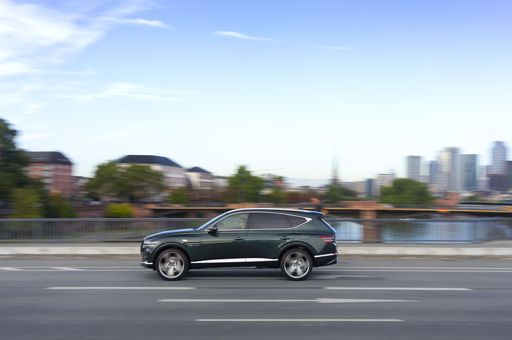
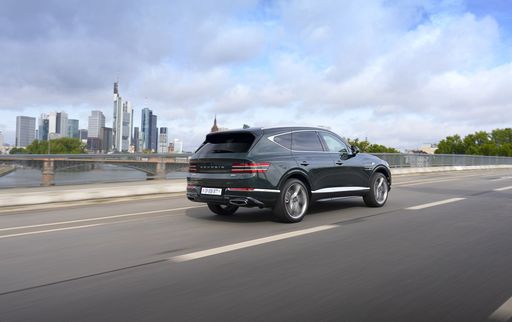
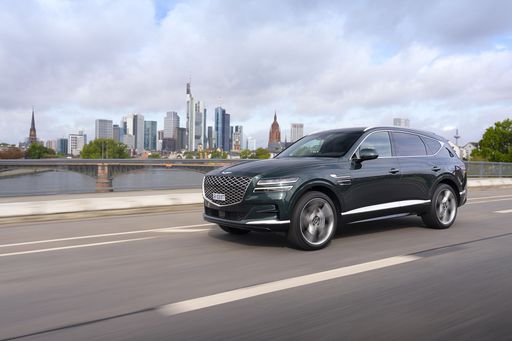
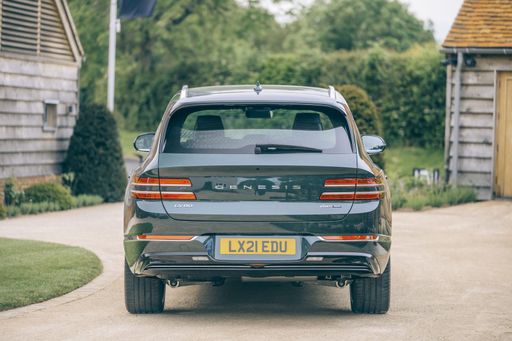
Genesis GV80

  • considerably more trunk space
details

Mazda CX-80

  • markedly cheaper
  • very slightly more power
  • clearly more efficient
  • very slightly quicker 0–100 km/h
  • marginally lighter
details

By Achim Sedelmaier

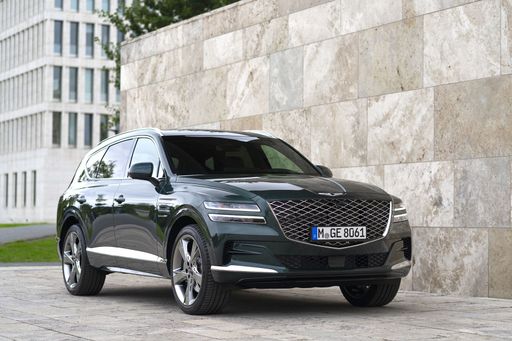
GV80

The Battle of Luxurious SUVs: Mazda CX-80 vs. Genesis GV80

In the ever-growing segment of luxury SUVs, two models are currently capturing significant attention: the Mazda CX-80 and the Genesis GV80. Both vehicles offer a mix of style, performance, and innovative technology. In this article, we delve into a comparative analysis, focusing on what sets them apart and which might be the better choice for potential buyers.
CX-80

Engine Performance and Efficiency

The Mazda CX-80 comes with versatile engine options, including a Plugin Hybrid and Diesel Mild-Hybrid Electric Vehicle (MHEV) setup. The Plugin Hybrid variant delivers 327 HP, while the Diesel variant offers 254 HP, with a noteworthy fuel consumption rate of just 1.6 L/100 km and 5.7 L/100 km respectively. This model shines with its impressive electric range of 60 km, catering to eco-conscious drivers.

In contrast, the Genesis GV80 offers a traditional internal combustion choice between Petrol and Diesel engines. Power output is slightly lower with the Petrol engine at 304 HP and Diesel at 272 HP. Its consumption figures stand at 10.8 L/100 km for petrol and 8.8 L/100 km for diesel, reflecting its emphasis on performance. However, its CO2 efficiency rating of 'G' indicates a less environmentally friendly footprint compared to the CX-80.

GV80

Acceleration and Speed

Regarding performance metrics, both SUVs exhibit quick acceleration. The CX-80 reaches 100 km/h in 6.8 seconds for its most powerful engine variant, while the GV80 follows closely behind at 6.9 seconds. When it comes to top speed, the Genesis GV80 provides a thrilling ride with max speeds of up to 237 km/h, whereas the CX-80 peaks at 219 km/h.

CX-80

Interior Comfort and Capacity

Interior space is a key consideration for SUV buyers. The Mazda CX-80 seats seven, emphasizing family-friendly accommodation. Despite its focus on seating capacity, the trunk space is somewhat limited at 258 liters, which could be a downside for those needing more cargo space.

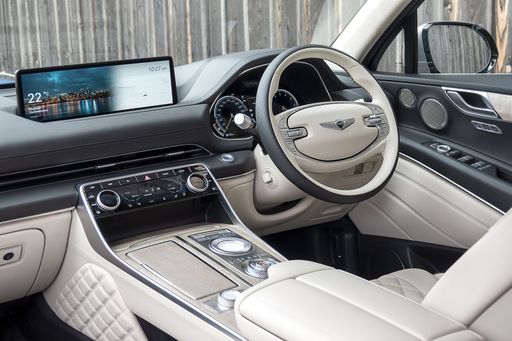
The Genesis GV80 offers flexibility with seating configurations that include 5, 6, or 7-seat arrangements, and it excels in cargo space with up to 735 liters available. The interior of the GV80 boasts premium materials and a user-centric design, aligning with its luxury branding.

GV80

Dimensions and Design

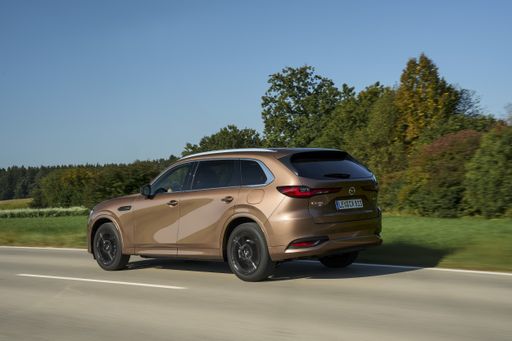
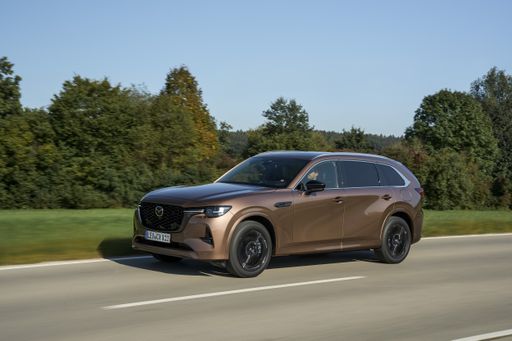
In terms of exterior dimensions, the Mazda CX-80 stretches slightly longer at 4995 mm and features a sleek, stylish design synonymous with Mazda's design philosophy. It is marginally narrower at 1890 mm wide compared to the GV80, suggesting easier navigation in tighter spaces.

Meanwhile, the Genesis GV80 measures 4945 mm in length and 1975 mm in width, presenting a bold and imposing presence on the road. Both SUVs stand at a similar height of around 1715 mm, but the GV80’s width contributes to a more spacious interior feel.

CX-80

Innovations and Technology

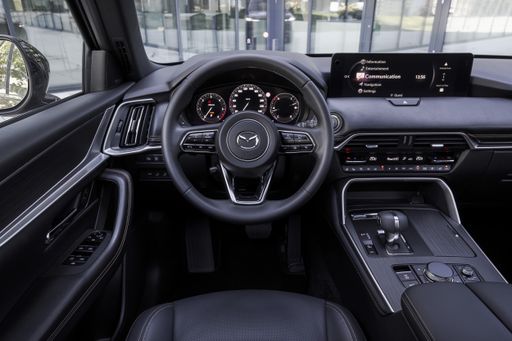
The Mazda CX-80 highlights Mazda's commitment to hybrid technology and its efficiency. Its modern infotainment system and driver-assist features make it a tech-forward choice, hinting at what the future holds for automotive advancements.

Genesis, in their GV80, focuses on total luxury and high-tech features, such as a comprehensive suite of driver-assistance technologies and a high-end infotainment setup. The overall tech package might appeal more to those looking for sophistication intertwined with innovation.

GV80

Conclusion

Choosing between the Mazda CX-80 and the Genesis GV80 ultimately depends on the prioritization of eco-friendliness versus luxury and performance. The CX-80 is ideal for environmentally conscious individuals who appreciate hybrid efficiency, while the GV80 caters to those who desire traditional luxury coupled with robust performance. Both SUVs offer distinct advantages, ensuring that no matter the choice, drivers will own a vehicle at the pinnacle of modern automotive engineering.

Here’s where it gets real: The technical differences in detail

GV80

Costs and Efficiency:

Looking at overall running costs, both models reveal some interesting differences in everyday economy.

Mazda CX-80 is markedly cheaper – starting at 49,300 £ , while the Genesis GV80 costs 59,400 £ . That’s a price difference of around 10,054 £.

Fuel consumption also shows a difference: the Mazda CX-80 uses 4 L/100km and is clearly more efficient than the Genesis GV80 with 8.8 L/100km. The difference is about 4.8 L/100km.

CX-80

Engine and Performance:

Under the bonnet, it becomes clear which model is tuned for sportiness and which one takes the lead when you hit the accelerator.

When it comes to engine power, the Mazda CX-80 offers very slightly more power – delivering 327 HP compared to 304 HP. That’s roughly 23 HP more horsepower.

When accelerating from 0 to 100 km/h, the Mazda CX-80 is very slightly quicker – completing the sprint in 6.8 s, while the Genesis GV80 takes 6.9 s. That’s about 0.1 s quicker.

There’s also a difference in torque: the Genesis GV80 delivers marginally more torque with 588 Nm compared to 550 Nm. That’s about 38 Nm more.

GV80

Space and Everyday Use:

Beyond pure performance, interior space and usability matter most in daily life. This is where you see which car is more practical and versatile.

Both vehicles offer seating for 7 people.

In terms of curb weight, Mazda CX-80 is marginally lighter – 2,131 kg compared to 2,155 kg. The difference is around 24 kg.

Looking at boot space, the Genesis GV80 offers considerably more boot space – 735 L compared to 258 L. That’s a difference of about 477 L.

When it comes to payload, the Genesis GV80 carries marginally more – 690 kg compared to 650 kg. That’s a difference of about 40 kg.

Who wins the race in the data check?

The Mazda CX-80 is far ahead overall in the objective data comparison.
This result only shows which model scores more points on paper – not which of the two cars feels right for you.

from £49,300
CX-80

Mazda CX-80

  • Engine Type : Plugin Hybrid, Diesel MHEV
  • Transmission : Automatic
  • Drive Type : All-Wheel Drive
  • Power HP : 254 - 327 HP
  • Consumption L/100km : 4 - 5.6 L/100km
  • Electric Range : 60 km
Genesis GV80
Mazda CX-80

Costs and Consumption

View detailed analysis

Engine and Performance

View detailed analysis

Dimensions and Body

View detailed analysis

Genesis GV80

The Genesis GV80 feels like a boutique hotel on wheels, with striking looks and an interior that wraps you in plush materials and thoughtful details. It pairs a serenely composed ride with clever tech, making it the kind of luxury SUV that lets you enjoy the good life without shouting about the badge.

details

Mazda CX-80

The Mazda CX-80 brings polished, near-premium styling and a cabin that feels far classier than its badge might imply. It steers with a composed, engaging character and packs the sensible practicality families want — with just enough flair to make school runs feel a little less ordinary.

details
Genesis GV80
Mazda CX-80

Costs and Consumption

Price
59,400 - 75,600 £
Price
49,300 - 61,400 £
Consumption L/100km
8.8 - 10.8 L/100km
Consumption L/100km
4 - 5.6 L/100km
Consumption kWh/100km
-
Consumption kWh/100km
-
Electric Range
-
Electric Range
60 km
Battery Capacity
-
Battery Capacity
-
co2
231 - 241 g/km
co2
91 - 146 g/km
Fuel tank capacity
80 L
Fuel tank capacity
-

Dimensions and Body

Body Type
SUV
Body Type
SUV
Seats
5 - 7
Seats
7
Doors
5
Doors
-
Curb weight
2,155 - 2,325 kg
Curb weight
2,131 - 2,240 kg
Trunk capacity
727 - 735 L
Trunk capacity
258 L
Length
4,945 mm
Length
-
Width
1,975 mm
Width
1,890 mm
Height
1,715 mm
Height
-
Max trunk capacity
2,144 - 2,152 L
Max trunk capacity
-
Payload
660 - 690 kg
Payload
649 - 650 kg

Engine and Performance

Engine Type
Petrol, Diesel
Engine Type
Plugin Hybrid, Diesel MHEV
Transmission
Automatic
Transmission
Automatic
Transmission Detail
Automatic Gearbox
Transmission Detail
Automatic Gearbox
Drive Type
All-Wheel Drive
Drive Type
All-Wheel Drive
Power HP
272 - 304 HP
Power HP
254 - 327 HP
Acceleration 0-100km/h
6.9 s
Acceleration 0-100km/h
6.8 - 8.4 s
Max Speed
230 - 237 km/h
Max Speed
-
Torque
422 - 588 Nm
Torque
500 - 550 Nm
Number of Cylinders
4 - 6
Number of Cylinders
4 - 6
Power kW
200 - 224 kW
Power kW
187 - 241 kW
Engine capacity
2,497 - 2,996 cm3
Engine capacity
2,488 - 3,283 cm3

General

Model Year
2,021 - 2,022
Model Year
2025
CO2 Efficiency Class
G
CO2 Efficiency Class
B, E
Brand
Genesis
Brand
Mazda
DriveDuel uses data analysis and artificial intelligence to evaluate vehicle data and create content. Content is regularly reviewed and improved. The displayed prices are estimates based on German list prices, adjusted to the respective country’s VAT. Country-specific registration taxes are not included. This information is not legally binding.