VS

Honda Jazz vs Kia Niro comparison

Compare performance (122 HP vs 138 HP), boot space and price (22,200 £ vs 29,100 £ ) at a glance. Find out which car is the better choice for you – Honda Jazz or Kia Niro?

Honda Jazz vs Kia Niro: Key differences

Honda Jazz

4.5 (5 Reviews)
rate
  • visibly cheaper
  • slightly quicker 0–100 km/h
  • somewhat lighter
details

Kia Niro

4.5 (3 Reviews)
rate
  • moderately more power
  • visibly more trunk space
details

All details on performance, efficiency, range and trunk space can be found in the technical comparison below – including user reviews for both models.

By Achim Sedelmaier

Jazz

Honda Jazz VS Kia Niro: a quick read for shoppers

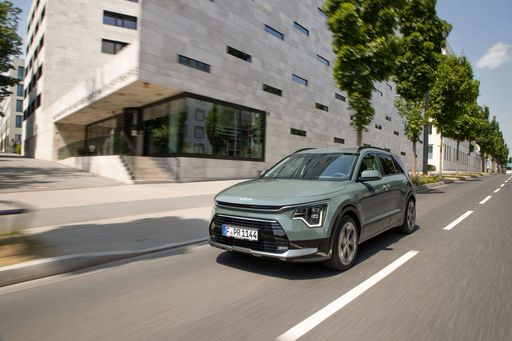
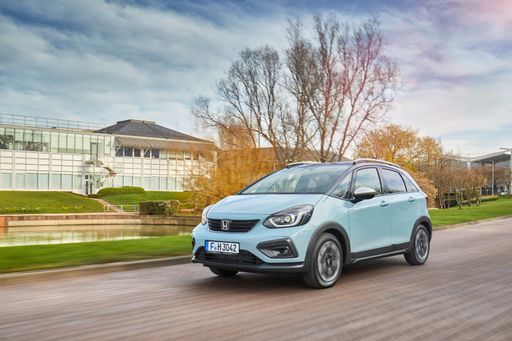
The Honda Jazz and the Kia Niro sit at two different points on the practical‑car spectrum, and this matchup makes those differences obvious. The Honda Jazz feels like a city specialist that stretches its small footprint into surprising interior space, while the Kia Niro presents itself as a compact SUV built around low running costs and a calmer long‑distance demeanor. Choosing between the Honda Jazz and the Kia Niro is largely a matter of whether you prioritise clever interior flexibility and tight urban handling or prioritise roomy presence, technical choice of electrified drivetrains and motorway composure. Expect the Jazz to win in tight parking garages and variable cargo chores, and the Niro to win on long commutes, family trips and total cost of ownership calculations.
Niro

Character and driving feel

The Honda Jazz drives light and easy, rewarding low‑speed manoeuvres and drivers who value visibility and immediate responses in town, whereas the Kia Niro leans into a settled, composed SUV character that masks its weight and masks urban shoves with calmness. In everyday city traffic the Jazz’s quick reflexes and upright seating make it feel smaller than it is; the Niro’s higher ride and softer initial response feel more insulated but less agile. When you press on, the Jazz’s powertrain becomes noticeably strained and vocal compared with the Niro’s more effortless, muscled feel, so overtaking and motorway on‑ramps expose the trade‑off between nimbleness and reserve. Steering in the Jazz is direct and confidence‑boosting at low speeds; the Niro’s setup is more neutral and relaxed, better for cruising than carving.

Jazz

Comfort and long‑distance behavior

For short trips and stop‑start commuting the Honda Jazz feels relaxed and welcoming, with easy entry and a high seating position that reduces stress, but on long motorway runs the Jazz’s drivetrain can become louder and less economical. The Kia Niro is tuned for composure over distance: its suspension and insulation give a steadier feel on motorways even though tyre and wind noise can be more noticeable at higher speeds. Jazz seats are comfortable and practical for daily use but lack the firm long‑haul support some travellers prefer, while Niro’s seats and calmer power delivery make it the more comfortable companion for extended trips. If your driving is split between tight urban errands and regular 200–300 km runs, you’ll feel that dichotomy clearly between the two cars.

Niro

Practicality and everyday usability

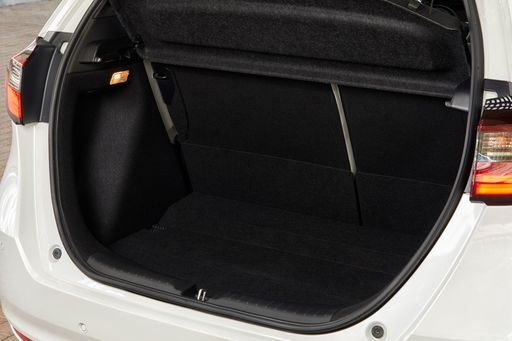
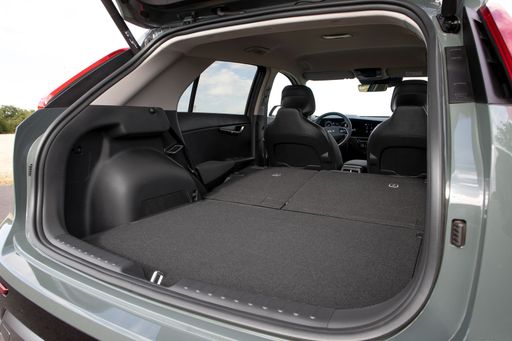
The Honda Jazz makes its practicality obvious in everyday tasks — low loading sill, a flat rear floor and the clever folding "magic" seats turn awkward cargo into solved problems in seconds, whereas the Kia Niro trades that flexible cabin for a more conventional SUV luggage area and generally higher load lip. The Kia Niro offers more presence and a layout that suits four adults travelling comfortably, and certain electrified Niro versions even add storage cleverness like a small front trunk, but the taller boot entry and simplified cover can make loading heavy objects slightly more work. For families with pushchairs, odd‑shaped loads or people who rearrange interiors frequently, the Jazz’s packaging beats the Niro’s SUV practicality at day‑to‑day chores. Conversely, if you routinely carry heavier payloads or want a more substantial boot on long trips, the Niro’s layout will feel more composed and capacity‑oriented.

Jazz

Cabin feel, tech and perceived quality

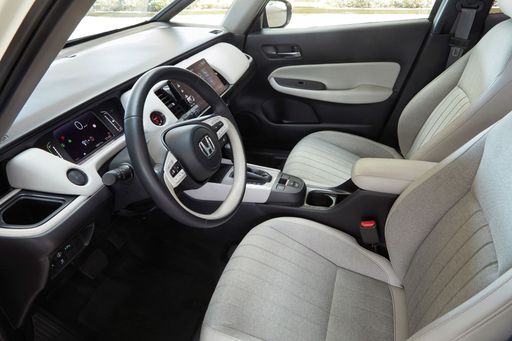
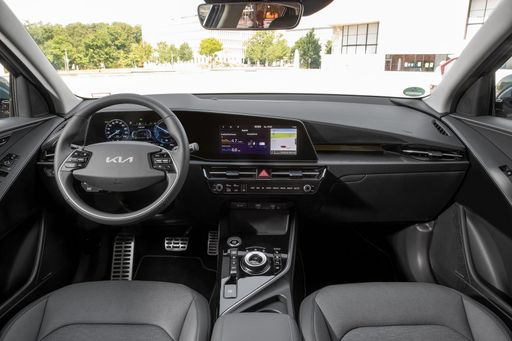
The Honda Jazz cabin reads practical and robust: big windows, simple switchgear and tactile climate controls make it easy to live with, while the Kia Niro leans on a more modern cockpit with larger displays, clearer menus and a chunkier tech feel. Jazz primary contact points feel solid and durable, projecting long‑term reliability, but its infotainment can feel slower than the Niro’s snappier interface and the Jazz lacks some of the glossy polish found in the Niro. The Kia Niro’s materials and trims come across as more contemporary and feature‑rich, and the long manufacturer warranty adds a layer of reassurance that the Jazz competes with by being straightforward and well built. If you want gadgetry, a modern dashboard and a feeling of up‑to‑date tech, the Niro will impress; if you prefer intuitive controls and an airy, low‑stress cabin, the Jazz will win your daily affection.

Niro

Who should pick which car?

Buyers who spend most of their miles in the city, need the most flexible interior for odd jobs and value effortless parking and visibility will find the Honda Jazz a more natural fit, whereas those who prioritise longer runs, multiple electrified powertrain choices and a more composed touring experience will lean toward the Kia Niro. The Honda Jazz suits pragmatic singles, couples and young families who want clever packaging and low urban running costs; the Kia Niro suits small families or commuters who want extra reserve, tech features and a reassuring warranty. Price sensitivity, frequent long distances and preference for a modern SUV stance push buyers toward the Niro, while maximum interior utility from a small footprint and the pure ease of city driving point to the Jazz. Below this editorial comparison you’ll find the technical breakdown that spells out the measurable differences and helps you match spec to your priorities.

Here’s where it gets real: The technical differences in detail

Jazz

Costs and Efficiency:

When it comes to price and running costs, the biggest differences usually appear. This is often where you see which car fits your budget better in the long run.

Honda Jazz is visibly cheaper – starting at 22,200 £ , while the Kia Niro costs 29,100 £ . That’s a price difference of around 6,934 £.

Both cars consume an average of 4.5 L/100km – no difference here.

Niro

Engine and Performance:

Under the bonnet, it becomes clear which model is tuned for sportiness and which one takes the lead when you hit the accelerator.

When it comes to engine power, the Kia Niro offers moderately more power – delivering 138 HP compared to 122 HP. That’s roughly 16 HP more horsepower.

When accelerating from 0 to 100 km/h, the Honda Jazz is slightly quicker – completing the sprint in 9.4 s, while the Kia Niro takes 11.1 s. That’s about 1.7 s quicker.

There’s also a difference in torque: the Kia Niro delivers barely more torque with 265 Nm compared to 253 Nm. That’s about 12 Nm more.

Jazz

Space and Everyday Use:

Whether family car or daily driver – which one offers more room, flexibility and comfort?

Both vehicles offer seating for 5 people.

In terms of curb weight, Honda Jazz is somewhat lighter – 1,302 kg compared to 1,474 kg. The difference is around 172 kg.

Looking at boot space, the Kia Niro offers visibly more boot space – 451 L compared to 304 L. That’s a difference of about 147 L.

When it comes to payload, the Kia Niro carries moderately more – 466 kg compared to 388 kg. That’s a difference of about 78 kg.

Who wins the race in the data check?

The Kia Niro holds a slight edge in the objective data comparison.
This result only shows which model scores more points on paper – not which of the two cars feels right for you.

from £29,100
Niro

Kia Niro

  • Engine Type Full Hybrid
  • Transmission Automatic
  • Drive Type Front-Wheel Drive
  • Power HP 138 HP
  • Consumption L/100km 4.5 - 4.9 L/100km
Honda Jazz
Kia Niro

Costs and Consumption

View detailed analysis

Engine and Performance

View detailed analysis

Dimensions and Body

View detailed analysis

Honda Jazz

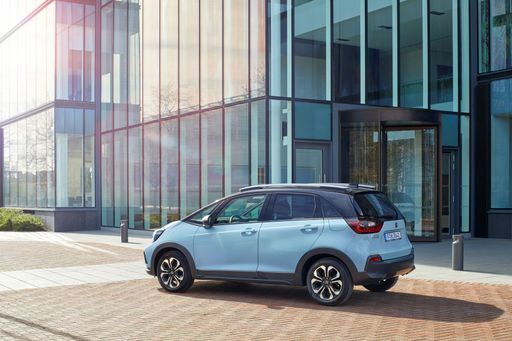
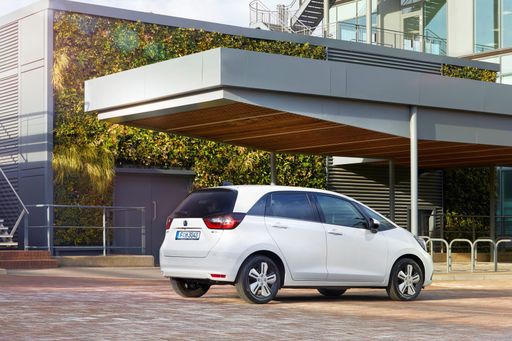
The Honda Jazz is a supremely practical small hatch that hides clever packaging and more usable space than it lets on, with friendly styling and an unfussy charm. It’s economical to run, easy to park and perfect for buyers who want reliable, versatile daily motoring without the hassle.

details

Kia Niro

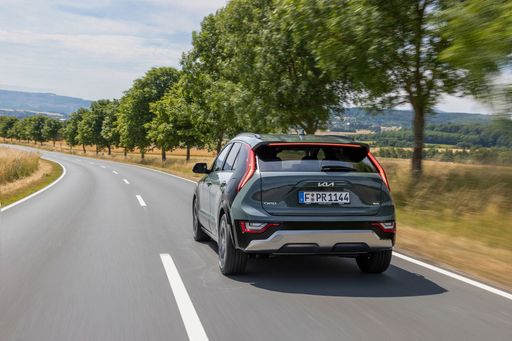
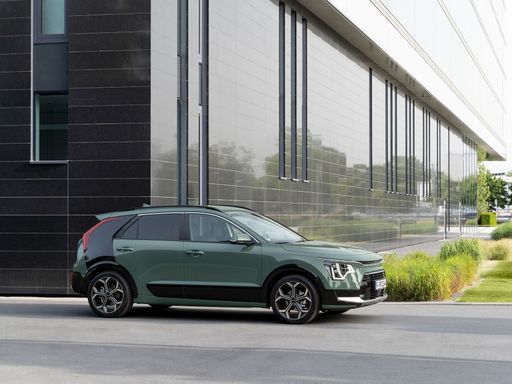
The Kia Niro is a practical crossover that blends economy and everyday versatility without sacrificing comfort. With a roomy, well-laid-out cabin and calm, composed handling, it’s an easy-to-live-with choice for commuters and families.

details
Honda Jazz
Kia Niro

Costs and Consumption

Price
22,200 - 25,900 £
Price
29,100 - 33,800 £
Consumption L/100km
4.5 - 4.8 L/100km
Consumption L/100km
4.5 - 4.9 L/100km
Consumption kWh/100km
-
Consumption kWh/100km
-
Electric Range
-
Electric Range
-
Battery Capacity
-
Battery Capacity
-
co2
102 - 108 g/km
co2
102 - 111 g/km
Fuel tank capacity
-
Fuel tank capacity
-

Dimensions and Body

Body Type
Hatchback
Body Type
SUV
Seats
5
Seats
5
Doors
-
Doors
-
Curb weight
1,302 - 1,321 kg
Curb weight
1,474 kg
Trunk capacity
304 L
Trunk capacity
451 L
Length
-
Length
-
Width
1,694 mm
Width
1,825 mm
Height
-
Height
-
Max trunk capacity
-
Max trunk capacity
-
Payload
369 - 388 kg
Payload
466 kg

Engine and Performance

Engine Type
Full Hybrid
Engine Type
Full Hybrid
Transmission
Automatic
Transmission
Automatic
Transmission Detail
Automatic Gearbox
Transmission Detail
Dual-Clutch Automatic
Drive Type
Front-Wheel Drive
Drive Type
Front-Wheel Drive
Power HP
122 HP
Power HP
138 HP
Acceleration 0-100km/h
9.4 - 9.7 s
Acceleration 0-100km/h
11.1 - 11.4 s
Max Speed
-
Max Speed
-
Torque
253 Nm
Torque
265 Nm
Number of Cylinders
4
Number of Cylinders
4
Power kW
90 kW
Power kW
102 kW
Engine capacity
1,498 cm3
Engine capacity
1,580 cm3

General

Model Year
2025
Model Year
2025
CO2 Efficiency Class
C
CO2 Efficiency Class
C
Brand
Honda
Brand
Kia
DriveDuel uses data analysis and artificial intelligence to evaluate vehicle data and create content. Content is regularly reviewed and improved. The displayed prices are estimates based on German list prices, adjusted to the respective country’s VAT. Country-specific registration taxes are not included. This information is not legally binding.