VS

Honda ZR-V vs Ford Kuga comparison

Compare performance (184 HP vs 243 HP), boot space and price (35,100 £ vs 34,200 £ ) at a glance. Find out which car is the better choice for you – Honda ZR-V or Ford Kuga?

Honda ZR-V vs Ford Kuga: Key differences

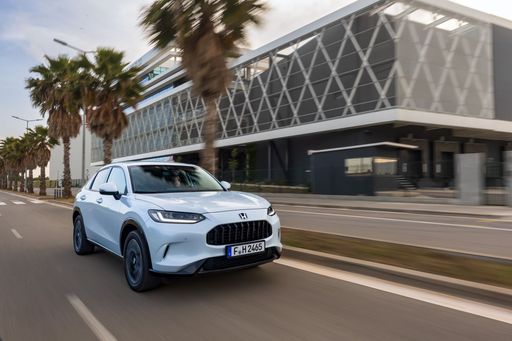
Honda ZR-V

4.8 (7 Reviews)
rate
details

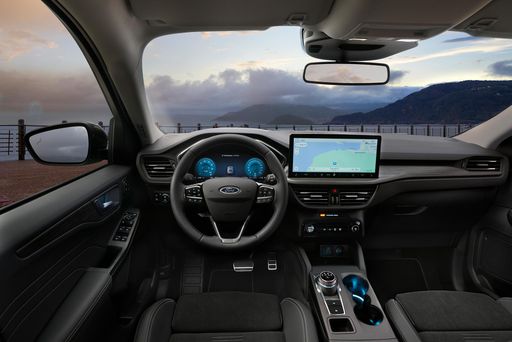
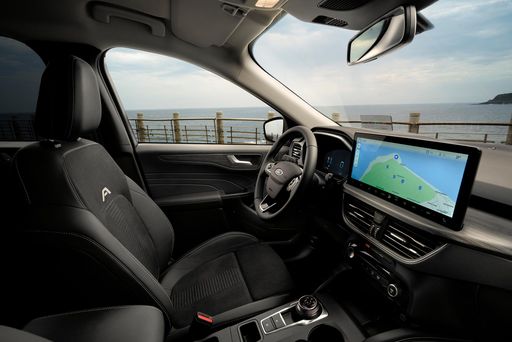
Ford Kuga

4.3 (7 Reviews)
rate
  • marginally cheaper
  • markedly more power
  • considerably more efficient
  • very slightly quicker 0–100 km/h
  • very slightly lighter
details

All details on performance, efficiency, range and trunk space can be found in the technical comparison below – including user reviews for both models.

By Achim Sedelmaier

ZR-V

Ford Kuga vs Honda ZR-V: A Clash of Modern SUVs

The SUV market is teeming with competitors, but a standout match is the Ford Kuga against the Honda ZR-V. Each brings a unique set of strengths to the table, reflecting their manufacturers' commitment to innovation, performance, and efficiency. This article delves into the technical aspects and innovations found in these two vehicles to help you decide which might suit your needs best.
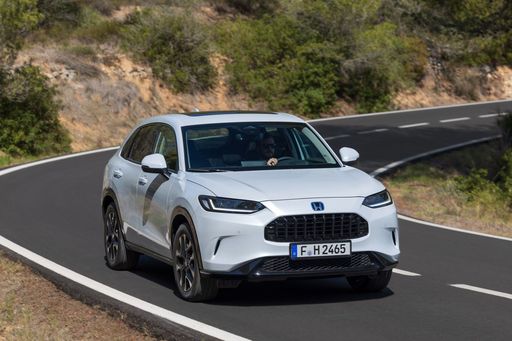
Kuga

Engine and Performance

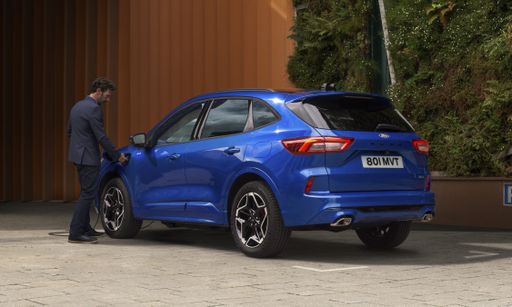
Both the Ford Kuga and the Honda ZR-V feature advanced hybrid engine technology, but they are distinct in their offerings. The Ford Kuga provides a selection of engine types, including petrol, full hybrid, and plug-in hybrid variants. Its top-performing model offers a maximum of 243 HP, enabling acceleration from 0-100 km/h in just 7.3 seconds, with a top speed of 200 km/h.

The Honda ZR-V, on the other hand, is exclusively available as a full hybrid, producing a commendable 184 HP, pushing the vehicle to 100 km/h in about 7.9 seconds. With a top speed of 173 km/h, the ZR-V offers a balanced performance for daily driving and efficiency with consumption levels as low as 5.7 L/100km.

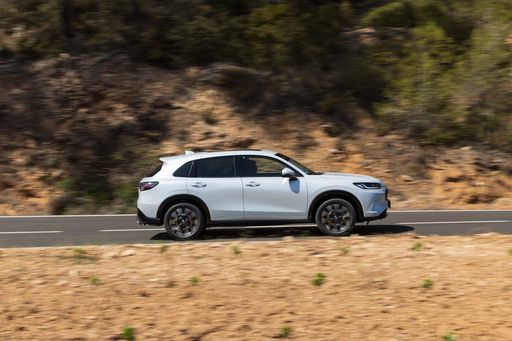
ZR-V

Fuel Efficiency and Environmental Impact

Fuel consumption and CO2 emissions are crucial components for eco-conscious buyers. The Ford Kuga plug-in hybrid boasts a remarkable electric range of 69 km and a fuel consumption of just 0.9 L/100km under optimal conditions. Its CO2 emissions can be as low as 20 g/km, highlighting its efficiency.

Meanwhile, the Honda ZR-V stands as a strong contender with its full hybrid engine demonstrating fuel consumption as low as 5.7 L/100km and CO2 emissions around 130 g/km, appealing to those looking for an environmentally friendly drive.

Kuga

Design and Dimensions

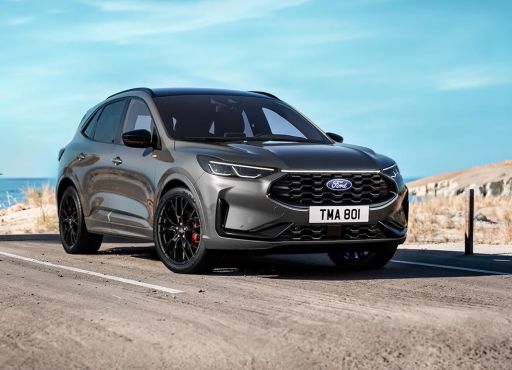
The Ford Kuga's design emphasizes spaciousness and utility, measuring between 4604 mm to 4645 mm in length, offering ample boot space of 412 liters, perfect for families and adventurers alike. At a width of 1882 mm and a height range between 1673 mm to 1681 mm, the Kuga provides a commanding road presence.

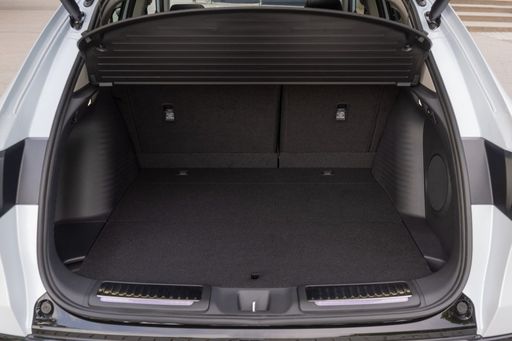
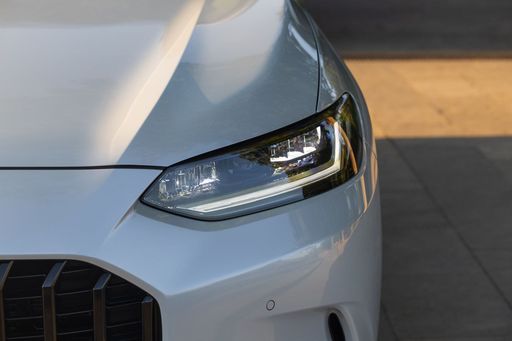
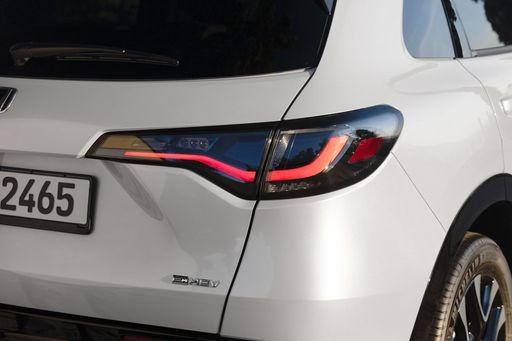
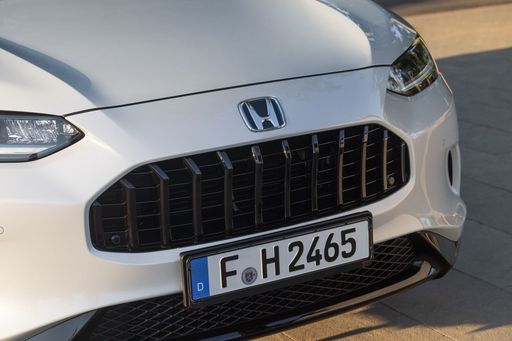
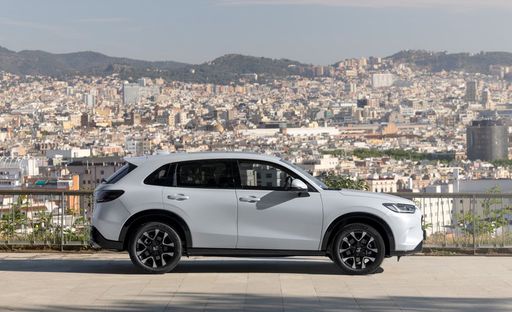
The Honda ZR-V, slightly more compact, offers a length of 4568 mm, width of 1840 mm, and a height of 1613 mm, making it agile and versatile in urban environments. Its trunk ranges up to 380 liters, ensuring sufficient room for cargo.

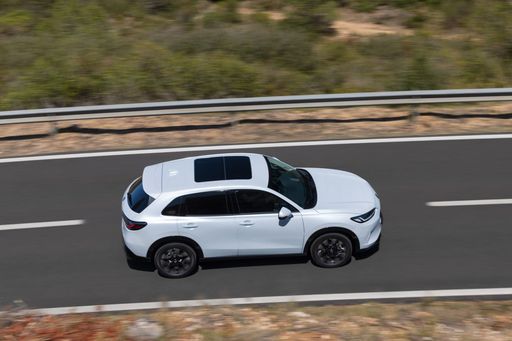
ZR-V

Technological Features and Innovations

When it comes to technology, both brands have pushed the boundaries. The Ford Kuga offers cutting-edge features across its variants, including an advanced infotainment system and an array of safety technologies. Its varying drive types, from front-wheel to all-wheel, add to its versatility.

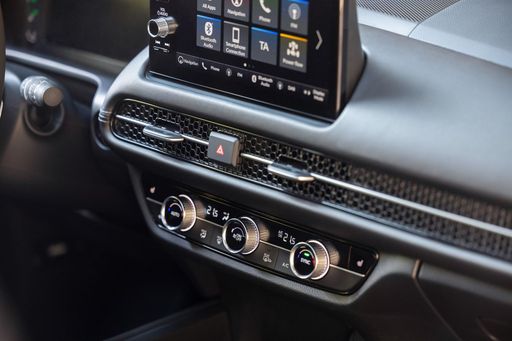
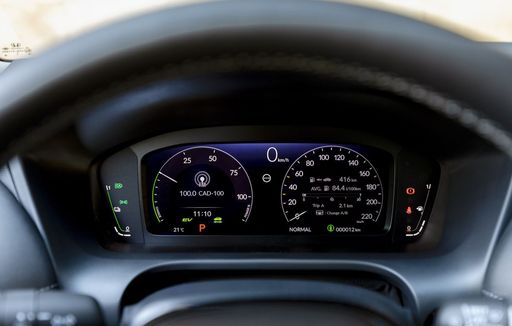
The Honda ZR-V is no slouch in technology either, boasting a seamless hybrid system that provides a smooth driving experience, complete with advanced driver-assistance systems for increased safety on the road. While offering only front-wheel drive, it ensures a competent ride throughout.

Kuga

Conclusion

Choosing between the Ford Kuga and the Honda ZR-V involves balancing your priorities. The Kuga shines with its range of powertrains and electric offering, ideal for those who prioritize performance and eco-friendly driving options, complemented by its substantial size and versatility. The ZR-V, with its strong hybrid performance, compact agility, and advanced technology, appeals to drivers seeking reliability and efficiency in a more urban-friendly package. Both vehicles exemplify modern automotive innovation, leaving the choice to your unique preferences and lifestyle needs.

Here’s where it gets real: The technical differences in detail

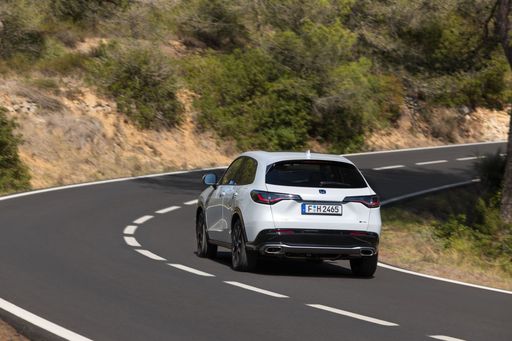
ZR-V

Costs and Efficiency:

Looking at overall running costs, both models reveal some interesting differences in everyday economy.

Ford Kuga is marginally cheaper – starting at 34,200 £ , while the Honda ZR-V costs 35,100 £ . That’s a price difference of around 815 £.

Fuel consumption also shows a difference: the Ford Kuga uses 2.8 L/100km and is considerably more efficient than the Honda ZR-V with 5.7 L/100km. The difference is about 2.9 L/100km.

Kuga

Engine and Performance:

Power, torque and acceleration say a lot about how a car feels on the road. This is where you see which model delivers more driving dynamics.

When it comes to engine power, the Ford Kuga offers markedly more power – delivering 243 HP compared to 184 HP. That’s roughly 59 HP more horsepower.

When accelerating from 0 to 100 km/h, the Ford Kuga is very slightly quicker – completing the sprint in 7.3 s, while the Honda ZR-V takes 7.8 s. That’s about 0.5 s quicker.

There’s also a difference in torque: the Honda ZR-V delivers visibly more torque with 315 Nm compared to 240 Nm. That’s about 75 Nm more.

ZR-V

Space and Everyday Use:

Cabin size, boot volume and payload all play a role in everyday practicality. Here, comfort and flexibility make the difference.

Both vehicles offer seating for 5 people.

In terms of curb weight, Ford Kuga is very slightly lighter – 1,526 kg compared to 1,660 kg. The difference is around 134 kg.

When it comes to payload, the Ford Kuga carries slightly more – 550 kg compared to 455 kg. That’s a difference of about 95 kg.

Who wins the race in the data check?

The Ford Kuga is clearly superior overall in the objective data comparison.
This result only shows which model scores more points on paper – not which of the two cars feels right for you.

from £34,200
Kuga

Ford Kuga

  • Engine Type Petrol, Full Hybrid, Plugin Hybrid
  • Transmission Manuel, Automatic
  • Drive Type Front-Wheel Drive, All-Wheel Drive
  • Power HP 150 - 243 HP
  • Consumption L/100km 2.8 - 6.8 L/100km
  • Electric Range 68 km
Honda ZR-V
Ford Kuga

Costs and Consumption

View detailed analysis

Engine and Performance

View detailed analysis

Dimensions and Body

View detailed analysis

Honda ZR-V

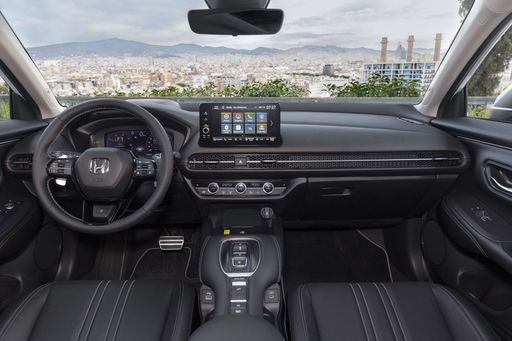
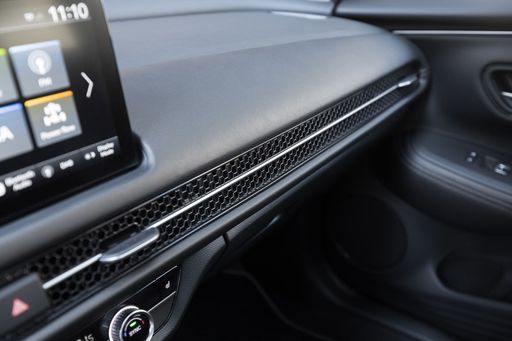
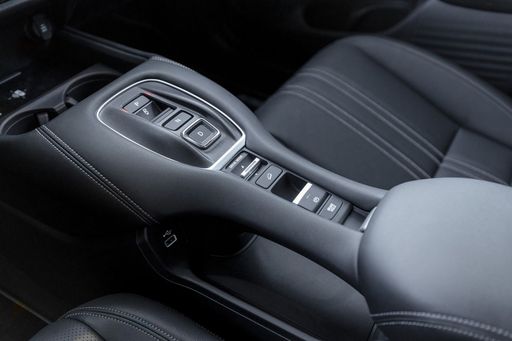
The Honda ZR-V blends smart practicality with sharper styling than you might expect, giving buyers a calm, competent companion for daily life. Inside it's comfortable and cleverly laid out, easy to live with and never trying too hard to be exciting.

details

Ford Kuga

The Ford Kuga is a practical and comfortable compact SUV that balances everyday usability with a composed ride and adaptable interior. It offers sensible tech and safety features, making it a solid choice for families or anyone seeking a versatile, easy-to-live-with crossover.

details
Honda ZR-V
Ford Kuga

Costs and Consumption

Price
35,100 - 38,700 £
Price
34,200 - 46,300 £
Consumption L/100km
5.7 - 5.8 L/100km
Consumption L/100km
2.8 - 6.8 L/100km
Consumption kWh/100km
-
Consumption kWh/100km
-
Electric Range
-
Electric Range
68 km
Battery Capacity
-
Battery Capacity
-
co2
130 - 132 g/km
co2
55 - 154 g/km
Fuel tank capacity
-
Fuel tank capacity
-

Dimensions and Body

Body Type
SUV
Body Type
SUV
Seats
5
Seats
5
Doors
-
Doors
-
Curb weight
1,660 - 1,710 kg
Curb weight
1,526 - 1,859 kg
Trunk capacity
-
Trunk capacity
-
Length
-
Length
-
Width
1,840 mm
Width
1,882 mm
Height
-
Height
-
Max trunk capacity
-
Max trunk capacity
-
Payload
440 - 455 kg
Payload
541 - 550 kg

Engine and Performance

Engine Type
Full Hybrid
Engine Type
Petrol, Full Hybrid, Plugin Hybrid
Transmission
Automatic
Transmission
Manuel, Automatic
Transmission Detail
CVT
Transmission Detail
Manual Gearbox, CVT, Automatic Gearbox
Drive Type
Front-Wheel Drive
Drive Type
Front-Wheel Drive, All-Wheel Drive
Power HP
184 HP
Power HP
150 - 243 HP
Acceleration 0-100km/h
7.8 - 8 s
Acceleration 0-100km/h
7.3 - 9.9 s
Max Speed
-
Max Speed
-
Torque
315 Nm
Torque
240 Nm
Number of Cylinders
4
Number of Cylinders
3 - 4
Power kW
135 kW
Power kW
111 - 178 kW
Engine capacity
1,993 cm3
Engine capacity
1,496 - 2,488 cm3

General

Model Year
2025
Model Year
2025
CO2 Efficiency Class
D
CO2 Efficiency Class
E, D, B
Brand
Honda
Brand
Ford
DriveDuel uses data analysis and artificial intelligence to evaluate vehicle data and create content. Content is regularly reviewed and improved. The displayed prices are estimates based on German list prices, adjusted to the respective country’s VAT. Country-specific registration taxes are not included. This information is not legally binding.