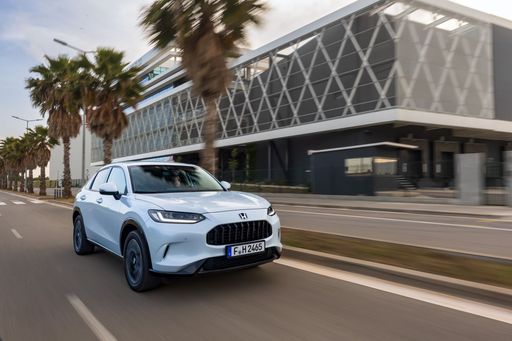
VS

Honda ZR-V vs Mazda CX-30 comparison

Compare performance (184 HP vs 186 HP), boot space and price (35,100 £ vs 25,700 £ ) at a glance. Find out which car is the better choice for you – Honda ZR-V or Mazda CX-30?

Honda ZR-V vs Mazda CX-30: Key differences

Honda ZR-V

4.8 (7 Reviews)
rate
  • barely quicker 0–100 km/h
details

Mazda CX-30

4.5 (9 Reviews)
rate
  • clearly cheaper
  • marginally more power
  • somewhat lighter
details

All details on performance, efficiency, range and trunk space can be found in the technical comparison below – including user reviews for both models.

By Achim Sedelmaier

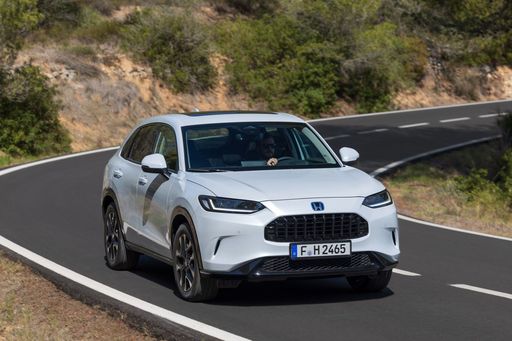
ZR-V

Comparing Dynamic Innovators: Honda ZR-V vs. Mazda CX-30

In the competitive world of compact SUVs, two models stand out for their engineering prowess and innovative features: the Honda ZR-V and the Mazda CX-30. Each brings something unique to the table, making it a challenge to choose between them. This side-by-side assessment delves into their technical aspects and innovative highlights for an insightful comparison.
CX-30

Performance and Powertrain

The Honda ZR-V is equipped with a full hybrid engine, delivering a respectable 184 horsepower and a torque of 315 Nm. Running on a front-wheel-drive platform, it offers a smooth acceleration clocking 0-100 km/h in as low as 7.9 seconds. This hybrid SUV stands out with its fuel efficiency, reporting a consumption rate between 5.7 to 5.8 L/100 km, making it an ideal choice for eco-conscious drivers.

On the other hand, the Mazda CX-30 comes with a petrol mild hybrid electric vehicle (MHEV) system. It matches the Honda ZR-V closely in power, offering up to 186 horsepower and 240 Nm of torque. It is available in both front-wheel and all-wheel drive, catering to different driving preferences. The CX-30 varies in acceleration time from 8.3 to 10.3 seconds for 0-100 km/h, depending on the chosen configuration. It displays efficient fuel usage with figures ranging from 5.7 to 6.6 L/100 km.

ZR-V

Design and Dimensions

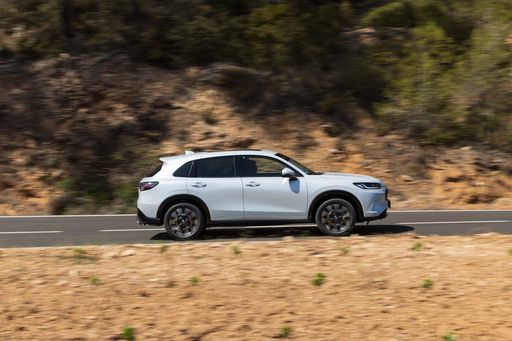
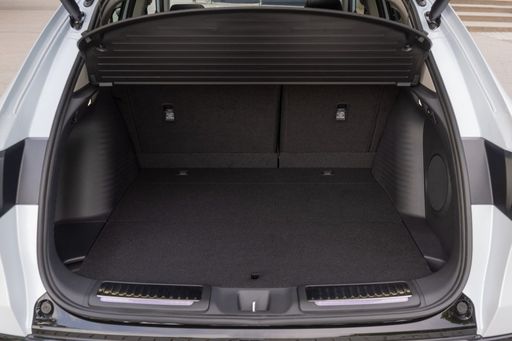
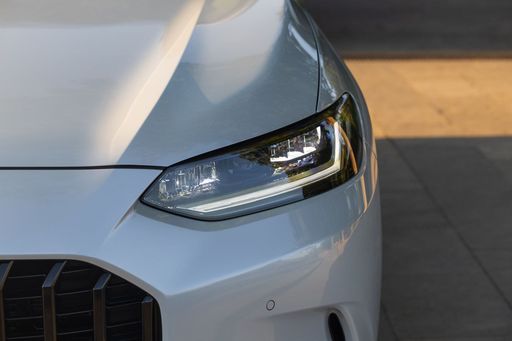
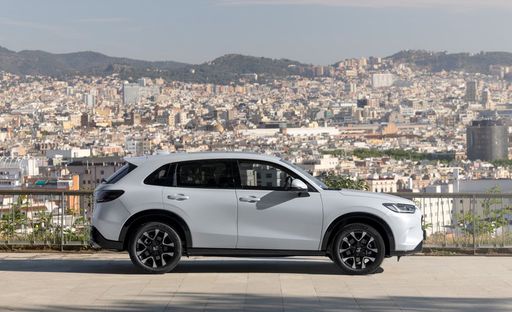
At a glance, the Honda ZR-V boasts a longer and slightly taller frame, measuring 4568 mm in length, 1840 mm in width, and 1613 mm in height. This translates to a slightly larger interior space and a trunk capacity of 370 to 380 liters.

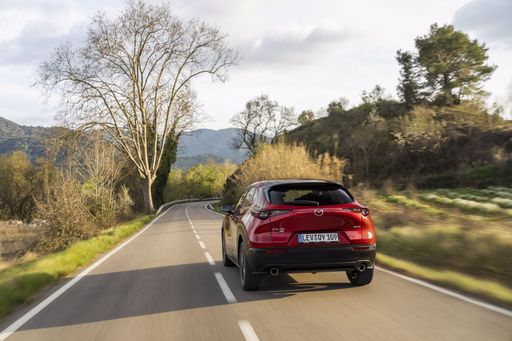
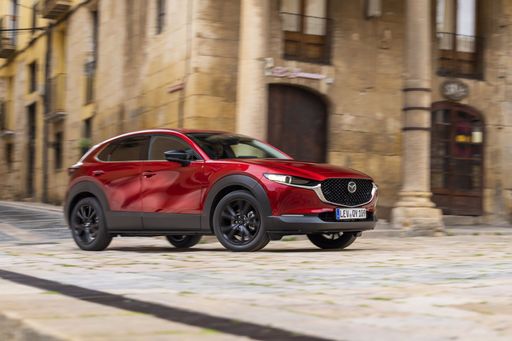
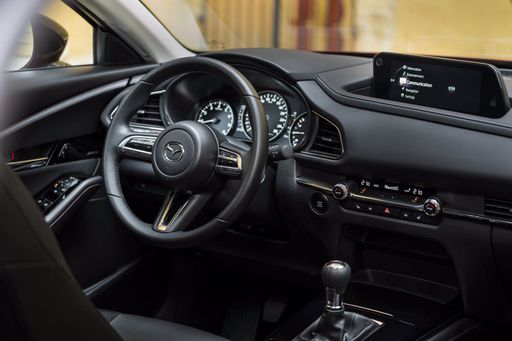
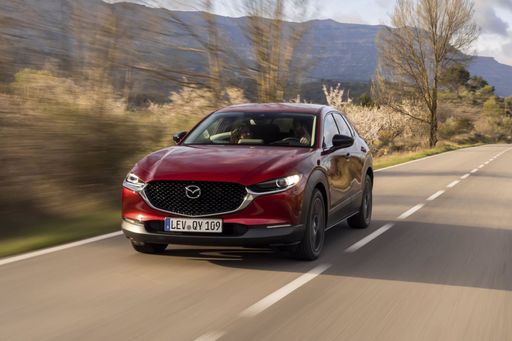
In contrast, the Mazda CX-30, while more compact with dimensions of 4395 mm in length, 1795 mm in width, and 1540 mm in height, compensates with a larger trunk capacity of 422 to 430 liters. Its stylish design integrates both urban agility and suburban comfort, which are significant draw factors for modern drivers.

CX-30

Technical Innovations

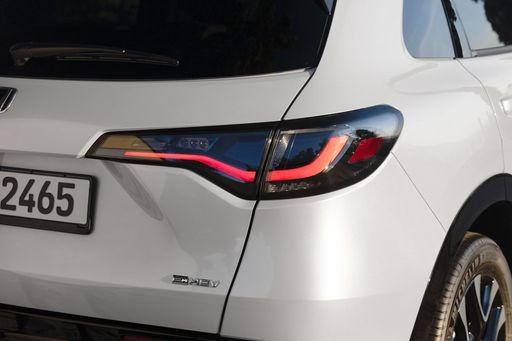
The Honda ZR-V integrates hybrid technology that seamlessly blends electrical output with traditional combustion power, optimizing fuel efficiency without sacrificing power. Coupled with its CO2 emissions rating of 130 to 132 g/km, the Honda ZR-V is a model of efficiency.

Mazda, known for its Skyactiv Technology, continues this trend with the CX-30's MHEV system. This smart technology serves as a bridge to electrification without losing the essence of driving. Its CO2 efficiency class ranges between D and E, with emissions spanning from 129 to 148 g/km.

ZR-V

Conclusion

Both the Honda ZR-V and Mazda CX-30 shine in their own rights with unique offerings tailored to specific types of drivers. The ZR-V's hybrid powertrain and efficiency champion those who prioritize eco-friendly efficiency without losing touch with power dynamics. Conversely, the CX-30's versatile drivetrain options and commitment to embracing electrification whilst maintaining traditional power principles make it appealing to drivers who desire flexibility and driving pleasure.

Here’s where it gets real: The technical differences in detail

ZR-V

Costs and Efficiency:

Looking at overall running costs, both models reveal some interesting differences in everyday economy.

Mazda CX-30 is clearly cheaper – starting at 25,700 £ , while the Honda ZR-V costs 35,100 £ . That’s a price difference of around 9,352 £.

Both cars consume an average of 5.7 L/100km – no difference here.

CX-30

Engine and Performance:

Power, torque and acceleration are the classic benchmarks for car enthusiasts – and here, some clear differences start to show.

When it comes to engine power, the Mazda CX-30 offers marginally more power – delivering 186 HP compared to 184 HP. That’s roughly 2 HP more horsepower.

When accelerating from 0 to 100 km/h, the Honda ZR-V is barely quicker – completing the sprint in 7.8 s, while the Mazda CX-30 takes 8.3 s. That’s about 0.5 s quicker.

There’s also a difference in torque: the Honda ZR-V delivers noticeably more torque with 315 Nm compared to 240 Nm. That’s about 75 Nm more.

ZR-V

Space and Everyday Use:

Cabin size, boot volume and payload all play a role in everyday practicality. Here, comfort and flexibility make the difference.

Both vehicles offer seating for 5 people.

In terms of curb weight, Mazda CX-30 is somewhat lighter – 1,455 kg compared to 1,660 kg. The difference is around 205 kg.

When it comes to payload, the Mazda CX-30 carries marginally more – 496 kg compared to 455 kg. That’s a difference of about 41 kg.

Who wins the race in the data check?

The Mazda CX-30 leads convincingly in the objective data comparison.
This result only shows which model scores more points on paper – not which of the two cars feels right for you.

from £25,700
CX-30

Mazda CX-30

  • Engine Type Petrol MHEV
  • Transmission Manuel, Automatic
  • Drive Type Front-Wheel Drive, All-Wheel Drive
  • Power HP 140 - 186 HP
  • Consumption L/100km 5.7 - 6.6 L/100km
Honda ZR-V
Mazda CX-30

Costs and Consumption

View detailed analysis

Engine and Performance

View detailed analysis

Dimensions and Body

View detailed analysis

Honda ZR-V

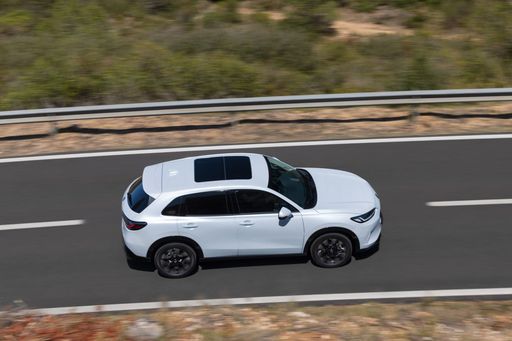
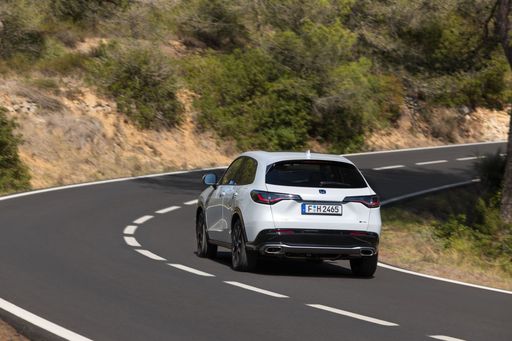
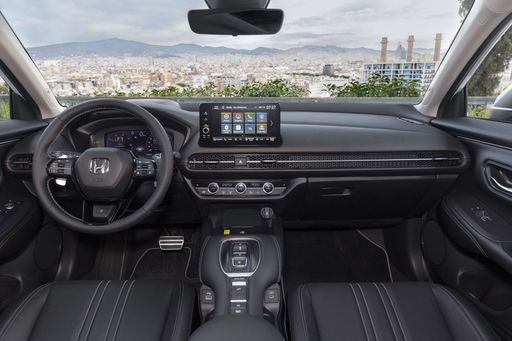
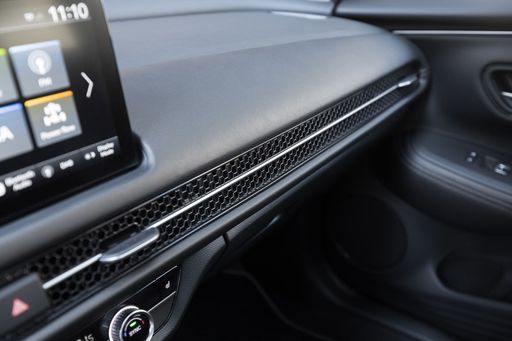
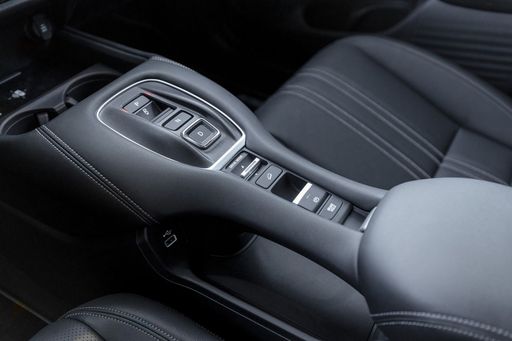
The Honda ZR-V blends smart practicality with sharper styling than you might expect, giving buyers a calm, competent companion for daily life. Inside it's comfortable and cleverly laid out, easy to live with and never trying too hard to be exciting.

details

Mazda CX-30

The Mazda CX-30 blends Mazda’s upscale styling with a compact crossover body, offering a refined interior and engaging driving dynamics. It’s a practical choice for buyers who want a premium feel and agile handling in a city-friendly package.

details
Honda ZR-V
Mazda CX-30

Costs and Consumption

Price
35,100 - 38,700 £
Price
25,700 - 37,200 £
Consumption L/100km
5.7 - 5.8 L/100km
Consumption L/100km
5.7 - 6.6 L/100km
Consumption kWh/100km
-
Consumption kWh/100km
-
Electric Range
-
Electric Range
-
Battery Capacity
-
Battery Capacity
-
co2
130 - 132 g/km
co2
129 - 148 g/km
Fuel tank capacity
-
Fuel tank capacity
-

Dimensions and Body

Body Type
SUV
Body Type
SUV
Seats
5
Seats
5
Doors
-
Doors
-
Curb weight
1,660 - 1,710 kg
Curb weight
1,455 - 1,587 kg
Trunk capacity
-
Trunk capacity
422 - 430 L
Length
-
Length
-
Width
1,840 mm
Width
1,795 mm
Height
-
Height
-
Max trunk capacity
-
Max trunk capacity
-
Payload
440 - 455 kg
Payload
458 - 496 kg

Engine and Performance

Engine Type
Full Hybrid
Engine Type
Petrol MHEV
Transmission
Automatic
Transmission
Manuel, Automatic
Transmission Detail
CVT
Transmission Detail
Manual Gearbox, Automatic Gearbox
Drive Type
Front-Wheel Drive
Drive Type
Front-Wheel Drive, All-Wheel Drive
Power HP
184 HP
Power HP
140 - 186 HP
Acceleration 0-100km/h
7.8 - 8 s
Acceleration 0-100km/h
8.3 - 10.3 s
Max Speed
-
Max Speed
-
Torque
315 Nm
Torque
238 - 240 Nm
Number of Cylinders
4
Number of Cylinders
4
Power kW
135 kW
Power kW
103 - 137 kW
Engine capacity
1,993 cm3
Engine capacity
1,998 - 2,488 cm3

General

Model Year
2025
Model Year
2025
CO2 Efficiency Class
D
CO2 Efficiency Class
D, E
Brand
Honda
Brand
Mazda
DriveDuel uses data analysis and artificial intelligence to evaluate vehicle data and create content. Content is regularly reviewed and improved. The displayed prices are estimates based on German list prices, adjusted to the respective country’s VAT. Country-specific registration taxes are not included. This information is not legally binding.