
 Deutschland
 France
 Nederland
 Great Britain
 Sverige
 Norge
Norge Danmark
 Suomi
Suomi Italia
 Polska
 España
VS
Hyundai i20 vs Porsche 911 Coupe - Differences and prices compared
Compare performance (90 HP vs 711 HP), boot space and price (18600 £ vs 116800 £ ) at a glance. Find out which car is the better choice for you – Hyundai i20 or Porsche 911 Coupe?
i20
Costs and Efficiency:
Price and efficiency are often the first things buyers look at. Here it becomes clear which model has the long-term edge – whether at the pump, the plug, or in purchase price.
Hyundai i20 has a clearly advantage in terms of price – it starts at 18600 £ , while the Porsche 911 Coupe costs 116800 £ . That’s a price difference of around 98228 £.
Fuel consumption also shows a difference: Hyundai i20 manages with 5.70 L and is therefore significantly more efficient than the Porsche 911 Coupe with 10.10 L. The difference is about 4.40 L per 100 km.
911 Coupe
Engine and Performance:
Under the bonnet, it becomes clear which model is tuned for sportiness and which one takes the lead when you hit the accelerator.
When it comes to engine power, the Porsche 911 Coupe has a convincingly edge – offering 711 HP compared to 90 HP. That’s roughly 621 HP more horsepower.
In acceleration from 0 to 100 km/h, the Porsche 911 Coupe is decisively quicker – completing the sprint in 2.50 s, while the Hyundai i20 takes 11.50 s. That’s about 9 s faster.
There’s also a difference in torque: Porsche 911 Coupe pulls significantly stronger with 800 Nm compared to 172 Nm. That’s about 628 Nm difference.
Ad · Affiliate
As an Amazon Associate, we earn from qualifying purchases.
i20
Space and Everyday Use:
Cabin size, boot volume and payload all play a role in everyday practicality. Here, comfort and flexibility make the difference.
Seats: Hyundai i20 offers somewhat more seating capacity – 5 vs 4.
In curb weight, Hyundai i20 is noticeable lighter – 1145 kg compared to 1525 kg. The difference is around 380 kg.
In terms of boot space, the Porsche 911 Coupe offers barely noticeable more room – 373 L compared to 352 L. That’s a difference of about 21 L.
When it comes to payload, Hyundai i20 noticeable takes the win – 465 kg compared to 310 kg. That’s a difference of about 155 kg.
Who wins the race in the data check?
The Hyundai i20 shows small but noticeable advantages in the objective data comparison.
This result only shows which model scores more points on paper – not which of the two cars feels right for you.
Hyundai i20
Porsche 911 Coupe
Costs and Consumption
View detailed analysis
View detailed analysis
Engine and Performance
View detailed analysis
View detailed analysis
Dimensions and Body
View detailed analysis
View detailed analysis
from about £18,600
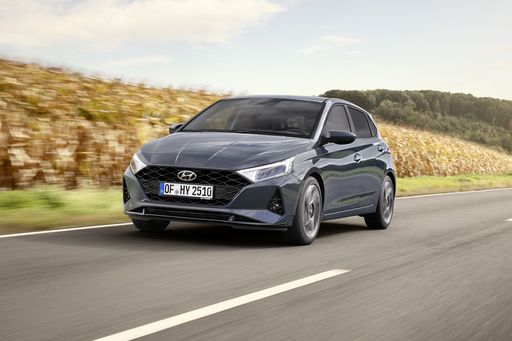
Hyundai i20
Hyundai i20
4 (1 Reviews)
The Hyundai i20 is a cheeky small car that mixes smart styling with sensible practicality, feeling more polished and roomy than you might expect for the money. It’s an easy car to live with, offering engaging handling, a comfy cabin and useful equipment that make daily commutes and weekend errands notably less dull.
details
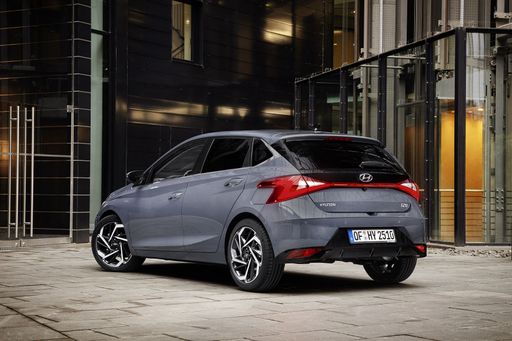
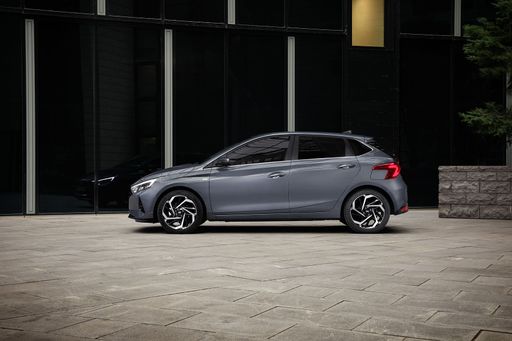
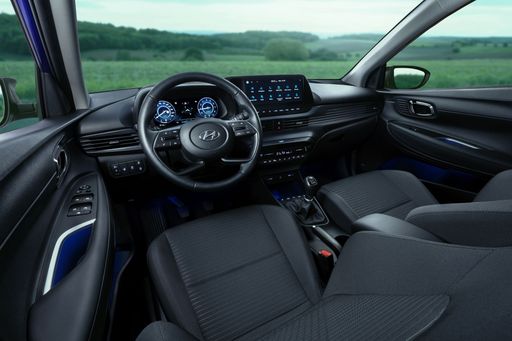

Porsche 911 Coupe
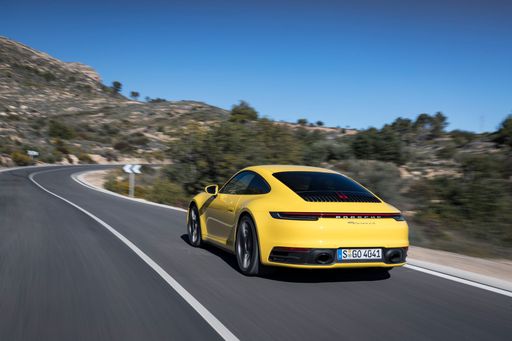
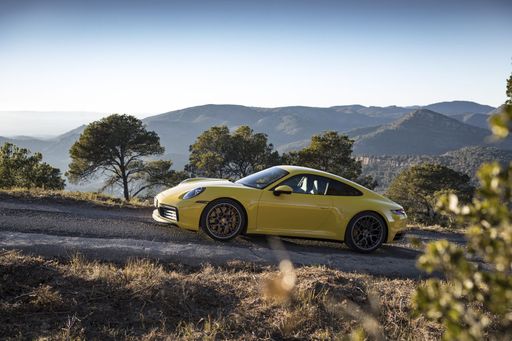
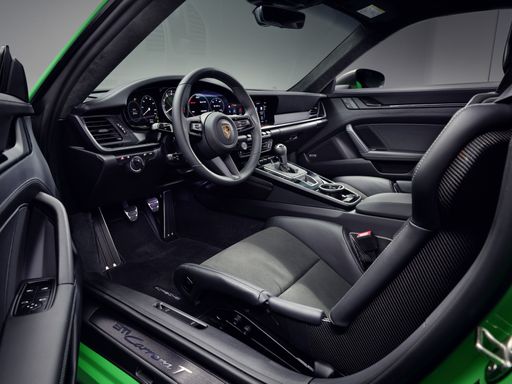
The Porsche 911 Coupe remains the iconic sports car you buy when you want a thrilling weekend weapon that still behaves like a civilized companion during the weekdays. Its classic silhouette and razor‑sharp handling deliver a grin-inducing drive every time, while the polished interior and intuitive controls remind you this is a car built for drivers, not just headlines.
details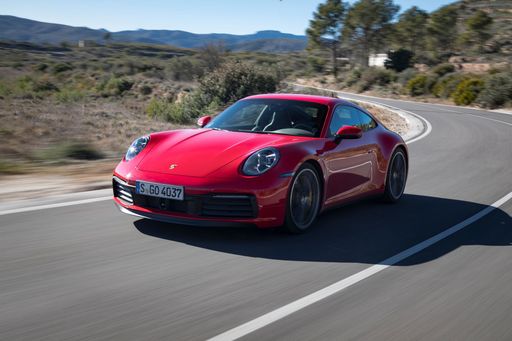
Hyundai i20
Porsche 911 Coupe
Costs and Consumption |
|
|---|---|
|
Price
18600 - 24000 £
|
Price
116800 - 234900 £
|
|
Consumption L/100km
5.70 L
|
Consumption L/100km
10.1 - 13.8 L
|
|
Consumption kWh/100km
-
|
Consumption kWh/100km
-
|
|
Electric Range
-
|
Electric Range
-
|
|
Battery Capacity
-
|
Battery Capacity
-
|
|
co2
128 - 129 g/km
|
co2
229 - 312 g/km
|
|
Fuel tank capacity
-
|
Fuel tank capacity
63 - 64 L
|
Dimensions and Body |
|
|---|---|
|
Body Type
Hatchback
|
Body Type
Coupe
|
|
Seats
5
|
Seats
2 - 4
|
|
Doors
-
|
Doors
2
|
|
Curb weight
1145 - 1170 kg
|
Curb weight
1525 - 1815 kg
|
|
Trunk capacity
352 L
|
Trunk capacity
264 - 373 L
|
|
Length
-
|
Length
4535 - 4572 mm
|
|
Width
1775 mm
|
Width
1852 - 1900 mm
|
|
Height
-
|
Height
1279 - 1322 mm
|
|
Max trunk capacity
-
|
Max trunk capacity
-
|
|
Payload
455 - 465 kg
|
Payload
205 - 310 kg
|
Engine and Performance |
|
|---|---|
|
Engine Type
Petrol
|
Engine Type
Petrol, Full Hybrid
|
|
Transmission
Manuel, Automatic
|
Transmission
Automatic, Manuel
|
|
Transmission Detail
Manual Gearbox, Dual-Clutch Automatic
|
Transmission Detail
Dual-Clutch Automatic, Manual Gearbox
|
|
Drive Type
Front-Wheel Drive
|
Drive Type
All-Wheel Drive, Rear-Wheel Drive
|
|
Power HP
90 HP
|
Power HP
394 - 711 HP
|
|
Acceleration 0-100km/h
11.5 - 12.8 s
|
Acceleration 0-100km/h
2.5 - 4.5 s
|
|
Max Speed
-
|
Max Speed
294 - 330 km/h
|
|
Torque
172 Nm
|
Torque
450 - 800 Nm
|
|
Number of Cylinders
3
|
Number of Cylinders
6
|
|
Power kW
66 kW
|
Power kW
290 - 523 kW
|
|
Engine capacity
998 cm3
|
Engine capacity
2981 - 3996 cm3
|
General |
|
|---|---|
|
Model Year
2025
|
Model Year
2022 - 2026
|
|
CO2 Efficiency Class
D
|
CO2 Efficiency Class
G
|
|
Brand
Hyundai
|
Brand
Porsche
|
What drivetrain options does the Hyundai i20 have?
The Hyundai i20 is offered with Front-Wheel Drive.
The prices shown are estimates based on German list prices, adjusted for local VAT. Local registration taxes (e.g. NoVA, BPM or CO2 malus) are not included. This information is not legally binding.