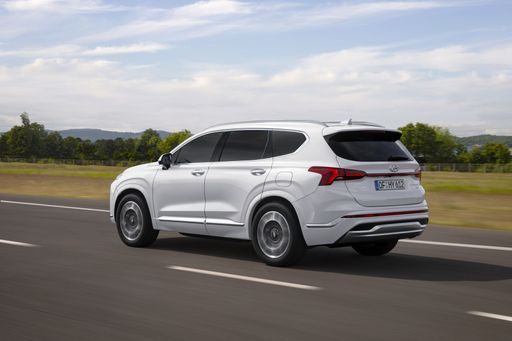
VS

Hyundai Santa Fe vs Peugeot 3008 comparison

Compare performance (288 HP vs 325 HP), boot space and price (51,700 £ vs 35,100 £ ) at a glance. Find out which car is the better choice for you – Hyundai Santa Fe or Peugeot 3008?

Hyundai Santa Fe vs Peugeot 3008: Key differences

Hyundai Santa Fe

4.7 (1 Reviews)
rate
  • markedly more trunk space

Peugeot 3008

3.4 (4 Reviews)
rate
  • clearly cheaper
  • slightly more power
  • significantly more efficient
  • clearly more electric range
  • markedly quicker 0–100 km/h
  • moderately lighter

All details on performance, efficiency, range and trunk space can be found in the technical comparison below – including user reviews for both models.

Santa Fe

A Tale of Two SUVs: Hyundai Santa Fe vs Peugeot 3008

The automotive world is fueled by competition, and few races are as thrilling as the one in the mid-size SUV segment. Today, we pit two contenders against each other: the 2024 Hyundai Santa Fe and the 2024 Peugeot 3008. Both vehicles represent a blend of innovative engineering and style, but they cater to slightly different tastes. Let's dive into the technical aspects and innovations these models bring to the table.
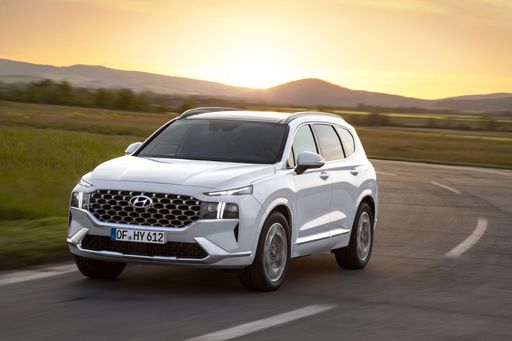
3008

Powertrains and Performance

The Hyundai Santa Fe offers versatility with its Full Hybrid and Plug-in Hybrid engine options, ranging from 215 to 253 horsepower. With an automatic gearbox, the Santa Fe provides both front-wheel and all-wheel-drive configurations, meeting various driving needs. Whether you're taking it slow with a 0-100 km/h acceleration of 9.6 seconds or hitting its top speed of 180 km/h, the Santa Fe promises a balanced performance powered by its 4-cylinder engine.

In contrast, the Peugeot 3008 boasts a diverse range of engines, including Petrol MHEV, Plug-in Hybrid, and Electric options. With a power range between 136 and 231 horsepower, the 3008 offers clever engineering with a Dual-Clutch Automatic or Reduction Gearbox leading to a swift 0-100 km/h in as little as 8.4 seconds. Reaching a maximum speed of 220 km/h, the 3008 stands out as a sporty yet efficient choice with torque peaking at 345 Nm.

Santa Fe

Fuel Efficiency and Electric Range

The Hyundai Santa Fe's hybrid powertrains achieve a consumption rate of about 6.4-6.9 L/100km, also offering a plug-in variant consuming a mere 1.7 L/100km. Its 54 km electric range ensures a decent stretch of emission-free driving.

The Peugeot 3008, on the other hand, flaunts extraordinary electric capabilities with its fully electric variant offering an impressive range of up to 698 km. Even its hybrid models present frugal consumption figures from 0.9 L/100km, and the electric variant showing 17.7-17.2 kWh/100km, solidifying its place as an eco-conscious SUV.

3008

Interior and Comfort

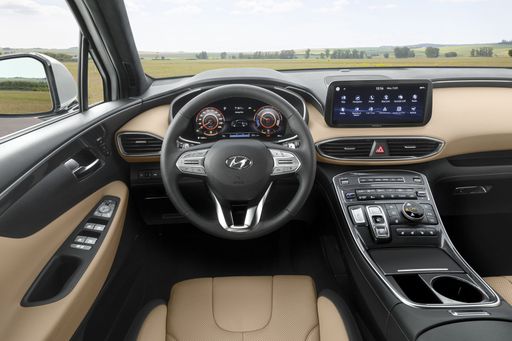
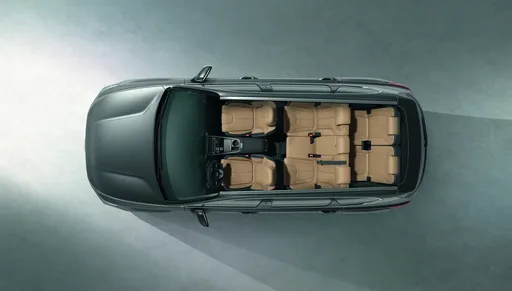
Moving to the inside, the Santa Fe presents a flexible interior space with seating configurations accommodating 5, 6, or even 7 passengers. A trunk capacity reaching 711 liters ensures plenty of room for all your cargo needs. It combines practicality with modern comforts inside its expansive frame of 4830 mm in length, 1900 mm in width, and 1720 mm in height.

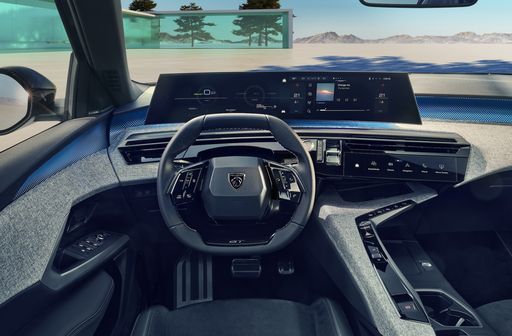
The Peugeot 3008 sticks to a 5-seater configuration while maximizing comfort and utilities within its 4542 mm length, 1895 mm width, and 1641 mm height. With a 520-liter trunk space, the 3008 might appeal to drivers who favor a compact, cozy yet stylishly modern cabin.

Santa Fe

Safety and Technology

Both SUVs come equipped with advanced safety features, ensuring peace of mind on any journey. They offer contemporary driver assistance systems, although the details and extent of these technologies differ. Connectivity, infotainment, and superior build quality make these vehicles sophisticated choices for modern families.

3008

The Verdict

In summary, choosing between the Hyundai Santa Fe and the Peugeot 3008 depends primarily on individual preferences. If a larger interior space, flexible seating, and hybrid efficiency intrigue you, the Hyundai Santa Fe may be your pick. Conversely, if a cutting-edge electric experience, higher sporty performance, and a smaller footprint suit your needs, the Peugeot 3008 stands as a compelling alternative.

Ultimately, both vehicles showcase innovation and style, transforming everyday drives into adventures worth embarking on.

Here’s where it gets real: The technical differences in detail

Santa Fe

Costs and Efficiency:

Looking at overall running costs, both models reveal some interesting differences in everyday economy.

Peugeot 3008 is clearly cheaper – starting at 35,100 £ , while the Hyundai Santa Fe costs 51,700 £ . That’s a price difference of around 16,586 £.

Fuel consumption also shows a difference: the Peugeot 3008 uses 2.4 L/100km and is significantly more efficient than the Hyundai Santa Fe with 3.8 L/100km. The difference is about 1.4 L/100km.

As for electric range, the Peugeot 3008 offers clearly more range – reaching up to 698 km, about 644 km more than the Hyundai Santa Fe.

3008

Engine and Performance:

Power, torque and acceleration are the classic benchmarks for car enthusiasts – and here, some clear differences start to show.

When it comes to engine power, the Peugeot 3008 offers slightly more power – delivering 325 HP compared to 288 HP. That’s roughly 37 HP more horsepower.

When accelerating from 0 to 100 km/h, the Peugeot 3008 is markedly quicker – completing the sprint in 6 s, while the Hyundai Santa Fe takes 8 s. That’s about 2 s quicker.

There’s also a difference in torque: the Peugeot 3008 delivers noticeably more torque with 511 Nm compared to 380 Nm. That’s about 131 Nm more.

Santa Fe

Space and Everyday Use:

Whether family car or daily driver – which one offers more room, flexibility and comfort?

Seats: Hyundai Santa Fe offers more seats – 7 vs 5.

In terms of curb weight, Peugeot 3008 is moderately lighter – 1,648 kg compared to 1,920 kg. The difference is around 272 kg.

Looking at boot space, the Hyundai Santa Fe offers markedly more boot space – 704 L compared to 520 L. That’s a difference of about 184 L.

When it comes to payload, the Hyundai Santa Fe carries markedly more – 665 kg compared to 467 kg. That’s a difference of about 198 kg.

Who wins the race in the data check?

The Peugeot 3008 stands well ahead of its rival in the objective data comparison.
This result only shows which model scores more points on paper – not which of the two cars feels right for you.

from £35,100
3008

Peugeot 3008

  • Engine Type : Electric, Petrol MHEV, Plugin Hybrid
  • Transmission : Automatic
  • Drive Type : Front-Wheel Drive, All-Wheel Drive
  • Power HP : 145 - 325 HP
  • Consumption L/100km : 2.4 - 5.4 L/100km
  • Consumption kWh/100km : 16.9 - 17.6 kWh/100km
  • Electric Range : 81 - 698 km
Hyundai Santa Fe
Peugeot 3008

Costs and Consumption

View detailed analysis

Engine and Performance

View detailed analysis

Dimensions and Body

View detailed analysis

Hyundai Santa Fe

The Hyundai Santa Fe blends practical family friendliness with a hint of premium style, offering roomy, sensible packaging wrapped in modern, confident design. Inside it serves up comfortable seats, straightforward tech and a calm, composed ride that makes daily drives feel a little more grown up — a solid all‑rounder that doesn’t try to be flashy.

details

Peugeot 3008

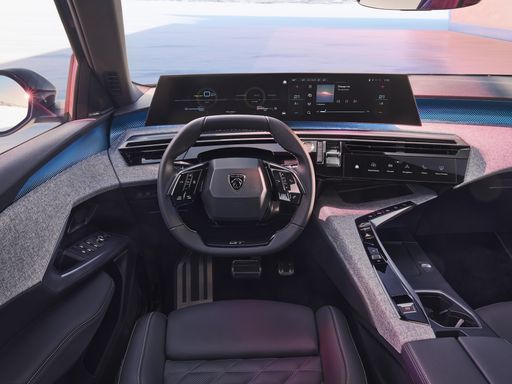
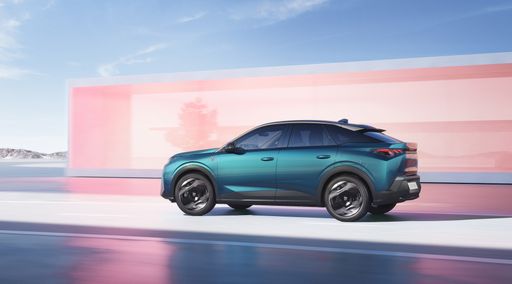
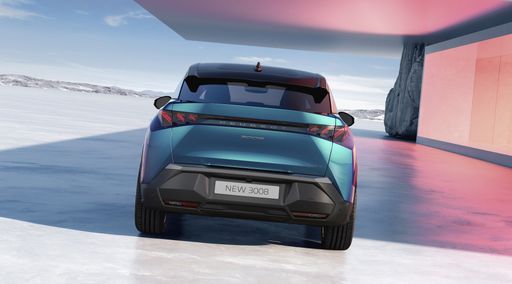
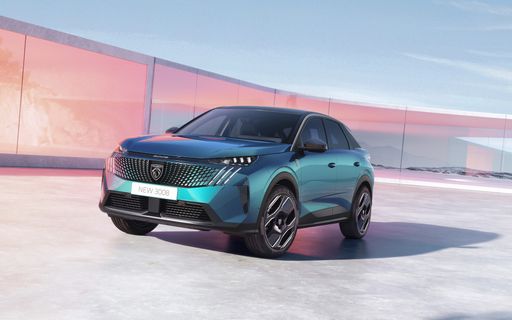
The Peugeot 3008 blends bold French styling with a surprisingly grown-up interior that makes even dull commutes feel a little bit special. Practical enough for family life yet lively to drive, it’s a clever all‑rounder that stands out from the crossover crowd without shouting for attention.

details
Hyundai Santa Fe
Peugeot 3008

Costs and Consumption

Price
51,700 - 58,600 £
Price
35,100 - 52,000 £
Consumption L/100km
3.8 - 7.2 L/100km
Consumption L/100km
2.4 - 5.4 L/100km
Consumption kWh/100km
-
Consumption kWh/100km
16.9 - 17.6 kWh/100km
Electric Range
54 km
Electric Range
81 - 698 km
Battery Capacity
-
Battery Capacity
0.4 - 96.9 kWh
co2
90 - 162 g/km
co2
0 - 121 g/km
Fuel tank capacity
-
Fuel tank capacity
55 L

Dimensions and Body

Body Type
SUV
Body Type
SUV
Seats
5 - 7
Seats
5
Doors
-
Doors
5
Curb weight
1,920 - 2,165 kg
Curb weight
1,648 - 2,266 kg
Trunk capacity
621 - 704 L
Trunk capacity
470 - 520 L
Length
-
Length
4,542 mm
Width
1,900 mm
Width
1,895 mm
Height
-
Height
1,641 mm
Max trunk capacity
-
Max trunk capacity
1,430 - 1,480 L
Payload
560 - 665 kg
Payload
432 - 467 kg

Engine and Performance

Engine Type
Full Hybrid, Plugin Hybrid
Engine Type
Electric, Petrol MHEV, Plugin Hybrid
Transmission
Automatic
Transmission
Automatic
Transmission Detail
Automatic Gearbox
Transmission Detail
Reduction Gearbox, Dual-Clutch Automatic
Drive Type
Front-Wheel Drive, All-Wheel Drive
Drive Type
Front-Wheel Drive, All-Wheel Drive
Power HP
239 - 288 HP
Power HP
145 - 325 HP
Acceleration 0-100km/h
8 - 9.2 s
Acceleration 0-100km/h
6 - 10.2 s
Max Speed
-
Max Speed
170 - 201 km/h
Torque
380 Nm
Torque
230 - 511 Nm
Number of Cylinders
4
Number of Cylinders
3 - 4
Power kW
176 - 212 kW
Power kW
107 - 239 kW
Engine capacity
1,598 cm3
Engine capacity
1,199 - 1,598 cm3

General

Model Year
2,025
Model Year
2,024 - 2,026
CO2 Efficiency Class
E, F, B
CO2 Efficiency Class
A, D, B
Brand
Hyundai
Brand
Peugeot
DriveDuel uses data analysis and artificial intelligence to evaluate vehicle data and create content. Content is regularly reviewed and improved. The displayed prices are estimates based on German list prices, adjusted to the respective country’s VAT. Country-specific registration taxes are not included. This information is not legally binding.