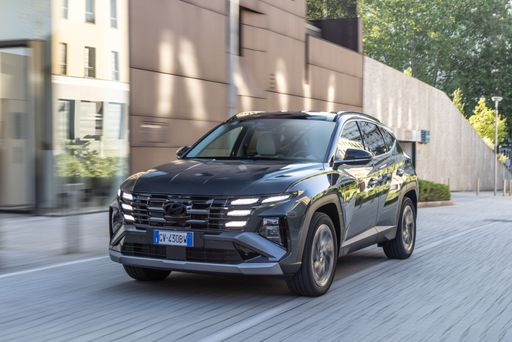
@ Hyundai Motor Company
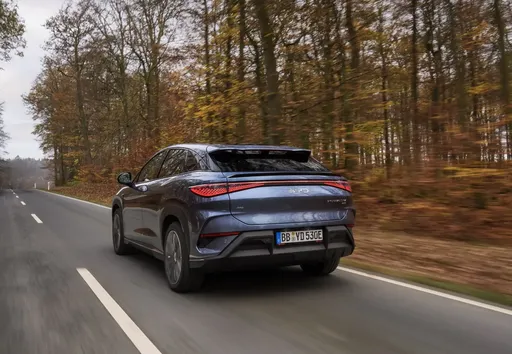
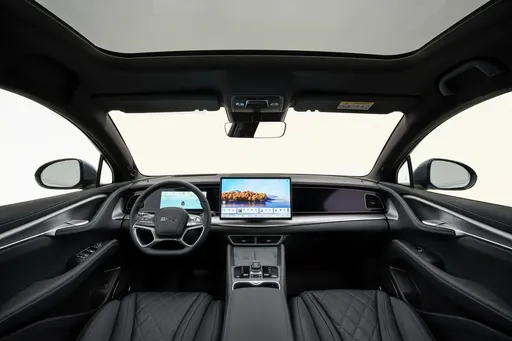
@ BYD Auto / BYD Global Media
VS

Hyundai Tucson vs BYD Sealion 7 – Which car suits you better?

Two cars, one duel: Hyundai Tucson meets BYD Sealion 7.
Which one wins in performance, efficiency and value for money? Find out now!

Hyundai Tucson

5 (2 Reviews)
rate

BYD Sealion 7

5 (1 Reviews)
rate
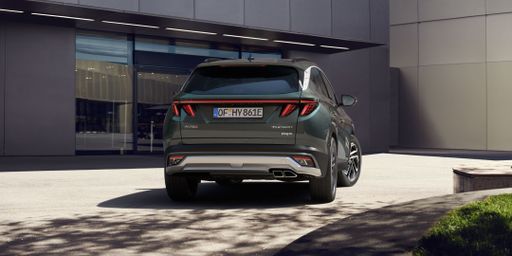
Tucson @ Hyundai Motor Company

When comparing two automotive powerhouses like the Hyundai Tucson and BYD Sealion 7, it's essential to delve deep into their specifications, technology, and overall driving experience. Both vehicles represent distinct philosophies; while the Tucson continues to build on Hyundai's reputation for quality and versatility, the Sealion 7 emerges as a bold entry in the electric SUV market, offering cutting-edge innovation and performance.
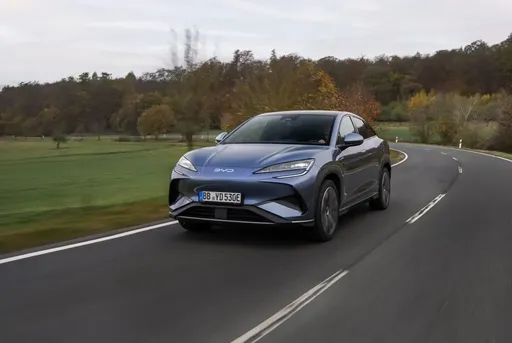
Sealion 7 @ BYD Auto / BYD Global Media

Design and Dimensions

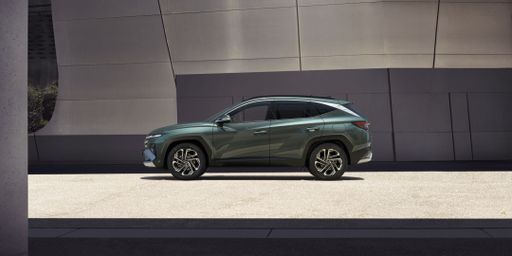
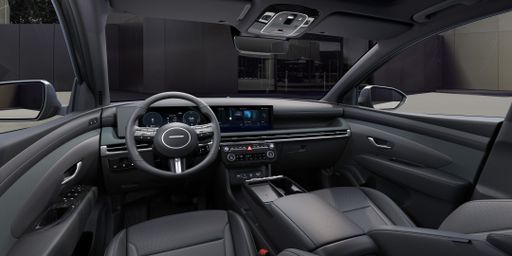
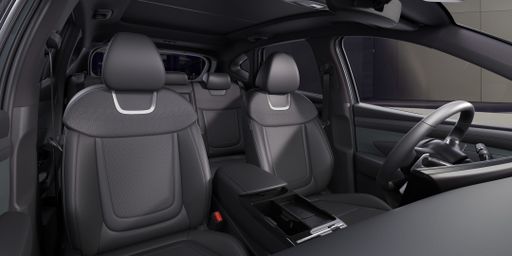
The Hyundai Tucson, with its modern and sharp lines, presents a sleek silhouette that’s both functional and stylish. Measuring 4510–4520 mm in length, 1865 mm in width, and 1650 mm in height, it features a spacious interior and a substantial trunk capacity of 546-620 liters, tailored for families and adventure seekers alike.

In contrast, the BYD Sealion 7 boasts a larger frame at 4830 mm long, 1925 mm wide, and 1620 mm high, providing an imposing presence on the road. While it has a slightly smaller trunk capacity of 520 liters, the Sealion 7 compensates with innovative interior layout options designed to maximize cargo space and comfort.

Tucson @ Hyundai Motor Company

Engine Options and Performance

The powertrains represent a primary distinction between the two vehicles. The Hyundai Tucson offers a variety of engine types, including Diesel MHEV, Petrol MHEV, Full Hybrid, and Plug-in Hybrid options. The highest output variant delivers an impressive 252 HP, with torque figures peaking at 367 Nm. Fuel consumption ranges from a commendable 5.1 to 6.8 L/100 km, depending on the engine choice, making it an efficient option for both city and highway driving.

On the other hand, the BYD Sealion 7 is an all-electric SUV that provides a standout powertrain with options reaching up to 530 HP and a torque output of 690 Nm, delivering a thrilling acceleration of 0-100 km/h in just 4.5 seconds. With an electric range of up to 502 km and power consumption around 19.9 kWh/100 km, the Sealion 7 is engineered for efficiency and performance in the EV segment.

Sealion 7 @ BYD Auto / BYD Global Media

Transmission and Driving Experience

The Tucson offers versatile transmission options, including an Automatic variant featuring a Dual-Clutch system or a Manual gearbox, suitable for enthusiasts who enjoy a more hands-on driving experience. With available Front-Wheel and All-Wheel Drive configurations, it ensures dependable handling across a variety of terrains.

Conversely, the BYD Sealion 7 utilizes an Automatic transmission with a reduction gearbox, perfectly complemented by its rear-wheel or all-wheel drive setups. This setup promotes enhanced control and a seamless driving experience, characteristic of electric vehicles, where instant torque translates into swift acceleration and dynamic handling.

Tucson @ Hyundai Motor Company

Innovations and Safety Features

The Hyundai Tucson integrates several cutting-edge technologies, including advanced safety features such as lane-keeping assist, adaptive cruise control, and a comprehensive suite of airbags. Additionally, it offers connectivity options such as Apple CarPlay and Android Auto for a modern infotainment experience.

In contrast, the BYD Sealion 7 is at the forefront of electric vehicle technology, with innovative features such as regenerative braking, over-the-air software updates, and a sophisticated battery management system that enhances efficiency and longevity. Safety features include a robust suite of driver assistance technologies covering everything from emergency braking to parking assistance.

Sealion 7 @ BYD Auto / BYD Global Media

Environmental Impact

The Hyundai Tucson’s various powertrains offer competitive CO2 efficiency ratings ranging from Class D to Class B, with emissions as low as 126 g/km, making it a responsible choice for eco-conscious drivers. Conversely, the BYD Sealion 7 boasts a CO2 efficiency class of A, with zero tailpipe emissions, underscoring its role as an environmentally friendly alternative to traditional combustion-engine vehicles.

Tucson @ Hyundai Motor Company

Conclusion: Which One to Choose?

The choice between the Hyundai Tucson and BYD Sealion 7 ultimately comes down to the preferences of the driver. The Tucson is a solid, versatile SUV with a dynamic range of engines catering to varying needs, while the Sealion 7 represents the future of driving with its all-electric powertrain, rapid acceleration, and comprehensive tech features. Each vehicle offers compelling arguments, ensuring you’ll find either model equipped to serve diverse lifestyles and values in the ever-evolving automotive landscape.

Here’s where it gets real: The technical differences in detail

Costs and Efficiency:

Price and efficiency are key factors when choosing a car – and this is often where the real differences emerge.

Hyundai Tucson has a noticeable advantage in terms of price – it starts at 30600 £, while the BYD Sealion 7 costs 42800 £. That’s a price difference of around 12214 £.

As for range, the BYD Sealion 7 performs significantly better – achieving up to 502 km, about 432 km more than the Hyundai Tucson.

Engine and Performance:

Power, torque and acceleration say a lot about how a car feels on the road. This is where you see which model delivers more driving dynamics.

When it comes to engine power, the BYD Sealion 7 has a clearly edge – offering 530 HP compared to 252 HP. That’s roughly 278 HP more horsepower.

In acceleration from 0 to 100 km/h, the BYD Sealion 7 is clearly quicker – completing the sprint in 4.50 s, while the Hyundai Tucson takes 7.90 s. That’s about 3.40 s faster.

In terms of top speed, the BYD Sealion 7 performs minimal better – reaching 215 km/h, while the Hyundai Tucson tops out at 204 km/h. The difference is around 11 km/h.

There’s also a difference in torque: BYD Sealion 7 pulls convincingly stronger with 690 Nm compared to 379 Nm. That’s about 311 Nm difference.

Space and Everyday Use:

Whether family car or daily driver – which one offers more room, flexibility and comfort?

Both vehicles offer seating for 5 people.

In curb weight, Hyundai Tucson is significantly lighter – 1542 kg compared to 2225 kg. The difference is around 683 kg.

In terms of boot space, the Hyundai Tucson offers somewhat more room – 620 L compared to 520 L. That’s a difference of about 100 L.

In maximum load capacity, the Hyundai Tucson performs hardly perceptible better – up to 1799 L, which is about 10 L more than the BYD Sealion 7.

When it comes to payload, Hyundai Tucson clearly perceptible takes the win – 545 kg compared to 410 kg. That’s a difference of about 135 kg.

Who comes out on top?

Overall, the BYD Sealion 7 shows itself to be wins the duel decisively and secures the title of DriveDuel Champion.
It convinces with the more balanced overall package and proves to be the more versatile choice for everyday use.

Hyundai Tucson
BYD Sealion 7

Costs and Consumption

View detailed analysis

Engine and Performance

View detailed analysis

Dimensions and Body

View detailed analysis
from about £42,800
Sealion 7 @ BYD Auto / BYD Global Media

BYD Sealion 7

  • Engine Type : Electric
  • Transmission : Automatic
  • Drive Type : Rear-Wheel Drive, All-Wheel Drive
  • Power HP : 313 - 530 HP
  • Consumption kWh/100km : 19.9 - 21.9 kWh
  • Electric Range : 456 - 502 km

Hyundai Tucson

5 (2 Reviews)
rate

Hyundai Tucson marries bold, sculpted looks with a clever, roomy cabin that feels smarter than its price tag suggests. It's composed on the road, easy to live with day-to-day, and a sensible choice for buyers who want SUV style without the showroom theatrics.

details

BYD Sealion 7

5 (1 Reviews)
rate

The Sealion 7 captivates with its striking design and impressive performance that appeals to both enthusiasts and casual drivers alike. With a focus on comfort and advanced technology, this model redefines the driving experience, making every journey enjoyable. Its sleek silhouette coupled with an innovative interior showcases the perfect blend of style and functionality.

details
Hyundai Tucson
BYD Sealion 7
Tucson @ Hyundai Motor Company
Sealion 7 @ BYD Auto / BYD Global Media

Costs and Consumption

Price
30600 - 46300 £
Price
42800 - 52300 £
Consumption L/100km
1 - 7.6 L
Consumption L/100km
-
Consumption kWh/100km
-
Consumption kWh/100km
19.9 - 21.9 kWh
Electric Range
64 - 70 km
Electric Range
456 - 502 km
Battery Capacity
-
Battery Capacity
-
co2
22 - 172 g/km
co2
0 g/km
Fuel tank capacity
42 - 54 L
Fuel tank capacity
-

Dimensions and Body

Body Type
SUV
Body Type
SUV
Seats
5
Seats
5
Doors
5
Doors
4
Curb weight
1542 - 1889 kg
Curb weight
2225 - 2435 kg
Trunk capacity
546 - 620 L
Trunk capacity
520 L
Length
4510 - 4535 mm
Length
4830 mm
Width
1865 mm
Width
1925 mm
Height
1650 mm
Height
1620 mm
Max trunk capacity
1721 - 1799 L
Max trunk capacity
1789 L
Payload
523 - 545 kg
Payload
410 kg

Engine and Performance

Engine Type
Diesel MHEV, Plugin Hybrid, Petrol, Full Hybrid
Engine Type
Electric
Transmission
Automatic, Manuel
Transmission
Automatic
Transmission Detail
Dual-Clutch Automatic, Automatic Gearbox, Manual Gearbox
Transmission Detail
Reduction Gearbox
Drive Type
Front-Wheel Drive, All-Wheel Drive
Drive Type
Rear-Wheel Drive, All-Wheel Drive
Power HP
136 - 252 HP
Power HP
313 - 530 HP
Acceleration 0-100km/h
7.9 - 11.6 s
Acceleration 0-100km/h
4.5 - 6.7 s
Max Speed
180 - 204 km/h
Max Speed
215 km/h
Torque
250 - 379 Nm
Torque
380 - 690 Nm
Number of Cylinders
4
Number of Cylinders
-
Power kW
100 - 185 kW
Power kW
230 - 390 kW
Engine capacity
1598 cm3
Engine capacity
-

General

Model Year
2024 - 2025
Model Year
2024
CO2 Efficiency Class
E, B, F, D
CO2 Efficiency Class
A
Brand
Hyundai
Brand
BYD
What drive types are available for the Hyundai Tucson?

Available configurations include Front-Wheel Drive or All-Wheel Drive.

The prices and data displayed are estimates based on German list prices and may vary by country. This information is not legally binding.

do not click