VS

Kia EV3 vs BYD Dolphin comparison

Compare performance (265 HP vs 204 HP), boot space and price (40,200 £ vs 29,700 £ ) at a glance. Find out which car is the better choice for you – Kia EV3 or BYD Dolphin?

Kia EV3 vs BYD Dolphin: Key differences

Kia EV3

4.6 (5 Reviews)
rate
  • noticeably more power
  • barely more efficient
  • noticeably more electric range
  • very slightly quicker 0–100 km/h
  • a bit more trunk space
details

BYD Dolphin

4 (4 Reviews)
rate
  • visibly cheaper
  • markedly lighter
details

All details on performance, efficiency, range and trunk space can be found in the technical comparison below – including user reviews for both models.

By Achim Sedelmaier

EV3

The electric vehicle market continues to expand, with an increasing number of automakers like BYD and Kia entering the fray. With the release of the BYD Dolphin and the Kia EV3, potential buyers have a compelling choice between two impressive contenders in the electric vehicle segment. In this comparison, we will explore their specifications, innovations, and how these two vehicles stack up against each other.
Dolphin

Design and Dimensions

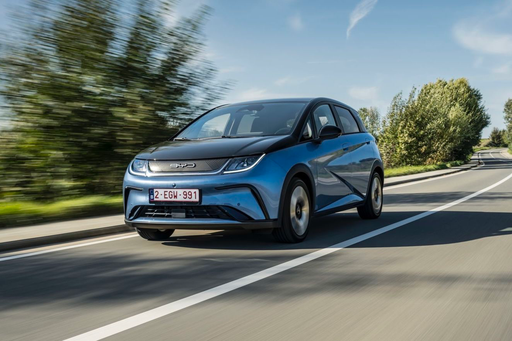
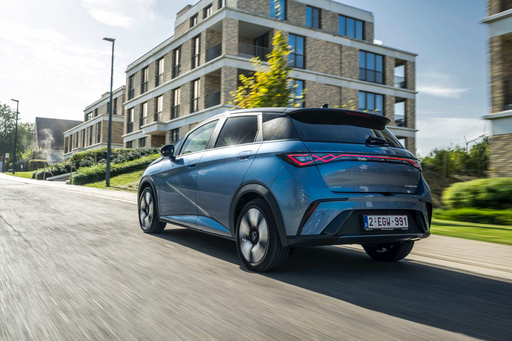
The BYD Dolphin embodies a sporty hatchback design, emphasizing aerodynamics and efficiency. It measures 4290 mm in length, 1770 mm in width, and stands 1570 mm tall, making it compact enough for urban driving while still offering a spacious cabin. With its five-door configuration and a trunk capacity of 345 liters, it provides practical utility for everyday use.

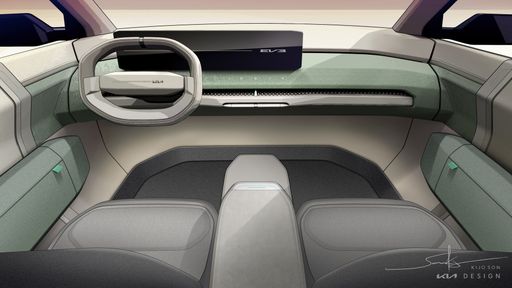
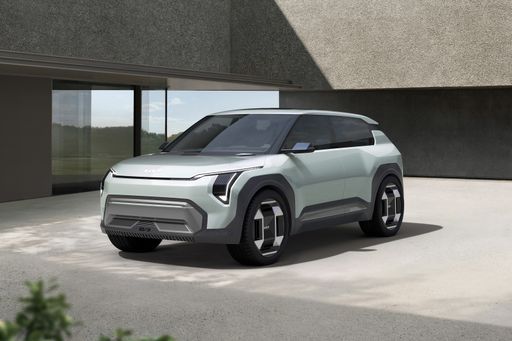
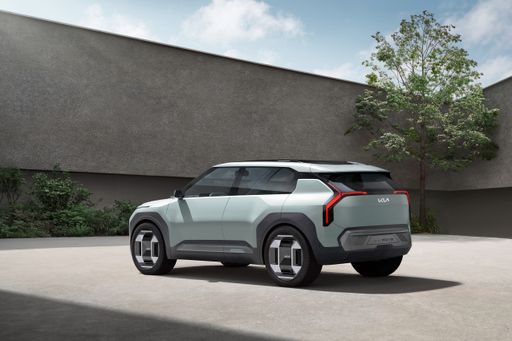
On the other hand, the Kia EV3 adopts the body style of a sleek SUV, which has gained popularity for its elevated driving position and practicality. The EV3's dimensions range from 4300 mm to 4310 mm in length, 1850 mm in width, and a height that varies between 1560 mm and 1570 mm. With a trunk capacity of 460 liters, it offers more storage space compared to the Dolphin, appealing to those who prioritize cargo capacity.

EV3

Power and Performance

Under the hood, both the BYD Dolphin and Kia EV3 are equipped with a 204 HP electric motor, delivering a similar power output of 150 kW. However, performance metrics show nuanced differences. The Dolphin accelerates from 0 to 100 km/h in just 7 seconds, whereas the EV3 takes slightly longer, ranging from 7.5 to 7.9 seconds based on the specific variant chosen.

In terms of torque, the Dolphin comes out on top with a robust 310 Nm, compared to the EV3's 283 Nm. This torque advantage may contribute to the Dolphin's sporty feel and driving dynamics, especially in urban environments where quick acceleration is beneficial.

Dolphin

Battery and Range

The BYD Dolphin boasts an impressive electric range of 427 km on a single charge, with a consumption rate of 15.9 kWh/100 km. This efficiency makes it a strong candidate for those looking to maximize their travel distance without frequent recharging.

In contrast, the Kia EV3 offers multiple battery options, with capacities ranging from 58.3 kWh to 81.4 kWh. Depending on the chosen battery, the EV3's electric range varies significantly—from 436 km to an impressive 605 km—for the higher capacity model. Its best consumption figure of 14.9 kWh/100 km highlights the EV3's efficiency, providing a competitive advantage for long-distance travelers.

EV3

Innovative Features and Technology

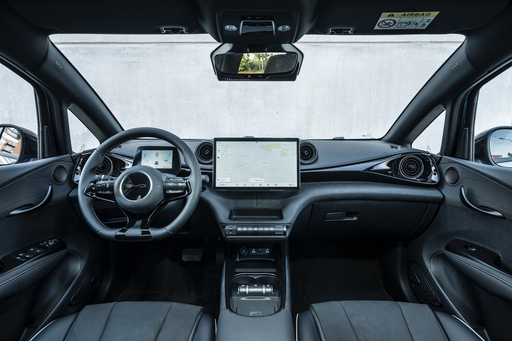
Both vehicles are equipped with advanced technologies, catering to modern EV enthusiasts. The BYD Dolphin focuses on a user-friendly driving experience, integrating an intuitive infotainment system and essential driver-assist features. Its CO2 efficiency class is rated 'A', reflecting its eco-friendly credentials.

The Kia EV3, on the other hand, emphasizes an array of high-tech features designed to enhance comfort and safety. With an advanced suite of driver-assistance systems, the EV3 not only offers convenience but also adds an extra layer of safety. Kia's commitment to innovation ensures that the EV3 remains competitive in the rapidly evolving electric vehicle market.

Dolphin

Conclusion

In the battle of the BYD Dolphin versus the Kia EV3, each vehicle brings unique advantages to the table. The Dolphin stands out for its sporty performance and nimble design, making it an excellent choice for those who favor agility. Meanwhile, the Kia EV3 excels in range and technology, offering more cargo space and options, making it appealing for families and longer trips.

Ultimately, the decision may boil down to personal preference—whether one prioritizes sporty handling and compact dimensions, or a versatile SUV with cutting-edge tech and greater range. Both vehicles are exceptional entries in the electric vehicle market, showcasing the innovative strides being made by BYD and Kia.

Here’s where it gets real: The technical differences in detail

EV3

Costs and Efficiency:

Looking at overall running costs, both models reveal some interesting differences in everyday economy.

BYD Dolphin is visibly cheaper – starting at 29,700 £ , while the Kia EV3 costs 40,200 £ . That’s a price difference of around 10,491 £.

In terms of energy consumption, the Kia EV3 is barely more efficient: consuming 15.8 kWh/100km compared to 15.9 kWh/100km for the BYD Dolphin. That’s a difference of about 0.1 kWh/100km.

As for electric range, the Kia EV3 offers noticeably more range – reaching up to 572 km, about 145 km more than the BYD Dolphin.

Dolphin

Engine and Performance:

Power, torque and acceleration say a lot about how a car feels on the road. This is where you see which model delivers more driving dynamics.

When it comes to engine power, the Kia EV3 offers noticeably more power – delivering 265 HP compared to 204 HP. That’s roughly 61 HP more horsepower.

When accelerating from 0 to 100 km/h, the Kia EV3 is very slightly quicker – completing the sprint in 6.6 s, while the BYD Dolphin takes 7 s. That’s about 0.4 s quicker.

There’s also a difference in torque: the Kia EV3 delivers moderately more torque with 385 Nm compared to 310 Nm. That’s about 75 Nm more.

EV3

Space and Everyday Use:

Cabin size, boot volume and payload all play a role in everyday practicality. Here, comfort and flexibility make the difference.

Both vehicles offer seating for 5 people.

In terms of curb weight, BYD Dolphin is markedly lighter – 1,658 kg compared to 1,995 kg. The difference is around 337 kg.

Looking at boot space, the Kia EV3 offers a bit more boot space – 413 L compared to 345 L. That’s a difference of about 68 L.

When it comes to payload, the Kia EV3 carries moderately more – 485 kg compared to 410 kg. That’s a difference of about 75 kg.

Who wins the race in the data check?

The Kia EV3 is clearly superior overall in the objective data comparison.
This result only shows which model scores more points on paper – not which of the two cars feels right for you.

from £40,200
EV3

Kia EV3

  • Engine Type : Electric
  • Transmission : Automatic
  • Drive Type : All-Wheel Drive
  • Power HP : 265 HP
  • Consumption kWh/100km : 15.8 kWh/100km
  • Electric Range : 572 km
Kia EV3
BYD Dolphin

Costs and Consumption

View detailed analysis

Engine and Performance

View detailed analysis

Dimensions and Body

View detailed analysis

Kia EV3

The Kia EV3 is a stylish, user-friendly electric crossover that focuses on practicality and a roomy, well-equipped cabin. It delivers a comfortable ride with intuitive technology and efficient everyday performance, making it a sensible choice for city and family use.

details

BYD Dolphin

The BYD Dolphin is a cheeky electric hatchback that blends playful styling with surprising practicality, making it a brilliant city companion for buyers who want modern tech without the showroom bravado. It’s comfy, efficient and easy to live with, and while it won’t blind you with supercar drama, it will quietly get the job done with plenty of character.

details
Kia EV3
BYD Dolphin

Costs and Consumption

Price
40,200 - 43,900 £
Price
29,700 - 31,400 £
Consumption L/100km
-
Consumption L/100km
-
Consumption kWh/100km
15.8 kWh/100km
Consumption kWh/100km
15.9 kWh/100km
Electric Range
572 km
Electric Range
427 km
Battery Capacity
-
Battery Capacity
-
co2
0 g/km
co2
0 g/km
Fuel tank capacity
-
Fuel tank capacity
-

Dimensions and Body

Body Type
SUV
Body Type
Hatchback
Seats
5
Seats
5
Doors
-
Doors
-
Curb weight
1,995 kg
Curb weight
1,658 kg
Trunk capacity
413 L
Trunk capacity
345 L
Length
-
Length
-
Width
1,850 mm
Width
1,770 mm
Height
-
Height
-
Max trunk capacity
-
Max trunk capacity
-
Payload
485 kg
Payload
410 kg

Engine and Performance

Engine Type
Electric
Engine Type
Electric
Transmission
Automatic
Transmission
Automatic
Transmission Detail
Reduction Gearbox
Transmission Detail
Reduction Gearbox
Drive Type
All-Wheel Drive
Drive Type
Front-Wheel Drive
Power HP
265 HP
Power HP
204 HP
Acceleration 0-100km/h
6.6 s
Acceleration 0-100km/h
7 s
Max Speed
-
Max Speed
-
Torque
385 Nm
Torque
310 Nm
Number of Cylinders
-
Number of Cylinders
-
Power kW
195 kW
Power kW
150 kW
Engine capacity
-
Engine capacity
-

General

Model Year
2026
Model Year
2023
CO2 Efficiency Class
A
CO2 Efficiency Class
A
Brand
Kia
Brand
BYD
DriveDuel uses data analysis and artificial intelligence to evaluate vehicle data and create content. Content is regularly reviewed and improved. The displayed prices are estimates based on German list prices, adjusted to the respective country’s VAT. Country-specific registration taxes are not included. This information is not legally binding.