@ Kia Corporation
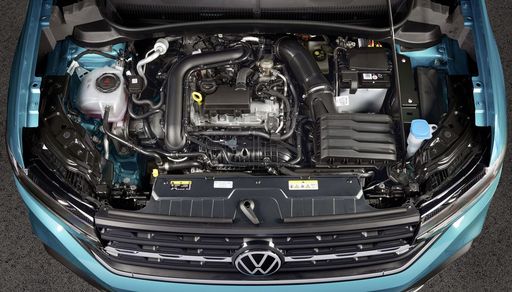
@ Volkswagen AG / VW Media
VS

Kia Niro vs VW T-Cross – Which car suits you better?

Both models have their strengths – but which one suits you more?
Compare performance, efficiency, price and space directly: Kia Niro or VW T-Cross?

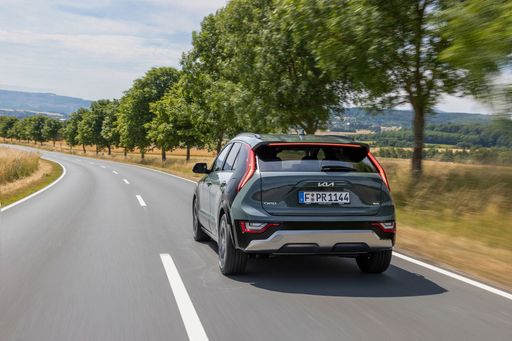
Niro @ Kia Corporation

Kia Niro vs VW T-Cross: A Comprehensive Comparison

As the automotive market evolves, compact SUVs have become a preferred choice for many drivers looking for versatility, efficiency, and technology. In this comparison, we delve into two popular models: the Kia Niro and the VW T-Cross. Both vehicles present a unique set of features, but they cater to different preferences and driving styles. Let’s explore the technical aspects and innovations that set them apart.
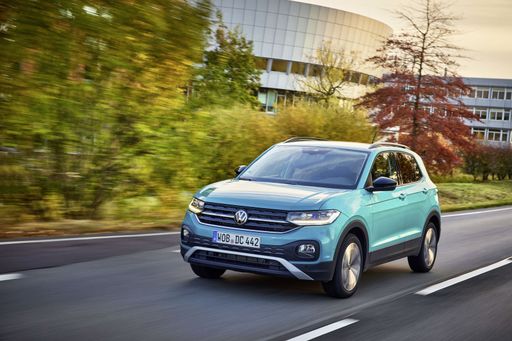
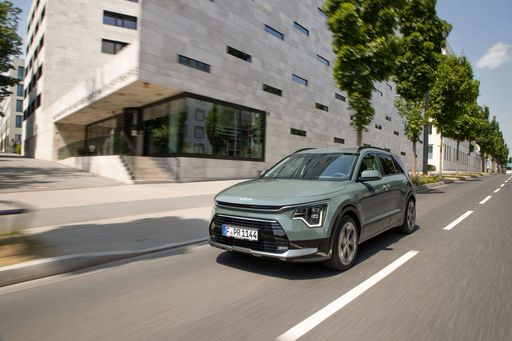
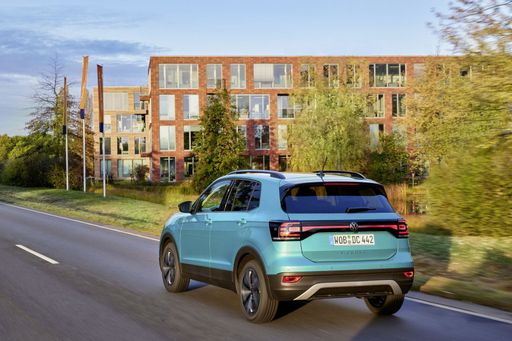
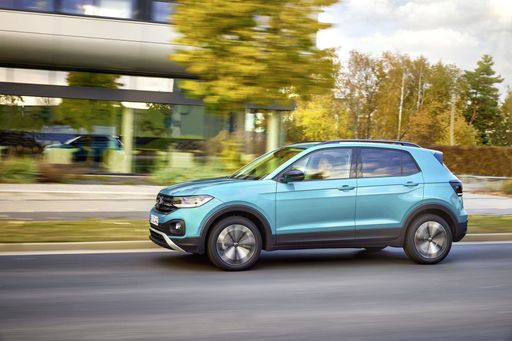
T-Cross @ Volkswagen AG / VW Media

Powertrains and Performance

The Kia Niro offers a versatile selection of powertrains, including full hybrid and plug-in hybrid options. The hybrid version delivers up to 129 horsepower (HP), while the plug-in variant boasts an impressive output of 171 HP. With an electric range of up to 65 kilometers and a fuel consumption rate of just 4.4 L/100km, the Niro stands out for its efficiency. Moreover, its 1.3 kWh battery provides a seamless driving experience with a 0-100 km/h acceleration in 11.3 seconds for the hybrid version.

In contrast, the VW T-Cross showcases an array of petrol engines, with power outputs ranging from 95 HP to a robust 150 HP. The T-Cross is also known for its strong performance, with faster acceleration times — the 150 HP variant completes the 0-100 km/h sprint in just 8.4 seconds. However, fuel efficiency can vary more widely, with consumption figures reaching up to 6 L/100km for some models.

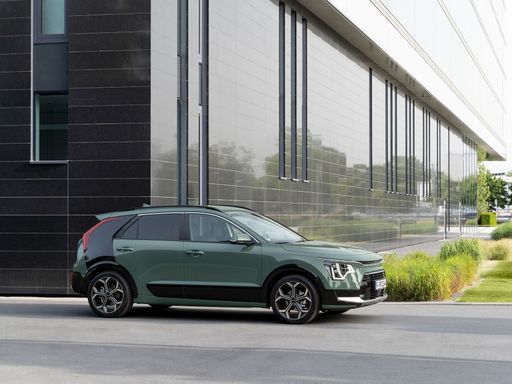
Niro @ Kia Corporation

Interior and Cargo Space

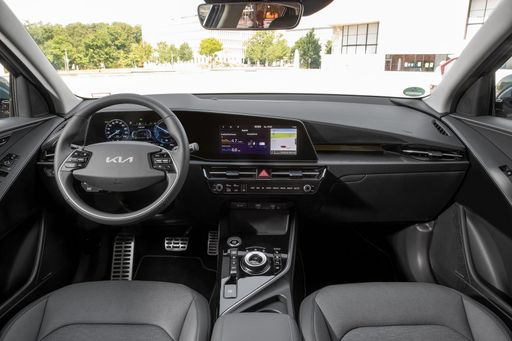
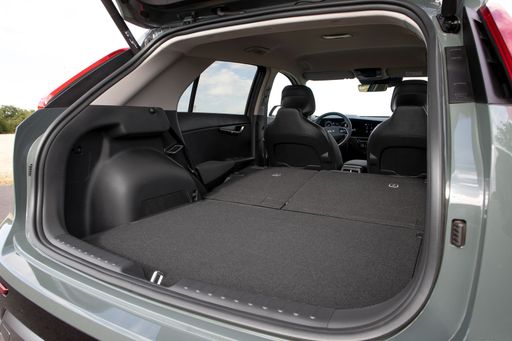
Space and comfort are paramount in any SUV, and both the Kia Niro and VW T-Cross excel in this department. The Kia Niro offers a generous trunk capacity of 451 liters, providing plenty of room for luggage and shopping. It features a sleek and modern interior layout, complete with user-friendly technology and a focus on sustainability.

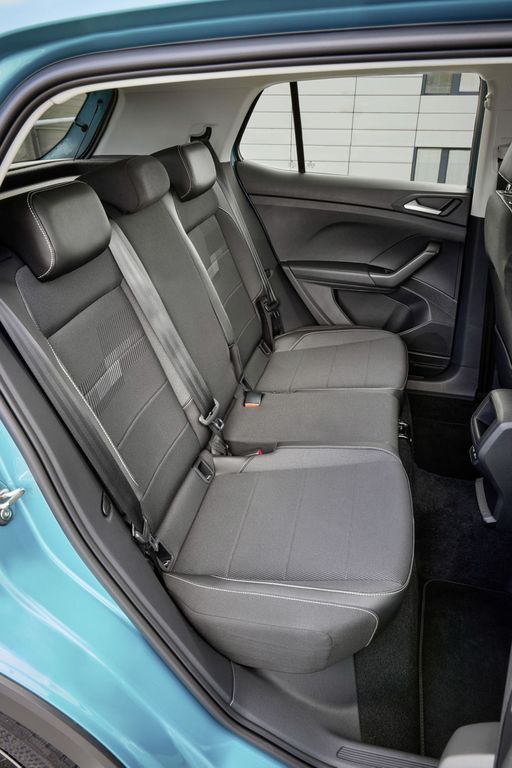
On the other hand, the VW T-Cross has a slightly larger trunk capacity, with 455 liters. This edge might make the T-Cross a more practical choice for families or those needing extra space. Its interior is designed with a hint of sophistication and incorporates Volkswagen’s latest infotainment systems, ensuring that drivers remain connected and entertained.

T-Cross @ Volkswagen AG / VW Media

Dimensions and Handling

Dimensions also play a significant role in maneuverability and comfort. The Kia Niro measures 4420 mm in length, 1825 mm in width, and 1545 mm in height. It boasts a curb weight of 1474 kg, which contributes to its stability on the road.

In comparison, the VW T-Cross is slightly more compact, measuring 4127 mm in length and 1784 mm in width, with a height of 1573 mm. Its curb weight ranges depending on the engine variant, with the heaviest at 1326 kg. While this might make the T-Cross a bit lighter, the Niro’s longer wheelbase aids in passenger comfort and ride quality.

Niro @ Kia Corporation

Technological Innovations

When it comes to technology, both vehicles integrate advanced features that enhance the driving experience. The Kia Niro includes innovations such as regenerative braking systems and advanced driver assistance systems, offering drivers features like lane keeping assist and adaptive cruise control as standard in many configurations.

The VW T-Cross, known for its high-tech offerings, includes several safety features and connectivity options, making use of a digital cockpit option that appeals to tech-savvy users. Additionally, it offers numerous customization options, allowing buyers to tailor the vehicle to their liking.

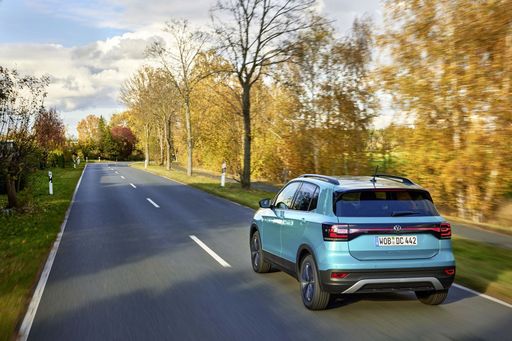
T-Cross @ Volkswagen AG / VW Media

Conclusion: Which SUV Reigns Supreme?

Ultimately, the choice between the Kia Niro and the VW T-Cross depends on individual preferences and priorities. The Niro shines with its hybrid capabilities and top-notch efficiency, making it a great option for eco-conscious drivers. In contrast, the T-Cross stands tall with its powerful petrol engines and slightly better cargo space, appealing to those who desire performance and practicality.

Both models reflect the best of what the compact SUV segment has to offer, and potential buyers would benefit from test-driving both options to determine the best fit for their lifestyle. Whether you lean towards the innovation of the Kia Niro or the dynamic presence of the VW T-Cross, one thing is certain: you'll have a well-rounded vehicle to accompany you on the road.

Here’s where it gets real: The technical differences in detail

Niro @ Kia Corporation

Costs and Efficiency:

When it comes to price and running costs, the biggest differences usually appear. This is often where you see which car fits your budget better in the long run.

VW T-Cross has a evident advantage in terms of price – it starts at 21100 £, while the Kia Niro costs 29100 £. That’s a price difference of around 8057 £.

Fuel consumption also shows a difference: Kia Niro manages with 2.40 L and is therefore decisively more efficient than the VW T-Cross with 5.40 L. The difference is about 3 L per 100 km.

T-Cross @ Volkswagen AG / VW Media

Engine and Performance:

Power, torque and acceleration say a lot about how a car feels on the road. This is where you see which model delivers more driving dynamics.

When it comes to engine power, the Kia Niro has a slightly edge – offering 180 HP compared to 150 HP. That’s roughly 30 HP more horsepower.

In acceleration from 0 to 100 km/h, the VW T-Cross is slightly quicker – completing the sprint in 8.40 s, while the Kia Niro takes 9.90 s. That’s about 1.50 s faster.

In terms of top speed, the VW T-Cross performs barely noticeable better – reaching 200 km/h, while the Kia Niro tops out at 185 km/h. The difference is around 15 km/h.

There’s also a difference in torque: Kia Niro pulls minimal stronger with 265 Nm compared to 250 Nm. That’s about 15 Nm difference.

Niro @ Kia Corporation

Space and Everyday Use:

Cabin size, boot volume and payload all play a role in everyday practicality. Here, comfort and flexibility make the difference.

Both vehicles offer seating for 5 people.

In curb weight, VW T-Cross is a bit lighter – 1267 kg compared to 1474 kg. The difference is around 207 kg.

In terms of boot space, the VW T-Cross offers slight more room – 455 L compared to 451 L. That’s a difference of about 4 L.

In maximum load capacity, the Kia Niro performs a bit better – up to 1445 L, which is about 164 L more than the VW T-Cross.

When it comes to payload, VW T-Cross barely noticeable takes the win – 480 kg compared to 466 kg. That’s a difference of about 14 kg.

Who comes out on top?

Overall, the Kia Niro shows itself to be outperforms in nearly all aspects and secures the title of DriveDuel Champion.
It convinces with the more balanced overall package and proves to be the more versatile choice for everyday use.

from about £29,100
Niro @ Kia Corporation

Kia Niro

  • Engine Type : Full Hybrid, Plugin Hybrid
  • Transmission : Automatic
  • Drive Type : Front-Wheel Drive
  • Power HP : 138 - 180 HP
  • Consumption L/100km : 2.4 - 4.9 L
  • Electric Range : 57 - 62 km

Kia Niro

5 (1)
rate

The Kia Niro blends clever packaging and modern styling into a compact crossover that’s refreshingly sensible for daily life. It’s comfortable, economical and packed with user‑friendly tech, so if you want a fuss‑free family car with a touch of green credibility, the Niro is worth a test drive.

details

VW T-Cross

4 (1)
rate

The VW T-Cross turns everyday practicality into a style statement, offering a roomy-feeling cabin, clever storage and playful design that suits town life and family duties alike. On the road it's composed and relaxed, rewarding buyers who want the raised seating and confident presence of an SUV without the weighty compromises.

details
Kia Niro
VW T-Cross
Niro @ Kia Corporation
T-Cross @ Volkswagen AG / VW Media

Costs and Consumption

Price
29100 - 38600 £
Price
21100 - 31500 £
Consumption L/100km
2.4 - 4.9 L
Consumption L/100km
5.4 - 6 L
Consumption kWh/100km
-
Consumption kWh/100km
-
Electric Range
57 - 62 km
Electric Range
-
Battery Capacity
1.3 - 11.1 kWh
Battery Capacity
-
co2
53 - 111 g/km
co2
124 - 136 g/km
Fuel tank capacity
37 - 42 L
Fuel tank capacity
40 L

Dimensions and Body

Body Type
SUV
Body Type
SUV
Seats
5
Seats
5
Doors
5
Doors
5
Curb weight
1474 - 1594 kg
Curb weight
1267 - 1338 kg
Trunk capacity
348 - 451 L
Trunk capacity
455 L
Length
4420 mm
Length
4127 mm
Width
1825 mm
Width
1784 mm
Height
1545 mm
Height
1573 mm
Max trunk capacity
1342 - 1445 L
Max trunk capacity
1281 L
Payload
466 kg
Payload
463 - 480 kg

Engine and Performance

Engine Type
Full Hybrid, Plugin Hybrid
Engine Type
Petrol
Transmission
Automatic
Transmission
Manuel, Automatic
Transmission Detail
Dual-Clutch Automatic
Transmission Detail
Manual Gearbox, Dual-Clutch Automatic
Drive Type
Front-Wheel Drive
Drive Type
Front-Wheel Drive
Power HP
138 - 180 HP
Power HP
95 - 150 HP
Acceleration 0-100km/h
9.9 - 11.4 s
Acceleration 0-100km/h
8.4 - 11.3 s
Max Speed
170 - 185 km/h
Max Speed
180 - 200 km/h
Torque
265 Nm
Torque
175 - 250 Nm
Number of Cylinders
4
Number of Cylinders
3 - 4
Power kW
102 - 132 kW
Power kW
70 - 110 kW
Engine capacity
1580 cm3
Engine capacity
999 - 1498 cm3

General

Model Year
2025
Model Year
2024 - 2025
CO2 Efficiency Class
C, B
CO2 Efficiency Class
D, E
Brand
Kia
Brand
VW
Is the Kia Niro offered with different drivetrains?

The Kia Niro is available as Front-Wheel Drive.

The prices and data displayed are estimates based on German list prices and may vary by country. This information is not legally binding.