VS

Kia Sorento vs Tesla Model Y comparison

Compare performance (252 HP vs 460 HP), boot space and price (46,900 £ vs 34,300 £ ) at a glance. Find out which car is the better choice for you – Kia Sorento or Tesla Model Y?

Kia Sorento vs Tesla Model Y: Key differences

Kia Sorento

  • very slightly lighter
details

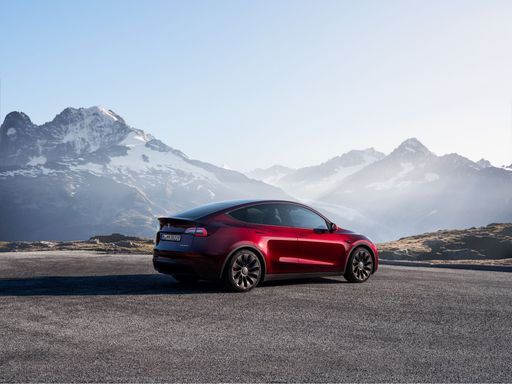
Tesla Model Y

4.5 (5 Reviews)
rate
  • markedly cheaper
  • clearly more power
  • significantly more electric range
  • substantially quicker 0–100 km/h
  • moderately more trunk space
details

All details on performance, efficiency, range and trunk space can be found in the technical comparison below – including user reviews for both models.

By Achim Sedelmaier

Sorento

Unveiling the Rivalry: Kia Sorento vs Tesla Model Y

In today's automotive landscape, the choice between a traditional internal combustion engine vehicle and an electric vehicle represents a broader decision on driving experience and technological preference. Two frontrunners in their segments are the Kia Sorento and the Tesla Model Y. Each offers distinct advantages tailored to their respective audiences. Let's delve into what makes these SUVs stand out in 2024.
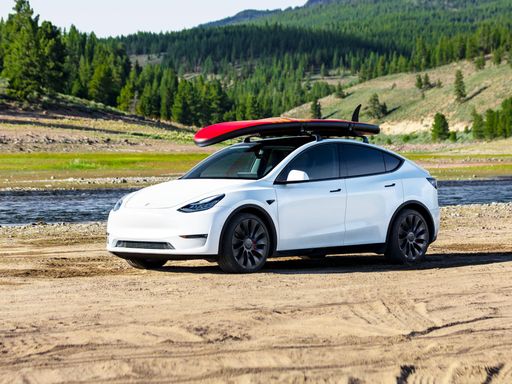
Model Y

Aesthetics and Dimensions

The Kia Sorento is a robust presence on the road. With dimensions of 4815 mm in length, 1900 mm in width, and 1695 mm in height, it promises a commanding road presence. Meanwhile, the Tesla Model Y is slightly more compact but equally striking, measuring 4790 mm in length, 1921 mm in width, and standing 1624 mm tall. The comparison begins with aesthetics where Kia opts for traditional SUV design cues, while Tesla leans into its minimalist, future-forward philosophy.

Sorento

Powertrain and Performance

The Sorento offers a variety of engine types: plugin hybrid, full hybrid, and diesel, providing flexibility for consumers based on preference and availability of charging infrastructure. It boasts a power range from 194 to 252 HP, with a torque between 367 and 440 Nm, and can accelerate from 0 to 100 km/h between 8.8 and 9.7 seconds, depending on the engine. It achieves a top speed of up to 201 km/h, calibrated for efficiency with CO2 emissions ranging from 37 g/km for the plugin hybrid to 174 g/km for the diesel model.

In contrast, the Tesla Model Y is purely electric, offering a power output between 299 and 534 HP. With a torque advantage peaking at 660 Nm, it can sprint from 0 to 100 km/h in as little as 3.7 seconds, topping out at a speed of up to 250 km/h. Its zero emissions and classification in the A CO2 efficiency class highlight Tesla's commitment to sustainability.

Model Y

Range and Efficiency

For range-conscious drivers, the Sorento's plugin hybrid offers an electric range of 55 km, suitable for short commutes without relying on the combustion engine, while overall fuel consumption varies between 1.6 L/100km for the most efficient hybrid option to 6.8 L/100km for full hybrids and diesel.

The Model Y excels with an electric range from 455 to 600 km, dependent on the model. Its efficient energy consumption, between 14.9 and 17.3 kWh/100km, complements Tesla's charging infrastructure, making long-distance travel feasible and ecological.

Sorento

Interior and Cargo Space

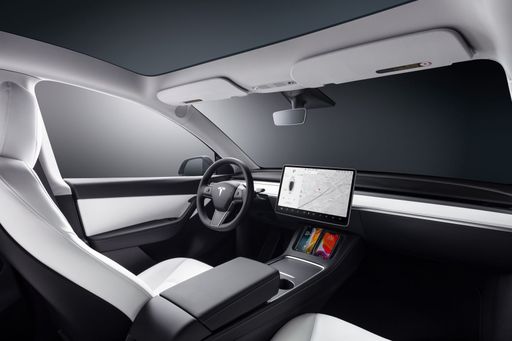
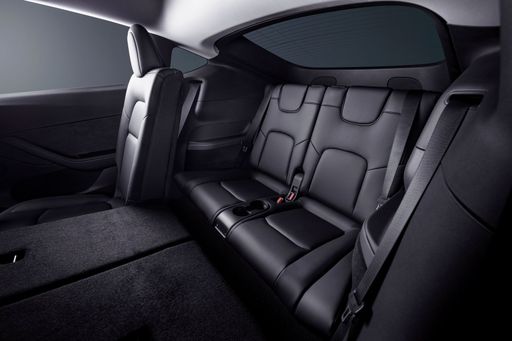
Both vehicles offer flexible seating arrangements. The Sorento supports configurations for 5, 6, or 7 passengers, whereas the Model Y seats up to 7. When it comes to cargo capacity, the Sorento ranges from 179 to 705 liters depending on seat configurations, whereas the Model Y offers a trunk capacity of up to 854 liters, showcasing its efficient interior design.

Model Y

Technology and Innovation

The Sorento is positioned as a technologically advanced SUV with features such as a dual-clutch automatic gearbox and modern infotainment options tailored to its audience. However, the Model Y stands as a beacon of automotive innovation with its reduction gearbox and autonomous driving capabilities, alongside Tesla's OTA (Over-the-Air) software updates that continuously enhance vehicle performance and features.

Conclusion

In making a choice between the Kia Sorento and the Tesla Model Y, potential buyers must weigh traditional reliability against cutting-edge innovation. The Sorento offers versatility and practicality with multiple powertrains, while the Model Y provides a glimpse into the future of automotive design and sustainable transport. Each excels in its domain, ensuring drivers of both SUVs enjoy a premium experience aligned with their preferences.

Here’s where it gets real: The technical differences in detail

Sorento

Costs and Efficiency:

Looking at overall running costs, both models reveal some interesting differences in everyday economy.

Tesla Model Y is markedly cheaper – starting at 34,300 £ , while the Kia Sorento costs 46,900 £ . That’s a price difference of around 12,600 £.

As for electric range, the Tesla Model Y offers significantly more range – reaching up to 657 km, about 602 km more than the Kia Sorento.

Model Y

Engine and Performance:

Power, torque and acceleration say a lot about how a car feels on the road. This is where you see which model delivers more driving dynamics.

When it comes to engine power, the Tesla Model Y offers clearly more power – delivering 460 HP compared to 252 HP. That’s roughly 208 HP more horsepower.

When accelerating from 0 to 100 km/h, the Tesla Model Y is substantially quicker – completing the sprint in 3.5 s, while the Kia Sorento takes 8 s. That’s about 4.5 s quicker.

There’s also a difference in torque: the Tesla Model Y delivers visibly more torque with 660 Nm compared to 440 Nm. That’s about 220 Nm more.

Sorento

Space and Everyday Use:

Whether family car or daily driver – which one offers more room, flexibility and comfort?

Both vehicles offer seating for 7 people.

In terms of curb weight, Kia Sorento is very slightly lighter – 1,855 kg compared to 1,953 kg. The difference is around 98 kg.

Looking at boot space, the Tesla Model Y offers moderately more boot space – 822 L compared to 705 L. That’s a difference of about 117 L.

When it comes to payload, the Kia Sorento carries noticeably more – 685 kg compared to 472 kg. That’s a difference of about 213 kg.

Who wins the race in the data check?

The Tesla Model Y is far ahead overall in the objective data comparison.
This result only shows which model scores more points on paper – not which of the two cars feels right for you.

from £34,300
Model Y

Tesla Model Y

  • Engine Type : Electric
  • Transmission : Automatic
  • Drive Type : All-Wheel Drive, Rear-Wheel Drive
  • Power HP : 299 - 460 HP
  • Consumption kWh/100km : 12.7 - 16.2 kWh/100km
  • Electric Range : 534 - 657 km
Kia Sorento
Tesla Model Y

Costs and Consumption

View detailed analysis

Engine and Performance

View detailed analysis

Dimensions and Body

View detailed analysis

Kia Sorento

The Kia Sorento blends roomy practicality with smart tech and an unexpectedly composed highway manner, making it an easy choice for families who want comfort without fuss. It presents classy interior touches and sensible packaging at a realistic price, proving you don't need to shout to be noticed in the SUV crowd.

details

Tesla Model Y

The Tesla Model Y is a tech‑forward family SUV that marries blistering efficiency with enormous interior space, calm motorway manners and the obvious convenience of Tesla’s charging ecosystem and over‑the‑air updates. Its minimalist, screen‑centric cabin and rather firm ride — plus limited rear visibility and the absence of Apple CarPlay/Android Auto — are trade‑offs that will bother buyers who prioritise comfort or traditional ergonomics.

details
Kia Sorento
Tesla Model Y

Costs and Consumption

Price
46,900 - 60,100 £
Price
34,300 - 53,100 £
Consumption L/100km
3.9 - 7 L/100km
Consumption L/100km
-
Consumption kWh/100km
-
Consumption kWh/100km
12.7 - 16.2 kWh/100km
Electric Range
55 km
Electric Range
534 - 657 km
Battery Capacity
-
Battery Capacity
64.5 - 83 kWh
co2
87 - 174 g/km
co2
0 g/km
Fuel tank capacity
-
Fuel tank capacity
-

Dimensions and Body

Body Type
SUV
Body Type
SUV
Seats
5 - 7
Seats
5 - 7
Doors
-
Doors
5
Curb weight
1,855 - 2,110 kg
Curb weight
1,953 - 2,108 kg
Trunk capacity
175 - 705 L
Trunk capacity
822 L
Length
-
Length
4,790 - 4,797 mm
Width
1,900 mm
Width
1,920 - 1,921 mm
Height
-
Height
1,621 - 1,624 mm
Max trunk capacity
-
Max trunk capacity
2,118 - 2,138 L
Payload
162 - 685 kg
Payload
435 - 472 kg

Engine and Performance

Engine Type
Full Hybrid, Diesel, Plugin Hybrid
Engine Type
Electric
Transmission
Automatic
Transmission
Automatic
Transmission Detail
Automatic Gearbox, Dual-Clutch Automatic
Transmission Detail
Reduction Gearbox
Drive Type
Front-Wheel Drive, All-Wheel Drive
Drive Type
All-Wheel Drive, Rear-Wheel Drive
Power HP
194 - 252 HP
Power HP
299 - 460 HP
Acceleration 0-100km/h
8 - 9.7 s
Acceleration 0-100km/h
3.5 - 7.2 s
Max Speed
-
Max Speed
201 km/h
Torque
380 - 440 Nm
Torque
420 - 660 Nm
Number of Cylinders
4
Number of Cylinders
-
Power kW
142 - 212 kW
Power kW
220 - 338 kW
Engine capacity
1,598 - 2,151 cm3
Engine capacity
-

General

Model Year
2,025 - 2,026
Model Year
2,025 - 2,026
CO2 Efficiency Class
E, F, B
CO2 Efficiency Class
A
Brand
Kia
Brand
Tesla
DriveDuel uses data analysis and artificial intelligence to evaluate vehicle data and create content. Content is regularly reviewed and improved. The displayed prices are estimates based on German list prices, adjusted to the respective country’s VAT. Country-specific registration taxes are not included. This information is not legally binding.