VS

Tesla Model Y vs smart #5 comparison

Compare performance (460 HP vs 646 HP), boot space and price (34,300 £ vs 39,300 £ ) at a glance. Find out which car is the better choice for you – Tesla Model Y or smart #5?

Tesla Model Y vs smart #5: Key differences

Tesla Model Y

4.5 (5 Reviews)
rate
  • moderately cheaper
  • significantly more efficient
  • very slightly more electric range
  • very slightly quicker 0–100 km/h
  • moderately lighter
  • clearly more trunk space
details

smart #5

4.9 (5 Reviews)
rate
  • markedly more power
details

All details on performance, efficiency, range and trunk space can be found in the technical comparison below – including user reviews for both models.

By Achim Sedelmaier

Model Y

Head-to-head: Tesla Model Y VS smart #5 — who suits your garage and road trip?

Tesla Model Y VS smart #5 is a matchup between two very different ideas of an electric family SUV: the Model Y prioritises efficiency, space and a tech-first toolkit, while the smart #5 trades outright thrift for pampered long-distance comfort and blistering charging speed. The Model Y feels like a practical, no-nonsense road tool — vast cargo flexibility, straightforward long-range planning and a software ecosystem that keeps improving. The smart #5 presents itself more like a compact luxury cruiser — plush cabin, hushed ride and a charging approach that shortens stops to a minimum. Choosing between them is about whether you value long-term economy and sheer space (Model Y) or cabin refinement and lightning-fast top-ups (smart #5).
#5

Comfort and cabin feel

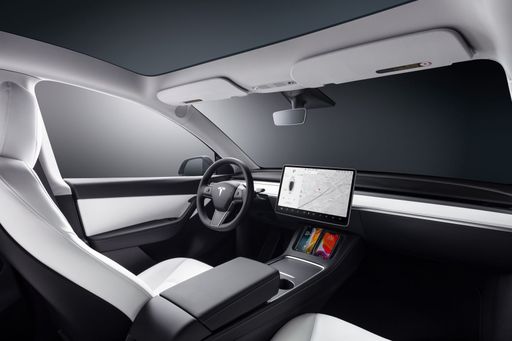
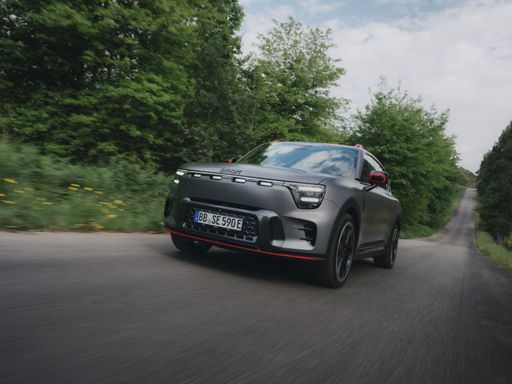
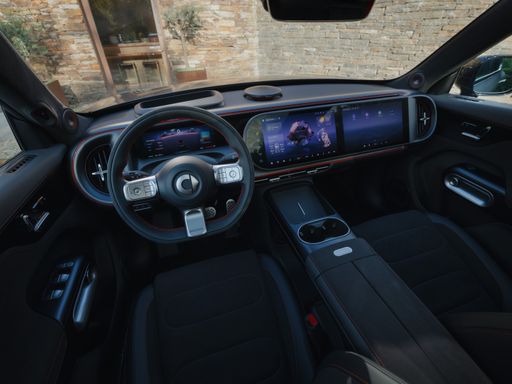
The smart #5 leans into a soft, composed ride and materials that read a class above, so getting in feels a little like stepping into an upscale hotel lobby; its seats and dual-glazed hush make motorway miles feel almost effortless. The Tesla Model Y has improved its quietness and materials but still projects a more functional, techy interior where the large screen and minimalist layout dominate the tactile experience. In real use that means the smart #5 will soothe you over poor surfaces, whereas the Model Y keeps you more connected to the road with firmer damping and firmer seats. If tactile luxury and a floaty long‑distance seat are priorities, the smart #5 wins the comfort battle; if you prefer a driver-focused, efficient cabin that’s durable and highly practical, the Model Y suits better.

Model Y

Practicality and everyday usability

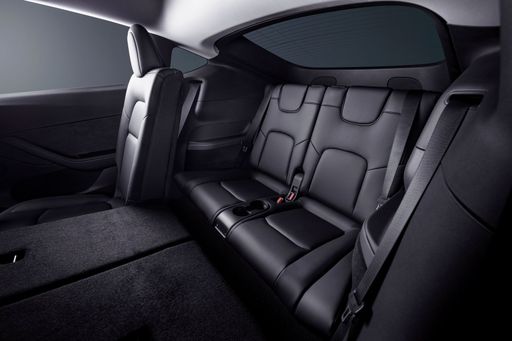
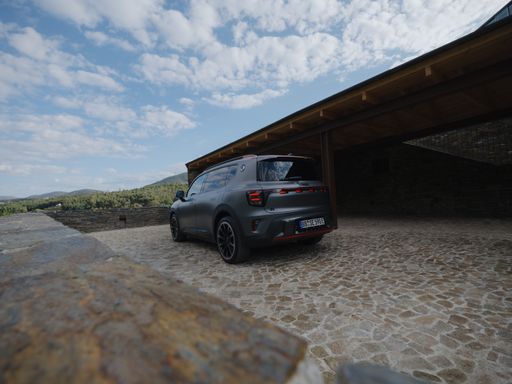
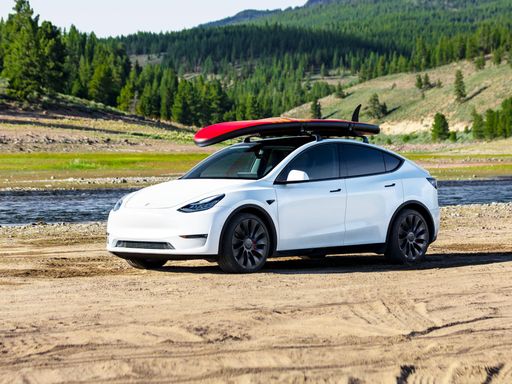
The Tesla Model Y makes day‑to‑day life easier with obvious storage solutions: a big, well-shaped boot, additional front storage and the ability to carry more people when needed, so it feels built for real family logistics. The smart #5 offers a very generous rear passenger space with reclining seats and a premium feel, but its high loading lip and some quirky door and interior controls make heavy or frequent cargo chores slightly more awkward. In short drives and school runs the Model Y’s flat floor and load-through practicality win out, while smart #5 owners get superior rear-seat comfort at the expense of a fiddlier loading experience. Ergonomically the Tesla’s screen-first approach is efficient once learned; the smart #5’s menus and touch-only HVAC are more likely to frustrate users who want physical shortcuts.

#5

Long-distance behavior and charging habits

On long trips the two cars arrive at convenience by different routes: the Tesla Model Y leverages efficiency and a mature charging ecosystem to make range planning straightforward and predictable, so you spend more distance driving and less time fretting about chargers. The smart #5 shortens individual charging stops dramatically and rewards a driving rhythm of fast hops between high-power stations, but its higher motorway appetite means you may need more frequent top-ups overall. Both are quiet and relaxed at speed, but the Model Y’s one-pedal driving and integrated navigation-to-charger logic simplify long legs, while the smart #5’s cushioned ride keeps occupants fresher between stops. Choose the Model Y if predictable long-range economy and network convenience are top priorities; pick the smart #5 if minimizing stop duration and cabin comfort on long runs matter more to your routine.

Model Y

City driving and everyday handling

In urban settings the smart #5 feels composed and easy to live with because of its supple suspension and 360° cameras, which mask its bulk and make daily commuting comfortable. The Tesla Model Y is also manageable thanks to its cameras and one-pedal control, but its larger turning circle, firmer ride and limited rear window visibility make tight manoeuvres more demanding. Both cars have touch-centric controls that can be fiddly in stop‑start traffic, but the smart #5’s premium finishes and quieter cabin make rush-hour time less fatiguing. If your city life includes narrow lanes and tight parking, the smart #5’s cameras and comfortable ride will feel friendlier; if you value straightforward controls and cargo flexibility for urban errands, the Model Y still has the edge.

#5

Buyer fit and the trade-offs that matter before the specs

Put simply: the Tesla Model Y suits buyers who prioritise real-world efficiency, maximum usable space and an integrated fast-charging ecosystem — think families, long-distance commuters and buyers who prize functionality over fuss. The smart #5 is aimed at customers who want an unusually quiet, plush cabin, ultra-short charging stops and a premium feel for everyone in the back — ideal for comfort-focused families and those doing lots of motorway miles with few breaks. Both cars carry compromises: the Model Y’s minimalist controls and firmer ride can irritate comfort-seekers, while the smart #5’s higher energy use and menu-driven controls test frugality-minded owners. With those trade-offs clear, the technical comparison that follows will map how the differences in range, charging behaviour, space and performance translate into everyday costs and convenience for each buyer profile.

Here’s where it gets real: The technical differences in detail

Model Y

Costs and Efficiency:

Price and efficiency are often the first things buyers look at. Here it becomes clear which model has the long-term edge – whether at the pump, the plug, or in purchase price.

Tesla Model Y is moderately cheaper – starting at 34,300 £ , while the smart #5 costs 39,300 £ . That’s a price difference of around 5,065 £.

In terms of energy consumption, the Tesla Model Y is significantly more efficient: consuming 13.1 kWh/100km compared to 18.4 kWh/100km for the smart #5. That’s a difference of about 5.3 kWh/100km.

As for electric range, the Tesla Model Y offers very slightly more range – reaching up to 622 km, about 32 km more than the smart #5.

#5

Engine and Performance:

Power, torque and acceleration say a lot about how a car feels on the road. This is where you see which model delivers more driving dynamics.

When it comes to engine power, the smart #5 offers markedly more power – delivering 646 HP compared to 460 HP. That’s roughly 186 HP more horsepower.

When accelerating from 0 to 100 km/h, the Tesla Model Y is very slightly quicker – completing the sprint in 3.5 s, while the smart #5 takes 3.8 s. That’s about 0.3 s quicker.

There’s also a difference in torque: the smart #5 delivers only slightly more torque with 710 Nm compared to 660 Nm. That’s about 50 Nm more.

Model Y

Space and Everyday Use:

Cabin size, boot volume and payload all play a role in everyday practicality. Here, comfort and flexibility make the difference.

Seats: Tesla Model Y offers more seats – 7 vs 5.

In terms of curb weight, Tesla Model Y is moderately lighter – 1,976 kg compared to 2,200 kg. The difference is around 224 kg.

Looking at boot space, the Tesla Model Y offers clearly more boot space – 836 L compared to 630 L. That’s a difference of about 206 L.

When it comes to payload, the smart #5 carries barely more – 502 kg compared to 472 kg. That’s a difference of about 30 kg.

Who wins the race in the data check?

The Tesla Model Y is clearly superior overall in the objective data comparison.
This result only shows which model scores more points on paper – not which of the two cars feels right for you.

from £34,300
Model Y

Tesla Model Y

  • Engine Type : Electric
  • Transmission : Automatic
  • Drive Type : All-Wheel Drive, Rear-Wheel Drive
  • Power HP : 299 - 460 HP
  • Consumption kWh/100km : 13.1 - 16.2 kWh/100km
  • Electric Range : 534 - 622 km
Tesla Model Y
smart #5

Costs and Consumption

View detailed analysis

Engine and Performance

View detailed analysis

Dimensions and Body

View detailed analysis

Tesla Model Y

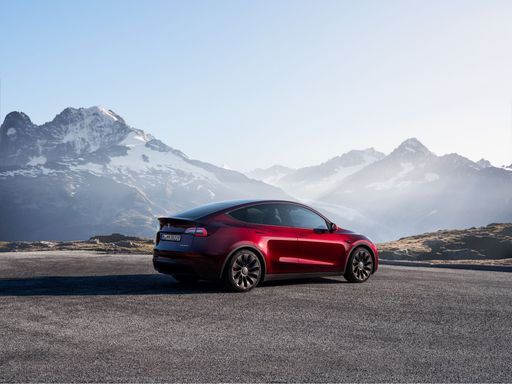
The Tesla Model Y is a compact electric SUV that pairs practical interior space with a minimalist, tech-forward cabin that feels modern and airy. Its confident electric performance and suite of driver-assist features make everyday driving effortless, and regular software updates help the car stay fresh over time.

details

smart #5

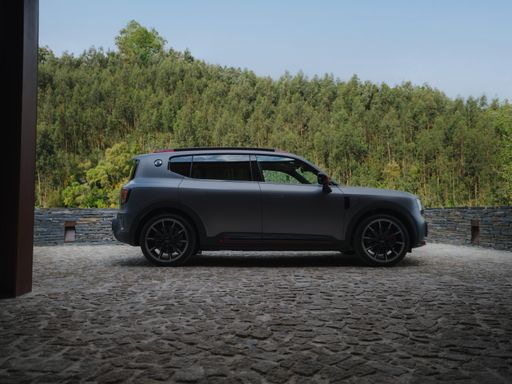
The Smart #5 continues to build on the brand's legacy of compact and efficient urban vehicles, now infused with a more modern and stylish design. Its sleek appearance is complemented by a spacious interior, offering comfort without compromising its compact nature. This model is ideal for city dwellers seeking a blend of innovation, practicality, and style in their daily drives.

details
Tesla Model Y
smart #5

Costs and Consumption

Price
34,300 - 53,100 £
Price
39,300 - 52,200 £
Consumption L/100km
-
Consumption L/100km
-
Consumption kWh/100km
13.1 - 16.2 kWh/100km
Consumption kWh/100km
18.4 - 19.9 kWh/100km
Electric Range
534 - 622 km
Electric Range
465 - 590 km
Battery Capacity
-
Battery Capacity
74.4 - 94 kWh
co2
0 g/km
co2
0 g/km
Fuel tank capacity
-
Fuel tank capacity
-

Dimensions and Body

Body Type
SUV
Body Type
SUV
Seats
5 - 7
Seats
5
Doors
-
Doors
5
Curb weight
1,976 - 2,108 kg
Curb weight
2,200 - 2,378 kg
Trunk capacity
822 - 836 L
Trunk capacity
630 L
Length
-
Length
4,695 mm
Width
1,920 mm
Width
1,920 mm
Height
-
Height
1,705 mm
Max trunk capacity
-
Max trunk capacity
1,530 L
Payload
435 - 472 kg
Payload
475 - 502 kg

Engine and Performance

Engine Type
Electric
Engine Type
Electric
Transmission
Automatic
Transmission
Automatic
Transmission Detail
Reduction Gearbox
Transmission Detail
Reduction Gearbox
Drive Type
All-Wheel Drive, Rear-Wheel Drive
Drive Type
Rear-Wheel Drive, All-Wheel Drive
Power HP
299 - 460 HP
Power HP
340 - 646 HP
Acceleration 0-100km/h
3.5 - 7.2 s
Acceleration 0-100km/h
3.8 - 6.9 s
Max Speed
-
Max Speed
200 - 210 km/h
Torque
420 - 660 Nm
Torque
373 - 710 Nm
Number of Cylinders
-
Number of Cylinders
-
Power kW
220 - 338 kW
Power kW
250 - 475 kW
Engine capacity
-
Engine capacity
-

General

Model Year
2,025 - 2,026
Model Year
2025
CO2 Efficiency Class
A
CO2 Efficiency Class
A
Brand
Tesla
Brand
smart
DriveDuel uses data analysis and artificial intelligence to evaluate vehicle data and create content. Content is regularly reviewed and improved. The displayed prices are estimates based on German list prices, adjusted to the respective country’s VAT. Country-specific registration taxes are not included. This information is not legally binding.