VS

Tesla Model Y vs XPeng P7+ comparison

Compare performance (460 HP vs 503 HP), boot space and price (34,300 £ vs 39,900 £ ) at a glance. Find out which car is the better choice for you – Tesla Model Y or XPeng P7+?

Tesla Model Y vs XPeng P7+: Key differences

Tesla Model Y

4.5 (8 Reviews)
rate
  • a bit cheaper
  • moderately more efficient
  • somewhat more electric range
  • visibly quicker 0–100 km/h
  • very slightly lighter
  • visibly more trunk space
details

XPeng P7+

4.9 (1 Reviews)
rate
  • barely more power
details

All details on performance, efficiency, range and trunk space can be found in the technical comparison below – including user reviews for both models.

By Achim Sedelmaier

Model Y

Head-to-head: Tesla Model Y VS XPeng P7+

Tesla Model Y VS XPeng P7+ frames a clear cross‑camp choice: the Model Y is an efficient, cavernous SUV with a strong charging ecosystem, while the XPeng P7+ is a long, quiet fastback that prioritises comfort and extremely short DC stops. The Model Y feels like a practical tool for families and regular long trips, with software and packaging engineered around low running costs and cargo flexibility. The P7+ pitches itself as a refined touring car that brings generous equipment and a calm cabin at a competitive price. In this matchup the differences are about the way each car solves the same problems—range and convenience versus charging speed and on-board comfort—rather than one simply being “better.”
P7+

Character and driving feel

Tesla Model Y drives on a taut, energetic chord: brisk acceleration, one‑pedal ease and a chassis tuned for stability rather than plush compliance, which rewards confident motorway progress. The XPeng P7+ leans into composure—steering and suspension favour a relaxed, cruise‑oriented experience with a more forgiving ride over poor surfaces. That contrast is obvious day‑to‑day: the Model Y feels sharper and more alert, the P7+ trades immediacy for serenity and sustained comfort. Drivers who enjoy a lively, buttoned‑down SUV will prefer the Model Y, while those who want a lounge‑like, less demanding long‑distance companion will gravitate to the P7+.

Model Y

Comfort and long‑distance behaviour

On long runs the XPeng P7+ scores with softer damping, very quiet glazing and available rear comfort features that make hours in the back less tiring than most rivals. The Tesla Model Y, after recent updates, is surprisingly quiet and remarkably efficient on the motorway, but its suspension remains firmer and the ride transmits more road texture. In practical touring terms the P7+ shortens stops with its rapid DC charging capability, while the Model Y’s integrated charging ecosystem reduces planning stress and tends to cover longer stretches between obvious breaks. If you want a relaxed cabin and pampering rear seats, pick the P7+; if you want fewer stops and lower ongoing energy cost for long hauls, the Model Y is hard to beat.

Practicality and everyday usability

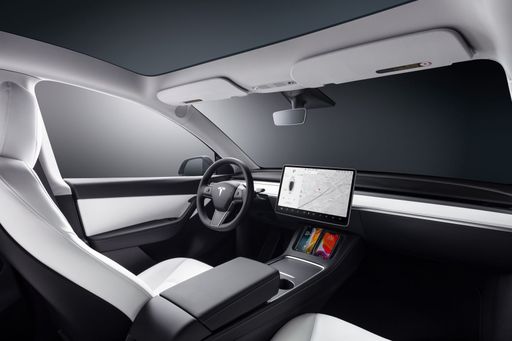
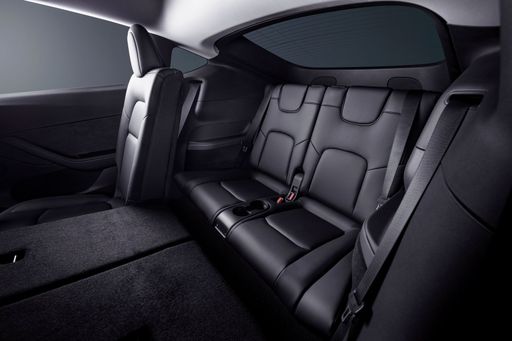
Tesla Model Y is unmistakably the more overtly practical option: cavernous load space, a usable frunk and an optional extra row make it a family‑oriented hauler that swallows bulky items without fuss. The XPeng P7+ offers a large, well‑shaped boot and a refined interior, but its sedan proportions and lack of certain cargo conveniences mean it feels less flexible for irregular heavy loads or extra passengers. Inside, the Model Y’s minimalist layout gives you lots of storage but pushes many functions into the central screen, whereas the P7+ pairs solid material feel and extensive standard kit with a more conventional luxury tilt. Families who need sheer volume and utility will find the Model Y more forgiving; buyers who prize a tidy, well‑equipped cabin over maximum modularity will prefer the P7+.

City friendliness, tech and usability

Neither car is perfectly at home in tight, old‑city streets, but for different reasons: the Tesla Model Y’s big turning circle and reduced rear visibility make urban manoeuvres fiddly, while the XPeng P7+’s overall length and width simply demand more space to park. Both cars rely heavily on digital menus for secondary controls, but the P7+ tends to offer more physical comfort features as standard and a quieter, more traditionally appointed interior; the Model Y leans on a sharper software experience, OTA updates and superior route/charger integration. Assist systems can be a mixed bag in both—Tesla’s ecosystem feels integrated and familiar to many, XPeng’s ADAS is capable but occasionally intrusive—so ergonomics and how you like to interact with a car tip the balance. If you live in a cramped urban setting you’ll need to weigh the Model Y’s maneuverability compromises against the P7+’s footprint before committing.

Buyer fit and the key trade‑offs to consider

Choose the Tesla Model Y if your priorities are maximum practical range, the convenience of a mature charging network and the most flexible cargo and seating arrangements; the Model Y suits families and frequent long‑distance drivers who value efficiency and low running costs. Opt for the XPeng P7+ if you want a more luxurious, calm cabin, strong equipment levels for the money and the shortest possible DC charge stops that keep travel time down. Both cars bring modern tech and strong road manners, but they serve different types of daily life: Model Y for utility and systemised range, P7+ for on‑board comfort and value. Read on to the technical comparison for the concrete trade‑offs in range, consumption, charging behaviour and cargo volumes that underline these editorial differences.

Here’s where it gets real: The technical differences in detail

Model Y

Costs and Efficiency:

When it comes to price and running costs, the biggest differences usually appear. This is often where you see which car fits your budget better in the long run.

Tesla Model Y is a bit cheaper – starting at 34,300 £ , while the XPeng P7+ costs 39,900 £ . That’s a price difference of around 5,665 £.

In terms of energy consumption, the Tesla Model Y is moderately more efficient: consuming 13.1 kWh/100km compared to 15.2 kWh/100km for the XPeng P7+. That’s a difference of about 2.1 kWh/100km.

As for electric range, the Tesla Model Y offers somewhat more range – reaching up to 622 km, about 92 km more than the XPeng P7+.

P7+

Engine and Performance:

Under the bonnet, it becomes clear which model is tuned for sportiness and which one takes the lead when you hit the accelerator.

When it comes to engine power, the XPeng P7+ offers barely more power – delivering 503 HP compared to 460 HP. That’s roughly 43 HP more horsepower.

When accelerating from 0 to 100 km/h, the Tesla Model Y is visibly quicker – completing the sprint in 3.5 s, while the XPeng P7+ takes 4.3 s. That’s about 0.8 s quicker.

There’s also a difference in torque: the XPeng P7+ delivers barely more torque with 670 Nm compared to 660 Nm. That’s about 10 Nm more.

Model Y

Space and Everyday Use:

Beyond pure performance, interior space and usability matter most in daily life. This is where you see which car is more practical and versatile.

Seats: Tesla Model Y offers more seats – 7 vs 5.

In terms of curb weight, Tesla Model Y is very slightly lighter – 1,976 kg compared to 1,999 kg. The difference is around 23 kg.

Looking at boot space, the Tesla Model Y offers visibly more boot space – 836 L compared to 573 L. That’s a difference of about 263 L.

When it comes to payload, the XPeng P7+ carries only slightly more – 486 kg compared to 472 kg. That’s a difference of about 14 kg.

Who wins the race in the data check?

The Tesla Model Y is far ahead overall in the objective data comparison.
This result only shows which model scores more points on paper – not which of the two cars feels right for you.

from £34,300
Model Y

Tesla Model Y

  • Engine Type Electric
  • Transmission Automatic
  • Drive Type All-Wheel Drive, Rear-Wheel Drive
  • Power HP 299 - 460 HP
  • Consumption kWh/100km 13.1 - 16.2 kWh/100km
  • Electric Range 534 - 622 km
Tesla Model Y
XPeng P7+

Costs and Consumption

View detailed analysis

Engine and Performance

View detailed analysis

Dimensions and Body

View detailed analysis

Tesla Model Y

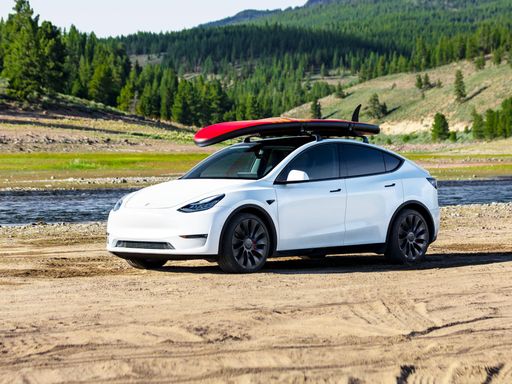
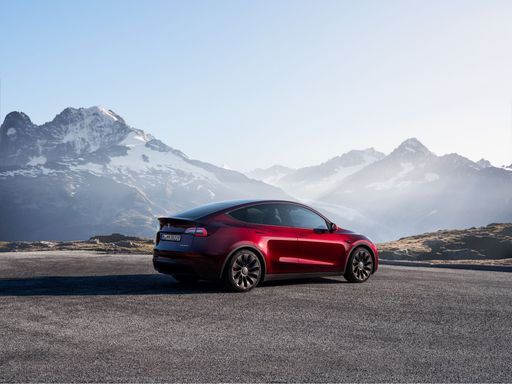
The Tesla Model Y is a compact electric SUV that pairs practical interior space with a minimalist, tech-forward cabin that feels modern and airy. Its confident electric performance and suite of driver-assist features make everyday driving effortless, and regular software updates help the car stay fresh over time.

details

XPeng P7+

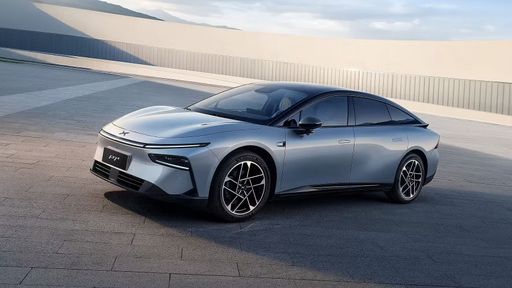
The XPeng P7+ is a sleek, coupe-like electric sedan that pairs a spacious, tech-forward cabin with an easygoing yet poised driving character — think premium feel without premium smugness. Packed with clever driver aids and a refined ride that earns the odd grin on twisty roads, it’s a compelling, modern alternative to the usual premium suspects.

details
Tesla Model Y
XPeng P7+

Costs and Consumption

Price
34,300 - 53,100 £
Price
39,900 - 45,900 £
Consumption L/100km
-
Consumption L/100km
-
Consumption kWh/100km
13.1 - 16.2 kWh/100km
Consumption kWh/100km
15.2 - 17.4 kWh/100km
Electric Range
534 - 622 km
Electric Range
455 - 530 km
Battery Capacity
-
Battery Capacity
-
co2
0 g/km
co2
0 g/km
Fuel tank capacity
-
Fuel tank capacity
-

Dimensions and Body

Body Type
SUV
Body Type
Hatchback
Seats
5 - 7
Seats
5
Doors
-
Doors
-
Curb weight
1,976 - 2,108 kg
Curb weight
1,999 - 2,200 kg
Trunk capacity
822 - 836 L
Trunk capacity
573 L
Length
-
Length
-
Width
1,920 mm
Width
1,937 mm
Height
-
Height
-
Max trunk capacity
-
Max trunk capacity
-
Payload
435 - 472 kg
Payload
485 - 486 kg

Engine and Performance

Engine Type
Electric
Engine Type
Electric
Transmission
Automatic
Transmission
Automatic
Transmission Detail
Reduction Gearbox
Transmission Detail
Reduction Gearbox
Drive Type
All-Wheel Drive, Rear-Wheel Drive
Drive Type
Rear-Wheel Drive, All-Wheel Drive
Power HP
299 - 460 HP
Power HP
245 - 503 HP
Acceleration 0-100km/h
3.5 - 7.2 s
Acceleration 0-100km/h
4.3 - 6.9 s
Max Speed
-
Max Speed
-
Torque
420 - 660 Nm
Torque
450 - 670 Nm
Number of Cylinders
-
Number of Cylinders
-
Power kW
220 - 338 kW
Power kW
180 - 370 kW
Engine capacity
-
Engine capacity
-

General

Model Year
2,025 - 2,026
Model Year
2026
CO2 Efficiency Class
A
CO2 Efficiency Class
A
Brand
Tesla
Brand
XPeng
DriveDuel uses data analysis and artificial intelligence to evaluate vehicle data and create content. Content is regularly reviewed and improved. The displayed prices are estimates based on German list prices, adjusted to the respective country’s VAT. Country-specific registration taxes are not included. This information is not legally binding.