VS

Kia Stonic vs Peugeot 208 comparison

Compare performance (115 HP vs 156 HP), boot space and price (20,400 £ vs 21,000 £ ) at a glance. Find out which car is the better choice for you – Kia Stonic or Peugeot 208?

Kia Stonic vs Peugeot 208: Key differences

Kia Stonic

4.6 (2 Reviews)
rate
  • only slightly cheaper
details

Peugeot 208

4 (2 Reviews)
rate
  • clearly more power
  • visibly more efficient
  • clearly quicker 0–100 km/h
  • marginally lighter
details

All details on performance, efficiency, range and trunk space can be found in the technical comparison below – including user reviews for both models.

By Achim Sedelmaier

Stonic

Kia Stonic vs Peugeot 208: A Showdown of Style and Performance

The automotive landscape is constantly evolving, with new models vying for attention in the crowded compact segment. Today, we pit two of the most appealing contenders against each other: the Kia Stonic and the Peugeot 208. Each vehicle brings its own unique features, style, and performance capabilities to the table. Let's delve into the details of each model and explore their technical specifications and innovative offerings.
208

Design and Body Type

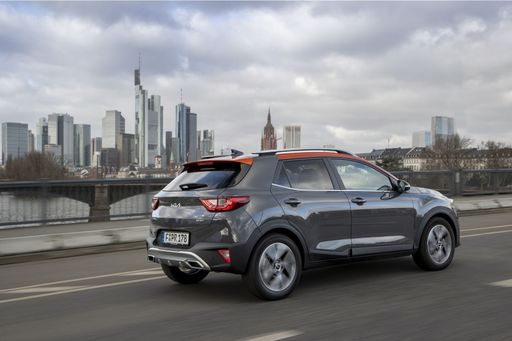
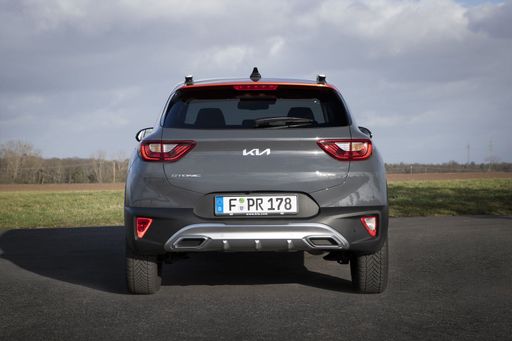
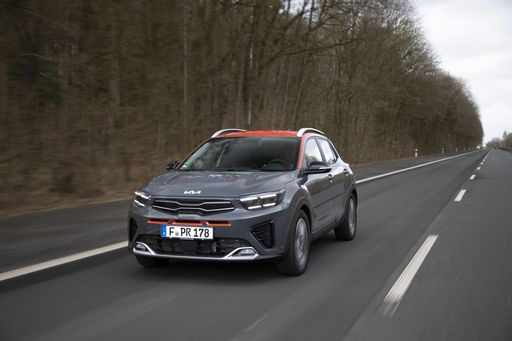
The Kia Stonic stands out as a subcompact SUV, combining the versatility of an SUV with the agility of a hatchback. Its robust design and higher driving position offer a sense of confidence and comfort on the road. The dimensions of the Stonic include a length of 4140 mm, width of 1760 mm, and height of 1505 mm, providing ample space for both passengers and luggage.

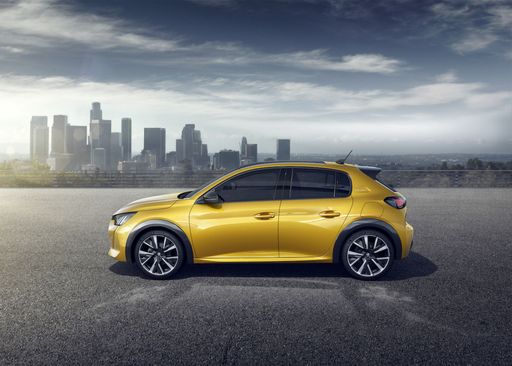
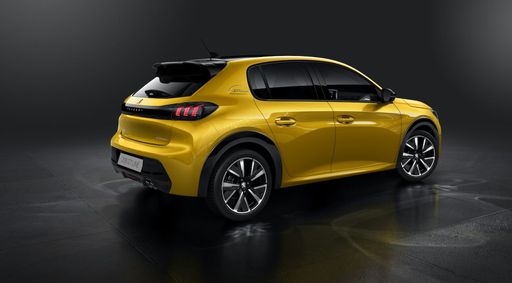
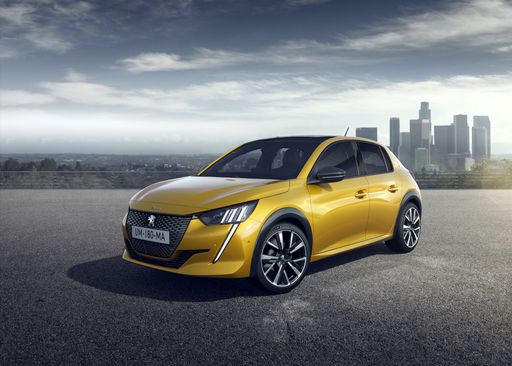
On the other hand, the Peugeot 208 takes the form of a sporty hatchback, boasting an elegant silhouette that emphasizes its contemporary styling. Measuring 4055 mm in length, 1745 mm in width, and 1430 mm in height, the 208 is compact yet stylish, catering to urban drivers seeking maneuverability and aesthetic appeal.

Stonic

Powertrain and Performance

When it comes to engine options, the Kia Stonic offers a choice between petrol and petrol mild-hybrid (MHEV) engines, delivering outputs of 79 to 100 HP, depending on the chosen variant. The Stonic features an efficient consumption rate ranging from 5.5 to 5.8 L/100km, making it a cost-effective choice for daily commutes. Acceleration from 0-100 km/h can be achieved in as little as 11.3 seconds.

The Peugeot 208, in contrast, provides a more extensive engine lineup, including petrol, petrol MHEV, and electric powertrains. With power outputs ranging from 101 HP in its petrol variant to an impressive 156 HP in its electric configuration, the 208 showcases versatility. The fuel consumption figures are competitive as well, with values as low as 4.7 L/100km. The electric range for the 208 can extend up to 410 km, making it a practical option for environmentally-conscious drivers.

208

Transmission and Driving Experience

Both models offer a range of transmission options. The Stonic is available with a manual gearbox or a dual-clutch automatic transmission, providing drivers with a personalized driving experience. Meanwhile, the 208 offers a choice of a manual gearbox or a dual-clutch automatic transmission as well, enhancing its appeal to a wider audience.

Driving dynamics also differ between the two. The Kia Stonic, with its SUV characteristics, offers a higher driving position and a stable feel on the road, making it suitable for various driving environments. In contrast, the Peugeot 208 is designed for agility and responsiveness, providing a sportier driving experience that urban drivers may crave.

Stonic

Interior and Technology Features

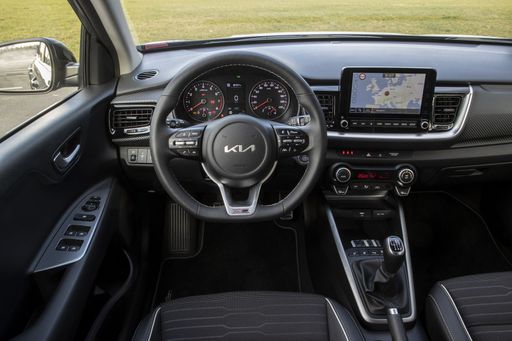
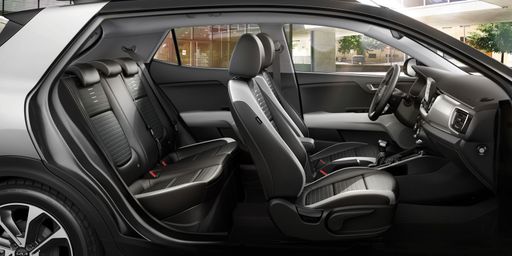
Inside the Kia Stonic, you will find a spacious cabin with a focus on comfort and practicality. Standard features include a user-friendly infotainment system, supporting both Apple CarPlay and Android Auto. Trunk capacity of 352 liters provides ample room for luggage, while the vehicle comfortably seats five occupants.

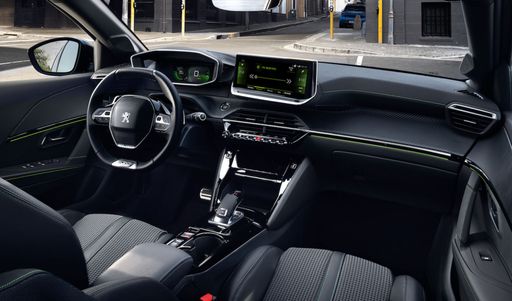
The Peugeot 208, with its modern interior design, boasts quality materials and an intuitive layout. The innovative i-Cockpit design enhances the driving experience with a compact steering wheel and a digital instrument panel. While it offers a smaller trunk capacity of 265 liters, the spacious and stylish interior compensates for this, making it feel more upscale than its rivals.

208

Safety and Innovation

In terms of safety, both models come equipped with a suite of driver assistance systems. The Kia Stonic features systems such as forward collision warning and lane-keeping assist, providing peace of mind to drivers and passengers alike.

The Peugeot 208, meanwhile, raises the bar with additional innovative features, such as adaptive cruise control and automatic emergency braking. With a commendable CO2 efficiency class rating of A for its electric variant, the 208 stands out as a progressive choice for eco-conscious motorists.

Stonic

Conclusion: Which One is Right for You?

In the battle of the Kia Stonic versus the Peugeot 208, both vehicles present compelling arguments. The Stonic excels in practicality, space, and SUV comfort, while the 208 impresses with stylish design and advanced technology, particularly in its electric variant. Ultimately, the choice depends on individual driving preferences and lifestyle needs. Whether you seek the rugged charm of the Stonic or the sleek sophistication of the 208, both models epitomize the best of what the compact segment has to offer.

Here’s where it gets real: The technical differences in detail

Stonic

Costs and Efficiency:

Price and efficiency are key factors when choosing a car – and this is often where the real differences emerge.

Kia Stonic is only slightly cheaper – starting at 20,400 £ , while the Peugeot 208 costs 21,000 £ . That’s a price difference of around 591 £.

Fuel consumption also shows a difference: the Peugeot 208 uses 4.5 L/100km and is visibly more efficient than the Kia Stonic with 5.6 L/100km. The difference is about 1.1 L/100km.

208

Engine and Performance:

Power, torque and acceleration are the classic benchmarks for car enthusiasts – and here, some clear differences start to show.

When it comes to engine power, the Peugeot 208 offers clearly more power – delivering 156 HP compared to 115 HP. That’s roughly 41 HP more horsepower.

When accelerating from 0 to 100 km/h, the Peugeot 208 is clearly quicker – completing the sprint in 8.3 s, while the Kia Stonic takes 10.7 s. That’s about 2.4 s quicker.

There’s also a difference in torque: the Peugeot 208 delivers clearly more torque with 270 Nm compared to 200 Nm. That’s about 70 Nm more.

Stonic

Space and Everyday Use:

Beyond pure performance, interior space and usability matter most in daily life. This is where you see which car is more practical and versatile.

Both vehicles offer seating for 5 people.

In terms of curb weight, Peugeot 208 is marginally lighter – 1,165 kg compared to 1,205 kg. The difference is around 40 kg.

Boot capacity is identical – both offer 352 L of storage.

When it comes to payload, the Kia Stonic carries very slightly more – 445 kg compared to 430 kg. That’s a difference of about 15 kg.

Who wins the race in the data check?

The Peugeot 208 stands well ahead of its rival in the objective data comparison.
This result only shows which model scores more points on paper – not which of the two cars feels right for you.

from £21,000
208

Peugeot 208

  • Engine Type Petrol MHEV, Electric, Petrol
  • Transmission Automatic, Manuel
  • Drive Type Front-Wheel Drive
  • Power HP 101 - 156 HP
  • Consumption L/100km 4.5 - 5.1 L/100km
  • Consumption kWh/100km 14.1 - 15.4 kWh/100km
  • Electric Range 363 - 432 km
Kia Stonic
Peugeot 208

Costs and Consumption

View detailed analysis

Engine and Performance

View detailed analysis

Dimensions and Body

View detailed analysis

Kia Stonic

The Kia Stonic is a compact crossover that pairs nimble city manners with a surprisingly spacious and comfortable cabin. It’s a practical, well-equipped choice for buyers who value sensible features, approachable styling and easy everyday usability.

details

Peugeot 208

The Peugeot 208 feels like a city-savvy fox: compact, stylish and surprisingly grown-up, with a cabin that punches above its weight and enough personality to make daily commutes a little less boring. It’s a smart pick for buyers who want chic practicality without the showroom bluster — easy to park, thrifty to run and oddly fun when the road tightens up.

details
Kia Stonic
Peugeot 208

Costs and Consumption

Price
20,400 - 26,800 £
Price
21,000 - 33,200 £
Consumption L/100km
5.6 - 5.7 L/100km
Consumption L/100km
4.5 - 5.1 L/100km
Consumption kWh/100km
-
Consumption kWh/100km
14.1 - 15.4 kWh/100km
Electric Range
-
Electric Range
363 - 432 km
Battery Capacity
-
Battery Capacity
-
co2
126 - 128 g/km
co2
0 - 116 g/km
Fuel tank capacity
-
Fuel tank capacity
-

Dimensions and Body

Body Type
SUV
Body Type
Hatchback
Seats
5
Seats
5
Doors
-
Doors
-
Curb weight
1,205 - 1,270 kg
Curb weight
1,165 - 1,530 kg
Trunk capacity
352 L
Trunk capacity
309 - 352 L
Length
-
Length
-
Width
1,760 mm
Width
1,745 mm
Height
-
Height
-
Max trunk capacity
-
Max trunk capacity
-
Payload
440 - 445 kg
Payload
380 - 430 kg

Engine and Performance

Engine Type
Petrol, Petrol MHEV
Engine Type
Petrol MHEV, Electric, Petrol
Transmission
Manuel, Automatic
Transmission
Automatic, Manuel
Transmission Detail
Manual Gearbox, Dual-Clutch Automatic
Transmission Detail
Dual-Clutch Automatic, Reduction Gearbox, Manual Gearbox
Drive Type
Front-Wheel Drive
Drive Type
Front-Wheel Drive
Power HP
100 - 115 HP
Power HP
101 - 156 HP
Acceleration 0-100km/h
10.7 - 12.1 s
Acceleration 0-100km/h
8.3 - 10.9 s
Max Speed
-
Max Speed
-
Torque
172 - 200 Nm
Torque
205 - 270 Nm
Number of Cylinders
3
Number of Cylinders
3
Power kW
74 - 85 kW
Power kW
74 - 115 kW
Engine capacity
998 cm3
Engine capacity
1,199 cm3

General

Model Year
2025
Model Year
2,025 - 2,026
CO2 Efficiency Class
D
CO2 Efficiency Class
C, A, D
Brand
Kia
Brand
Peugeot
DriveDuel uses data analysis and artificial intelligence to evaluate vehicle data and create content. Content is regularly reviewed and improved. The displayed prices are estimates based on German list prices, adjusted to the respective country’s VAT. Country-specific registration taxes are not included. This information is not legally binding.