
 Deutschland
 France
 Nederland
 Great Britain
 Sverige
 Norge
Norge Danmark
 Suomi
Suomi Italia
 Polska
 España
VS
Lexus ES vs Land Rover Range Rover Evoque - Differences and prices compared
Compare performance (218 HP vs 269 HP), boot space and price (46600 £ vs 43300 £ ) at a glance. Find out which car is the better choice for you – Lexus ES or Land Rover Range Rover Evoque?
ES
Costs and Efficiency:
Price and efficiency are often the first things buyers look at. Here it becomes clear which model has the long-term edge – whether at the pump, the plug, or in purchase price.
Land Rover Range Rover Evoque has a hardly perceptible advantage in terms of price – it starts at 43300 £ , while the Lexus ES costs 46600 £ . That’s a price difference of around 3300 £.
Fuel consumption also shows a difference: Land Rover Range Rover Evoque manages with 3.70 L and is therefore distinct more efficient than the Lexus ES with 5.10 L. The difference is about 1.40 L per 100 km.
Range Rover Evoque
Engine and Performance:
Power, torque and acceleration say a lot about how a car feels on the road. This is where you see which model delivers more driving dynamics.
When it comes to engine power, the Land Rover Range Rover Evoque has a somewhat edge – offering 269 HP compared to 218 HP. That’s roughly 51 HP more horsepower.
In acceleration from 0 to 100 km/h, the Land Rover Range Rover Evoque is evident quicker – completing the sprint in 7.20 s, while the Lexus ES takes 8.90 s. That’s about 1.70 s faster.
In terms of top speed, the Land Rover Range Rover Evoque performs a bit better – reaching 213 km/h, while the Lexus ES tops out at 180 km/h. The difference is around 33 km/h.
Ad · Affiliate
As an Amazon Associate, we earn from qualifying purchases.
ES
Space and Everyday Use:
Whether family car or daily driver – which one offers more room, flexibility and comfort?
Both vehicles offer seating for 5 people.
In curb weight, Lexus ES is hardly perceptible lighter – 1680 kg compared to 1792 kg. The difference is around 112 kg.
In terms of boot space, the Land Rover Range Rover Evoque offers hardly perceptible more room – 472 L compared to 454 L. That’s a difference of about 18 L.
When it comes to payload, Land Rover Range Rover Evoque distinct takes the win – 600 kg compared to 470 kg. That’s a difference of about 130 kg.
Who wins the race?
The Land Rover Range Rover Evoque proves to be wins the duel decisively and therefore becomes our DriveDuel Champion!
Land Rover Range Rover Evoque is the better all-rounder in this comparison.
from about £43,300
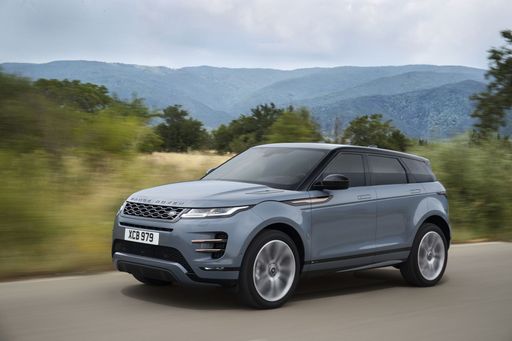
Land Rover Range Rover Evoque
Lexus ES
Land Rover Range Rover Evoque
Costs and Consumption
View detailed analysis
View detailed analysis
Engine and Performance
View detailed analysis
View detailed analysis
Dimensions and Body
View detailed analysis
View detailed analysis
Lexus ES
5 (1 Reviews)
The Lexus ES delivers a supremely comfortable, quietly luxurious experience that favors serene cruising over sporting theatrics. It wraps everyday practicality, top-notch build quality and unimpeachable reliability in a handsome, grown-up package that will appeal to buyers who prize calm refinement over headline-grabbing excitement.
details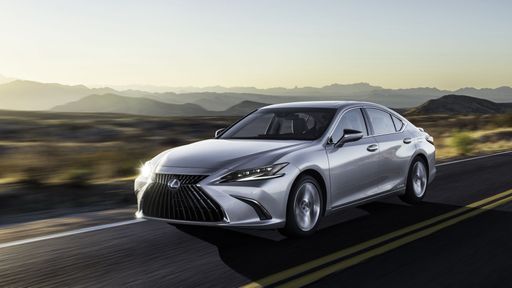

Land Rover Range Rover Evoque
1 (1 Reviews)
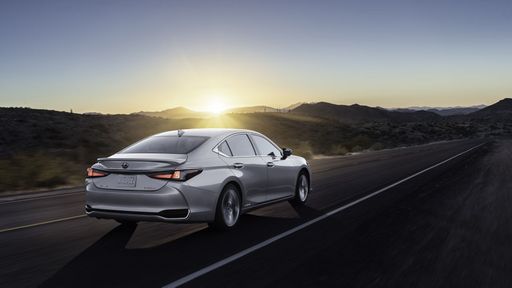
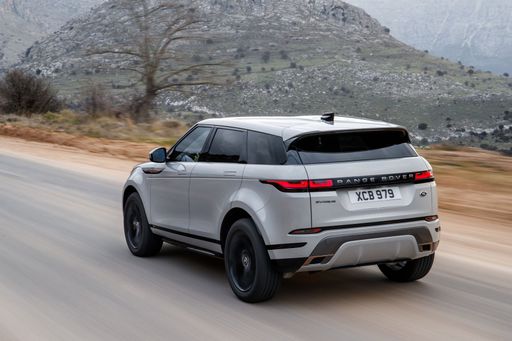
The Range Rover Evoque turns heads with a compact, sculpted silhouette and an interior that feels more boutique hotel than utility vehicle. It delivers composed, playful handling around town while keeping enough ruggedness for weekend escapes — perfect for buyers who want luxury without the ostentation.
details
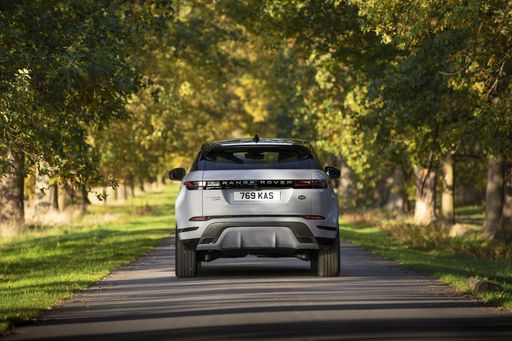
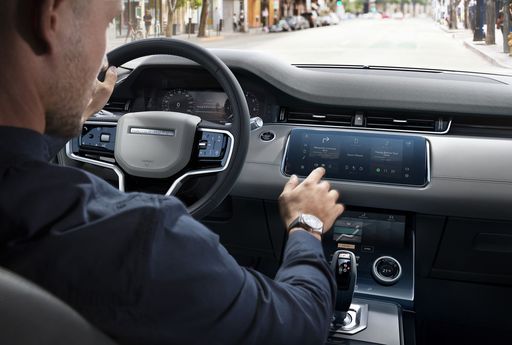
Lexus ES
Land Rover Range Rover Evoque
Costs and Consumption |
|
|---|---|
|
Price
46600 - 59300 £
|
Price
43300 - 64800 £
|
|
Consumption L/100km
5.10 L
|
Consumption L/100km
3.7 - 7.8 L
|
|
Consumption kWh/100km
-
|
Consumption kWh/100km
-
|
|
Electric Range
-
|
Electric Range
60 km
|
|
Battery Capacity
-
|
Battery Capacity
11.50 kWh
|
|
co2
115 g/km
|
co2
85 - 177 g/km
|
|
Fuel tank capacity
50 L
|
Fuel tank capacity
57 - 67 L
|
Dimensions and Body |
|
|---|---|
|
Body Type
Sedan
|
Body Type
SUV
|
|
Seats
5
|
Seats
5
|
|
Doors
4
|
Doors
5
|
|
Curb weight
1680 kg
|
Curb weight
1792 - 2157 kg
|
|
Trunk capacity
454 L
|
Trunk capacity
472 L
|
|
Length
4975 mm
|
Length
4371 mm
|
|
Width
1865 mm
|
Width
1900 mm
|
|
Height
1445 mm
|
Height
1649 mm
|
|
Max trunk capacity
-
|
Max trunk capacity
1156 L
|
|
Payload
470 kg
|
Payload
503 - 600 kg
|
Engine and Performance |
|
|---|---|
|
Engine Type
Full Hybrid
|
Engine Type
Petrol MHEV, Diesel MHEV, Plugin Hybrid
|
|
Transmission
Automatic
|
Transmission
Manuel, Automatic
|
|
Transmission Detail
CVT
|
Transmission Detail
Manual Gearbox, Automatic Gearbox
|
|
Drive Type
Front-Wheel Drive
|
Drive Type
Front-Wheel Drive, All-Wheel Drive
|
|
Power HP
218 HP
|
Power HP
160 - 269 HP
|
|
Acceleration 0-100km/h
8.90 s
|
Acceleration 0-100km/h
7.2 - 10.3 s
|
|
Max Speed
180 km/h
|
Max Speed
190 - 213 km/h
|
|
Torque
-
|
Torque
260 - 540 Nm
|
|
Number of Cylinders
4
|
Number of Cylinders
3 - 4
|
|
Power kW
160 kW
|
Power kW
118 - 198 kW
|
|
Engine capacity
2487 cm3
|
Engine capacity
1498 - 1998 cm3
|
General |
|
|---|---|
|
Model Year
2024
|
Model Year
2025
|
|
CO2 Efficiency Class
C
|
CO2 Efficiency Class
G, F, B
|
|
Brand
Lexus
|
Brand
Land Rover
|
Is the Lexus ES offered with different drivetrains?
The Lexus ES is offered with Front-Wheel Drive.
The prices shown are estimates based on German list prices, adjusted for local VAT. Local registration taxes (e.g. NoVA, BPM or CO2 malus) are not included. This information is not legally binding.