
 Deutschland
 France
 Nederland
 Great Britain
 Sverige
 Norge
Norge Danmark
 Suomi
Suomi Italia
 Polska
 España
VS
Lexus LBX vs Dacia Bigster – Which model is better for everyday use?
Compare performance, boot capacity, efficiency and price at a glance.
Find out which car is the better choice for you – Lexus LBX or Dacia Bigster?
LBX
@ Lexus / Toyota Motor Corporation
Costs and Efficiency:
When it comes to price and running costs, the biggest differences usually appear. This is often where you see which car fits your budget better in the long run.
Dacia Bigster has a evident advantage in terms of price – it starts at 20600 £, while the Lexus LBX costs 28300 £. That’s a price difference of around 7715 £.
Fuel consumption also shows a difference: Lexus LBX manages with 4.50 L and is therefore barely noticeable more efficient than the Dacia Bigster with 4.70 L. The difference is about 0.20 L per 100 km.
Bigster
@ Dacia / Renault Group Media
Engine and Performance:
Power, torque and acceleration say a lot about how a car feels on the road. This is where you see which model delivers more driving dynamics.
When it comes to engine power, the Dacia Bigster has a a bit edge – offering 155 HP compared to 136 HP. That’s roughly 19 HP more horsepower.
In acceleration from 0 to 100 km/h, the Lexus LBX is barely noticeable quicker – completing the sprint in 9.20 s, while the Dacia Bigster takes 9.70 s. That’s about 0.50 s faster.
In terms of top speed, the Dacia Bigster performs barely noticeable better – reaching 180 km/h, while the Lexus LBX tops out at 170 km/h. The difference is around 10 km/h.
There’s also a difference in torque: Dacia Bigster pulls slightly stronger with 230 Nm compared to 185 Nm. That’s about 45 Nm difference.
LBX
@ Lexus / Toyota Motor Corporation
Space and Everyday Use:
Whether family car or daily driver – which one offers more room, flexibility and comfort?
Both vehicles offer seating for 5 people.
In curb weight, Lexus LBX is to a small extent lighter – 1280 kg compared to 1425 kg. The difference is around 145 kg.
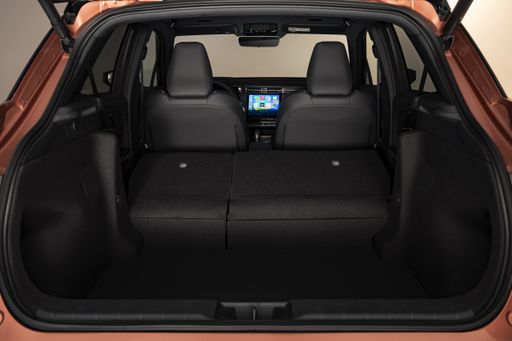
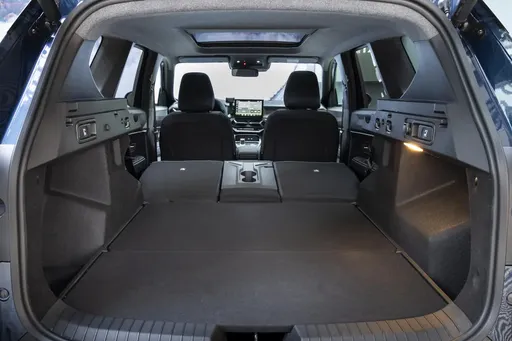
In terms of boot space, the Dacia Bigster offers decisively more room – 667 L compared to 332 L. That’s a difference of about 335 L.
In maximum load capacity, the Dacia Bigster performs decisively better – up to 1937 L, which is about 943 L more than the Lexus LBX.
When it comes to payload, Lexus LBX barely noticeable takes the win – 475 kg compared to 467 kg. That’s a difference of about 8 kg.
Who wins the race?
The Dacia Bigster proves to be is largely superior and therefore becomes our DriveDuel Champion!
Dacia Bigster is the better all-rounder in this comparison.
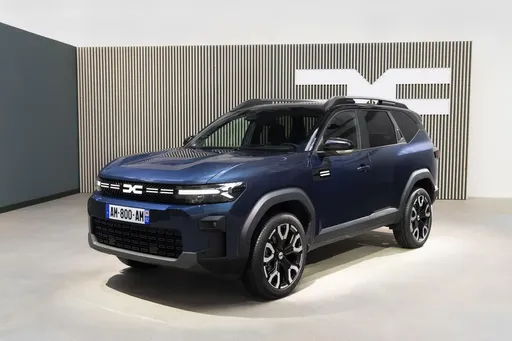
from about £20,600
 @ Dacia / Renault Group Media
Dacia Bigster
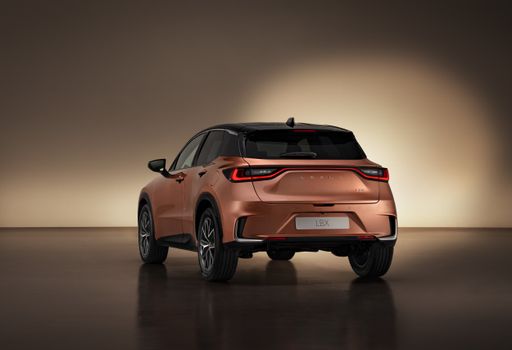
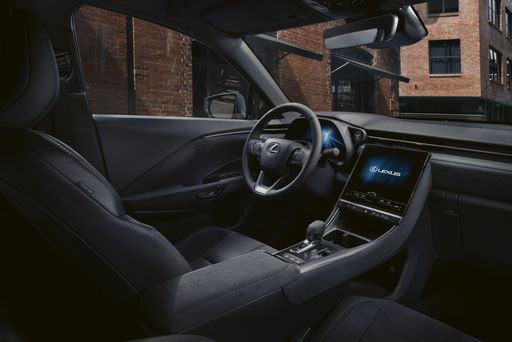
Lexus LBX
The Lexus LBX wraps premium touches and a surprisingly spacious cabin into a compact crossover that’s perfectly at home in town or heading out on longer drives. It wears the badge with quiet confidence, serving up a refined ride and clever packaging for buyers who want Lexus polish without shouting for attention.
details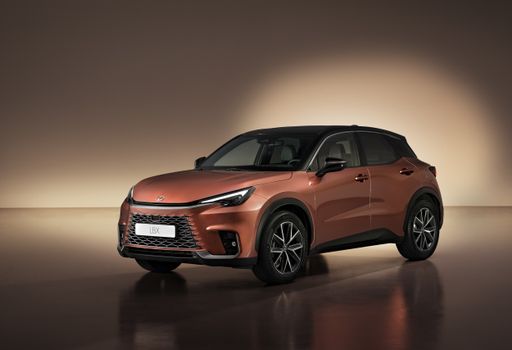 @ Lexus / Toyota Motor Corporation
 @ Lexus / Toyota Motor Corporation
 @ Lexus / Toyota Motor Corporation
 @ Lexus / Toyota Motor Corporation
Dacia Bigster
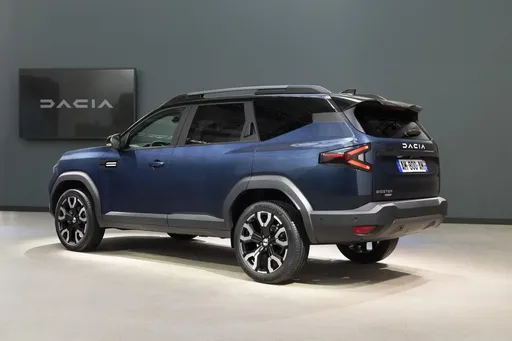
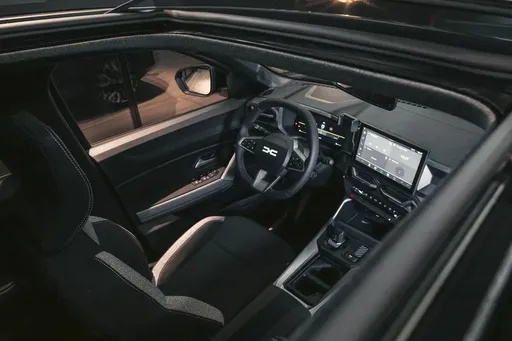
The Bigster is poised to redefine the SUV segment with its bold design and spacious interior, catering to the needs of both families and adventure seekers alike. Emphasizing sustainability and practicality, this model reflects a modern approach to automotive engineering, making it a compelling choice for environmentally conscious drivers. With its striking presence on the road, the Bigster not only captures attention but also embodies a new era of versatile mobility.
details
@ Dacia / Renault Group Media
 @ Dacia / Renault Group Media
 @ Dacia / Renault Group Media
 @ Dacia / Renault Group Media
 @ Dacia / Renault Group Media
Lexus LBX
Dacia Bigster
|
@ Lexus / Toyota Motor Corporation
|
@ Dacia / Renault Group Media
|
|
|
|
Costs and Consumption |
|
|---|---|
|
Price
28300 - 40000 £
|
Price
20600 - 26600 £
|
|
Consumption L/100km
4.5 - 4.8 L
|
Consumption L/100km
4.7 - 7.1 L
|
|
Consumption kWh/100km
-
|
Consumption kWh/100km
-
|
|
Electric Range
-
|
Electric Range
-
|
|
Battery Capacity
-
|
Battery Capacity
-
|
|
co2
102 - 110 g/km
|
co2
106 - 137 g/km
|
|
Fuel tank capacity
36 L
|
Fuel tank capacity
50 - 55 L
|
Dimensions and Body |
|
|---|---|
|
Body Type
SUV
|
Body Type
SUV
|
|
Seats
5
|
Seats
5
|
|
Doors
5
|
Doors
5
|
|
Curb weight
1280 - 1365 kg
|
Curb weight
1425 - 1547 kg
|
|
Trunk capacity
255 - 332 L
|
Trunk capacity
510 - 667 L
|
|
Length
4190 mm
|
Length
4570 mm
|
|
Width
1825 mm
|
Width
1813 mm
|
|
Height
1560 mm
|
Height
1705 mm
|
|
Max trunk capacity
992 - 994 L
|
Max trunk capacity
1813 - 1937 L
|
|
Payload
455 - 475 kg
|
Payload
383 - 467 kg
|
Engine and Performance |
|
|---|---|
|
Engine Type
Full Hybrid
|
Engine Type
Petrol MHEV, Full Hybrid, LPG
|
|
Transmission
Automatic
|
Transmission
Manuel, Automatic
|
|
Transmission Detail
CVT
|
Transmission Detail
Manual Gearbox, Automated Manual
|
|
Drive Type
Front-Wheel Drive, All-Wheel Drive
|
Drive Type
All-Wheel Drive, Front-Wheel Drive
|
|
Power HP
136 HP
|
Power HP
130 - 155 HP
|
|
Acceleration 0-100km/h
9.2 - 9.6 s
|
Acceleration 0-100km/h
9.7 - 11.2 s
|
|
Max Speed
170 km/h
|
Max Speed
180 km/h
|
|
Torque
185 Nm
|
Torque
230 Nm
|
|
Number of Cylinders
3
|
Number of Cylinders
3 - 4
|
|
Power kW
100 kW
|
Power kW
96 - 115 kW
|
|
Engine capacity
1490 cm3
|
Engine capacity
1199 - 1799 cm3
|
General |
|
|---|---|
|
Model Year
2025
|
Model Year
2025
|
|
CO2 Efficiency Class
C
|
CO2 Efficiency Class
E, D, C
|
|
Brand
Lexus
|
Brand
Dacia
|
What drivetrain options does the Lexus LBX have?
Available configurations include Front-Wheel Drive or All-Wheel Drive.
The prices and data displayed are estimates based on German list prices and may vary by country. This information is not legally binding.