VS

Mercedes GLC vs Volvo EX90 comparison

Compare performance (680 HP vs 680 HP), boot space and price (50300 £ vs 73700 £ ) at a glance. Find out which car is the better choice for you – Mercedes GLC or Volvo EX90?

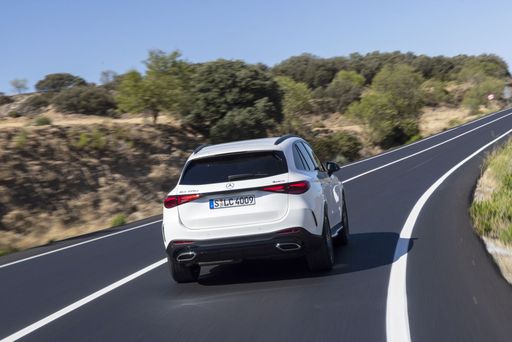
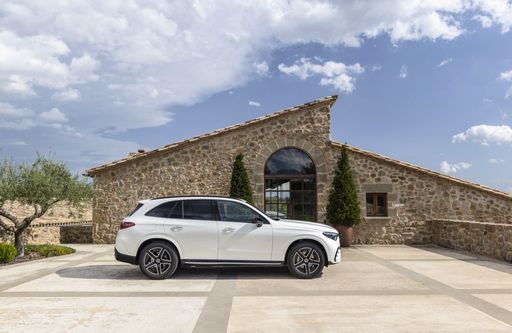
GLC

Mercedes GLC vs Volvo EX90: A Comprehensive Comparison

The automotive sector is witnessing a significant transition towards electrification and advanced technology, and two standout contenders in the SUV market are the Mercedes GLC and the Volvo EX90. Both vehicles offer unique features catering to different kinds of drivers, but how do they stack up against each other? This comparison will delve into the technical aspects, performance metrics, and innovative features of each model.
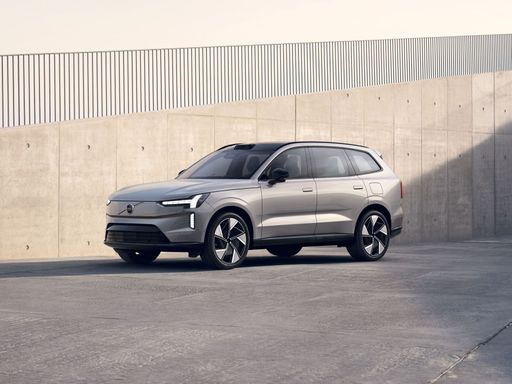
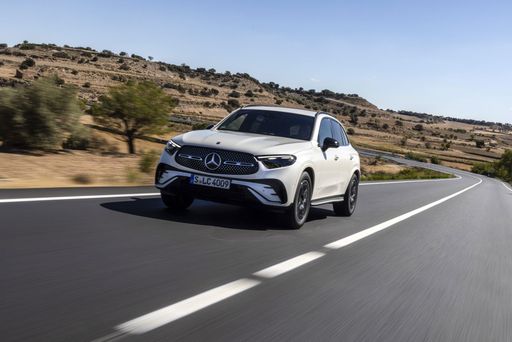
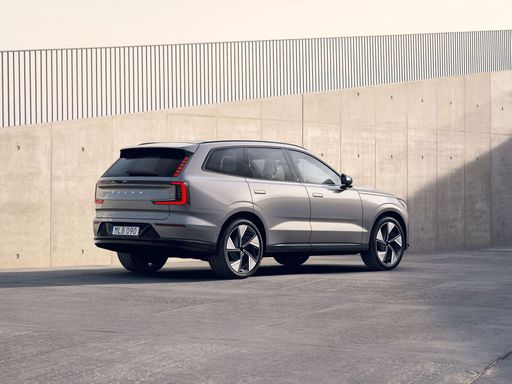
EX90

Powertrain and Performance

The Mercedes GLC boasts a diverse engine lineup, featuring petrol and diesel mild-hybrid variants, along with hybrid options that allow for a blend of performance and efficiency. The power options range from 186 HP to a staggering 680 HP in the high-performance variants, ensuring that there’s a GLC for every kind of driver. In terms of torque, the models can reach up to 1020 Nm, delivering robust acceleration with a 0-100 km/h time as low as 3.5 seconds in its most powerful incarnation.

On the other hand, the Volvo EX90 is purely electric, with powertrains that produce between 279 HP to a potent 517 HP. Its electric capabilities deliver an impressive torque of up to 910 Nm, allowing for swift acceleration with a 0-100 km/h time of just 4.9 seconds. The absence of tailpipe emissions is a compelling advantage for environmentally conscious buyers.

GLC

Efficiency and Range

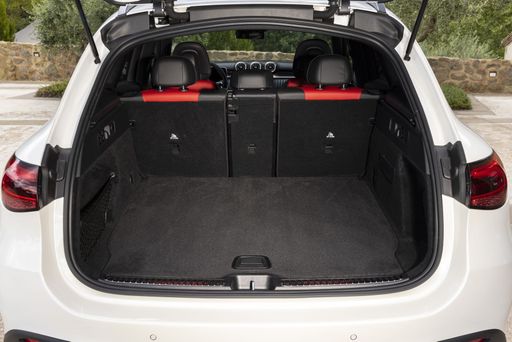
When it comes to fuel efficiency, the GLC’s range varies based on the chosen engine type. For example, petrol MHEV versions average around 5.1 to 10.3 L/100 km, while the hybrid variants can achieve near-zero emissions and a range of up to 127 km on electric power alone. The GLC also features a substantial trunk capacity of up to 620 liters, making it ideal for families or those needing extra cargo space.

The EX90 shines with its electric range, offering up to 614 km on a single charge with its impressive battery capacities ranging from 101 to 107 kWh. Efficiency stands at about 19.9 kWh/100 km, meaning longer trips can be more convenient without the fear of quickly running out of battery. However, it’s worth noting that the trunk capacity is around 310 liters, which might be a limitation for storage compared to the GLC.

EX90

Interior and Technology

Inside the GLC, drivers are treated to a luxurious and tech-savvy environment. With plush seating for five and advanced infotainment systems featuring MBUX technology, drivers have access to cutting-edge connectivity features such as voice control, smartphone integration, and customizable displays. The craftsmanship reflects Mercedes-Benz’s attention to detail, ensuring a comfortable ride for occupants.

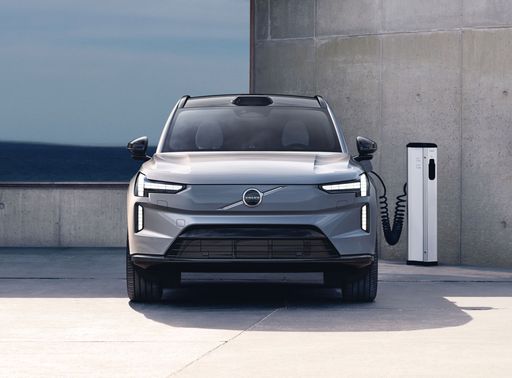
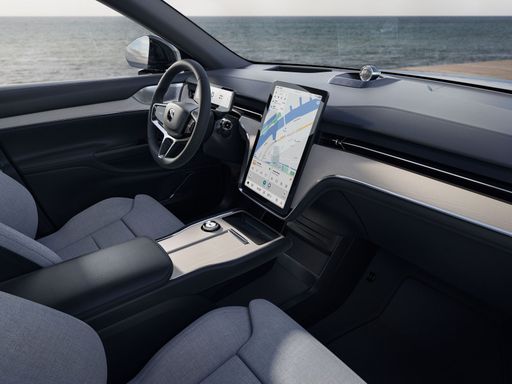
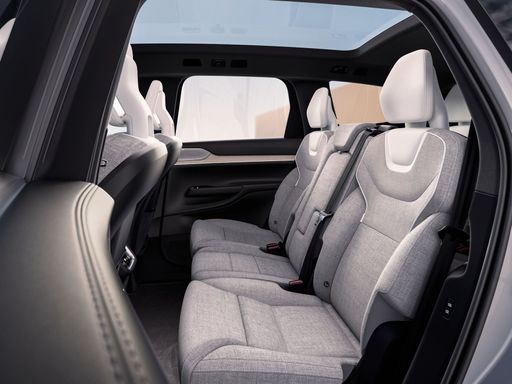
The Volvo EX90 embraces a minimalist Scandinavian design aesthetic, prioritizing both functionality and sophistication. The spacious interior can accommodate up to six passengers in some configurations, and the advanced tech integration includes a large touchscreen interface that controls most vehicle functions. Volvo has made strides in safety innovations, making the EX90 one of the most safety-conscious vehicles on the market.

GLC

Conclusion

Choosing between the Mercedes GLC and the Volvo EX90 depends largely on individual preferences regarding powertrains, performance, and technological features. The GLC appeals to those who value a traditional yet flexible combustion engine lineup with luxury appointments, while the EX90 targets forward-thinking, eco-friendly consumers seeking the latest in electric innovation and safety. Ultimately, both vehicles represent the pinnacle of their respective brands, ensuring that drivers will experience luxury, performance, and technology, regardless of their choice.

Mercedes GLC vs Volvo EX90: Key differences

Mercedes GLC

4.4 (11 Reviews)
rate
  • clearly cheaper
  • slightly more efficient
  • to a small extent more electric range
  • distinct quicker from 0–100 km/h
  • distinct lighter
  • decisively more trunk space

Volvo EX90

All details on performance, efficiency, range and trunk space can be found in the technical comparison below – including user reviews for both models.

Here’s where it gets real: The technical differences in detail

EX90

Costs and Efficiency:

When it comes to price and running costs, the biggest differences usually appear. This is often where you see which car fits your budget better in the long run.

Mercedes GLC has a clearly advantage in terms of price – it starts at 50300 £ , while the Volvo EX90 costs 73700 £ . That’s a price difference of around 23378 £.

In terms of energy consumption, the advantage goes to the Mercedes GLC: with 14.90 kWh per 100 km, it’s slightly more efficient than the Volvo EX90 with 17.80 kWh. That’s a difference of about 2.90 kWh.

As for electric range, the Mercedes GLC performs to a small extent better – achieving up to 714 km, about 94 km more than the Volvo EX90.

GLC

Engine and Performance:

Power, torque and acceleration say a lot about how a car feels on the road. This is where you see which model delivers more driving dynamics.

Both models deliver identical power – 680 HP each.

In acceleration from 0 to 100 km/h, the Mercedes GLC is distinct quicker – completing the sprint in 3.50 s, while the Volvo EX90 takes 4.20 s. That’s about 0.70 s faster.

In terms of top speed, the Mercedes GLC performs distinct better – reaching 275 km/h, while the Volvo EX90 tops out at 180 km/h. The difference is around 95 km/h.

There’s also a difference in torque: Mercedes GLC pulls a bit stronger with 1020 Nm compared to 870 Nm. That’s about 150 Nm difference.

EX90

Space and Everyday Use:

Whether family car or daily driver – which one offers more room, flexibility and comfort?

Seats: Volvo EX90 offers evident more seating capacity – 7 vs 5.

In curb weight, Mercedes GLC is distinct lighter – 1910 kg compared to 2556 kg. The difference is around 646 kg.

In terms of boot space, the Mercedes GLC offers decisively more room – 620 L compared to 324 L. That’s a difference of about 296 L.

In maximum load capacity, the Volvo EX90 performs a bit better – up to 2135 L, which is about 395 L more than the Mercedes GLC.

When it comes to payload, Mercedes GLC minimal takes the win – 600 kg compared to 585 kg. That’s a difference of about 15 kg.

Who wins the race in the data check?

The Mercedes GLC holds a decisive overall lead in the objective data comparison.
This result only shows which model scores more points on paper – not which of the two cars feels right for you.

Mercedes GLC
Volvo EX90

Costs and Consumption

View detailed analysis

Engine and Performance

View detailed analysis

Dimensions and Body

View detailed analysis
from about £50,300
GLC

Mercedes GLC

  • Engine Type : Petrol MHEV, Plugin Hybrid, Diesel MHEV, Electric
  • Transmission : Automatic
  • Drive Type : All-Wheel Drive
  • Power HP : 186 - 680 HP
  • Consumption L/100km : 1.6 - 9.7 L
  • Consumption kWh/100km : 14.9 - 16.6 kWh
  • Electric Range : 12 - 714 km

Mercedes GLC

4.4 (11 Reviews)
rate

The Mercedes GLC blends plush cabin comfort and composed road manners into an SUV that feels more grown-up than it looks. It won’t shout for attention, but will quietly please buyers who want refinement, usable space and a touch of luxury without the drama.

details

Volvo EX90

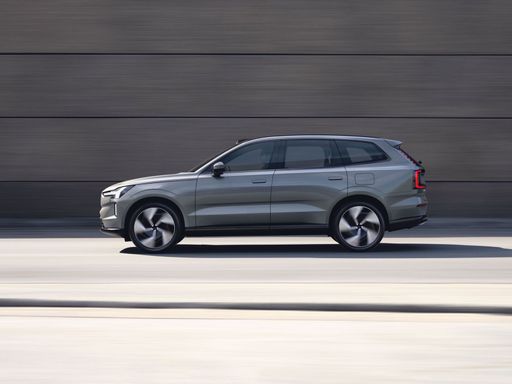
The Volvo EX90 feels like a Scandinavian fortress on wheels, combining serene luxury with smart safety features that make everyday driving remarkably calm and confident. It dresses cutting-edge electric technology in understated elegance, so buyers who want peace of mind without shouting about it will find it hard to resist.

details
Mercedes GLC
Volvo EX90

Costs and Consumption

Price
50300 - 126600 £
Price
73700 - 94100 £
Consumption L/100km
1.6 - 9.7 L
Consumption L/100km
-
Consumption kWh/100km
14.9 - 16.6 kWh
Consumption kWh/100km
17.8 - 19.3 kWh
Electric Range
12 - 714 km
Electric Range
570 - 620 km
Battery Capacity
94 kWh
Battery Capacity
88 - 102 kWh
co2
0 - 221 g/km
co2
0 g/km
Fuel tank capacity
62 - 65 L
Fuel tank capacity
-

Dimensions and Body

Body Type
SUV
Body Type
SUV
Seats
5
Seats
6 - 7
Doors
5
Doors
5
Curb weight
1910 - 2535 kg
Curb weight
2556 - 2764 kg
Trunk capacity
390 - 620 L
Trunk capacity
324 L
Length
4716 - 4845 mm
Length
5037 mm
Width
1890 - 1913 mm
Width
1964 mm
Height
1603 - 1644 mm
Height
1744 mm
Max trunk capacity
1490 - 1740 L
Max trunk capacity
2082 - 2135 L
Payload
475 - 600 kg
Payload
375 - 585 kg

Engine and Performance

Engine Type
Petrol MHEV, Plugin Hybrid, Diesel MHEV, Electric
Engine Type
Electric
Transmission
Automatic
Transmission
Automatic
Transmission Detail
Automatic Gearbox, Reduction Gearbox
Transmission Detail
Reduction Gearbox
Drive Type
All-Wheel Drive
Drive Type
Rear-Wheel Drive, All-Wheel Drive
Power HP
186 - 680 HP
Power HP
333 - 680 HP
Acceleration 0-100km/h
3.5 - 9 s
Acceleration 0-100km/h
4.2 - 6.8 s
Max Speed
210 - 275 km/h
Max Speed
180 km/h
Torque
320 - 1020 Nm
Torque
480 - 870 Nm
Number of Cylinders
4 - 6
Number of Cylinders
-
Power kW
137 - 500 kW
Power kW
245 - 500 kW
Engine capacity
1991 - 2989 cm3
Engine capacity
-

General

Model Year
2025 - 2026
Model Year
2025
CO2 Efficiency Class
F, G, D, B, E, A
CO2 Efficiency Class
A
Brand
Mercedes-Benz
Brand
Volvo
What drive types are available for the Mercedes GLC?

The Mercedes GLC is offered with All-Wheel Drive.

The prices shown are estimates based on German list prices, adjusted for local VAT. Local registration taxes (e.g. NoVA, BPM or CO2 malus) are not included. This information is not legally binding.