VS

MG MG3 vs Hyundai i20 comparison

Compare performance (194 HP vs 90 HP), boot space and price (15,400 £ vs 18,800 £ ) at a glance. Find out which car is the better choice for you – MG MG3 or Hyundai i20?

MG MG3 vs Hyundai i20: Key differences

MG MG3

5 (1 Reviews)
rate
  • visibly cheaper
  • clearly more power
  • markedly more efficient
  • significantly quicker 0–100 km/h
details

Hyundai i20

4.2 (2 Reviews)
rate
  • marginally lighter
  • slightly more trunk space
details

All details on performance, efficiency, range and trunk space can be found in the technical comparison below – including user reviews for both models.

By Achim Sedelmaier

MG3

Hyundai i20 VS MG MG3: quick overview

Hyundai i20 VS MG MG3 pits a practical, well-equipped small hatch against a bargain-priced hybrid with surprising punch. The Hyundai i20 plays the role of the tidy, family-friendly compact that favors space and everyday refinement. The MG MG3 makes its case with aggressive value, a lively hybrid drive in town and a long warranty that lowers ownership anxiety. This comparison will focus on how those opposing strengths translate into real-world choices for buyers, from daily commutes to weekend trips.
i20

Character and driving feel

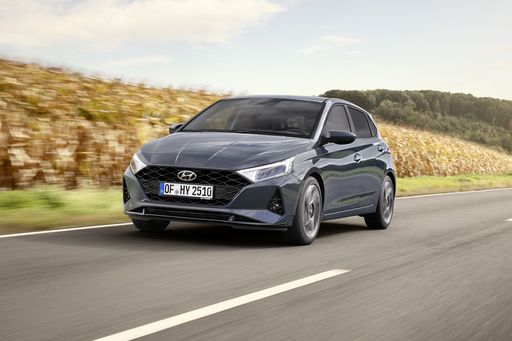
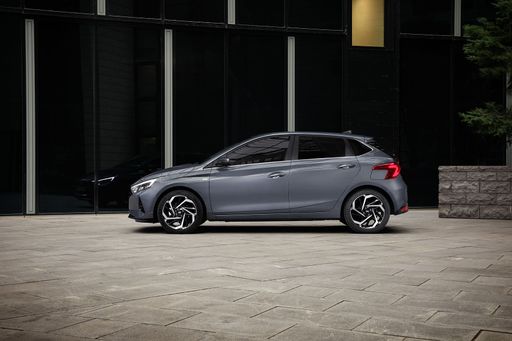
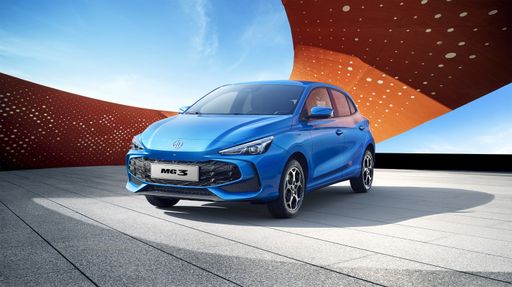
The MG MG3 feels eager off the line and delivers a more overtly energetic drive, especially in urban traffic where the hybrid assistance makes overtaking effortless. The Hyundai i20 prefers a steadier, more composed temperament; it never excites but it never surprises in a bad way either. That means MG MG3 buyers get a car that feels brisk and playful at junctions, while Hyundai i20 buyers get predictable, confidence-inspiring behavior on long runs. Both are easy to live with, but the MG MG3 is the one that puts a smile on your face in short bursts while the Hyundai i20 rewards steady, fuss-free driving.

MG3

Comfort and long-distance behavior

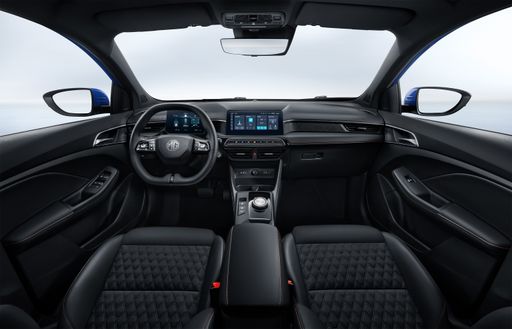
On long journeys the Hyundai i20 leans toward refinement: its seats, cabin ergonomics and general noise insulation make sustained motorway miles less tiring. The MG MG3 is comfortable on country roads and cushions many bumps well, but it becomes notably louder and more worked at higher speeds, which can make long motorway stints feel more tiring. That contrast means families doing regular long trips will likely prefer the Hyundai i20’s calmer cabin, whereas city-focused buyers who only occasionally hit the motorway will accept the MG MG3’s trade-off for its urban benefits. Suspension tuning shows the trade-off plainly: Hyundai i20 is firmer in town but steadier at speed, MG MG3 softer locally but more vocal on the open road.

i20

Practicality, cabin feel and usability

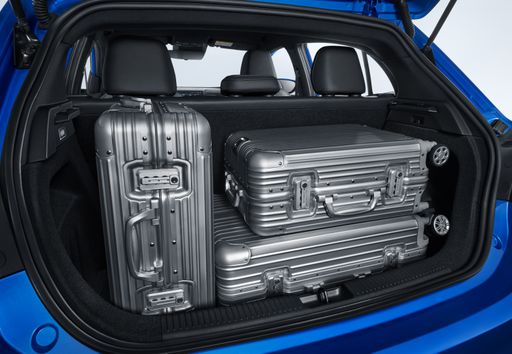
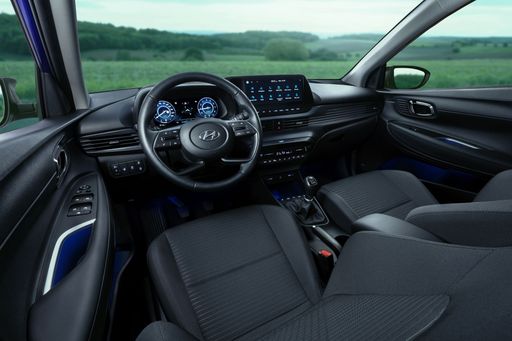
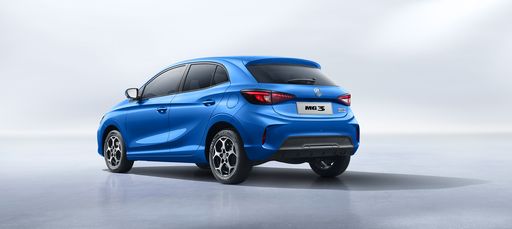
The Hyundai i20 wins on sheer usability: more rear legroom, a larger and more flexible boot layout, and a cockpit with physical controls that make day-to-day chores intuitive. The MG MG3 offers a lot of equipment for the money and a reassuring long warranty, but its interior uses simpler materials and a one-piece rear bench that reduce real-world versatility. That means loading buggies, weekend bags or folding down seats is easier and less fiddly in the Hyundai i20, while MG MG3 buyers accept a chunkier boot lip and less clever storage in return for the lower price and generous kit. Infotainment and climate control are handled differently too: Hyundai i20 keeps tactile shortcuts that help on the move, MG MG3 buries some functions in touchscreen menus which can be frustrating day-to-day.

MG3

City friendliness and everyday usability

In town the MG MG3’s hybrid boost and eager throttle make it feel punchier and more satisfying at traffic lights, and its light footnote in running costs in stop‑start traffic is a real advantage. The Hyundai i20 is equally city-capable thanks to light steering, good visibility up front and practical ergonomics that make repeated short trips comfortable. Where they diverge is in the small irritations: MG MG3’s touchscreen-first controls and limited rear visibility require some adaptation, while Hyundai i20’s firmer low‑speed ride and occasionally slow infotainment responses can annoy. Overall, MG MG3 is the livelier city companion; Hyundai i20 is the more rounded, less demanding daily tool.

i20

Buyer fit and who should choose which

If your priority is a low purchase price, strong urban acceleration and a long warranty, the MG MG3 is the clear fit — especially as a first car or a commuter that spends most time around town. If you want better rear space, a roomier and more usable boot, quieter long-distance cruising and a cockpit that feels a touch more mature, the Hyundai i20 is the smarter choice for small families or frequent motorway users. Both make sensible compromises, so pick MG MG3 for punchy value and Hyundai i20 for practical refinement; the technical comparison that follows will make those trade-offs tangible in numbers and performance detail.

Here’s where it gets real: The technical differences in detail

MG3

Costs and Efficiency:

Price and efficiency are often the first things buyers look at. Here it becomes clear which model has the long-term edge – whether at the pump, the plug, or in purchase price.

MG MG3 is visibly cheaper – starting at 15,400 £ , while the Hyundai i20 costs 18,800 £ . That’s a price difference of around 3,394 £.

Fuel consumption also shows a difference: the MG MG3 uses 4.4 L/100km and is markedly more efficient than the Hyundai i20 with 5.7 L/100km. The difference is about 1.3 L/100km.

i20

Engine and Performance:

Power, torque and acceleration are the classic benchmarks for car enthusiasts – and here, some clear differences start to show.

When it comes to engine power, the MG MG3 offers clearly more power – delivering 194 HP compared to 90 HP. That’s roughly 104 HP more horsepower.

When accelerating from 0 to 100 km/h, the MG MG3 is significantly quicker – completing the sprint in 8 s, while the Hyundai i20 takes 11.5 s. That’s about 3.5 s quicker.

There’s also a difference in torque: the Hyundai i20 delivers slightly more torque with 172 Nm compared to 148 Nm. That’s about 24 Nm more.

MG3

Space and Everyday Use:

Cabin size, boot volume and payload all play a role in everyday practicality. Here, comfort and flexibility make the difference.

Both vehicles offer seating for 5 people.

In terms of curb weight, Hyundai i20 is marginally lighter – 1,145 kg compared to 1,237 kg. The difference is around 92 kg.

Looking at boot space, the Hyundai i20 offers slightly more boot space – 352 L compared to 293 L. That’s a difference of about 59 L.

When it comes to payload, the Hyundai i20 carries marginally more – 465 kg compared to 448 kg. That’s a difference of about 17 kg.

Who wins the race in the data check?

The MG MG3 is decisively ahead in the objective data comparison.
This result only shows which model scores more points on paper – not which of the two cars feels right for you.

from £15,400
MG3

MG MG3

  • Engine Type Petrol, Full Hybrid
  • Transmission Manuel, Automatic
  • Drive Type Front-Wheel Drive
  • Power HP 116 - 194 HP
  • Consumption L/100km 4.4 - 6.1 L/100km
MG MG3
Hyundai i20

Costs and Consumption

View detailed analysis

Engine and Performance

View detailed analysis

Dimensions and Body

View detailed analysis

MG MG3

The MG3 is a cheeky city hatch that pairs bold, youthful styling with sprightly handling for drivers who want personality on a budget. Its cabin is bright and cleverly packaged, offering sensible space and a fun-to-drive character that turns mundane commutes into something a bit more enjoyable.

details

Hyundai i20

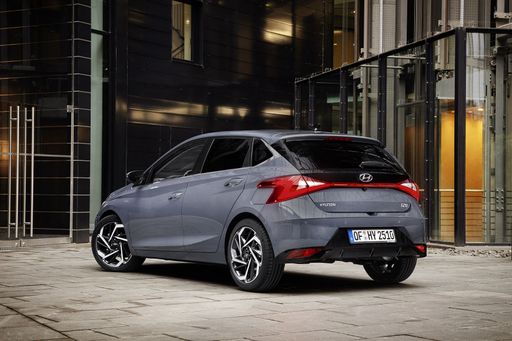
The Hyundai i20 is a cheeky small car that mixes smart styling with sensible practicality, feeling more polished and roomy than you might expect for the money. It’s an easy car to live with, offering engaging handling, a comfy cabin and useful equipment that make daily commutes and weekend errands notably less dull.

details
MG MG3
Hyundai i20

Costs and Consumption

Price
15,400 - 21,400 £
Price
18,800 - 24,400 £
Consumption L/100km
4.4 - 6.1 L/100km
Consumption L/100km
5.7 L/100km
Consumption kWh/100km
-
Consumption kWh/100km
-
Electric Range
-
Electric Range
-
Battery Capacity
-
Battery Capacity
-
co2
100 - 137 g/km
co2
128 - 129 g/km
Fuel tank capacity
-
Fuel tank capacity
-

Dimensions and Body

Body Type
Hatchback
Body Type
Hatchback
Seats
5
Seats
5
Doors
-
Doors
-
Curb weight
1,237 - 1,285 kg
Curb weight
1,145 - 1,170 kg
Trunk capacity
293 L
Trunk capacity
352 L
Length
-
Length
-
Width
1,797 mm
Width
1,775 mm
Height
-
Height
-
Max trunk capacity
-
Max trunk capacity
-
Payload
373 - 448 kg
Payload
455 - 465 kg

Engine and Performance

Engine Type
Petrol, Full Hybrid
Engine Type
Petrol
Transmission
Manuel, Automatic
Transmission
Manuel, Automatic
Transmission Detail
Manual Gearbox, Automatic Gearbox
Transmission Detail
Manual Gearbox, Dual-Clutch Automatic
Drive Type
Front-Wheel Drive
Drive Type
Front-Wheel Drive
Power HP
116 - 194 HP
Power HP
90 HP
Acceleration 0-100km/h
8 - 10.8 s
Acceleration 0-100km/h
11.5 - 12.8 s
Max Speed
-
Max Speed
-
Torque
148 Nm
Torque
172 Nm
Number of Cylinders
4
Number of Cylinders
3
Power kW
85 - 143 kW
Power kW
66 kW
Engine capacity
1,490 - 1,495 cm3
Engine capacity
998 cm3

General

Model Year
2025
Model Year
2025
CO2 Efficiency Class
E, C
CO2 Efficiency Class
D
Brand
MG
Brand
Hyundai
DriveDuel uses data analysis and artificial intelligence to evaluate vehicle data and create content. Content is regularly reviewed and improved. The displayed prices are estimates based on German list prices, adjusted to the respective country’s VAT. Country-specific registration taxes are not included. This information is not legally binding.