VS

MG MG4 vs Volvo EX30 comparison

Compare performance (435 HP vs 428 HP), boot space and price (36,800 £ vs 30,000 £ ) at a glance. Find out which car is the better choice for you – MG MG4 or Volvo EX30?

MG MG4 vs Volvo EX30: Key differences

MG MG4

4.8 (3 Reviews)
rate
  • marginally more power
  • marginally more efficient
  • a bit more electric range
  • very slightly lighter
details

Volvo EX30

3.7 (7 Reviews)
rate
  • noticeably cheaper
  • only slightly quicker 0–100 km/h
details

All details on performance, efficiency, range and trunk space can be found in the technical comparison below – including user reviews for both models.

By Achim Sedelmaier

MG4

The automotive landscape is undergoing a significant evolution with the rise of electric vehicles (EVs). Two contenders making waves in this segment are the MG MG4 and the Volvo EX30. Each vehicle brings unique features and specifications to the table, catering to different consumer preferences. In this article, we delve into a comprehensive comparison of these two electric vehicles that represent their manufacturers' ambitious strides in exterior design, technological innovation, and performance.

EX30

Design and Dimensions

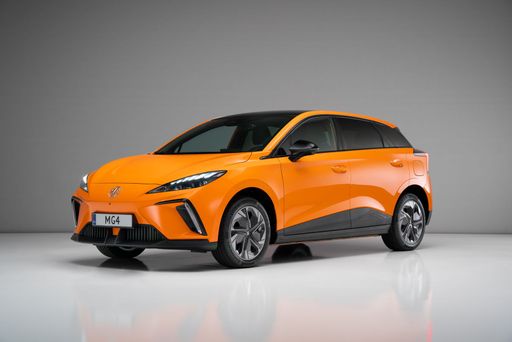
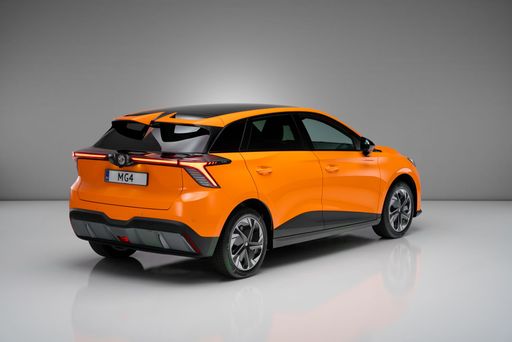
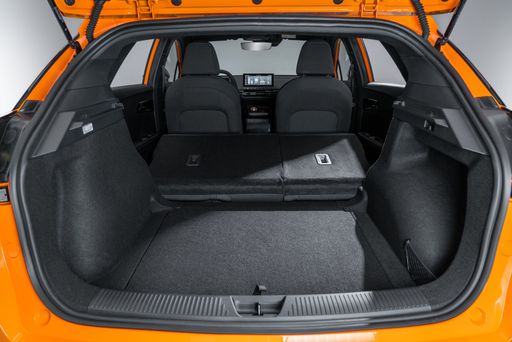
The MG MG4 is a compact hatchback measuring 4287 mm in length, 1836 mm in width, and 1504 mm high, with a trunk capacity of 363 liters, making it practical for urbaning living. Its sleek, sporty design contributes to its aerodynamic efficiency, which is significant for electric vehicles.

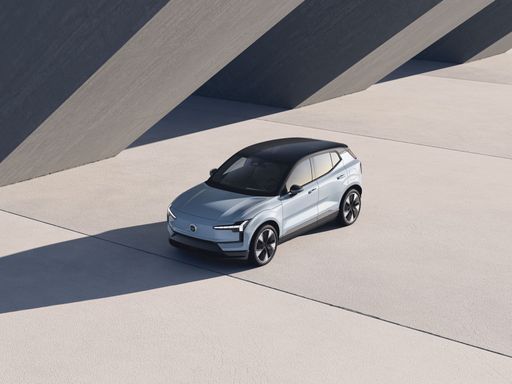
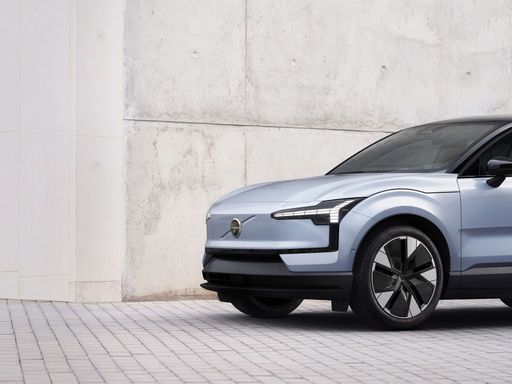
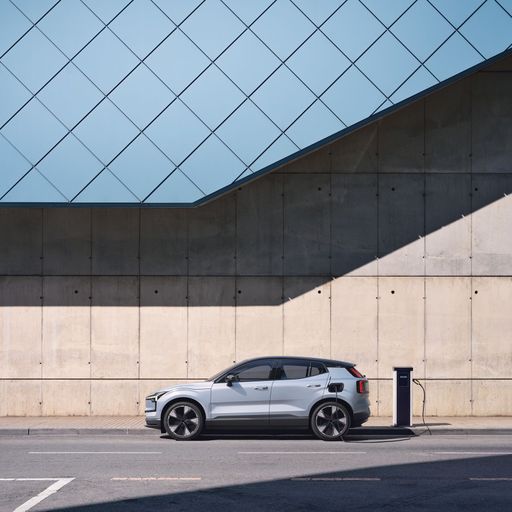
On the other hand, the Volvo EX30 takes a different approach as an SUV. With dimensions of 4233 mm in length, 1837 mm in width, and a height ranging from 1549 mm to 1567 mm, it offers a higher driving position and arguably a more robust presence on the road. Despite its size, it has a smaller trunk capacity at 318 liters compared to the MG4, focusing on passenger space instead.

MG4

Performance and Powertrains

When it comes to power, the MG MG4 offers multiple configurations, with power outputs ranging from 170 HP to a zesty 435 HP, depending on the variant chosen. The MG4's rear-wheel-drive and all-wheel-drive options provide flexibility in performance, with the acceleration from 0 to 100 km/h clocking in as low as 3.8 seconds for the most powerful variant. It achieves a maximum speed of up to 200 km/h and maintains competitive energy consumption rates, with an efficiency as low as 16 kWh/100 km.

In contrast, the Volvo EX30 performs robustly with outputs from 272 HP up to 428 HP. It notably excels in acceleration with figures as low as 3.6 seconds for its top-end performance model. Both vehicles employ reduction gearboxes, ensuring a smooth and responsive driving experience. While the EX30 consumes slightly more at about 18.7 kWh/100 km, it does offer a commendable electric range of up to 476 km, making it a viable option for longer journeys.

EX30

Battery Technology and Range

The MG MG4 features battery options of 49 kWh to 74.4 kWh, allowing for an electric range between 350 km and 520 km, depending on the configuration. This flexibility lets consumers choose a balance between performance and range based on their driving habits.

The Volvo EX30, while equipped with smaller batteries of 49 kWh and 65 kWh, offers competitive electric range options between 339 km and 476 km. The EX30's innovative battery management system and its use of advanced materials aim for optimal efficiency and longevity, appealing to environmentally conscious buyers.

MG4

Technological Innovations

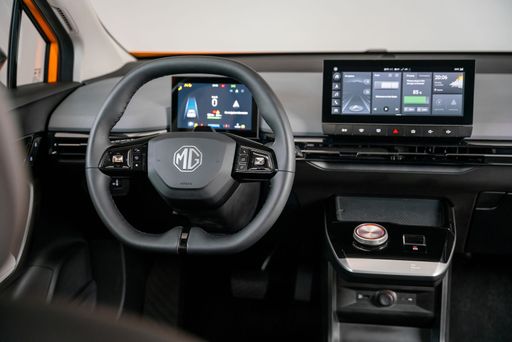
Technological innovation is at the forefront of both models. The MG4 is outfitted with a suite of advanced connectivity features, integrating the latest infotainment systems and smart connectivity options, such as app functionalities allowing remote access to charging status and controls.

Volvo, renowned for its commitment to safety, equips the EX30 with cutting-edge driver-assistance technologies. The EX30 integrates the latest safety features with sophisticated sensors and camera systems designed to enhance road safety dramatically. Alongside its robust safety credentials, it also boasts impressive tech touches, such as a large touchscreen interface and personalized driver profiles.

EX30

Conclusion: Choosing Your Perfect EV

Ultimately, the choice between the MG MG4 and the Volvo EX30 may come down to personal preferences and lifestyle needs. The MG4 offers a blend of performance and practicality in a stylish hatchback, ideal for urban dwellers seeking efficiency and a sporty driving experience. In contrast, the Volvo EX30 excels in safety and tech while providing sophisticated design and versatile SUV characteristics.

Both vehicles reflect their manufacturers' dedication to sustainability, innovation, and a focus on the driving experience—making them worthy competitors in the rapidly evolving electric vehicle market.

Here’s where it gets real: The technical differences in detail

MG4

Costs and Efficiency:

Price and efficiency are key factors when choosing a car – and this is often where the real differences emerge.

Volvo EX30 is noticeably cheaper – starting at 30,000 £ , while the MG MG4 costs 36,800 £ . That’s a price difference of around 6,857 £.

In terms of energy consumption, the MG MG4 is marginally more efficient: consuming 16.1 kWh/100km compared to 17 kWh/100km for the Volvo EX30. That’s a difference of about 0.9 kWh/100km.

As for electric range, the MG MG4 offers a bit more range – reaching up to 545 km, about 70 km more than the Volvo EX30.

EX30

Engine and Performance:

Power, torque and acceleration are the classic benchmarks for car enthusiasts – and here, some clear differences start to show.

When it comes to engine power, the MG MG4 offers marginally more power – delivering 435 HP compared to 428 HP. That’s roughly 7 HP more horsepower.

When accelerating from 0 to 100 km/h, the Volvo EX30 is only slightly quicker – completing the sprint in 3.6 s, while the MG MG4 takes 3.8 s. That’s about 0.2 s quicker.

There’s also a difference in torque: the MG MG4 delivers only slightly more torque with 600 Nm compared to 543 Nm. That’s about 57 Nm more.

MG4

Space and Everyday Use:

Beyond pure performance, interior space and usability matter most in daily life. This is where you see which car is more practical and versatile.

Both vehicles offer seating for 5 people.

In terms of curb weight, MG MG4 is very slightly lighter – 1,755 kg compared to 1,840 kg. The difference is around 85 kg.

When it comes to payload, the MG MG4 carries slightly more – 448 kg compared to 390 kg. That’s a difference of about 58 kg.

Who wins the race in the data check?

The MG MG4 has the upper hand in the objective data comparison.
This result only shows which model scores more points on paper – not which of the two cars feels right for you.

from £36,800
MG4

MG MG4

  • Engine Type : Electric
  • Transmission : Automatic
  • Drive Type : Rear-Wheel Drive, All-Wheel Drive
  • Power HP : 190 - 435 HP
  • Consumption kWh/100km : 16.1 - 19 kWh/100km
  • Electric Range : 405 - 545 km
MG MG4
Volvo EX30

Costs and Consumption

View detailed analysis

Engine and Performance

View detailed analysis

Dimensions and Body

View detailed analysis

MG MG4

The MG4 is a sprightly electric hatch that marries bold, modern looks with genuinely useful practicality, making it a great everyday companion for city and weekend life alike. Inside it surprises with a smart, user-friendly cabin and an engaging drive that delivers more personality than you might expect for the price.

details

Volvo EX30

The Volvo EX30 is a compact all-electric crossover that mixes Volvo's strong safety focus with clean Scandinavian design for a really city-friendly package. It feels lively and easy to live with, pairing a premium-feeling interior and modern connectivity with a practical footprint for urban driving.

details
MG MG4
Volvo EX30

Costs and Consumption

Price
36,800 - 40,300 £
Price
30,000 - 47,800 £
Consumption L/100km
-
Consumption L/100km
-
Consumption kWh/100km
16.1 - 19 kWh/100km
Consumption kWh/100km
17 - 18.3 kWh/100km
Electric Range
405 - 545 km
Electric Range
339 - 475 km
Battery Capacity
-
Battery Capacity
-
co2
0 g/km
co2
0 g/km
Fuel tank capacity
-
Fuel tank capacity
-

Dimensions and Body

Body Type
Hatchback
Body Type
SUV
Seats
5
Seats
5
Doors
-
Doors
-
Curb weight
1,755 - 1,810 kg
Curb weight
1,840 - 1,960 kg
Trunk capacity
-
Trunk capacity
-
Length
-
Length
-
Width
1,836 mm
Width
1,838 mm
Height
-
Height
-
Max trunk capacity
-
Max trunk capacity
-
Payload
448 kg
Payload
370 - 390 kg

Engine and Performance

Engine Type
Electric
Engine Type
Electric
Transmission
Automatic
Transmission
Automatic
Transmission Detail
Reduction Gearbox
Transmission Detail
Reduction Gearbox
Drive Type
Rear-Wheel Drive, All-Wheel Drive
Drive Type
Rear-Wheel Drive, All-Wheel Drive
Power HP
190 - 435 HP
Power HP
150 - 428 HP
Acceleration 0-100km/h
3.8 - 7.5 s
Acceleration 0-100km/h
3.6 - 8.6 s
Max Speed
-
Max Speed
-
Torque
350 - 600 Nm
Torque
343 - 543 Nm
Number of Cylinders
-
Number of Cylinders
-
Power kW
140 - 320 kW
Power kW
110 - 315 kW
Engine capacity
-
Engine capacity
-

General

Model Year
2026
Model Year
2026
CO2 Efficiency Class
A
CO2 Efficiency Class
A
Brand
MG
Brand
Volvo
DriveDuel uses data analysis and artificial intelligence to evaluate vehicle data and create content. Content is regularly reviewed and improved. The displayed prices are estimates based on German list prices, adjusted to the respective country’s VAT. Country-specific registration taxes are not included. This information is not legally binding.