VS

MG ZS vs Hyundai Kona comparison

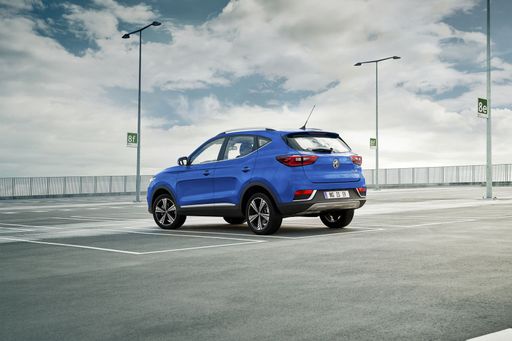
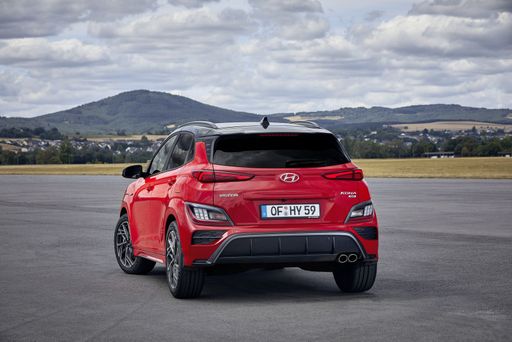
Compare performance (197 HP vs 204 HP), boot space and price (18,000 £ vs 23,600 £ ) at a glance. Find out which car is the better choice for you – MG ZS or Hyundai Kona?

MG ZS vs Hyundai Kona: Key differences

MG ZS

4.4 (4 Reviews)
rate
  • markedly cheaper
  • very slightly lighter
details

Hyundai Kona

4.4 (7 Reviews)
rate
  • very slightly more power
  • slightly more efficient
  • only slightly quicker 0–100 km/h
  • only slightly more trunk space
details

All details on performance, efficiency, range and trunk space can be found in the technical comparison below – including user reviews for both models.

By Achim Sedelmaier

ZS

Overview: Hyundai Kona VS MG ZS — what this comparison is about

Hyundai Kona VS MG ZS pits a comfortably finished, technology-forward B‑SUV against a value-driven, roomy hybrid alternative. The Hyundai Kona presents itself as the more polished, quieter choice that leans toward comfort and modern cabin tech. The MG ZS answers with a lower entry price, a generous rear seat and a forceful hybrid feel in town. This page focuses on how those differences play out for real buyers — daily comfort, long trips, family usability and running costs. Read on to see which car’s trade-offs match your priorities before diving into the numbers.
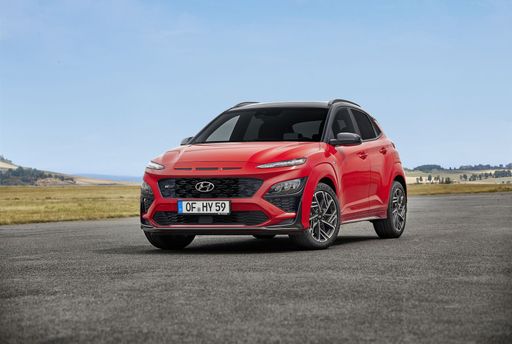
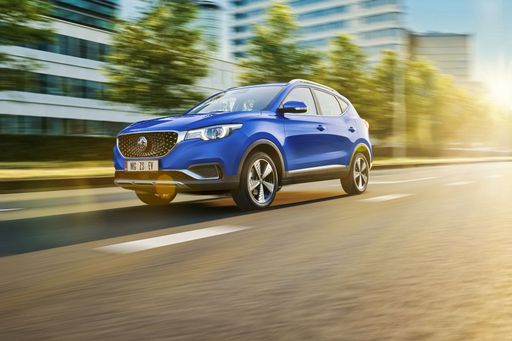
Kona

Character and driving experience

The Hyundai Kona feels composed and grown-up, tuned for predictable, relaxed progress rather than excitement, while the MG ZS drives with a slightly more eager, no‑nonsense hybrid shove in town. Kona’s steering and suspension aim for calm and certainty, so it soaks up traffic chores and tight parking calmly; the MG ZS is livelier off the mark but its chassis is firmer, which makes city potholes and rough surfaces more noticeable. On faster roads the Kona’s engine and refinement give a more reassuring high‑speed temperament, whereas the MG ZS keeps pace but with more audible effort. If you prefer a settled, less fidgety companion, Kona leans that way; if you want brisk urban responses and don’t mind a firmer ride, the ZS has the edge.

ZS

Comfort and long-distance behaviour

For motorway miles the Hyundai Kona generally feels more relaxed, with better noise isolation and a suspension balance that keeps long drives less fatiguing. The MG ZS can be perfectly acceptable on shorter runs, but its firmer setup and more intrusive engine and tyre noise make extended high‑speed stretches more tiring. Seats and cabin ergonomics in the Kona trend toward a slightly more refined, supportive layout, while the ZS prioritises simple robustness over plushness. If your weekly routine includes long commutes or frequent motorway travel, Kona’s composure will matter; if most journeys are shorter or mixed town/lanes, the ZS still copes well enough.

Kona

Interior feel, technology and perceived quality

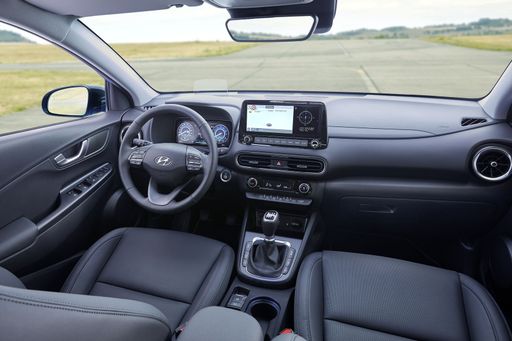
Open the doors and the Hyundai Kona presents a cleaner, more considered interior with clearer physical controls and a more modern screen layout, which makes everyday operation feel effortless. The MG ZS gives you sensible space and usable surfaces but leans on harder plastics and simpler trim, so it reads as less premium despite plenty of equipment. Kona’s infotainment and climate controls are typically easier to use without hunting through menus, while the ZS sometimes asks you to tap the screen for functions others keep as tactile buttons. Buyers who value cabin polish and intuitive controls will prefer the Kona, whereas those who prioritise features-to-price and don’t mind the simpler finish will find the ZS persuasive.

ZS

Practicality and family usability

Both cars are practical, but they bring different strengths for families: the Hyundai Kona offers a larger, more versatile boot and thoughtful storage that makes loading pushchairs and weekend luggage less fiddly. The MG ZS counters with noticeably more rear legroom and a high, easy‑step seating position that benefits taller passengers and child seat fitting. Kona’s optional flexible seat arrangements give it an advantage for irregular cargo shapes, while ZS’s almost‑flat load area and straightforward layout make everyday loading quick and predictable. For households that prioritise maximum luggage space and slightly smarter packaging, Kona tends to win hearts; for those chasing rear passenger comfort and the best value per seat, the ZS is compelling.

Kona

City friendliness, running costs and buyer fit

In the city the Hyundai Kona is very user‑friendly — light steering, good visibility, and a calmer cabin make stop‑start driving less wearing, plus its electrified variants are designed to cut fuel bills in urban use. The MG ZS offers a lower purchase price and a long warranty, which reduces immediate ownership anxiety and makes it an economical choice for cost‑conscious families who do a lot of short trips. Kona is better if you prioritise low in‑use refinement and a slightly more premium daily experience; ZS is better if upfront value, strong rear accommodation and reassurance from a long warranty matter most. Decide whether you want a composed, quietly efficient daily companion (Kona) or the more affordable, spacious hybrid that rewards pragmatic buyers (MG ZS) — the detailed technical comparison that follows will translate those practical trade‑offs into the numbers behind them.

Here’s where it gets real: The technical differences in detail

ZS

Costs and Efficiency:

Price and efficiency are often the first things buyers look at. Here it becomes clear which model has the long-term edge – whether at the pump, the plug, or in purchase price.

MG ZS is markedly cheaper – starting at 18,000 £ , while the Hyundai Kona costs 23,600 £ . That’s a price difference of around 5,580 £.

Fuel consumption also shows a difference: the Hyundai Kona uses 4.6 L/100km and is slightly more efficient than the MG ZS with 5.1 L/100km. The difference is about 0.5 L/100km.

Kona

Engine and Performance:

Power, torque and acceleration say a lot about how a car feels on the road. This is where you see which model delivers more driving dynamics.

When it comes to engine power, the Hyundai Kona offers very slightly more power – delivering 204 HP compared to 197 HP. That’s roughly 7 HP more horsepower.

When accelerating from 0 to 100 km/h, the Hyundai Kona is only slightly quicker – completing the sprint in 8.1 s, while the MG ZS takes 8.7 s. That’s about 0.6 s quicker.

There’s also a difference in torque: the Hyundai Kona delivers substantially more torque with 265 Nm compared to 148 Nm. That’s about 117 Nm more.

ZS

Space and Everyday Use:

Cabin size, boot volume and payload all play a role in everyday practicality. Here, comfort and flexibility make the difference.

Both vehicles offer seating for 5 people.

In terms of curb weight, MG ZS is very slightly lighter – 1,330 kg compared to 1,370 kg. The difference is around 40 kg.

Looking at boot space, the Hyundai Kona offers only slightly more boot space – 466 L compared to 443 L. That’s a difference of about 23 L.

When it comes to payload, the Hyundai Kona carries only slightly more – 490 kg compared to 470 kg. That’s a difference of about 20 kg.

Who wins the race in the data check?

The Hyundai Kona holds a decisive overall lead in the objective data comparison.
This result only shows which model scores more points on paper – not which of the two cars feels right for you.

from £23,600
Kona

Hyundai Kona

  • Engine Type : Petrol, Full Hybrid, Electric
  • Transmission : Manuel, Automatic
  • Drive Type : Front-Wheel Drive, All-Wheel Drive
  • Power HP : 115 - 204 HP
  • Consumption L/100km : 4.6 - 7 L/100km
  • Consumption kWh/100km : 14.6 - 16.1 kWh/100km
  • Electric Range : 380 - 510 km
MG ZS
Hyundai Kona

Costs and Consumption

View detailed analysis

Engine and Performance

View detailed analysis

Dimensions and Body

View detailed analysis

MG ZS

The MG ZS is a compact crossover that delivers strong value with a roomy cabin and straightforward tech, making it a sensible choice for budget-minded buyers. It’s easy to live with, offering comfortable rides and a practical layout that suits daily commutes and family errands.

details

Hyundai Kona

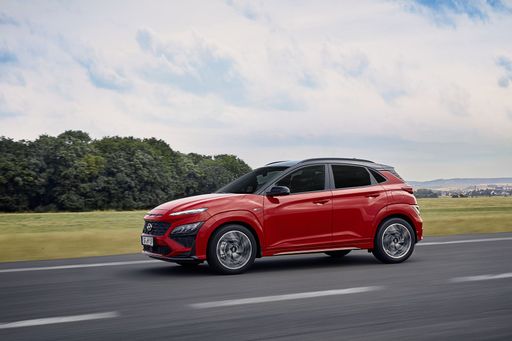
The Hyundai Kona is a compact crossover that pairs bold styling with practical everyday usability, offering a comfortable cabin and intuitive tech for modern drivers. Available in both conventional and electrified versions, Kona brings lively handling and strong value for buyers who want crossover versatility and standout character.

details
MG ZS
Hyundai Kona

Costs and Consumption

Price
18,000 - 24,000 £
Price
23,600 - 41,900 £
Consumption L/100km
5.1 - 6.5 L/100km
Consumption L/100km
4.6 - 7 L/100km
Consumption kWh/100km
-
Consumption kWh/100km
14.6 - 16.1 kWh/100km
Electric Range
-
Electric Range
380 - 510 km
Battery Capacity
-
Battery Capacity
-
co2
115 - 145 g/km
co2
0 - 163 g/km
Fuel tank capacity
-
Fuel tank capacity
-

Dimensions and Body

Body Type
SUV
Body Type
SUV
Seats
5
Seats
5
Doors
-
Doors
-
Curb weight
1,330 - 1,420 kg
Curb weight
1,370 - 1,773 kg
Trunk capacity
443 L
Trunk capacity
466 L
Length
-
Length
-
Width
1,818 mm
Width
1,825 mm
Height
-
Height
-
Max trunk capacity
-
Max trunk capacity
-
Payload
375 - 470 kg
Payload
420 - 490 kg

Engine and Performance

Engine Type
Petrol, Full Hybrid
Engine Type
Petrol, Full Hybrid, Electric
Transmission
Manuel, Automatic
Transmission
Manuel, Automatic
Transmission Detail
Manual Gearbox, Automatic Gearbox
Transmission Detail
Manual Gearbox, Dual-Clutch Automatic, Reduction Gearbox
Drive Type
Front-Wheel Drive
Drive Type
Front-Wheel Drive, All-Wheel Drive
Power HP
116 - 197 HP
Power HP
115 - 204 HP
Acceleration 0-100km/h
8.7 - 12.5 s
Acceleration 0-100km/h
8.1 - 11.9 s
Max Speed
-
Max Speed
-
Torque
148 Nm
Torque
200 - 265 Nm
Number of Cylinders
4
Number of Cylinders
3 - 4
Power kW
85 - 145 kW
Power kW
85 - 150 kW
Engine capacity
1,495 - 1,498 cm3
Engine capacity
998 - 1,598 cm3

General

Model Year
2025
Model Year
2025
CO2 Efficiency Class
E, C
CO2 Efficiency Class
D, C, E, F, A
Brand
MG
Brand
Hyundai
DriveDuel uses data analysis and artificial intelligence to evaluate vehicle data and create content. Content is regularly reviewed and improved. The displayed prices are estimates based on German list prices, adjusted to the respective country’s VAT. Country-specific registration taxes are not included. This information is not legally binding.