VS

NIO EL8 vs XPeng G9 comparison

Compare performance (653 HP vs 575 HP), boot space and price (71,100 £ vs 51,100 £ ) at a glance. Find out which car is the better choice for you – NIO EL8 or XPeng G9?

NIO EL8 vs XPeng G9: Key differences

NIO EL8

  • moderately more power
  • marginally quicker 0–100 km/h
details

XPeng G9

4.8 (6 Reviews)
rate
  • visibly cheaper
  • a bit more efficient
  • moderately more electric range
  • somewhat lighter
  • considerably more trunk space
details

All details on performance, efficiency, range and trunk space can be found in the technical comparison below – including user reviews for both models.

By Achim Sedelmaier

EL8

In the rapidly evolving electric vehicle (EV) market, NIO and XPeng have emerged as significant players, pushing boundaries with their innovative technologies and performance capabilities. This comparison of the NIO EL8 and XPeng G9 will delve into their technical specifications, performance metrics, and unique features to help prospective buyers make an informed decision.
G9

Design and Dimensions

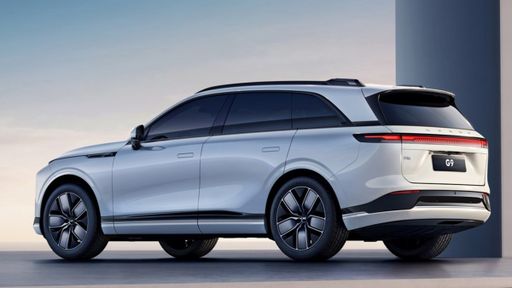
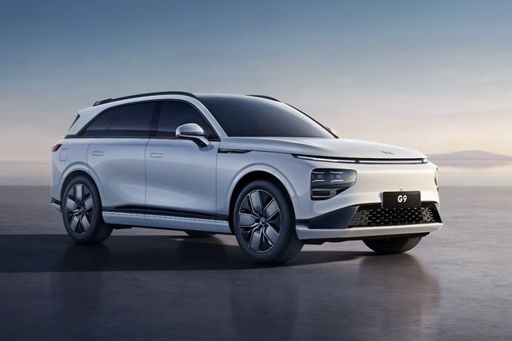
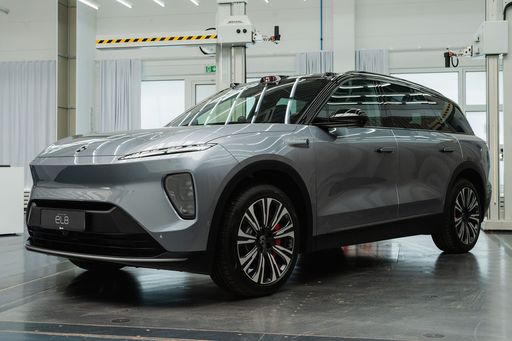
Both the NIO EL8 and XPeng G9 sport modern SUV designs that are eye-catching and practical.

The NIO EL8 boasts a length of 5099 mm, width of 1989 mm, and a height of 1750 mm, making it a substantial vehicle with a commanding road presence. In contrast, the XPeng G9 measures 4891 mm in length, 1937 mm in width, and has a height of 1680 mm, giving it a more compact stature. Both models feature spacious cabins, but the NIO EL8 offers seating for six compared to the five seats found in the G9.

Powertrain Performance

In performance terms, the NIO EL8 is invigorating, delivering a maximum power output of 653 HP and an impressive torque of 850 Nm. It accelerates from 0 to 100 km/h in just 4.1 seconds. The vehicle is equipped with an all-wheel-drive system, which enhances traction and stability, especially in varying driving conditions.

The XPeng G9 offers a choice between rear-wheel and all-wheel drive, with power outputs ranging from 313 HP to 551 HP, depending on the variant. The more powerful version reaches 100 km/h in a mere 3.9 seconds, which is impressive for an SUV. With a maximum torque of 717 Nm, it also provides robust performance.

Battery and Range

Battery technology is a crucial aspect of electric vehicles, and both manufacturers have made significant strides. The NIO EL8 is equipped with a range of battery options, including a 90 kWh unit that provides an electric range of up to 510 km, while the 73.5 kWh version offers a range of 390 km.

On the other hand, the XPeng G9 features battery options of 75.8 kWh and 93.1 kWh, delivering an impressive range ranging from 460 km to 570 km depending on the variant. This versatility in battery capacity and range ensures that both vehicles cater to different user needs effectively.

Charging Efficiency

Charging time and efficiency are key considerations for modern EV owners. The NIO EL8 utilizes NIO's Power Swap technology, allowing for swift battery swapping in a matter of minutes, which can alleviate range anxiety. While specifics on charging rates may vary, both vehicles support fast charging capabilities, making them practical for long trips.

The XPeng G9, equipped with its latest technology, allows for ultra-fast charging, bringing the battery from 30% to 80% in around 30 minutes with compatible charging stations. This adds convenience for users who prioritize quick recharges during long journeys.

Interior and Technology Features

Inside the NIO EL8, premium materials and a modern infotainment system create a luxurious atmosphere. With a large touchscreen interface, voice recognition technology, and advanced safety features, it sets high standards within the segment. The vehicle also integrates NIO's Autonomous Driving capabilities, offering a cutting-edge driver-assistance experience.

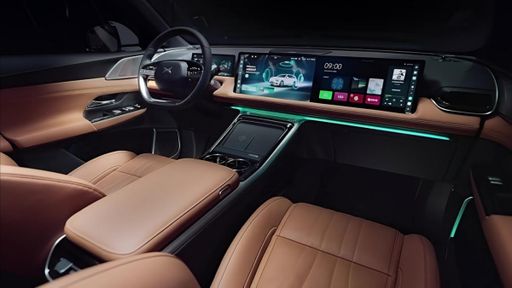
The XPeng G9 capitalizes on its tech-savvy approach with a cutting-edge cockpit that includes an advanced infotainment system and driver assistance features powered by AI. The vehicle’s large panoramic sunroof provides an airy feel, making it a pleasant environment for passengers. Connectivity remains a strong focus, allowing users to integrate their smartphones seamlessly with their vehicle systems.

Conclusion: Which is Right for You?

Ultimately, the choice between the NIO EL8 and XPeng G9 will depend on individual preferences and priorities. If you value spaciousness and an ultra-luxurious interior with innovative features, the NIO EL8 may be the better choice. However, those who prioritize performance and cutting-edge technology might gravitate towards the XPeng G9.

Both vehicles reflect the rapid advancements in the electric SUV market, combining power, efficiency, and sophistication in ways that cater to a wide range of drivers. As electric mobility advances, either choice stands to elevate the driving experience while promoting a sustainable future.

Here’s where it gets real: The technical differences in detail

EL8

Costs and Efficiency:

Looking at overall running costs, both models reveal some interesting differences in everyday economy.

XPeng G9 is visibly cheaper – starting at 51,100 £ , while the NIO EL8 costs 71,100 £ . That’s a price difference of around 19,972 £.

In terms of energy consumption, the XPeng G9 is a bit more efficient: consuming 18.4 kWh/100km compared to 21.2 kWh/100km for the NIO EL8. That’s a difference of about 2.8 kWh/100km.

As for electric range, the XPeng G9 offers moderately more range – reaching up to 585 km, about 75 km more than the NIO EL8.

G9

Engine and Performance:

Power, torque and acceleration say a lot about how a car feels on the road. This is where you see which model delivers more driving dynamics.

When it comes to engine power, the NIO EL8 offers moderately more power – delivering 653 HP compared to 575 HP. That’s roughly 78 HP more horsepower.

When accelerating from 0 to 100 km/h, the NIO EL8 is marginally quicker – completing the sprint in 4.1 s, while the XPeng G9 takes 4.2 s. That’s about 0.1 s quicker.

There’s also a difference in torque: the NIO EL8 delivers slightly more torque with 850 Nm compared to 695 Nm. That’s about 155 Nm more.

Space and Everyday Use:

Beyond pure performance, interior space and usability matter most in daily life. This is where you see which car is more practical and versatile.

Seats: NIO EL8 offers more seats – 6 vs 5.

In terms of curb weight, XPeng G9 is somewhat lighter – 2,210 kg compared to 2,613 kg. The difference is around 403 kg.

Looking at boot space, the XPeng G9 offers considerably more boot space – 660 L compared to 265 L. That’s a difference of about 395 L.

When it comes to payload, the NIO EL8 carries barely more – 577 kg compared to 520 kg. That’s a difference of about 57 kg.

Who wins the race in the data check?

The XPeng G9 is decisively ahead in the objective data comparison.
This result only shows which model scores more points on paper – not which of the two cars feels right for you.

from £51,100
G9

XPeng G9

  • Engine Type Electric
  • Transmission Automatic
  • Drive Type Rear-Wheel Drive, All-Wheel Drive
  • Power HP 351 - 575 HP
  • Consumption kWh/100km 18.4 - 20.1 kWh/100km
  • Electric Range 502 - 585 km
NIO EL8
XPeng G9

Costs and Consumption

View detailed analysis

Engine and Performance

View detailed analysis

Dimensions and Body

View detailed analysis

NIO EL8

The NIO EL8 feels like a tech-savvy living room on wheels, blending upscale comfort with playful design for buyers who want electric refinement without the clinical vibe. It’s roomy, packed with clever features and a relaxed driving character that turns everyday trips into something a little more fun.

details

XPeng G9

The XPeng G9 is a spacious, tech-forward electric SUV that pairs a calm, refined ride with responsive performance and a high-quality, minimalist cabin. With strong emphasis on connectivity and advanced driving assistance, it’s a compelling choice if you want modern EV features and generous practicality without a legacy badge.

details
NIO EL8
XPeng G9

Costs and Consumption

Price
71,100 - 90,800 £
Price
51,100 - 62,200 £
Consumption L/100km
-
Consumption L/100km
-
Consumption kWh/100km
21.2 - 22 kWh/100km
Consumption kWh/100km
18.4 - 20.1 kWh/100km
Electric Range
390 - 510 km
Electric Range
502 - 585 km
Battery Capacity
73.5 - 90 kWh
Battery Capacity
-
co2
0 g/km
co2
0 g/km
Fuel tank capacity
-
Fuel tank capacity
-

Dimensions and Body

Body Type
SUV
Body Type
SUV
Seats
6
Seats
5
Doors
5
Doors
-
Curb weight
2,613 - 2,633 kg
Curb weight
2,210 - 2,395 kg
Trunk capacity
265 L
Trunk capacity
660 L
Length
5,099 mm
Length
-
Width
1,989 mm
Width
1,937 mm
Height
1,750 mm
Height
-
Max trunk capacity
810 L
Max trunk capacity
-
Payload
557 - 577 kg
Payload
515 - 520 kg

Engine and Performance

Engine Type
Electric
Engine Type
Electric
Transmission
Automatic
Transmission
Automatic
Transmission Detail
Reduction Gearbox
Transmission Detail
Reduction Gearbox
Drive Type
All-Wheel Drive
Drive Type
Rear-Wheel Drive, All-Wheel Drive
Power HP
653 HP
Power HP
351 - 575 HP
Acceleration 0-100km/h
4.1 s
Acceleration 0-100km/h
4.2 - 6.6 s
Max Speed
200 km/h
Max Speed
-
Torque
850 Nm
Torque
465 - 695 Nm
Number of Cylinders
-
Number of Cylinders
-
Power kW
480 kW
Power kW
258 - 423 kW
Engine capacity
-
Engine capacity
-

General

Model Year
2024
Model Year
2025
CO2 Efficiency Class
A
CO2 Efficiency Class
A
Brand
NIO
Brand
XPeng
DriveDuel uses data analysis and artificial intelligence to evaluate vehicle data and create content. Content is regularly reviewed and improved. The displayed prices are estimates based on German list prices, adjusted to the respective country’s VAT. Country-specific registration taxes are not included. This information is not legally binding.