VS

NIO ET5 vs BYD Seal comparison

Compare performance (490 HP vs 530 HP), boot space and price (40,700 £ vs 40,300 £ ) at a glance. Find out which car is the better choice for you – NIO ET5 or BYD Seal?

NIO ET5 vs BYD Seal: Key differences

NIO ET5

5 (1 Reviews)
rate
  • very slightly more electric range

BYD Seal

  • only slightly cheaper
  • barely more power
  • visibly more efficient
  • only slightly quicker 0–100 km/h
  • somewhat lighter
  • very slightly more trunk space
ET5

Introduction: Two Contenders in the Electric Sedan Arena

In the rapidly evolving electric vehicle landscape, two strong competitors have emerged: the BYD Seal and the NIO ET5. With cutting-edge technology and impressive performance metrics, these sedans offer a glimpse into the future of sustainable driving. This article dives deep into their technical specifications, innovations, and overall value.
Seal

Design and Dimensions

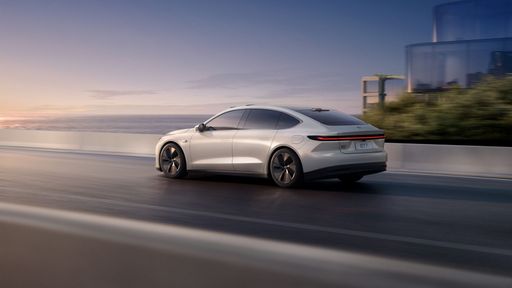
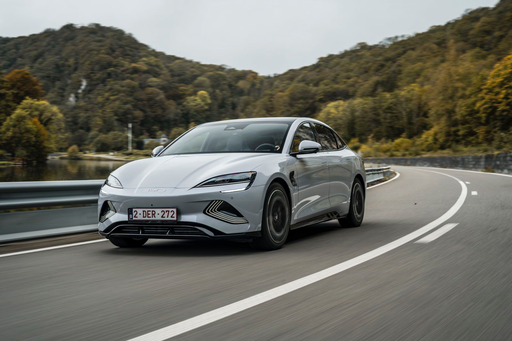
The BYD Seal showcases a sleek and modern sedan body type, measuring 4800 mm in length, 1875 mm in width, and standing 1460 mm tall. Its sporty profile hints at performance while offering a spacious interior with room for five passengers and a trunk capacity of 400 liters.

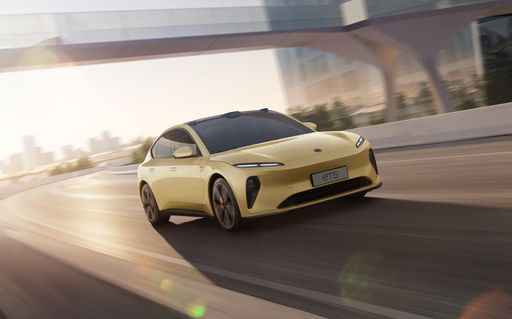
On the other hand, the NIO ET5 is designed as a hatchback, slightly smaller at 4790 mm in length but wider at 1960 mm. Its height of 1499 mm also contributes to a more rugged road presence. The ET5 boasts a trunk capacity of 386 liters, slightly smaller than the Seal yet still functional for daily use.

ET5

Powertrain and Performance

When it comes to powertrains, the BYD Seal offers both rear-wheel drive and all-wheel drive configurations, delivering a power output of 313 HP or a robust 530 HP in its higher trim. The electric range stands at an impressive 570 km, with a power consumption of about 16.6 kWh/100 km, underlining its efficiency. The Seal accelerates from 0 to 100 km/h in just 5.9 seconds, and with a top speed of 180 km/h, it promises exhilarating performance.

Conversely, the NIO ET5 is a performance-oriented vehicle with its all-wheel drive, generating a peak output of 490 HP and a torque of 700 Nm, translating to a blistering acceleration of just 4 seconds from 0 to 100 km/h. Its maximum speed caps at an impressive 200 km/h, while an electric range of 590 km paired with a power consumption of 18.6 kWh/100 km highlights an admirable balance between power and efficiency.

Seal

Battery Technology and Efficiency

Battery technology plays a crucial role in electric vehicles, and both contenders shine in this aspect. The BYD Seal is equipped with a robust lithium-iron-phosphate battery, promoting longevity and safety. The vehicle has a Curb Weight of 2055 kg and falls under the CO2 efficiency class 'A,' emitting zero CO2, making it environmentally friendly.

The NIO ET5 takes battery technology a step further with two options of 90 kWh and 73.5 kWh. This versatility offers consumers a tailored choice based on their range needs. Despite its higher weight (up to 2235 kg), the ET5 remains efficient, maintaining a CO2 efficiency class 'A' with zero emissions, thanks to its electric powertrain.

Innovative Features

Both vehicles boast a range of innovative features designed for the modern driver. The BYD Seal emphasizes its suite of advanced driver-assistance systems (ADAS) that enhance safety and provide a seamless driving experience. Features like adaptive cruise control, lane-keeping assistance, and automatic emergency braking come standard, ensuring peace of mind while driving.

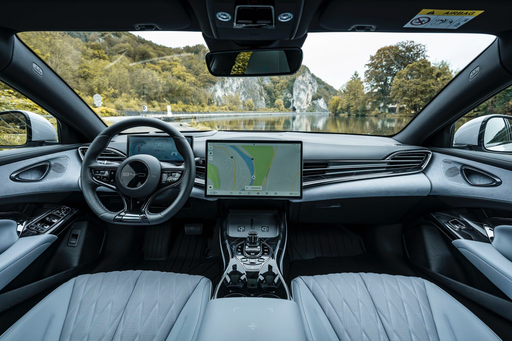
NIO has made a name for itself with its exclusive features, such as the Battery-as-a-Service (BaaS) model, which allows users to subscribe to battery services, reducing the initial purchase price of the car. The ET5 also includes a premium interior equipped with a sophisticated infotainment system, which integrates seamlessly with personal devices through advanced connectivity options.

Conclusion: Choosing the Right Electric Sedan

In conclusion, both the BYD Seal and the NIO ET5 deliver exceptional value in the electric sedan segment. The Seal stands out for its solid range and efficiency, whereas the ET5 impresses with its performance and innovative features. The choice between the two will largely depend on consumer priorities—those seeking efficiency and spaciousness may lean towards the Seal, while performance and cutting-edge technology enthusiasts may prefer the NIO ET5.

As the electric vehicle market continues to grow, these two models represent just a fraction of the exciting possibilities that lie ahead for environmentally conscious drivers.

Here’s where it gets real: The technical differences in detail

ET5

Costs and Efficiency:

Price and efficiency are key factors when choosing a car – and this is often where the real differences emerge.

BYD Seal is only slightly cheaper – starting at 40,300 £ , while the NIO ET5 costs 40,700 £ . That’s a price difference of around 437 £.

In terms of energy consumption, the BYD Seal is visibly more efficient: consuming 15.4 kWh/100km compared to 18.6 kWh/100km for the NIO ET5. That’s a difference of about 3.2 kWh/100km.

As for electric range, the NIO ET5 offers very slightly more range – reaching up to 590 km, about 20 km more than the BYD Seal.

Seal

Engine and Performance:

Under the bonnet, it becomes clear which model is tuned for sportiness and which one takes the lead when you hit the accelerator.

When it comes to engine power, the BYD Seal offers barely more power – delivering 530 HP compared to 490 HP. That’s roughly 40 HP more horsepower.

When accelerating from 0 to 100 km/h, the BYD Seal is only slightly quicker – completing the sprint in 3.8 s, while the NIO ET5 takes 4 s. That’s about 0.2 s quicker.

Looking at top speed, the NIO ET5 is marginally faster – reaching 200 km/h, while the BYD Seal tops out at 180 km/h. The difference is around 20 km/h.

There’s also a difference in torque: the NIO ET5 delivers only slightly more torque with 700 Nm compared to 670 Nm. That’s about 30 Nm more.

ET5

Space and Everyday Use:

Cabin size, boot volume and payload all play a role in everyday practicality. Here, comfort and flexibility make the difference.

Both vehicles offer seating for 5 people.

In terms of curb weight, BYD Seal is somewhat lighter – 1,907 kg compared to 2,215 kg. The difference is around 308 kg.

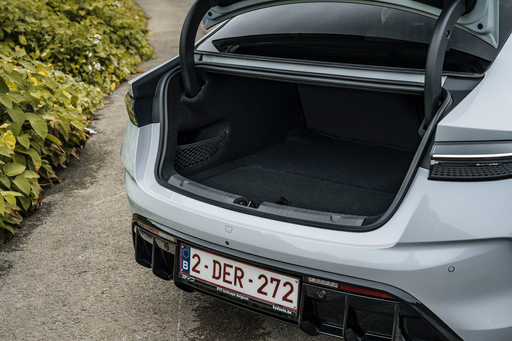
Looking at boot space, the BYD Seal offers very slightly more boot space – 400 L compared to 386 L. That’s a difference of about 14 L.

When it comes to payload, the NIO ET5 carries very slightly more – 475 kg compared to 473 kg. That’s a difference of about 2 kg.

Who wins the race in the data check?

The BYD Seal leads convincingly in the objective data comparison.
This result only shows which model scores more points on paper – not which of the two cars feels right for you.

from £40,300
Seal

BYD Seal

  • Engine Type : Electric
  • Transmission : Automatic
  • Drive Type : Rear-Wheel Drive, All-Wheel Drive
  • Power HP : 231 - 530 HP
  • Consumption kWh/100km : 15.4 - 18.2 kWh/100km
  • Electric Range : 460 - 570 km
NIO ET5
BYD Seal

Costs and Consumption

View detailed analysis

Engine and Performance

View detailed analysis

Dimensions and Body

View detailed analysis

NIO ET5

NIO ET5 arrives with sleek, minimalist lines and a cabin that feels more like a calm lounge than a dashboard, delivering a composed drive that keeps motorway monotony at bay. Tech is smart rather than showy, and the brand’s novel ownership options make it an appealing choice for buyers who want electric convenience without the usual headaches — plus it brings enough personality to make charging stops less boring.

details

BYD Seal

The BYD Seal is a sleek electric fastback that punches above its class with sporty looks and a surprisingly premium cabin, offering a very modern alternative for buyers who want style and substance without the badge snobbery. On the road it feels composed and eager, packed with tech and everyday practicality—ideal for shoppers after eco-friendly performance with a cheeky wink.

details
NIO ET5
BYD Seal

Costs and Consumption

Price
40,700 - 58,700 £
Price
40,300 - 45,400 £
Consumption L/100km
-
Consumption L/100km
-
Consumption kWh/100km
18.6 - 18.9 kWh/100km
Consumption kWh/100km
15.4 - 18.2 kWh/100km
Electric Range
456 - 590 km
Electric Range
460 - 570 km
Battery Capacity
73.5 - 90 kWh
Battery Capacity
-
co2
0 g/km
co2
0 g/km
Fuel tank capacity
-
Fuel tank capacity
-

Dimensions and Body

Body Type
Hatchback
Body Type
Sedan
Seats
5
Seats
5
Doors
5
Doors
4
Curb weight
2,215 - 2,235 kg
Curb weight
1,907 - 2,185 kg
Trunk capacity
386 L
Trunk capacity
400 L
Length
4,790 mm
Length
4,800 mm
Width
1,960 mm
Width
1,875 mm
Height
1,499 mm
Height
1,460 mm
Max trunk capacity
1,135 L
Max trunk capacity
-
Payload
455 - 475 kg
Payload
446 - 473 kg

Engine and Performance

Engine Type
Electric
Engine Type
Electric
Transmission
Automatic
Transmission
Automatic
Transmission Detail
Reduction Gearbox
Transmission Detail
Reduction Gearbox
Drive Type
All-Wheel Drive
Drive Type
Rear-Wheel Drive, All-Wheel Drive
Power HP
490 HP
Power HP
231 - 530 HP
Acceleration 0-100km/h
4 s
Acceleration 0-100km/h
3.8 - 7.5 s
Max Speed
200 km/h
Max Speed
180 km/h
Torque
700 Nm
Torque
360 - 670 Nm
Number of Cylinders
-
Number of Cylinders
-
Power kW
360 kW
Power kW
170 - 390 kW
Engine capacity
-
Engine capacity
-

General

Model Year
2,023
Model Year
2,023 - 2,025
CO2 Efficiency Class
A
CO2 Efficiency Class
A
Brand
NIO
Brand
BYD
DriveDuel uses data analysis and artificial intelligence to evaluate vehicle data and create content. Content is regularly reviewed and improved. The displayed prices are estimates based on German list prices, adjusted to the respective country’s VAT. Country-specific registration taxes are not included. This information is not legally binding.