VS

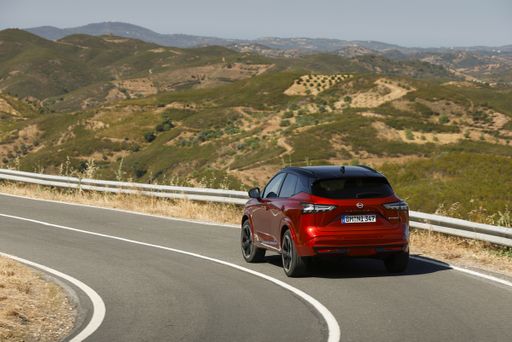
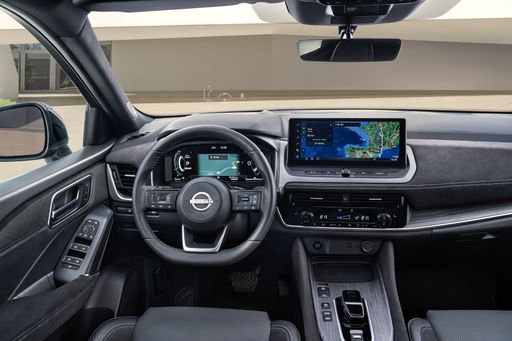
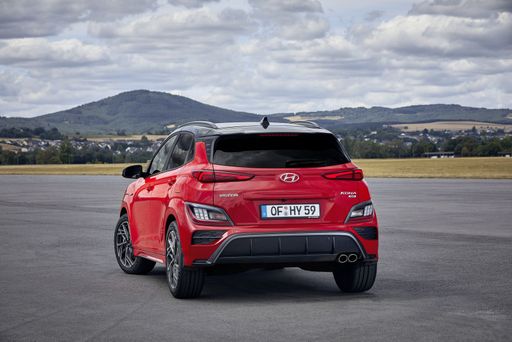
Nissan Qashqai vs Hyundai Kona comparison

Compare performance (205 HP vs 218 HP), boot space and price (29,600 £ vs 23,100 £ ) at a glance. Find out which car is the better choice for you – Nissan Qashqai or Hyundai Kona?

Nissan Qashqai vs Hyundai Kona: Key differences

Nissan Qashqai

4.9 (3 Reviews)
rate
  • barely more efficient
  • only slightly quicker 0–100 km/h
  • only slightly more trunk space

Hyundai Kona

5 (1 Reviews)
rate
  • clearly cheaper
  • only slightly more power
  • only slightly lighter
Qashqai

Hyundai Kona VS Nissan Qashqai — the crossover showdown

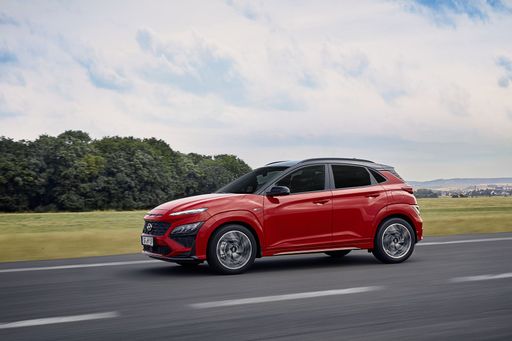
Hyundai Kona VS Nissan Qashqai sets the scene for anyone hunting a compact crossover that needs to work every day and still look like it matters on the high street. The Hyundai Kona pitches itself as the cheeky, city-savvy option while the Nissan Qashqai plays the grown-up, family-friendly card, and that contrast is the story here. This comparison lays out the character and trade-offs you’ll live with every morning commute, school run and weekend escape. If you want a quick read to decide which personality fits your driveway, you’re in the right place.
Kona

City spark or suburban poise?

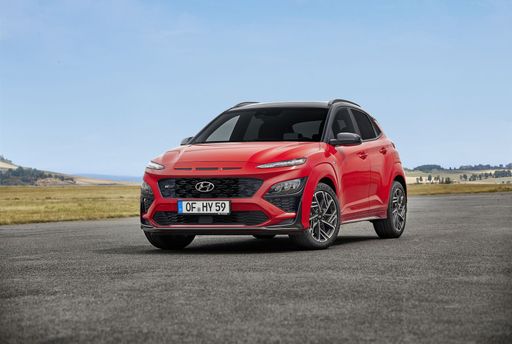
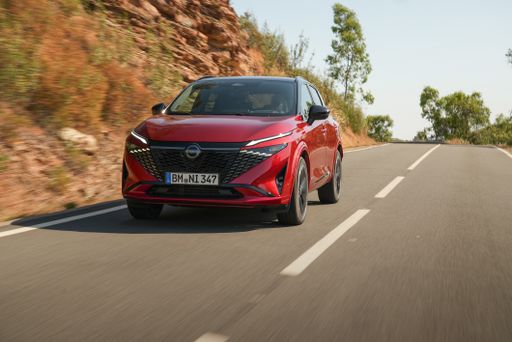
The Hyundai Kona feels like a compact with attitude — sharper styling, punchier inside-town manners and an image that leans youthful and eager to entertain. The Nissan Qashqai leans toward calm authority: more restrained looks, a composed ride and a sense that it was designed to be lived with rather than shown off. Driving each reveals that vibe instantly — the Kona gives you a sprightlier, more engaging steering feel, while the Qashqai rewards steady, unruffled progress and a quieter cabin presence. That difference in temperament is the single most useful filter for shoppers: do you want charisma or composure?

Qashqai

How they cope with day-to-day life

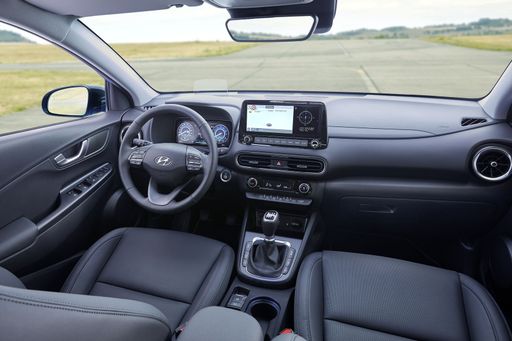
For city dwellers and tight-parking commuters, the Hyundai Kona often wins on agility and a lighter footprint that makes threading through traffic less of a chore. The Nissan Qashqai shows its strengths where space and flexibility matter: longer trips, family loads and when you need a bit more carrying capacity without feeling cramped. Both are user-friendly on the tech front, but the Kona’s urban-first packaging feels more convenience-focused for one- or two-person households, while the Qashqai’s layout is clearly thought-through for people carrying kids, shopping and luggage regularly. In real life that means the Kona is easier to live with in the city, the Qashqai feels more confident on the motorway and in the family garage.

Kona

The story you tell when you walk away from the car

Choose the Hyundai Kona and you’re buying a bit of personality — a car that looks youthful and gives you a few design flourishes to justify the Instagram post. Pick the Nissan Qashqai and you’re buying reassurance: measured styling, a more mature presence and the kind of practicality that doesn’t shout but quietly performs. Each choice is also a social signal: the Kona says “I value style and city smarts,” the Qashqai says “I value space, comfort and sensible refinement.” Neither is wrong, but they tell different stories to the neighbours and to yourself.

Qashqai

Who should seriously consider the Kona?

If you’re a value-minded urban driver who wants a lively small SUV with contemporary looks, the Hyundai Kona will likely sit near the top of your test-drive list; it suits commuters and tech-aware buyers who prize easy parking, nimble handling and a touch of flair. The Kona’s cabin layout and interface feel made for people who spend most of their miles in town and want a car that’s simple to live with day-to-day. It’s also an appealing pick for younger buyers or second-car owners who care about image without needing the largest boot in the class. Meanwhile, the Nissan Qashqai remains the safer bet if you’re prioritising family practicality over edgy styling.

Kona

Who should seriously consider the Qashqai (and where the Kona still tempts)

The Nissan Qashqai is the one to test-drive if you’re a family-first buyer or a long-distance commuter chasing comfort, cabin calm and a sensible, grown-up feel — it suits those who prefer relaxed motorway miles and extra utility to aggressive looks. It also appeals if you want a car that projects understated quality and doesn’t demand constant attention; that makes it a strong match for pragmatists and comfort-seekers who put usability ahead of flash. That said, the Hyundai Kona will still tempt buyers who value sharper urban handling and a livelier personality, so don’t skip the Kona if you’re torn. Read on into the technical breakdown below to see where those practical differences show up on paper.

Here’s where it gets real: The technical differences in detail

Qashqai

Costs and Efficiency:

Looking at overall running costs, both models reveal some interesting differences in everyday economy.

Hyundai Kona is clearly cheaper – starting at 23,100 £ , while the Nissan Qashqai costs 29,600 £ . That’s a price difference of around 6,548 £.

Fuel consumption also shows a difference: the Nissan Qashqai uses 4.5 L/100km and is barely more efficient than the Hyundai Kona with 4.6 L/100km. The difference is about 0.1 L/100km.

Kona

Engine and Performance:

Under the bonnet, it becomes clear which model is tuned for sportiness and which one takes the lead when you hit the accelerator.

When it comes to engine power, the Hyundai Kona offers only slightly more power – delivering 218 HP compared to 205 HP. That’s roughly 13 HP more horsepower.

When accelerating from 0 to 100 km/h, the Nissan Qashqai is only slightly quicker – completing the sprint in 7.6 s, while the Hyundai Kona takes 7.8 s. That’s about 0.2 s quicker.

Looking at top speed, the Nissan Qashqai is moderately faster – reaching 206 km/h, while the Hyundai Kona tops out at 172 km/h. The difference is around 34 km/h.

There’s also a difference in torque: the Nissan Qashqai delivers somewhat more torque with 330 Nm compared to 265 Nm. That’s about 65 Nm more.

Qashqai

Space and Everyday Use:

Whether family car or daily driver – which one offers more room, flexibility and comfort?

Both vehicles offer seating for 5 people.

In terms of curb weight, Hyundai Kona is only slightly lighter – 1,370 kg compared to 1,420 kg. The difference is around 50 kg.

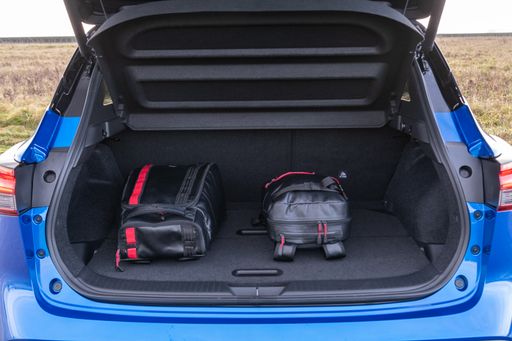
Looking at boot space, the Nissan Qashqai offers only slightly more boot space – 504 L compared to 466 L. That’s a difference of about 38 L.

For maximum load capacity, the Nissan Qashqai offers a bit more capacity – up to 1,447 L, about 147 L more than the Hyundai Kona.

When it comes to payload, the Nissan Qashqai carries marginally more – 520 kg compared to 490 kg. That’s a difference of about 30 kg.

Who wins the race in the data check?

The Hyundai Kona is far ahead overall in the objective data comparison.
This result only shows which model scores more points on paper – not which of the two cars feels right for you.

from £23,100
Kona

Hyundai Kona

  • Engine Type : Electric, Petrol, Full Hybrid
  • Transmission : Automatic, Manuel
  • Drive Type : Front-Wheel Drive, All-Wheel Drive
  • Power HP : 115 - 218 HP
  • Consumption L/100km : 4.6 - 7 L/100km
  • Consumption kWh/100km : 14.6 - 16.8 kWh/100km
  • Electric Range : 377 - 514 km
Nissan Qashqai
Hyundai Kona

Costs and Consumption

View detailed analysis

Engine and Performance

View detailed analysis

Dimensions and Body

View detailed analysis

Nissan Qashqai

The Nissan Qashqai blends practical, family-friendly packaging with SUV styling that refuses to shout, making it a sensible and dependable choice for everyday life. It’s comfortable to live with, economical on the road, and neatly equipped enough to feel modern without ever feeling precious — perfect if you want crossover versatility without the drama.

details

Hyundai Kona

The Hyundai Kona wears its personality on the outside with bold styling and sprightly handling that turns city driving into something a little more fun than a commute. It blends practical space, modern tech and sensible running costs into a compact, stylish package — a smart pick if you want flair without paying luxury prices.

details
Nissan Qashqai
Hyundai Kona

Costs and Consumption

Price
29,600 - 39,900 £
Price
23,100 - 41,600 £
Consumption L/100km
4.5 - 6.8 L/100km
Consumption L/100km
4.6 - 7 L/100km
Consumption kWh/100km
-
Consumption kWh/100km
14.6 - 16.8 kWh/100km
Electric Range
-
Electric Range
377 - 514 km
Battery Capacity
-
Battery Capacity
48.4 - 65.4 kWh
co2
102 - 154 g/km
co2
0 - 163 g/km
Fuel tank capacity
55 L
Fuel tank capacity
-

Dimensions and Body

Body Type
SUV
Body Type
SUV
Seats
5
Seats
5
Doors
5
Doors
5
Curb weight
1,420 - 1,665 kg
Curb weight
1,370 - 1,773 kg
Trunk capacity
479 - 504 L
Trunk capacity
466 L
Length
4,425 mm
Length
4,355 - 4,385 mm
Width
1,835 mm
Width
1,825 mm
Height
1,625 mm
Height
1,580 mm
Max trunk capacity
1,422 - 1,447 L
Max trunk capacity
1,300 L
Payload
466 - 520 kg
Payload
420 - 490 kg

Engine and Performance

Engine Type
Petrol MHEV, Full Hybrid
Engine Type
Electric, Petrol, Full Hybrid
Transmission
Manuel, Automatic
Transmission
Automatic, Manuel
Transmission Detail
Manual Gearbox, CVT, Reduction Gearbox
Transmission Detail
Reduction Gearbox, Manual Gearbox, Dual-Clutch Automatic
Drive Type
Front-Wheel Drive, All-Wheel Drive
Drive Type
Front-Wheel Drive, All-Wheel Drive
Power HP
140 - 205 HP
Power HP
115 - 218 HP
Acceleration 0-100km/h
7.6 - 10.2 s
Acceleration 0-100km/h
7.8 - 11.9 s
Max Speed
170 - 206 km/h
Max Speed
162 - 172 km/h
Torque
240 - 330 Nm
Torque
200 - 265 Nm
Number of Cylinders
3 - 4
Number of Cylinders
3 - 4
Power kW
103 - 151 kW
Power kW
85 - 160 kW
Engine capacity
1,332 - 1,498 cm3
Engine capacity
998 - 1,598 cm3

General

Model Year
2,025 - 2,026
Model Year
2,024 - 2,025
CO2 Efficiency Class
E, C
CO2 Efficiency Class
A, D, C, E, F
Brand
Nissan
Brand
Hyundai
DriveDuel uses data analysis and artificial intelligence to evaluate vehicle data and create content. Content is regularly reviewed and improved. The displayed prices are estimates based on German list prices, adjusted to the respective country’s VAT. Country-specific registration taxes are not included. This information is not legally binding.