VS

Peugeot 2008 vs Vauxhall Mokka comparison

Compare performance (156 HP vs 281 HP), boot space and price (24,800 £ vs 23,000 £ ) at a glance. Find out which car is the better choice for you – Peugeot 2008 or Vauxhall Mokka?

Peugeot 2008 vs Vauxhall Mokka: Key differences

Peugeot 2008

5 (1 Reviews)
rate
  • marginally more efficient
  • barely more electric range
  • barely lighter
  • somewhat more trunk space
details

Vauxhall Mokka

4.1 (4 Reviews)
rate
  • marginally cheaper
  • significantly more power
  • substantially quicker 0–100 km/h
details

All details on performance, efficiency, range and trunk space can be found in the technical comparison below – including user reviews for both models.

By Achim Sedelmaier

2008

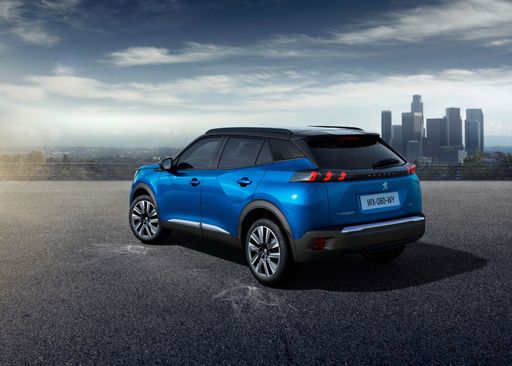
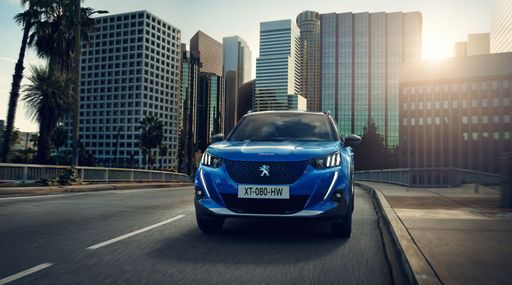
Street Style vs Parisian Chic

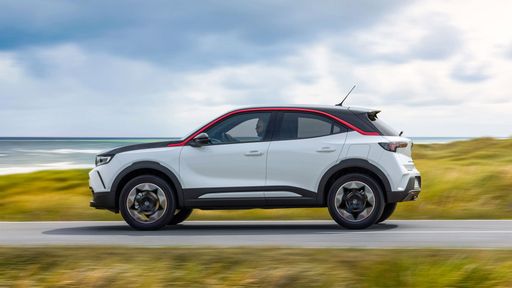
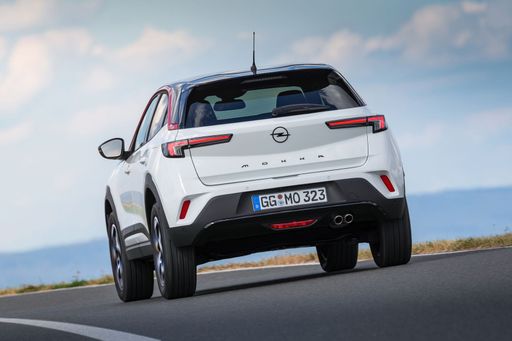
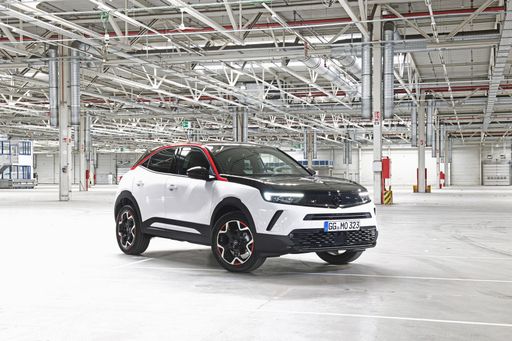
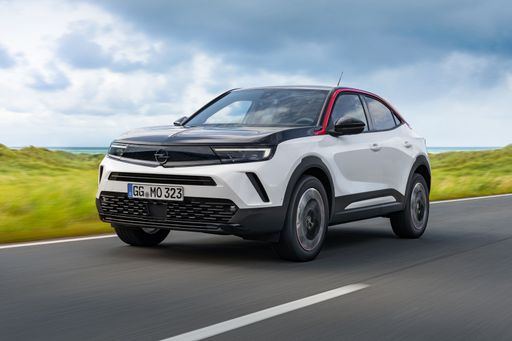
The Opel Mokka arrives with a brash, upright attitude that wants to be noticed while the Peugeot 2008 leans into a sleeker, more sculpted look that feels distinctly European and a touch more elegant. Both wear their personalities well — one is bold and jauntily modern, the other is refined and fashion-conscious — so your choice will say as much about you as the car does. Paints and finishes on the 2008 aim for sophistication, whereas the Mokka prefers a more aggressive, contemporary stance that stands out in traffic.
Mokka

Behind the Wheel

On the road the Mokka serves up a lively, assured character that rewards a brisk pace and feels planted through corners, while the 2008 trades a degree of immediacy for a more composed, forgiving demeanor that suits relaxed daily driving. Steering in the Mokka feels a touch more direct, giving the impression of a smaller car underfoot, whereas the Peugeot soothes with progressive inputs that build confidence over longer journeys. Both deliver driver satisfaction but in slightly different ways: one engages, the other pampers.

2008

Cabin Character

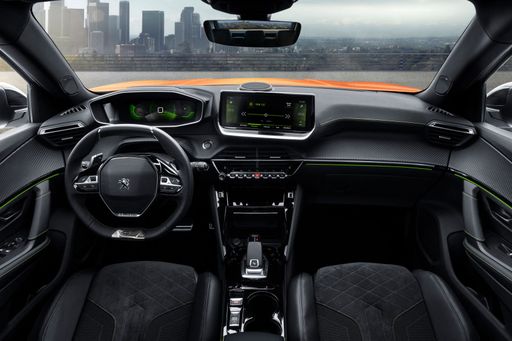
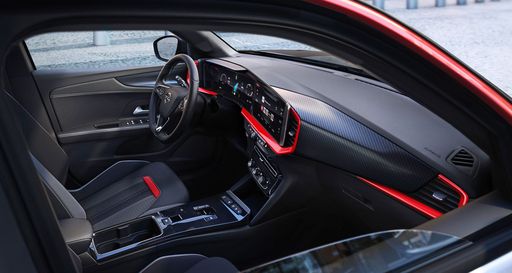
Step inside and you notice the design philosophies diverge: the Mokka’s interior is straightforward, with tactile surfaces and a cockpit that prioritizes clarity, while the 2008 aims higher on perceived quality with textured materials and a design that leans premium. Ergonomics are a selling point for the Opel’s intuitive layout, whereas the Peugeot’s cabin feels a little more fashion-forward and layered, which some will love and others might find fussy. Overall, the Peugeot feels like a small step up in refinement, but the Mokka keeps things honest and user-friendly.

Mokka

Daily Practicalities

Both are practical city SUVs, yet they approach space differently: one maximizes usable load area and flexible luggage arrangements for family duties, while the other focuses on clever touches and passenger comfort that make everyday chores feel a bit easier. Rear-seat comfort and access are good in both, though the Peugeot’s layout gives an edge when it comes to folding versatility and load planning. If you spend a lot of time hauling gear, the practical-minded design will repay you; if you prioritise passenger niceties, the other will feel more civilized.

2008

Screens, Switches and Sense

Technology is present and polished in both cabins, yet the execution matters: the Opel favors conventional controls that are simple to operate on the move, while the Peugeot layers its interfaces into the cabin design for a more modern look that takes a little getting used to. Infotainment and connectivity are competitive, but real-world usability tips in favour of whichever layout you find less distracting after a week of driving. In short, one offers instant familiarity, the other rewards a short learning curve with a sleeker experience.

Mokka

Comfort on the Long Haul

For longer trips the two take different routes to comfort: the Mokka keeps occupants feeling engaged and supported, resisting the worst road imperfections, while the 2008 leans toward a more relaxed ride that helps reduce fatigue over miles. Noise insulation and seat comfort are well judged in both, though the ambience differs — one feels sportier, the other more lounge-like. Your choice here comes down to whether you prefer a car that entertains on twisty roads or one that smooths the miles away.

2008

Match Your Life

If you’re a style-conscious urbanite who values a polished cabin and understated road manners, the Peugeot makes a compelling case; if you want something with a cheekier personality, easy usability and a slightly bolder road presence, the Opel will speak to you. Both suit commuters and small families, but they appeal to different tastes: practicality with a premium feel versus blunt-surfaced, confident everyday usability. Read on — the DriveDuel Champion and the finer reasons behind the final call will be revealed shortly.

Here’s where it gets real: The technical differences in detail

2008

Costs and Efficiency:

Price and efficiency are key factors when choosing a car – and this is often where the real differences emerge.

Vauxhall Mokka is marginally cheaper – starting at 23,000 £ , while the Peugeot 2008 costs 24,800 £ . That’s a price difference of around 1,714 £.

Both cars consume an average of 4.9 L/100km – no difference here.

In terms of energy consumption, the Peugeot 2008 is marginally more efficient: consuming 15.3 kWh/100km compared to 15.4 kWh/100km for the Vauxhall Mokka. That’s a difference of about 0.1 kWh/100km.

As for electric range, the Peugeot 2008 offers barely more range – reaching up to 405 km, about 2 km more than the Vauxhall Mokka.

Mokka

Engine and Performance:

Power, torque and acceleration say a lot about how a car feels on the road. This is where you see which model delivers more driving dynamics.

When it comes to engine power, the Vauxhall Mokka offers significantly more power – delivering 281 HP compared to 156 HP. That’s roughly 125 HP more horsepower.

When accelerating from 0 to 100 km/h, the Vauxhall Mokka is substantially quicker – completing the sprint in 5.9 s, while the Peugeot 2008 takes 8.3 s. That’s about 2.4 s quicker.

There’s also a difference in torque: the Vauxhall Mokka delivers noticeably more torque with 345 Nm compared to 270 Nm. That’s about 75 Nm more.

2008

Space and Everyday Use:

Cabin size, boot volume and payload all play a role in everyday practicality. Here, comfort and flexibility make the difference.

Both vehicles offer seating for 5 people.

In terms of curb weight, Peugeot 2008 is barely lighter – 1,263 kg compared to 1,294 kg. The difference is around 31 kg.

Looking at boot space, the Peugeot 2008 offers somewhat more boot space – 434 L compared to 350 L. That’s a difference of about 84 L.

When it comes to payload, the Peugeot 2008 carries moderately more – 447 kg compared to 400 kg. That’s a difference of about 47 kg.

Who wins the race in the data check?

The Vauxhall Mokka is clearly superior overall in the objective data comparison.
This result only shows which model scores more points on paper – not which of the two cars feels right for you.

from £23,000
Mokka

Vauxhall Mokka

  • Engine Type : Electric, Petrol, Petrol MHEV
  • Transmission : Automatic, Manuel
  • Drive Type : Front-Wheel Drive
  • Power HP : 136 - 281 HP
  • Consumption L/100km : 4.9 - 5.7 L/100km
  • Consumption kWh/100km : 15.4 - 18.5 kWh/100km
  • Electric Range : 336 - 403 km
Peugeot 2008
Vauxhall Mokka

Costs and Consumption

View detailed analysis

Engine and Performance

View detailed analysis

Dimensions and Body

View detailed analysis

Peugeot 2008

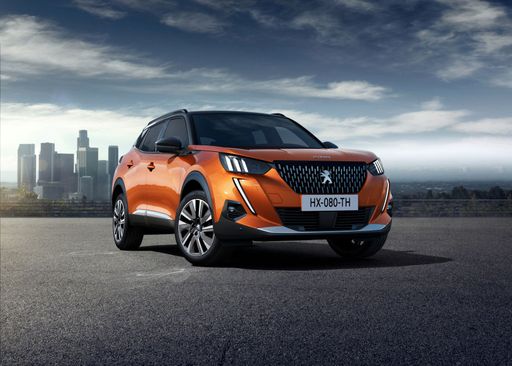
The Peugeot 2008 is a stylish, city-friendly crossover that packs big character into a compact package, turning mundane errands into a mildly entertaining drive. Its clever interior layout, polished looks and confident ride make it a smart choice for buyers who want practical daily sense with a touch of flair.

details

Vauxhall Mokka

The Opel Mokka cuts a smart, modern silhouette that feels right at home in the city while still turning heads on the open road. It's a practical, easy-to-live-with crossover that blends comfy driving manners with enough flair and tech to keep daily commutes interesting — and it won’t make you regret trading up.

details
Peugeot 2008
Vauxhall Mokka

Costs and Consumption

Price
24,800 - 40,400 £
Price
23,000 - 40,500 £
Consumption L/100km
4.9 - 5.7 L/100km
Consumption L/100km
4.9 - 5.7 L/100km
Consumption kWh/100km
15.3 kWh/100km
Consumption kWh/100km
15.4 - 18.5 kWh/100km
Electric Range
405 km
Electric Range
336 - 403 km
Battery Capacity
-
Battery Capacity
-
co2
0 - 129 g/km
co2
0 - 129 g/km
Fuel tank capacity
-
Fuel tank capacity
-

Dimensions and Body

Body Type
SUV
Body Type
SUV
Seats
5
Seats
5
Doors
-
Doors
-
Curb weight
1,263 - 1,623 kg
Curb weight
1,294 - 1,672 kg
Trunk capacity
434 L
Trunk capacity
310 - 350 L
Length
-
Length
-
Width
1,770 mm
Width
1,787 mm
Height
-
Height
-
Max trunk capacity
-
Max trunk capacity
-
Payload
407 - 447 kg
Payload
388 - 400 kg

Engine and Performance

Engine Type
Petrol MHEV, Electric, Petrol
Engine Type
Electric, Petrol, Petrol MHEV
Transmission
Automatic, Manuel
Transmission
Automatic, Manuel
Transmission Detail
Dual-Clutch Automatic, Reduction Gearbox, Manual Gearbox
Transmission Detail
Reduction Gearbox, Manual Gearbox, Dual-Clutch Automatic
Drive Type
Front-Wheel Drive
Drive Type
Front-Wheel Drive
Power HP
101 - 156 HP
Power HP
136 - 281 HP
Acceleration 0-100km/h
8.3 - 10.9 s
Acceleration 0-100km/h
5.9 - 9 s
Max Speed
-
Max Speed
-
Torque
205 - 270 Nm
Torque
230 - 345 Nm
Number of Cylinders
3
Number of Cylinders
3
Power kW
74 - 115 kW
Power kW
100 - 207 kW
Engine capacity
1,199 cm3
Engine capacity
1,199 cm3

General

Model Year
2,025 - 2,026
Model Year
2,024 - 2,025
CO2 Efficiency Class
C, A, D
CO2 Efficiency Class
A, D, C
Brand
Peugeot
Brand
Vauxhall
DriveDuel uses data analysis and artificial intelligence to evaluate vehicle data and create content. Content is regularly reviewed and improved. The displayed prices are estimates based on German list prices, adjusted to the respective country’s VAT. Country-specific registration taxes are not included. This information is not legally binding.