VS

Peugeot 2008 vs Suzuki Ignis comparison

Compare performance (156 HP vs 83 HP), boot space and price (24,800 £ vs 15,600 £ ) at a glance. Find out which car is the better choice for you – Peugeot 2008 or Suzuki Ignis?

Peugeot 2008 vs Suzuki Ignis: Key differences

Peugeot 2008

5 (1 Reviews)
rate
  • clearly more power
  • clearly quicker 0–100 km/h
  • markedly more trunk space

Suzuki Ignis

4.7 (1 Reviews)
rate
  • substantially cheaper
  • noticeably lighter
2008

The Battle of the Compact SUVs: Peugeot 2008 vs. Suzuki Ignis

In the world of compact SUVs, the Peugeot 2008 and the Suzuki Ignis stand out as contenders with distinct characteristics and offerings. Both models encapsulate the essence of urban-friendly SUVs while catering to different segments of the market. Let's delve into the technical details and innovations of these two versatile vehicles.

Ignis

Engine Performance and Efficiency

The Peugeot 2008 offers a diverse array of engine choices, including petrol, mild hybrid (MHEV), and electric variants. The petrol engines range from 101 HP to 136 HP, with an additional electric variant pushing 156 HP. This flexibility allows drivers to pick an engine that matches their preference for power, efficiency, or eco-friendliness. Its mixed fuel consumption figures of 5 to 5.7 L/100km reflect a balance between performance and efficiency across its petrol and hybrid offerings. For the electric version, it boasts a consumption rate of 15.5 to 15.9 kWh/100km, with an impressive range between 343 and 406 km on a full charge.

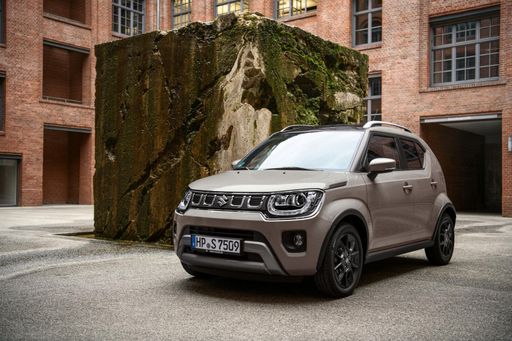
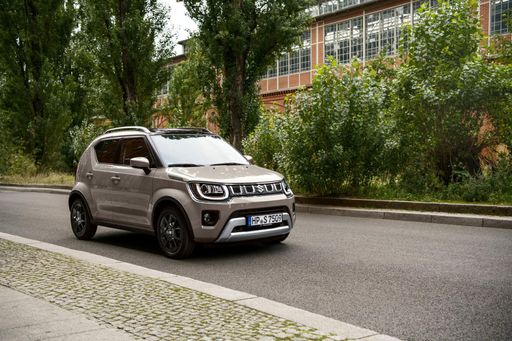
Suzuki’s Ignis, on the other hand, is equipped with a consistent 83 HP mild hybrid petrol engine. The Ignis is engineered for driver simplicity and remarkable fuel economy, with consumption figures between 4.9 and 5.4 L/100km. Despite having a less powerful engine compared to the Peugeot, the Ignis remains a strong contender with its frugality and straightforward driving experience.


2008

Transmission and Drive Types

The Peugeot 2008 provides a more complex transmission setup, accommodating both automatic and manual transmissions with a dual-clutch automatic and manual gearbox, respectively. It is a front-wheel-drive vehicle, focusing on delivering a smooth urban ride with its advanced transmission technology.

In contrast, the Ignis offers both manual and CVT automatic transmissions, coupled with choices between front-wheel and all-wheel drive systems. This gives the Ignis an edge in handling diverse driving conditions and terrains, albeit with less technological complexity than the Peugeot.

Ignis

Interior Space and Comfort

With dimensions measuring 4304 mm in length, 1770 mm in width, and 1523 mm in height, the Peugeot 2008 offers a spacious interior that accommodates five passengers comfortably. It also provides a sizable trunk capacity of 434 liters, ensuring ample space for luggage.

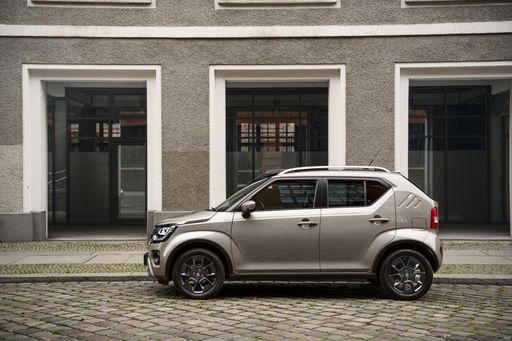
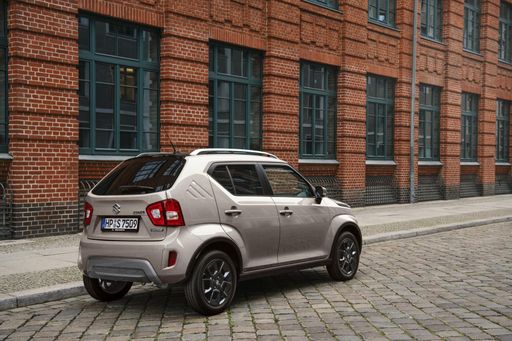
While smaller, the Ignis maximizes its 3700 mm length and 1690 mm width to deliver a surprisingly spacious cabin, either for four or five passengers depending on configuration. Its trunk capacity ranges up to 267 liters, aligning with its compact design ethos while offering practical utility.

2008

Innovation and Features

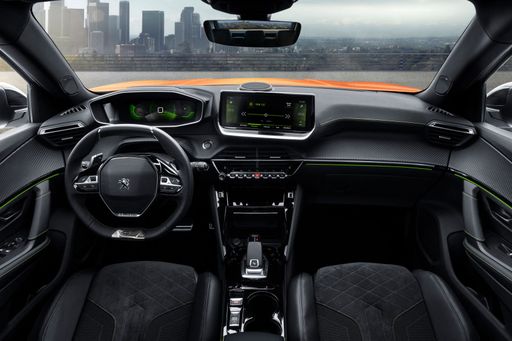
The Peugeot 2008 is embedded with technological advancements that highlight the brand's commitment to innovation. Its availability with an electric powertrain, high-speed acceleration in the electric variant (0-100 km/h in approximately 9 seconds), and a high maximum speed of 206 km/h underscore its modern appeal and drivetrain flexibility. Safety and infotainment systems are equally advanced, catering to tech-savvy drivers.

The Ignis prides itself on straightforwardness and efficiency. Its standout feature is the ability to provide both all-wheel-drive capability and mild hybrid efficiency in a compact package. With environmental consciousness in mind, its CO2 emissions remain low, maintaining an impressive eco-friendly profile within its efficiency class.

Ignis

In Conclusion

The Peugeot 2008 and Suzuki Ignis cater to different market needs, with the former offering a broader range of powertrains and higher levels of technological sophistication suited for a modern urban lifestyle. The Ignis, meanwhile, stands as an efficient and versatile companion for those seeking simplicity, efficiency, and the occasional off-road adventure.

When choosing between these two, potential buyers will find themselves weighing the choice between the Peugeot 2008’s technological prowess and the Suzuki Ignis’s straightforward practicality. Both vehicle models showcase the diversity and flexibility found within today's compact SUV market.

Here’s where it gets real: The technical differences in detail

2008

Costs and Efficiency:

Price and efficiency are often the first things buyers look at. Here it becomes clear which model has the long-term edge – whether at the pump, the plug, or in purchase price.

Suzuki Ignis is substantially cheaper – starting at 15,600 £ , while the Peugeot 2008 costs 24,800 £ . That’s a price difference of around 9,154 £.

Both cars consume an average of 4.9 L/100km – no difference here.

Ignis

Engine and Performance:

Under the bonnet, it becomes clear which model is tuned for sportiness and which one takes the lead when you hit the accelerator.

When it comes to engine power, the Peugeot 2008 offers clearly more power – delivering 156 HP compared to 83 HP. That’s roughly 73 HP more horsepower.

When accelerating from 0 to 100 km/h, the Peugeot 2008 is clearly quicker – completing the sprint in 8.3 s, while the Suzuki Ignis takes 12.7 s. That’s about 4.4 s quicker.

Looking at top speed, the Peugeot 2008 is somewhat faster – reaching 206 km/h, while the Suzuki Ignis tops out at 165 km/h. The difference is around 41 km/h.

There’s also a difference in torque: the Peugeot 2008 delivers considerably more torque with 270 Nm compared to 107 Nm. That’s about 163 Nm more.

2008

Space and Everyday Use:

Cabin size, boot volume and payload all play a role in everyday practicality. Here, comfort and flexibility make the difference.

Both vehicles offer seating for 5 people.

In terms of curb weight, Suzuki Ignis is noticeably lighter – 935 kg compared to 1,263 kg. The difference is around 328 kg.

Looking at boot space, the Peugeot 2008 offers markedly more boot space – 434 L compared to 267 L. That’s a difference of about 167 L.

For maximum load capacity, the Peugeot 2008 offers clearly more capacity – up to 1,467 L, about 367 L more than the Suzuki Ignis.

When it comes to payload, the Peugeot 2008 carries somewhat more – 447 kg compared to 395 kg. That’s a difference of about 52 kg.

Who wins the race in the data check?

The Peugeot 2008 is decisively ahead in the objective data comparison.
This result only shows which model scores more points on paper – not which of the two cars feels right for you.

from £24,800
2008

Peugeot 2008

  • Engine Type : Electric, Petrol MHEV, Petrol
  • Transmission : Automatic, Manuel
  • Drive Type : Front-Wheel Drive
  • Power HP : 101 - 156 HP
  • Consumption L/100km : 4.9 - 5.7 L/100km
  • Consumption kWh/100km : 15.3 - 15.5 kWh/100km
  • Electric Range : 405 - 406 km
Peugeot 2008
Suzuki Ignis

Costs and Consumption

View detailed analysis

Engine and Performance

View detailed analysis

Dimensions and Body

View detailed analysis

Peugeot 2008

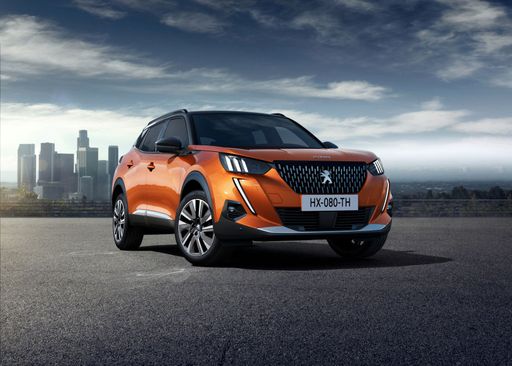
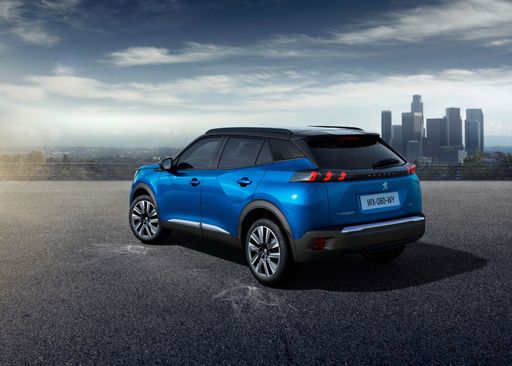
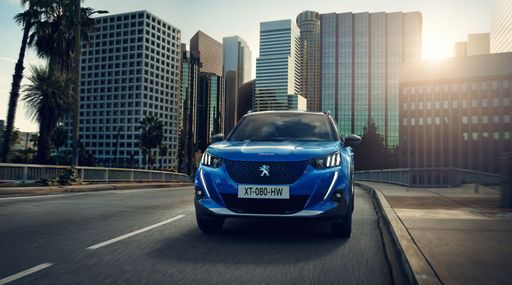
The Peugeot 2008 is a stylish, city-friendly crossover that packs big character into a compact package, turning mundane errands into a mildly entertaining drive. Its clever interior layout, polished looks and confident ride make it a smart choice for buyers who want practical daily sense with a touch of flair.

details

Suzuki Ignis

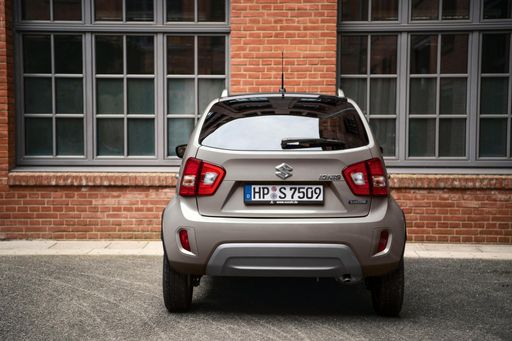
The Suzuki Ignis is a cheeky compact crossover that turns city chores into cheerful adventures, with chunky styling and a surprisingly practical cabin. It won't pretend to be a sports car, but its nimble manners, low running costs and ample personality make it an ideal pick for urban buyers who want fun without pretension.

details
Peugeot 2008
Suzuki Ignis

Costs and Consumption

Price
24,800 - 40,400 £
Price
15,600 - 19,500 £
Consumption L/100km
4.9 - 5.7 L/100km
Consumption L/100km
4.9 - 5.4 L/100km
Consumption kWh/100km
15.3 - 15.5 kWh/100km
Consumption kWh/100km
-
Electric Range
405 - 406 km
Electric Range
-
Battery Capacity
51 kWh
Battery Capacity
-
co2
0 - 129 g/km
co2
110 - 122 g/km
Fuel tank capacity
44 L
Fuel tank capacity
30 - 32 L

Dimensions and Body

Body Type
SUV
Body Type
SUV
Seats
5
Seats
4 - 5
Doors
5
Doors
5
Curb weight
1,263 - 1,623 kg
Curb weight
935 - 995 kg
Trunk capacity
434 L
Trunk capacity
204 - 267 L
Length
4,304 mm
Length
3,700 mm
Width
1,770 mm
Width
1,690 mm
Height
1,523 mm
Height
1,605 mm
Max trunk capacity
1,467 L
Max trunk capacity
1,086 - 1,100 L
Payload
407 - 447 kg
Payload
335 - 395 kg

Engine and Performance

Engine Type
Electric, Petrol MHEV, Petrol
Engine Type
Petrol MHEV
Transmission
Automatic, Manuel
Transmission
Manuel, Automatic
Transmission Detail
Reduction Gearbox, Dual-Clutch Automatic, Manual Gearbox
Transmission Detail
Manual Gearbox, CVT
Drive Type
Front-Wheel Drive
Drive Type
Front-Wheel Drive, All-Wheel Drive
Power HP
101 - 156 HP
Power HP
83 HP
Acceleration 0-100km/h
8.3 - 10.9 s
Acceleration 0-100km/h
12.7 - 12.8 s
Max Speed
150 - 206 km/h
Max Speed
155 - 165 km/h
Torque
205 - 270 Nm
Torque
107 Nm
Number of Cylinders
3
Number of Cylinders
4
Power kW
74 - 115 kW
Power kW
61 kW
Engine capacity
1,199 cm3
Engine capacity
1,197 cm3

General

Model Year
2,023 - 2,026
Model Year
2,020
CO2 Efficiency Class
A, C, D
CO2 Efficiency Class
C, D
Brand
Peugeot
Brand
Suzuki
DriveDuel uses data analysis and artificial intelligence to evaluate vehicle data and create content. Content is regularly reviewed and improved. The displayed prices are estimates based on German list prices, adjusted to the respective country’s VAT. Country-specific registration taxes are not included. This information is not legally binding.