VS

Peugeot 3008 vs Skoda Octavia Combi comparison

Compare performance (325 HP vs 204 HP), boot space and price (36,800 £ vs 25,600 £ ) at a glance. Find out which car is the better choice for you – Peugeot 3008 or Skoda Octavia Combi?

Peugeot 3008 vs Skoda Octavia Combi: Key differences

Peugeot 3008

3.5 (6 Reviews)
rate
  • clearly more power
  • substantially more efficient
  • slightly quicker 0–100 km/h
details

Skoda Octavia Combi

4.6 (3 Reviews)
rate
  • clearly cheaper
  • visibly lighter
  • somewhat more trunk space
details

All details on performance, efficiency, range and trunk space can be found in the technical comparison below – including user reviews for both models.

By Achim Sedelmaier

3008

The Battle of Versatile Powers: Peugeot 3008 vs. Skoda Octavia Combi

In the ever-evolving automotive world, two contenders have caught the attention of enthusiasts and pragmatic drivers alike: the Peugeot 3008 and the Skoda Octavia Combi. Each offers a unique blend of innovation, performance, and style tailored to today’s diverse vehicular needs. Let’s explore these two vehicles to see how they stack up against one another in terms of technical aspects and cutting-edge innovations.
Octavia Combi

Design and Body Type

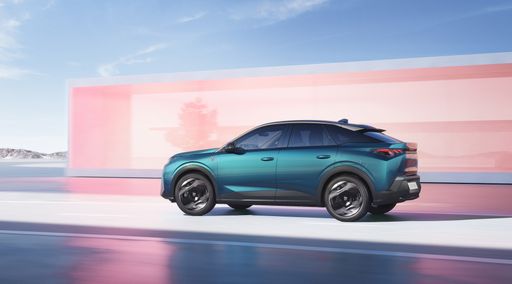
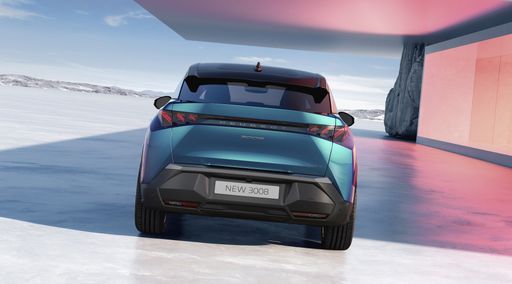
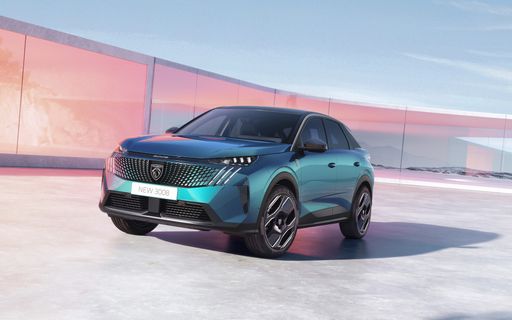
The Peugeot 3008 shines as a sophisticated SUV with a modern touch, emanating a sense of adventure and luxury. Its dimensions are notably optimized for urban driving yet robust enough for off-road endeavors. Measuring 4542 mm in length, 1895 mm in width, and 1641 mm in height, this vehicle promises a spacious cabin without compromising on exterior agility.

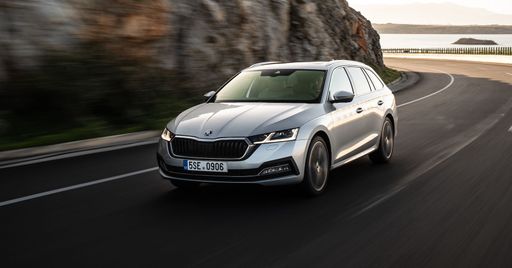
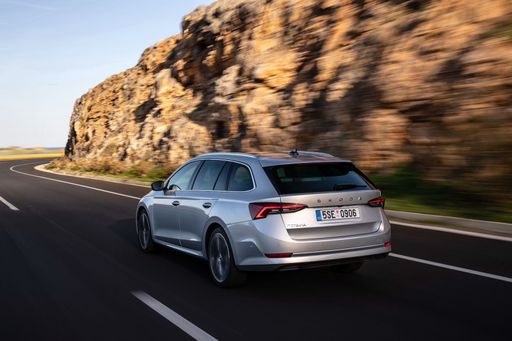
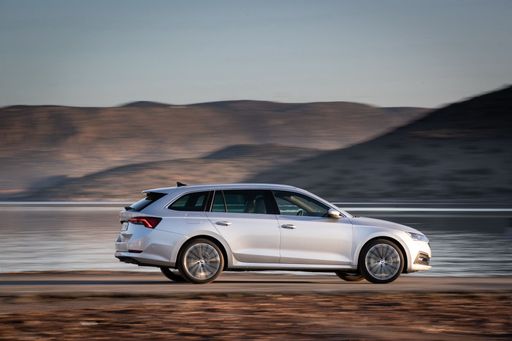
On the other hand, the Skoda Octavia Combi showcases its practicality as a spacious wagon. Stretching up to 4709 mm in length, 1829 mm in width, and varying heights, it appeals to those who seek convenience and comfort, whether it be for family travels or cargo hauling. With its trunk capacity of 640 liters, it beats the Peugeot’s 520 liters, making it ideal for storage enthusiasts.

3008

Power and Performance

Both vehicles provide a spectrum of engine choices, each catering to distinct performance desires. The Peugeot 3008 offers petrol mild hybrid electric vehicles, plugin hybrids, and even fully electric models, delivering a diverse power range of 136 to 231 HP.

Its hybrids excel in efficiency, with consumption as low as 0.9 L/100km and electric models boasting an impressive range of up to 698 km, perfect for those prioritizing eco-friendly driving.

The Skoda Octavia Combi counters with rich fuel-based options and a mix of mild hybrid solutions, offering between 116 to 265 HP. It supports both manual and automatic transmissions, appealing to traditionalists and tech-savvy drivers alike. Although its consumption figures, such as 4.4 to 6.9 L/100km, may not be as eye-catching as its rival’s hybrids, they promise reliability and continuity in long journeys.

Octavia Combi

Transmission and Drive

The Peugeot 3008 is exclusively automatic, featuring a dual-clutch mechanism for certain variants and a reduction gearbox for their electric options, ensuring smooth, seamless transitions. Primarily a front-wheel drive, it adequately blends efficiency with the driving dynamics expected from an SUV.

In contrast, the Skoda Octavia Combi spans both manual and automatic variants with options for front or all-wheel drive. This versatility allows it to cater to diverse drivers—from those preferring engaged gear shifting to those desiring the comfort of automated operations.

3008

Technology and Innovation

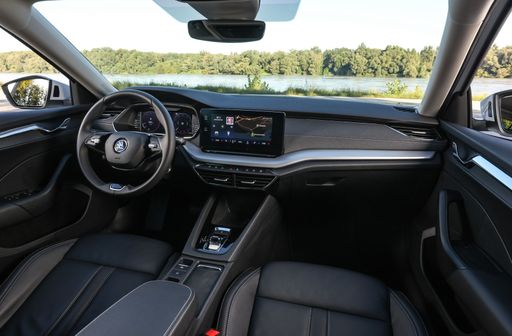
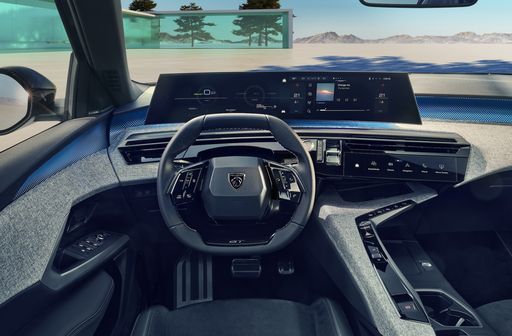
Technologically, both models are equipped with state-of-the-art features to enhance the driving experience. The Peugeot 3008 integrates innovations for eco-efficiency with its hybrid models, while also providing intuitive infotainment and safety systems inherent in contemporary vehicles.

Skoda’s Octavia Combi complements with improved CO2 efficiency classes (ranging from D to F) and advanced connectivity solutions, with safety features that promise peace of mind during any journey. Its payload capacity of up to 534 kg, compared to Peugeot’s 524 kg, also introduces a subtle yet significant advantage for those prioritizing weight management.

Octavia Combi

Conclusion: The Choice of the Enthusiast vs. the Pragmatist

Choosing between the Peugeot 3008 and the Skoda Octavia Combi ultimately boils down to one's lifestyle and priorities. The Peugeot stands out with its innovative powertrains and eco-conscious credentials, perfect for those venturing into sustainable mobility without sacrificing style. Meanwhile, the Skoda Octavia Combi scores with practicality, diverse engine choices, and unmatched trunk space, making it an excellent all-rounder for family and utility-focused drivers.

In the end, both vehicles push the envelope in their respective segments, offering compelling cases for different types of drivers. Whether you're drawn to the luxurious allure of an SUV or the functional prowess of a wagon, both the Peugeot 3008 and Skoda Octavia Combi fulfill automotive demands with flair and efficiency.

Here’s where it gets real: The technical differences in detail

3008

Costs and Efficiency:

When it comes to price and running costs, the biggest differences usually appear. This is often where you see which car fits your budget better in the long run.

Skoda Octavia Combi is clearly cheaper – starting at 25,600 £ , while the Peugeot 3008 costs 36,800 £ . That’s a price difference of around 11,237 £.

Fuel consumption also shows a difference: the Peugeot 3008 uses 2.4 L/100km and is substantially more efficient than the Skoda Octavia Combi with 4.4 L/100km. The difference is about 2 L/100km.

Octavia Combi

Engine and Performance:

Under the bonnet, it becomes clear which model is tuned for sportiness and which one takes the lead when you hit the accelerator.

When it comes to engine power, the Peugeot 3008 offers clearly more power – delivering 325 HP compared to 204 HP. That’s roughly 121 HP more horsepower.

When accelerating from 0 to 100 km/h, the Peugeot 3008 is slightly quicker – completing the sprint in 6 s, while the Skoda Octavia Combi takes 6.7 s. That’s about 0.7 s quicker.

There’s also a difference in torque: the Peugeot 3008 delivers visibly more torque with 511 Nm compared to 360 Nm. That’s about 151 Nm more.

3008

Space and Everyday Use:

Beyond pure performance, interior space and usability matter most in daily life. This is where you see which car is more practical and versatile.

Both vehicles offer seating for 5 people.

In terms of curb weight, Skoda Octavia Combi is visibly lighter – 1,366 kg compared to 1,648 kg. The difference is around 282 kg.

Looking at boot space, the Skoda Octavia Combi offers somewhat more boot space – 640 L compared to 520 L. That’s a difference of about 120 L.

When it comes to payload, the Skoda Octavia Combi carries a bit more – 534 kg compared to 467 kg. That’s a difference of about 67 kg.

Who wins the race in the data check?

The Peugeot 3008 is decisively ahead in the objective data comparison.
This result only shows which model scores more points on paper – not which of the two cars feels right for you.

from £36,800
3008

Peugeot 3008

  • Engine Type Electric, Petrol MHEV, Plugin Hybrid
  • Transmission Automatic
  • Drive Type Front-Wheel Drive, All-Wheel Drive
  • Power HP 145 - 325 HP
  • Consumption L/100km 2.4 - 5.3 L/100km
  • Consumption kWh/100km 16.9 - 17.4 kWh/100km
  • Electric Range 81 - 698 km
Peugeot 3008
Skoda Octavia Combi

Costs and Consumption

View detailed analysis

Engine and Performance

View detailed analysis

Dimensions and Body

View detailed analysis

Peugeot 3008

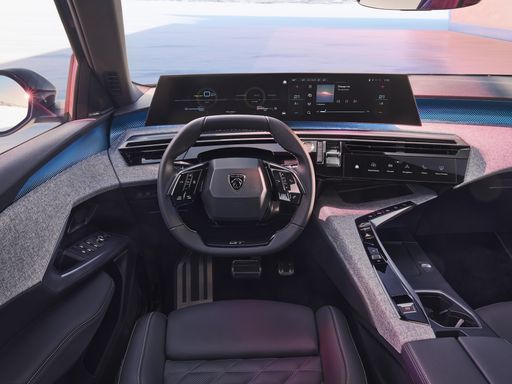
The Peugeot 3008 blends striking, modern styling with a comfortable, well-appointed interior that feels more premium than its class. It's practical and composed on the road, with clever storage and driver-focused tech that make it an easy choice for everyday family life or longer, relaxed drives.

details

Skoda Octavia Combi

The Skoda Octavia Combi is a practical, well‑packaged estate that delivers generous and flexible interior space ideal for families or active owners. Its sensible cabin layout, comfortable ride and solid reputation for reliability make it a pragmatic choice for buyers who value utility over flash.

details
Peugeot 3008
Skoda Octavia Combi

Costs and Consumption

Price
36,800 - 52,200 £
Price
25,600 - 39,600 £
Consumption L/100km
2.4 - 5.3 L/100km
Consumption L/100km
4.4 - 6.9 L/100km
Consumption kWh/100km
16.9 - 17.4 kWh/100km
Consumption kWh/100km
-
Electric Range
81 - 698 km
Electric Range
-
Battery Capacity
-
Battery Capacity
-
co2
0 - 121 g/km
co2
113 - 157 g/km
Fuel tank capacity
-
Fuel tank capacity
-

Dimensions and Body

Body Type
SUV
Body Type
Estate
Seats
5
Seats
5
Doors
-
Doors
-
Curb weight
1,648 - 2,266 kg
Curb weight
1,366 - 1,553 kg
Trunk capacity
470 - 520 L
Trunk capacity
640 L
Length
-
Length
-
Width
1,895 mm
Width
1,829 mm
Height
-
Height
-
Max trunk capacity
-
Max trunk capacity
-
Payload
432 - 467 kg
Payload
502 - 534 kg

Engine and Performance

Engine Type
Electric, Petrol MHEV, Plugin Hybrid
Engine Type
Petrol, Petrol MHEV, Diesel
Transmission
Automatic
Transmission
Automatic, Manuel
Transmission Detail
Reduction Gearbox, Dual-Clutch Automatic
Transmission Detail
Dual-Clutch Automatic, Manual Gearbox
Drive Type
Front-Wheel Drive, All-Wheel Drive
Drive Type
All-Wheel Drive, Front-Wheel Drive
Power HP
145 - 325 HP
Power HP
116 - 204 HP
Acceleration 0-100km/h
6 - 10.2 s
Acceleration 0-100km/h
6.7 - 10.7 s
Max Speed
-
Max Speed
-
Torque
230 - 511 Nm
Torque
220 - 360 Nm
Number of Cylinders
3 - 4
Number of Cylinders
4
Power kW
107 - 239 kW
Power kW
85 - 150 kW
Engine capacity
1,199 - 1,598 cm3
Engine capacity
1,498 - 1,984 cm3

General

Model Year
2,024 - 2,026
Model Year
2025
CO2 Efficiency Class
A, D, B
CO2 Efficiency Class
E, F, D, C
Brand
Peugeot
Brand
Skoda
DriveDuel uses data analysis and artificial intelligence to evaluate vehicle data and create content. Content is regularly reviewed and improved. The displayed prices are estimates based on German list prices, adjusted to the respective country’s VAT. Country-specific registration taxes are not included. This information is not legally binding.