VS

Peugeot 3008 vs VW Golf Variant comparison

Compare performance (325 HP vs 204 HP), boot space and price (36,800 £ vs 28,800 £ ) at a glance. Find out which car is the better choice for you – Peugeot 3008 or VW Golf Variant?

Peugeot 3008 vs VW Golf Variant: Key differences

Peugeot 3008

3.5 (6 Reviews)
rate
  • noticeably more power
  • considerably more efficient
  • very slightly quicker 0–100 km/h
details

VW Golf Variant

  • markedly cheaper
  • markedly lighter
  • moderately more trunk space
details

All details on performance, efficiency, range and trunk space can be found in the technical comparison below – including user reviews for both models.

By Achim Sedelmaier

3008

Peugeot 3008 vs. VW Golf Variant: A Battle of Versatility and Innovation

In the rapidly evolving automotive world, Peugeot and Volkswagen remain mainstays of dependable engineering and impressive innovation. The SUV appeal of the Peugeot 3008 meshes against the practicality of the VW Golf Variant wagon, each bringing unique offerings to potential buyers. Here's how they compare in terms of technical prowess and the latest features.
Golf Variant

Design and Dimensions

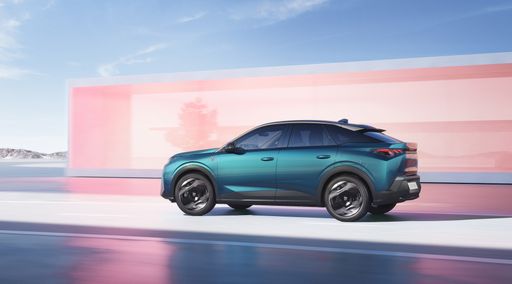
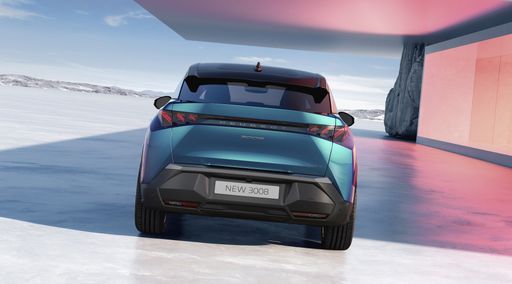
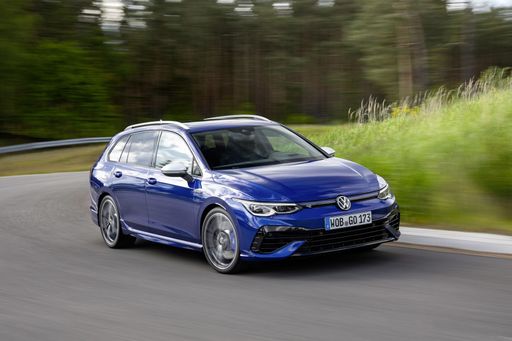
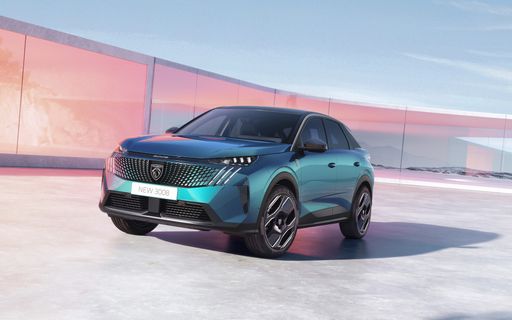
The Peugeot 3008, with its striking SUV design, boasts a length of 4542 mm, width of 1895 mm, and height of 1641 mm. The VW Golf Variant measures slightly longer at 4631 mm but is narrower at 1789 mm and significantly lower at 1487 mm. These dimensions highlight the Peugeot's bold SUV stance, offering a commanding road presence, whereas the Golf Variant keeps the traditional, elongated wagon silhouette for increased aerodynamics.

3008

Power and Performance

The Peugeot 3008 offers diverse powertrains, including petrol MHEV, plugin hybrid, and fully electric options, delivering between 136 HP and 231 HP. These engines achieve a respectable torque range from 230 Nm to 345 Nm. With rapid acceleration times, the 3008 handles 0-100 km/h in as little as 8.4 seconds, making it a lively SUV taking you from 0 to exciting quickly.

The VW Golf Variant doesn't fall short, offering a blend of petrol, MHEV, and diesel engines with a broad power range peaking at 333 HP. Torque ranges from 220 Nm to 420 Nm and ensures smoother pulls under various driving conditions. This power allows the Golf Variant to sprint from 0-100 km/h in just 4.8 seconds in its most potent version, making it a formidable contender in speed.

Golf Variant

Innovation and Technology

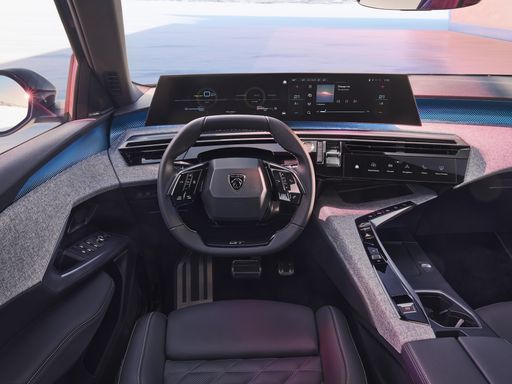
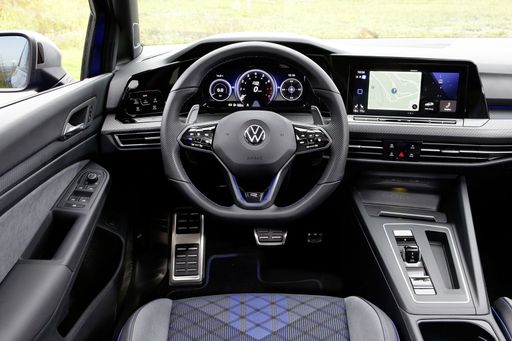
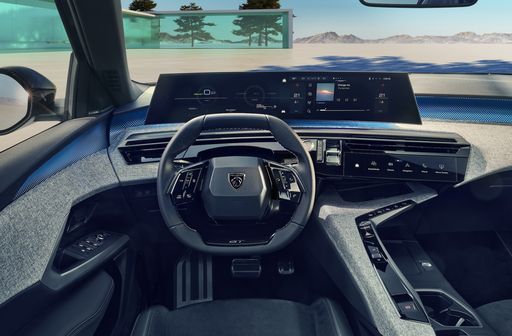
Peugeot 3008 showcases cutting-edge technology with its i-Cockpit, integrating a head-up display and intuitive controls into a sleek, modern design. The selectable drive modes and advanced driver assistance systems further enhance driving dynamics and safety, cementing its position as an innovative leader in its segment.

Volkswagen’s Golf Variant rolls out with its new digital cockpit, featuring a refined, user-focused interface. It also sports travel assist and lane-keeping systems, elevating peace of mind during long drives. Not to mention the available all-wheel drive in some variants, providing extra traction for adverse weather, setting a high standard for wagon versatility.

3008

Efficiency and Capacity

With fuel consumption as low as 5.7 L/100km for petrol and 0.9 L/100km for hybrid versions, the Peugeot 3008 proves economical, while its fully electric version offers an impressive range of up to 698 km on a single charge. Its trunk provides up to 520 liters of capacity, supporting the active lifestyle its SUV form represents.

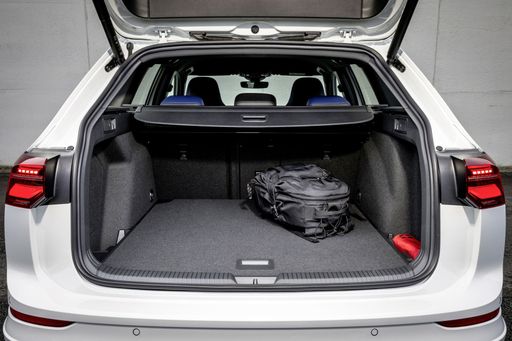
Meanwhile, the Golf Variant counters with a trunk capacity of 611 liters, outperforming the Peugeot’s storage capability and highlighting its practical advantage. The car achieves fuel efficiency ranging from 4.4 L to 5.7 L/100km across its configurations, maintaining the balance between power and economy expected from the Golf legacy.

Golf Variant

Conclusion: Choosing Between Two Innovators

The Peugeot 3008’s variety of powertrains and its blend of style and technology make it an enticing option for those looking for modern sophistication and versatility in an SUV. By contrast, the VW Golf Variant’s extended cargo space, practical consumption, and performance-tuned engines deliver a compelling choice for families and utility-minded buyers.

Choosing between these two leaders ultimately depends on the driver's priority: the Peugeot's futuristic flair and electric innovation contrast with the VW's unmatched practicality and power. Both vehicles promise an exciting driving experience, setting a compelling narrative in the 2024 market lineup.

Here’s where it gets real: The technical differences in detail

3008

Costs and Efficiency:

Price and efficiency are key factors when choosing a car – and this is often where the real differences emerge.

VW Golf Variant is markedly cheaper – starting at 28,800 £ , while the Peugeot 3008 costs 36,800 £ . That’s a price difference of around 7,967 £.

Fuel consumption also shows a difference: the Peugeot 3008 uses 2.4 L/100km and is considerably more efficient than the VW Golf Variant with 4.3 L/100km. The difference is about 1.9 L/100km.

Golf Variant

Engine and Performance:

Under the bonnet, it becomes clear which model is tuned for sportiness and which one takes the lead when you hit the accelerator.

When it comes to engine power, the Peugeot 3008 offers noticeably more power – delivering 325 HP compared to 204 HP. That’s roughly 121 HP more horsepower.

When accelerating from 0 to 100 km/h, the Peugeot 3008 is very slightly quicker – completing the sprint in 6 s, while the VW Golf Variant takes 6.5 s. That’s about 0.5 s quicker.

There’s also a difference in torque: the Peugeot 3008 delivers markedly more torque with 511 Nm compared to 360 Nm. That’s about 151 Nm more.

3008

Space and Everyday Use:

Beyond pure performance, interior space and usability matter most in daily life. This is where you see which car is more practical and versatile.

Both vehicles offer seating for 5 people.

In terms of curb weight, VW Golf Variant is markedly lighter – 1,366 kg compared to 1,648 kg. The difference is around 282 kg.

Looking at boot space, the VW Golf Variant offers moderately more boot space – 611 L compared to 520 L. That’s a difference of about 91 L.

When it comes to payload, the VW Golf Variant carries moderately more – 547 kg compared to 467 kg. That’s a difference of about 80 kg.

Who wins the race in the data check?

The Peugeot 3008 is clearly superior overall in the objective data comparison.
This result only shows which model scores more points on paper – not which of the two cars feels right for you.

from £36,800
3008

Peugeot 3008

  • Engine Type Electric, Petrol MHEV, Plugin Hybrid
  • Transmission Automatic
  • Drive Type Front-Wheel Drive, All-Wheel Drive
  • Power HP 145 - 325 HP
  • Consumption L/100km 2.4 - 5.3 L/100km
  • Consumption kWh/100km 16.9 - 17.4 kWh/100km
  • Electric Range 81 - 698 km
Peugeot 3008
VW Golf Variant

Costs and Consumption

View detailed analysis

Engine and Performance

View detailed analysis

Dimensions and Body

View detailed analysis

Peugeot 3008

The Peugeot 3008 blends striking, modern styling with a comfortable, well-appointed interior that feels more premium than its class. It's practical and composed on the road, with clever storage and driver-focused tech that make it an easy choice for everyday family life or longer, relaxed drives.

details

VW Golf Variant

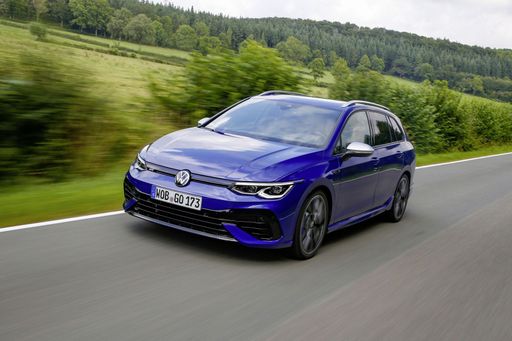
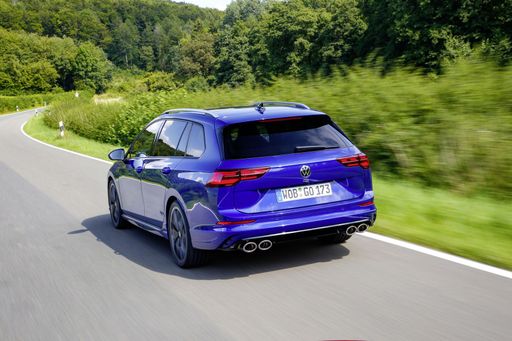
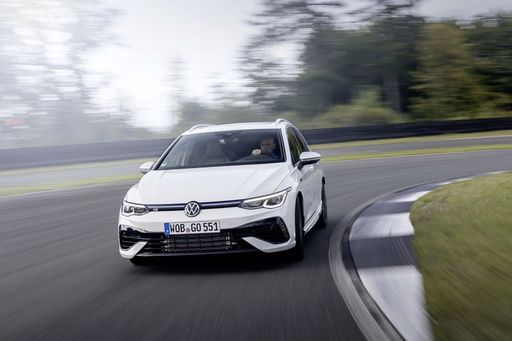
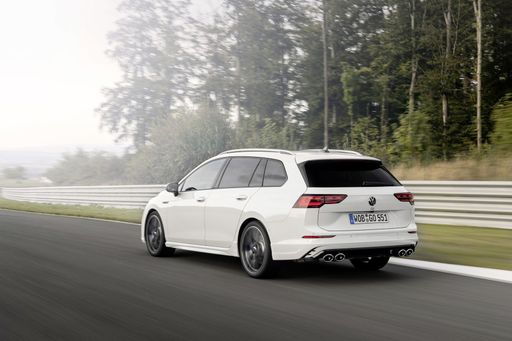
The Golf Estate packs Volkswagen's familiar poise into a practical, grown-up estate that quietly makes everyday life easier without shouting for attention. It's clever, comfortable and roomy enough for weekend kit or family chaos, offering smart packaging and refined manners that make it a sensible and surprisingly stylish choice for buyers who need space but don't want a van.

details
Peugeot 3008
VW Golf Variant

Costs and Consumption

Price
36,800 - 52,200 £
Price
28,800 - 38,800 £
Consumption L/100km
2.4 - 5.3 L/100km
Consumption L/100km
4.3 - 7 L/100km
Consumption kWh/100km
16.9 - 17.4 kWh/100km
Consumption kWh/100km
-
Electric Range
81 - 698 km
Electric Range
-
Battery Capacity
-
Battery Capacity
-
co2
0 - 121 g/km
co2
114 - 159 g/km
Fuel tank capacity
-
Fuel tank capacity
-

Dimensions and Body

Body Type
SUV
Body Type
Estate
Seats
5
Seats
5
Doors
-
Doors
-
Curb weight
1,648 - 2,266 kg
Curb weight
1,366 - 1,551 kg
Trunk capacity
470 - 520 L
Trunk capacity
611 L
Length
-
Length
-
Width
1,895 mm
Width
1,789 mm
Height
-
Height
-
Max trunk capacity
-
Max trunk capacity
-
Payload
432 - 467 kg
Payload
509 - 547 kg

Engine and Performance

Engine Type
Electric, Petrol MHEV, Plugin Hybrid
Engine Type
Petrol, Petrol MHEV, Diesel
Transmission
Automatic
Transmission
Manuel, Automatic
Transmission Detail
Reduction Gearbox, Dual-Clutch Automatic
Transmission Detail
Manual Gearbox, Dual-Clutch Automatic
Drive Type
Front-Wheel Drive, All-Wheel Drive
Drive Type
Front-Wheel Drive, All-Wheel Drive
Power HP
145 - 325 HP
Power HP
116 - 204 HP
Acceleration 0-100km/h
6 - 10.2 s
Acceleration 0-100km/h
6.5 - 10.5 s
Max Speed
-
Max Speed
-
Torque
230 - 511 Nm
Torque
220 - 360 Nm
Number of Cylinders
3 - 4
Number of Cylinders
4
Power kW
107 - 239 kW
Power kW
85 - 150 kW
Engine capacity
1,199 - 1,598 cm3
Engine capacity
1,498 - 1,984 cm3

General

Model Year
2,024 - 2,026
Model Year
2025
CO2 Efficiency Class
A, D, B
CO2 Efficiency Class
D, F, C
Brand
Peugeot
Brand
VW
DriveDuel uses data analysis and artificial intelligence to evaluate vehicle data and create content. Content is regularly reviewed and improved. The displayed prices are estimates based on German list prices, adjusted to the respective country’s VAT. Country-specific registration taxes are not included. This information is not legally binding.