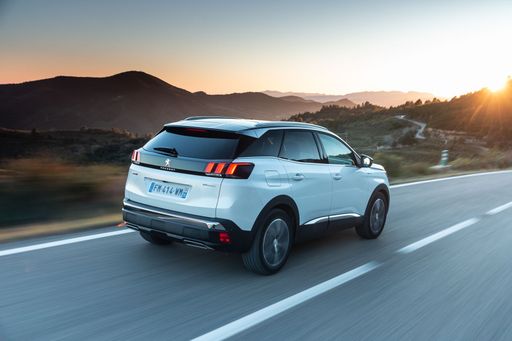
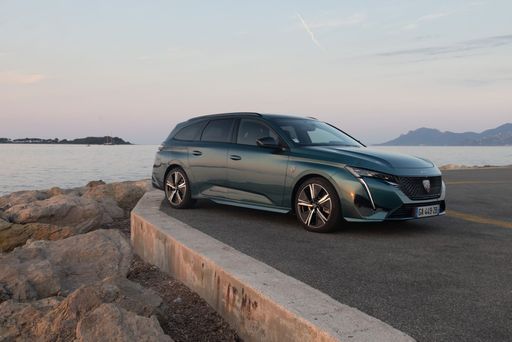
VS

Peugeot 308 SW vs Peugeot 3008 comparison

Compare performance (195 HP vs 325 HP), boot space and price (30,100 £ vs 35,100 £ ) at a glance. Find out which car is the better choice for you – Peugeot 308 SW or Peugeot 3008?

Peugeot 308 SW vs Peugeot 3008: Key differences

Peugeot 308 SW

4.5 (2 Reviews)
rate
  • slightly cheaper
  • marginally more efficient
  • slightly more efficient
  • slightly lighter
  • marginally more trunk space

Peugeot 3008

3.4 (4 Reviews)
rate
  • visibly more power
  • visibly more electric range
  • markedly quicker 0–100 km/h

All details on performance, efficiency, range and trunk space can be found in the technical comparison below – including user reviews for both models.

308 SW

Head-to-head: Peugeot 3008 VS Peugeot 308 SW

Peugeot 3008 VS Peugeot 308 SW — here’s a direct comparison between the compact crossover and the practical estate to help you decide which French model suits your life. If you’re choosing between the Peugeot 3008 and the Peugeot 308 SW, this walkthrough strips the brochure gloss and focuses on real-world differences. We’ll look at perceived comfort, day-to-day usability, design presence and the kind of ownership each car signals. Consider this your briefing before you dive into spec sheets or make a showroom appointment.
3008

Different attitudes: presence versus purpose

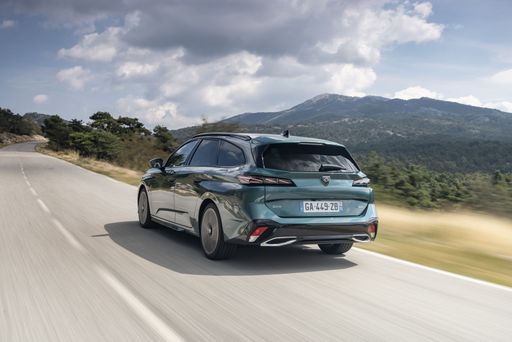
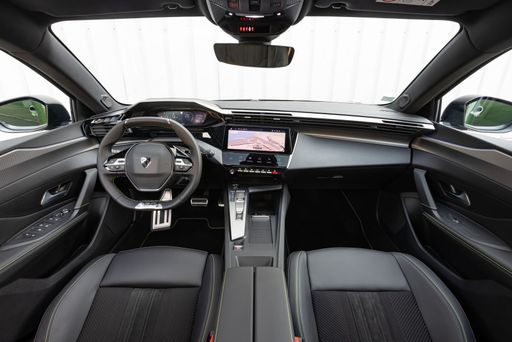
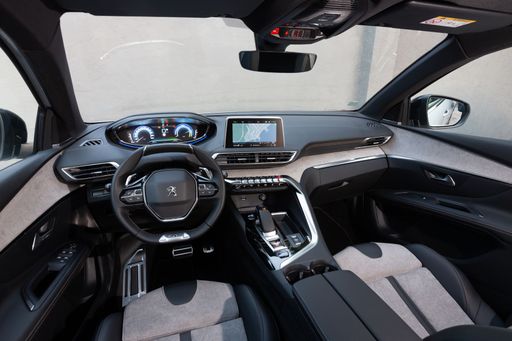
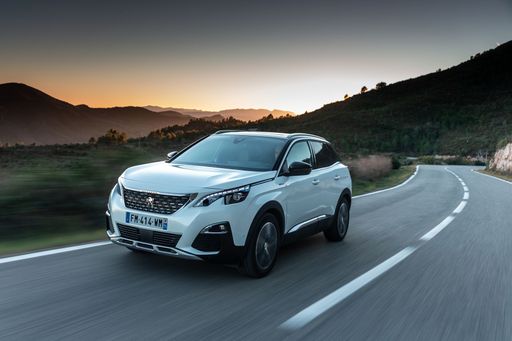
The Peugeot 3008 leans into SUV swagger with a taller stance and an interior that aims to feel a touch more premium and composed. The Peugeot 308 SW reads as a sleeker, more athletic estate that prioritises practicality and a lower, tauter look. In feel, the 3008 wants to be noticed and comfort its occupants, while the 308 SW quietly promises everyday cleverness and sharper handling. That contrast is more about attitude than equipment: one is showy in a tasteful way, the other is understated and efficient.

308 SW

Which one fits your daily rhythm?

For daily driving the Peugeot 3008 comes across as the more relaxed long-distance companion, smoothing motorway miles and offering a commanding view of the road. The Peugeot 308 SW excels in urban life and family duty, squeezing into tighter spaces and making loading groceries, bikes or prams less of a hassle. If your week is heavy on school runs, DIY trips and weekend escapes, the estate’s packaging feels more useful; if you want peace and a cushy ride for long commutes, the crossover answers that call. Both are adaptable, but they prioritize different kinds of routine.

3008

Buying for image or practicality?

Choosing the Peugeot 3008 signals you want a bit of presence and a cabin that feels slightly more premium — a sensible showpiece that comforts its driver. Selecting the Peugeot 308 SW tells a different story: you favour utility, lower running practicality and a more efficient, sports-minded silhouette. One choice is about refined presence and comfort, the other about usable space and real-world smarts. Neither is moralistically superior; they just justify different purchases.

308 SW

Who should pick the Peugeot 3008?

The Peugeot 3008 suits the commuter who values a calm, composed cabin and a higher driving position that makes city traffic less stressful. It’s a strong option for drivers who like their car to carry a touch of status while also providing a comfortable platform for longer trips. Buyers who prioritise perceived refinement and a soothing ride will find the 3008 appealing over the estate. It’s less about maximum cargo and more about everyday comfort and presence.

3008

Who should pick the Peugeot 308 SW (and how it compares to the 3008)

The Peugeot 308 SW is made for families and pragmatists who want the most useful space without fuss, and for rational buyers who prize efficiency and sensible running. It rewards owners who load and live with cars: easier loading, a lower profile and a more engaging feel suit active lifestyles. Compared with the Peugeot 3008, the 308 SW is the clearer tool for moving people and gear, sacrificing some showroom presence for everyday payoff. Dive into the detailed delta next to see the paper splits that explain those real-world trade-offs.

Here’s where it gets real: The technical differences in detail

308 SW

Costs and Efficiency:

When it comes to price and running costs, the biggest differences usually appear. This is often where you see which car fits your budget better in the long run.

Peugeot 308 SW is slightly cheaper – starting at 30,100 £ , while the Peugeot 3008 costs 35,100 £ . That’s a price difference of around 5,022 £.

Fuel consumption also shows a difference: the Peugeot 308 SW uses 2.3 L/100km and is marginally more efficient than the Peugeot 3008 with 2.4 L/100km. The difference is about 0.1 L/100km.

In terms of energy consumption, the Peugeot 308 SW is slightly more efficient: consuming 15.2 kWh/100km compared to 16.9 kWh/100km for the Peugeot 3008. That’s a difference of about 1.7 kWh/100km.

As for electric range, the Peugeot 3008 offers visibly more range – reaching up to 698 km, about 254 km more than the Peugeot 308 SW.

3008

Engine and Performance:

Power, torque and acceleration are the classic benchmarks for car enthusiasts – and here, some clear differences start to show.

When it comes to engine power, the Peugeot 3008 offers visibly more power – delivering 325 HP compared to 195 HP. That’s roughly 130 HP more horsepower.

When accelerating from 0 to 100 km/h, the Peugeot 3008 is markedly quicker – completing the sprint in 6 s, while the Peugeot 308 SW takes 7.7 s. That’s about 1.7 s quicker.

Looking at top speed, the Peugeot 308 SW is moderately faster – reaching 225 km/h, while the Peugeot 3008 tops out at 201 km/h. The difference is around 24 km/h.

There’s also a difference in torque: the Peugeot 3008 delivers considerably more torque with 511 Nm compared to 300 Nm. That’s about 211 Nm more.

308 SW

Space and Everyday Use:

Cabin size, boot volume and payload all play a role in everyday practicality. Here, comfort and flexibility make the difference.

Both vehicles offer seating for 5 people.

In terms of curb weight, Peugeot 308 SW is slightly lighter – 1,484 kg compared to 1,648 kg. The difference is around 164 kg.

Looking at boot space, the Peugeot 308 SW offers marginally more boot space – 551 L compared to 520 L. That’s a difference of about 31 L.

For maximum load capacity, the Peugeot 308 SW offers very slightly more capacity – up to 1,483 L, about 3 L more than the Peugeot 3008.

When it comes to payload, the Peugeot 308 SW carries marginally more – 508 kg compared to 467 kg. That’s a difference of about 41 kg.

Who wins the race in the data check?

The Peugeot 3008 stands well ahead of its rival in the objective data comparison.
This result only shows which model scores more points on paper – not which of the two cars feels right for you.

from £35,100
3008

Peugeot 3008

  • Engine Type : Electric, Petrol MHEV, Plugin Hybrid
  • Transmission : Automatic
  • Drive Type : Front-Wheel Drive, All-Wheel Drive
  • Power HP : 145 - 325 HP
  • Consumption L/100km : 2.4 - 5.4 L/100km
  • Consumption kWh/100km : 16.9 - 17.6 kWh/100km
  • Electric Range : 81 - 698 km
Peugeot 308 SW
Peugeot 3008

Costs and Consumption

View detailed analysis

Engine and Performance

View detailed analysis

Dimensions and Body

View detailed analysis

Peugeot 308 SW

The Peugeot 308 SW blends French flair with estate practicality, dressing up daily chores in a surprisingly handsome package. Inside it's cleverly laid out and comfortable, and the composed, entertaining drive makes family duty feel a little less like a chore.

details

Peugeot 3008

The Peugeot 3008 blends bold French styling with a surprisingly grown-up interior that makes even dull commutes feel a little bit special. Practical enough for family life yet lively to drive, it’s a clever all‑rounder that stands out from the crossover crowd without shouting for attention.

details
Peugeot 308 SW
Peugeot 3008

Costs and Consumption

Price
30,100 - 43,800 £
Price
35,100 - 52,000 £
Consumption L/100km
2.3 - 5.1 L/100km
Consumption L/100km
2.4 - 5.4 L/100km
Consumption kWh/100km
15.2 - 15.7 kWh/100km
Consumption kWh/100km
16.9 - 17.6 kWh/100km
Electric Range
78 - 444 km
Electric Range
81 - 698 km
Battery Capacity
0.4 kWh
Battery Capacity
0.4 - 96.9 kWh
co2
0 - 134 g/km
co2
0 - 121 g/km
Fuel tank capacity
42 - 52 L
Fuel tank capacity
55 L

Dimensions and Body

Body Type
Estate
Body Type
SUV
Seats
5
Seats
5
Doors
5
Doors
5
Curb weight
1,484 - 1,783 kg
Curb weight
1,648 - 2,266 kg
Trunk capacity
467 - 551 L
Trunk capacity
470 - 520 L
Length
4,636 mm
Length
4,542 mm
Width
1,852 mm
Width
1,895 mm
Height
1,438 mm
Height
1,641 mm
Max trunk capacity
1,402 - 1,483 L
Max trunk capacity
1,430 - 1,480 L
Payload
417 - 508 kg
Payload
432 - 467 kg

Engine and Performance

Engine Type
Petrol MHEV, Diesel, Plugin Hybrid, Electric
Engine Type
Electric, Petrol MHEV, Plugin Hybrid
Transmission
Automatic
Transmission
Automatic
Transmission Detail
Dual-Clutch Automatic, Automatic Gearbox, Reduction Gearbox
Transmission Detail
Reduction Gearbox, Dual-Clutch Automatic
Drive Type
Front-Wheel Drive
Drive Type
Front-Wheel Drive, All-Wheel Drive
Power HP
131 - 195 HP
Power HP
145 - 325 HP
Acceleration 0-100km/h
7.7 - 10.9 s
Acceleration 0-100km/h
6 - 10.2 s
Max Speed
170 - 225 km/h
Max Speed
170 - 201 km/h
Torque
230 - 300 Nm
Torque
230 - 511 Nm
Number of Cylinders
3 - 4
Number of Cylinders
3 - 4
Power kW
96 - 144 kW
Power kW
107 - 239 kW
Engine capacity
1,199 - 1,598 cm3
Engine capacity
1,199 - 1,598 cm3

General

Model Year
2,025 - 2,026
Model Year
2,024 - 2,026
CO2 Efficiency Class
C, D, B, A
CO2 Efficiency Class
A, D, B
Brand
Peugeot
Brand
Peugeot
DriveDuel uses data analysis and artificial intelligence to evaluate vehicle data and create content. Content is regularly reviewed and improved. The displayed prices are estimates based on German list prices, adjusted to the respective country’s VAT. Country-specific registration taxes are not included. This information is not legally binding.