VS

Peugeot 308 SW vs VW Passat comparison

Compare performance (195 HP vs 272 HP), boot space and price (30,100 £ vs 36,500 £ ) at a glance. Find out which car is the better choice for you – Peugeot 308 SW or VW Passat?

Peugeot 308 SW vs VW Passat: Key differences

Peugeot 308 SW

4.5 (2 Reviews)
rate
  • markedly cheaper
  • substantially more electric range
  • barely lighter

VW Passat

5 (3 Reviews)
rate
  • markedly more power
  • clearly more efficient
  • markedly quicker 0–100 km/h
  • noticeably more trunk space

All details on performance, efficiency, range and trunk space can be found in the technical comparison below – including user reviews for both models.

308 SW

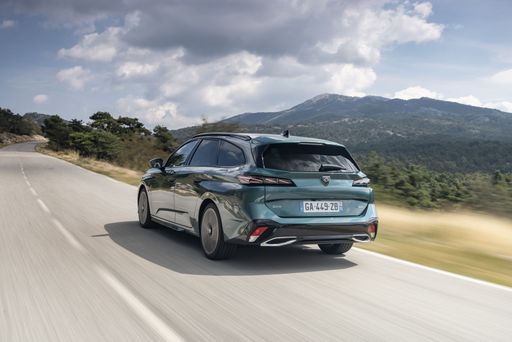
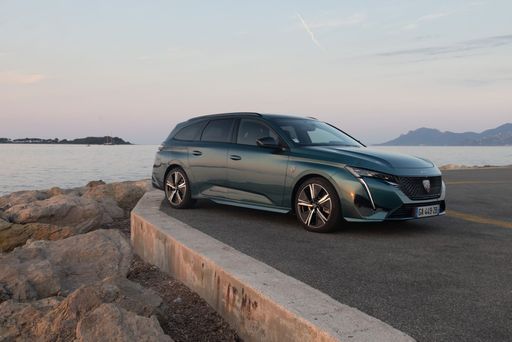
The Battle of the Wagons: Peugeot 308 SW vs. VW Passat

In the world of practical and style-driven wagons, few models catch the eyes of both enthusiasts and everyday drivers like the Peugeot 308 SW and VW Passat. As both models embrace the needs of families and cargo flexibility without sacrificing a hint of elegance and performance, they present a challenging choice for anyone in the market for a new wagon. Let's dive deeper into the remarkable features and specs that set these two apart.
Passat

Power and Performance

The Peugeot 308 SW offers a diverse range of powertrains, accommodating everything from petrol to an all-electric option. Its standout is the plug-in hybrid variant, which provides 225 HP and a swift 0-100 km/h acceleration in just 7.7 seconds, making it as spirited as it is efficient. For eco-conscious drivers, the electric version boasts an impressive range of 410 km.

Conversely, the VW Passat welcomes power enthusiasts with its top engine options producing up to 272 HP and achieving a 0-100 km/h acceleration in just 5.8 seconds, a nod towards its sporty intentions. Additionally, the Passat's plug-in hybrid offers a potential electric range of 126 km, setting a benchmark for eco-friendly performance in this segment.

308 SW

Innovative Technologies and Interior Comfort

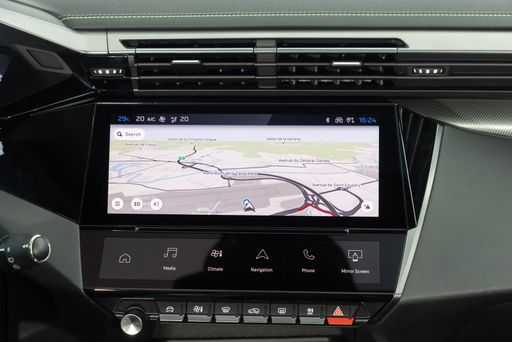
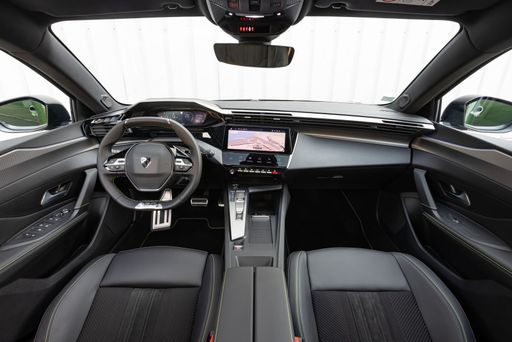
Both models have embraced modern automotive innovation, featuring advanced infotainment systems and driver-assistance technologies designed to make the driving experience seamless and safe. The Peugeot 308 SW impresses with a cutting-edge cockpit design, putting vital controls at your fingertips, aiding in creating a driver-centric environment.

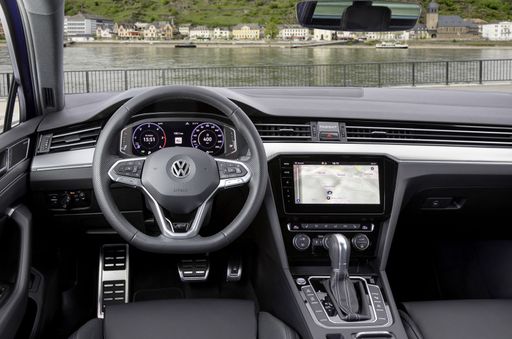
The VW Passat, on the other hand, excels in comfort and space. Its exquisite interior design is complemented with high-quality materials, offering spacious accommodations with a trunk capacity ranging up to 690 liters, making it an ideal companion for long journeys or family adventures.

Passat

Practicality and Fuel Efficiency

Both wagons deliver excellent fuel economy, with the Peugeot 308 SW's hybrid version sipping just 1.3 L/100km, while its electric counterpart runs at 15.7 kWh/100km. Meanwhile, the VW Passat's hybrid model uses merely 0.4 L/100km and 19.7 kWh per 100 km, showcasing its remarkable efficiency for both city and highway cruising.

In terms of dimensions, the Peugeot 308 SW spans 4636mm in length and provides a substantial cargo area of 608 liters. The VW Passat, slightly larger at 4917mm in length, benefits from its class-leading cargo room, catering seamlessly to bulkier needs.

308 SW

Final Thoughts

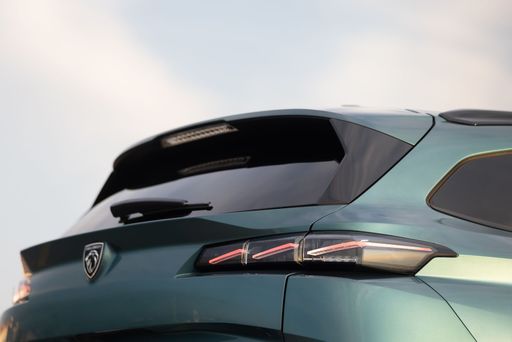
The comparison between the Peugeot 308 SW and the VW Passat reveals two strongly positioned contenders in the contemporary wagon market. While the Peugeot 308 SW stands out with its varied powertrains and futuristic design, the VW Passat steals the limelight with its superior space, powerful performance, and innovative technology. Each brings unique strengths to the table, so deciding between the two will ultimately depend on whether one's priority lies in outright space and performance or diversified, future-forward efficiency.

Here’s where it gets real: The technical differences in detail

308 SW

Costs and Efficiency:

Looking at overall running costs, both models reveal some interesting differences in everyday economy.

Peugeot 308 SW is markedly cheaper – starting at 30,100 £ , while the VW Passat costs 36,500 £ . That’s a price difference of around 6,342 £.

Fuel consumption also shows a difference: the VW Passat uses 1.2 L/100km and is clearly more efficient than the Peugeot 308 SW with 2.3 L/100km. The difference is about 1.1 L/100km.

As for electric range, the Peugeot 308 SW offers substantially more range – reaching up to 444 km, about 309 km more than the VW Passat.

Passat

Engine and Performance:

Power, torque and acceleration are the classic benchmarks for car enthusiasts – and here, some clear differences start to show.

When it comes to engine power, the VW Passat offers markedly more power – delivering 272 HP compared to 195 HP. That’s roughly 77 HP more horsepower.

When accelerating from 0 to 100 km/h, the VW Passat is markedly quicker – completing the sprint in 5.8 s, while the Peugeot 308 SW takes 7.7 s. That’s about 1.9 s quicker.

Looking at top speed, the VW Passat is marginally faster – reaching 250 km/h, while the Peugeot 308 SW tops out at 225 km/h. The difference is around 25 km/h.

There’s also a difference in torque: the VW Passat delivers visibly more torque with 400 Nm compared to 300 Nm. That’s about 100 Nm more.

308 SW

Space and Everyday Use:

Cabin size, boot volume and payload all play a role in everyday practicality. Here, comfort and flexibility make the difference.

Both vehicles offer seating for 5 people.

In terms of curb weight, Peugeot 308 SW is barely lighter – 1,484 kg compared to 1,573 kg. The difference is around 89 kg.

Looking at boot space, the VW Passat offers noticeably more boot space – 690 L compared to 551 L. That’s a difference of about 139 L.

For maximum load capacity, the VW Passat offers slightly more capacity – up to 1,770 L, about 287 L more than the Peugeot 308 SW.

When it comes to payload, the VW Passat carries moderately more – 577 kg compared to 508 kg. That’s a difference of about 69 kg.

Who wins the race in the data check?

The VW Passat is clearly superior overall in the objective data comparison.
This result only shows which model scores more points on paper – not which of the two cars feels right for you.

from £36,500
Passat

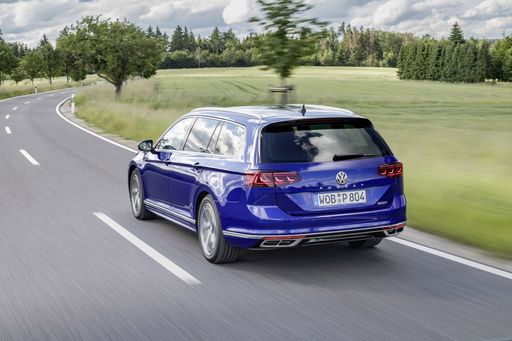
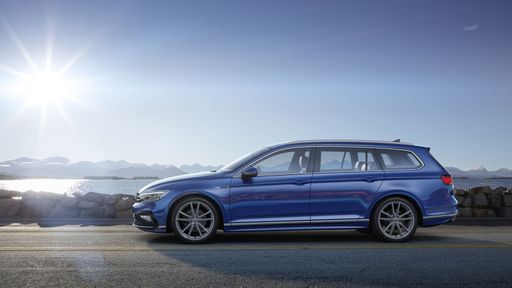
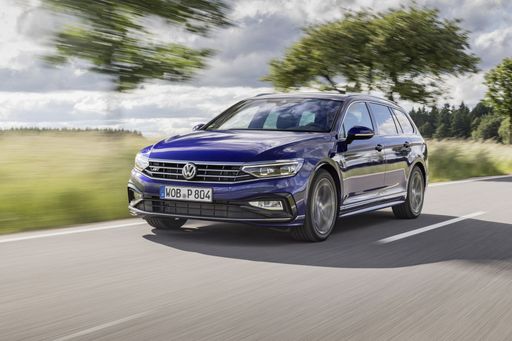
VW Passat

  • Engine Type : Petrol, Petrol MHEV, Diesel, Plugin Hybrid
  • Transmission : Automatic
  • Drive Type : All-Wheel Drive, Front-Wheel Drive
  • Power HP : 122 - 272 HP
  • Consumption L/100km : 1.2 - 8 L/100km
  • Electric Range : 124 - 135 km
Peugeot 308 SW
VW Passat

Costs and Consumption

View detailed analysis

Engine and Performance

View detailed analysis

Dimensions and Body

View detailed analysis

Peugeot 308 SW

The Peugeot 308 SW blends French flair with estate practicality, dressing up daily chores in a surprisingly handsome package. Inside it's cleverly laid out and comfortable, and the composed, entertaining drive makes family duty feel a little less like a chore.

details

VW Passat

The VW Passat is the grown-up family car that gets the basics absolutely right — roomy, comfortable and built to handle weekday commutes and weekend getaways without fuss. It won't set your pulse racing, but its calm composure and sensible packaging make it boring in the best possible way: a dependable, no‑drama choice for buyers who value practicality over flash.

details
Peugeot 308 SW
VW Passat

Costs and Consumption

Price
30,100 - 43,800 £
Price
36,500 - 58,500 £
Consumption L/100km
2.3 - 5.1 L/100km
Consumption L/100km
1.2 - 8 L/100km
Consumption kWh/100km
15.2 - 15.7 kWh/100km
Consumption kWh/100km
-
Electric Range
78 - 444 km
Electric Range
124 - 135 km
Battery Capacity
0.4 kWh
Battery Capacity
19.7 kWh
co2
0 - 134 g/km
co2
28 - 181 g/km
Fuel tank capacity
42 - 52 L
Fuel tank capacity
45 - 66 L

Dimensions and Body

Body Type
Estate
Body Type
Estate
Seats
5
Seats
5
Doors
5
Doors
5
Curb weight
1,484 - 1,783 kg
Curb weight
1,573 - 1,858 kg
Trunk capacity
467 - 551 L
Trunk capacity
510 - 690 L
Length
4,636 mm
Length
4,917 mm
Width
1,852 mm
Width
1,849 mm
Height
1,438 mm
Height
1,521 mm
Max trunk capacity
1,402 - 1,483 L
Max trunk capacity
1,770 L
Payload
417 - 508 kg
Payload
501 - 577 kg

Engine and Performance

Engine Type
Petrol MHEV, Diesel, Plugin Hybrid, Electric
Engine Type
Petrol, Petrol MHEV, Diesel, Plugin Hybrid
Transmission
Automatic
Transmission
Automatic
Transmission Detail
Dual-Clutch Automatic, Automatic Gearbox, Reduction Gearbox
Transmission Detail
Dual-Clutch Automatic
Drive Type
Front-Wheel Drive
Drive Type
All-Wheel Drive, Front-Wheel Drive
Power HP
131 - 195 HP
Power HP
122 - 272 HP
Acceleration 0-100km/h
7.7 - 10.9 s
Acceleration 0-100km/h
5.8 - 10.7 s
Max Speed
170 - 225 km/h
Max Speed
220 - 250 km/h
Torque
230 - 300 Nm
Torque
250 - 400 Nm
Number of Cylinders
3 - 4
Number of Cylinders
4
Power kW
96 - 144 kW
Power kW
90 - 200 kW
Engine capacity
1,199 - 1,598 cm3
Engine capacity
1,498 - 1,984 cm3

General

Model Year
2,025 - 2,026
Model Year
2,024 - 2,025
CO2 Efficiency Class
C, D, B, A
CO2 Efficiency Class
G, D, E, B
Brand
Peugeot
Brand
VW
DriveDuel uses data analysis and artificial intelligence to evaluate vehicle data and create content. Content is regularly reviewed and improved. The displayed prices are estimates based on German list prices, adjusted to the respective country’s VAT. Country-specific registration taxes are not included. This information is not legally binding.