VS

Peugeot 5008 vs Kia EV5 comparison

Compare performance (325 HP vs 306 HP), boot space and price (38,900 £ vs 39,400 £ ) at a glance. Find out which car is the better choice for you – Peugeot 5008 or Kia EV5?

Peugeot 5008 vs Kia EV5: Key differences

Peugeot 5008

4.7 (1 Reviews)
rate
  • barely cheaper
  • very slightly more power
  • visibly more electric range
  • clearly lighter
details

Kia EV5

4.7 (1 Reviews)
rate
  • only slightly more efficient
  • very slightly quicker 0–100 km/h
details

All details on performance, efficiency, range and trunk space can be found in the technical comparison below – including user reviews for both models.

By Achim Sedelmaier

5008

Overview: Peugeot 5008 and Kia EV5 head-to-head

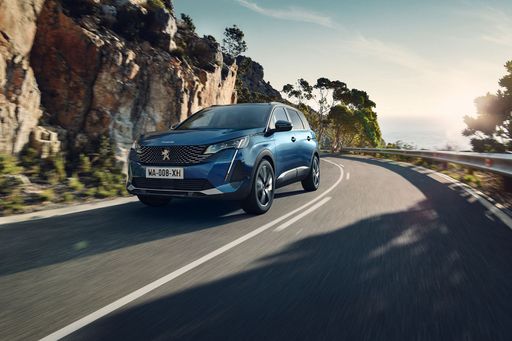
The Peugeot 5008 and Kia EV5 arrive in the same family‑SUV arena but aim at different buyer needs, so a quick comparison of Peugeot 5008 VS Kia EV5 helps cut through specs. The 5008 pitches itself as a design‑led, comfort‑first seven‑seater with a calm highway demeanour and a more premium cabin feel, while the EV5 focuses on roomy rear space, cargo practicality and an uncomplicated electric experience. That contrast means the decision is rarely about power figures and more about how you live with the car day to day: extra seats and a hushed cruiser versus a generous, easy‑to‑use five‑seat EV. Below we run through how those choices play out in driving character, comfort, practicality, city use and who each car really suits.
EV5

Driving character and on‑road feel

Character separates them clearly: the Peugeot 5008 behaves like a composed, continental cruiser, whereas the Kia EV5 feels like a deliberate, comfort‑focused electric mover. The 5008 rewards motorway miles with steady tracking and low cabin noise, giving a relaxed long‑distance confidence. The EV5 trades a bit of that planted feeling for a softer, more forgiving ride that prioritises occupant comfort and ease over feedback. In short, the 5008 leans toward serene refinement, the EV5 toward plush, utility‑first cruising with little ambition for sporty engagement.

5008

Cabin comfort and long‑distance behaviour

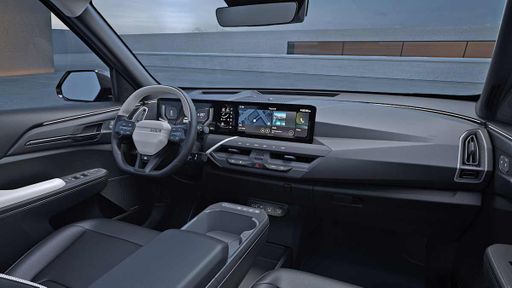
Inside, the Peugeot 5008 makes a stronger case for perceived quality with richer materials and seats designed for long stints behind the wheel, while the Kia EV5 is more about practical ergonomics and usable space. On long drives the 5008’s quieter shell and supportive front seats reduce fatigue and deliver a more polished touring experience. The EV5 is comfortable too and shines with useful features like a frunk and V2L preparation, but you’ll feel the difference in refinement and sometimes in how often you need to recharge on a high‑speed run. Both cabins have quirks — the 5008’s infotainment can be fiddly, the EV5’s climate/display layout is awkward — so personal preference on controls matters as much as seat comfort.

EV5

Practicality, seating and cargo usability

The practical split is obvious: the Peugeot 5008 offers true 7‑seat flexibility with a sliding second row and a third row suited to children or occasional adult use, while the Kia EV5 is a capacious five‑seater that turns into an impressively flat, long load area. Families who regularly need an extra pair of seats or flexible occupant layouts will find the 5008’s 5+2 arrangement compelling. Buyers who prioritise cargo space, loading ease and a longer flat bed for bikes or furniture will appreciate the EV5’s thoughtful storage and frunk. Choose the 5008 for passenger flexibility, the EV5 for cargo‑first practicality — they solve two different family problems.

5008

City friendliness and everyday usability

In town both models are easy to live with but in different ways: the Peugeot 5008 benefits from light steering and a surprisingly modest turning circle for its size, yet wide pillars and a high load lip complicate tight parking without cameras. The Kia EV5 gives clearer forward visibility and intuitive controls that make daily errands simple, although the side climate touch panel and capacitive shortcuts can be distracting. Cameras and parking aids help both, but the EV5’s straightforward ergonomics and storage layout make it marginally less stressful for frequent stop‑and‑go routines. If you expect lots of city manoeuvres, prioritise the EV5’s honest usability; if you want a refined cabin for the commute, the 5008 still wins points.

EV5

Buyer fit and trade‑offs before the numbers

Put simply: pick the Peugeot 5008 if you need a genuine seven‑seat layout, want a quieter, more premium touring experience and value a composed highway companion, and pick the Kia EV5 if you prioritise rear‑seat space, cargo flexibility and straightforward EV features like V2L. Both make sensible family cars, but they ask you to accept different compromises — the 5008 gives up some cargo simplicity and slightly higher running quirks for seats and refinement, the EV5 trades a third row and premium trimmings for greater everyday practicality and simpler controls. Charging behaviour and real‑world range shape those trade‑offs, so the technical comparison that follows will quantify range, charging speeds and performance to help confirm which compromise — Peugeot 5008 or Kia EV5 — actually fits your routine.

Here’s where it gets real: The technical differences in detail

5008

Costs and Efficiency:

When it comes to price and running costs, the biggest differences usually appear. This is often where you see which car fits your budget better in the long run.

Peugeot 5008 is barely cheaper – starting at 38,900 £ , while the Kia EV5 costs 39,400 £ . That’s a price difference of around 498 £.

In terms of energy consumption, the Kia EV5 is only slightly more efficient: consuming 16.9 kWh/100km compared to 17.8 kWh/100km for the Peugeot 5008. That’s a difference of about 0.9 kWh/100km.

As for electric range, the Peugeot 5008 offers visibly more range – reaching up to 669 km, about 139 km more than the Kia EV5.

EV5

Engine and Performance:

Power, torque and acceleration say a lot about how a car feels on the road. This is where you see which model delivers more driving dynamics.

When it comes to engine power, the Peugeot 5008 offers very slightly more power – delivering 325 HP compared to 306 HP. That’s roughly 19 HP more horsepower.

When accelerating from 0 to 100 km/h, the Kia EV5 is very slightly quicker – completing the sprint in 6.2 s, while the Peugeot 5008 takes 6.5 s. That’s about 0.3 s quicker.

There’s also a difference in torque: the Peugeot 5008 delivers very slightly more torque with 511 Nm compared to 480 Nm. That’s about 31 Nm more.

5008

Space and Everyday Use:

Cabin size, boot volume and payload all play a role in everyday practicality. Here, comfort and flexibility make the difference.

Seats: Peugeot 5008 offers more seats – 7 vs 5.

In terms of curb weight, Peugeot 5008 is clearly lighter – 1,700 kg compared to 2,069 kg. The difference is around 369 kg.

When it comes to payload, the Peugeot 5008 carries noticeably more – 640 kg compared to 511 kg. That’s a difference of about 129 kg.

Who wins the race in the data check?

The Peugeot 5008 stands well ahead of its rival in the objective data comparison.
This result only shows which model scores more points on paper – not which of the two cars feels right for you.

from £38,900
5008

Peugeot 5008

  • Engine Type : Electric, Petrol MHEV, Plugin Hybrid
  • Transmission : Automatic
  • Drive Type : Front-Wheel Drive, All-Wheel Drive
  • Power HP : 145 - 325 HP
  • Consumption L/100km : 2.7 - 5.6 L/100km
  • Consumption kWh/100km : 17.8 - 18.1 kWh/100km
  • Electric Range : 78 - 669 km
Peugeot 5008
Kia EV5

Costs and Consumption

View detailed analysis

Engine and Performance

View detailed analysis

Dimensions and Body

View detailed analysis

Peugeot 5008

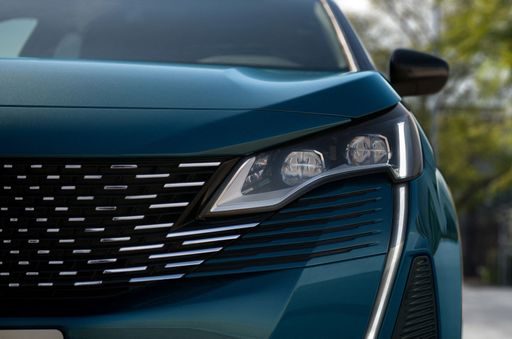
The Peugeot 5008 blends Peugeot's sharp design with the space and versatility families actually need, wrapping clever packaging and a premium-feeling cabin in a crisp, SUV-like silhouette. It drives with more poise than you'd expect from a people carrier, serves up practical touches and flexible seating for everyday chaos, and still looks good when parked outside the school gates.

details

Kia EV5

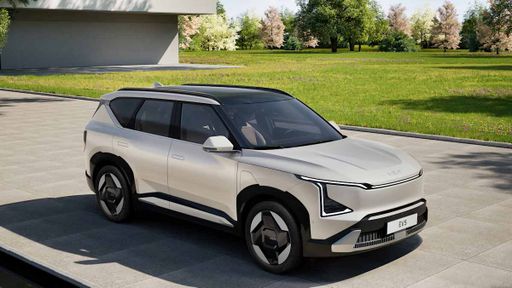
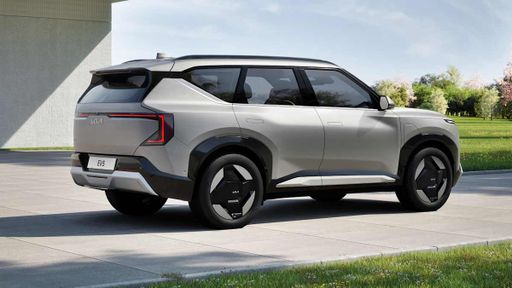
Kia's EV5 is an exciting entry into the electric SUV market, showcasing the brand's commitment to sustainable mobility. With its modern design and advanced technology features, the EV5 promises to deliver a smooth and environmentally friendly driving experience. The interior offers a spacious and comfortable ride, making it an appealing choice for families and eco-conscious drivers alike.

details
Peugeot 5008
Kia EV5

Costs and Consumption

Price
38,900 - 54,300 £
Price
39,400 - 51,400 £
Consumption L/100km
2.7 - 5.6 L/100km
Consumption L/100km
-
Consumption kWh/100km
17.8 - 18.1 kWh/100km
Consumption kWh/100km
16.9 - 18.6 kWh/100km
Electric Range
78 - 669 km
Electric Range
476 - 530 km
Battery Capacity
-
Battery Capacity
-
co2
0 - 127 g/km
co2
0 g/km
Fuel tank capacity
-
Fuel tank capacity
-

Dimensions and Body

Body Type
SUV
Body Type
SUV
Seats
7
Seats
5
Doors
-
Doors
-
Curb weight
1,700 - 2,344 kg
Curb weight
2,069 - 2,205 kg
Trunk capacity
348 L
Trunk capacity
-
Length
-
Length
-
Width
1,895 mm
Width
1,875 mm
Height
-
Height
-
Max trunk capacity
-
Max trunk capacity
-
Payload
596 - 640 kg
Payload
465 - 511 kg

Engine and Performance

Engine Type
Electric, Petrol MHEV, Plugin Hybrid
Engine Type
Electric
Transmission
Automatic
Transmission
Automatic
Transmission Detail
Reduction Gearbox, Dual-Clutch Automatic
Transmission Detail
Reduction Gearbox
Drive Type
Front-Wheel Drive, All-Wheel Drive
Drive Type
Front-Wheel Drive, All-Wheel Drive
Power HP
145 - 325 HP
Power HP
218 - 306 HP
Acceleration 0-100km/h
6.5 - 10.2 s
Acceleration 0-100km/h
6.2 - 8.4 s
Max Speed
-
Max Speed
-
Torque
230 - 511 Nm
Torque
295 - 480 Nm
Number of Cylinders
3 - 4
Number of Cylinders
-
Power kW
107 - 239 kW
Power kW
160 - 225 kW
Engine capacity
1,199 - 1,598 cm3
Engine capacity
-

General

Model Year
2,024 - 2,026
Model Year
2,025 - 2,026
CO2 Efficiency Class
A, D, B
CO2 Efficiency Class
A
Brand
Peugeot
Brand
Kia
DriveDuel uses data analysis and artificial intelligence to evaluate vehicle data and create content. Content is regularly reviewed and improved. The displayed prices are estimates based on German list prices, adjusted to the respective country’s VAT. Country-specific registration taxes are not included. This information is not legally binding.