
 Deutschland
 France
 Nederland
 Great Britain
 Sverige
 Norge
Norge Danmark
 Suomi
Suomi Italia
 Polska
 España
VS
Peugeot Traveller vs Dacia Bigster - Differences and prices compared
Compare performance (180 HP vs 155 HP), boot space and price (34800 £ vs 20600 £ ) at a glance. Find out which car is the better choice for you – Peugeot Traveller or Dacia Bigster?
Traveller
Costs and Efficiency:
Price and efficiency are often the first things buyers look at. Here it becomes clear which model has the long-term edge – whether at the pump, the plug, or in purchase price.
Dacia Bigster has a clearly advantage in terms of price – it starts at 20600 £ , while the Peugeot Traveller costs 34800 £ . That’s a price difference of around 14263 £.
Fuel consumption also shows a difference: Dacia Bigster manages with 4.70 L and is therefore decisively more efficient than the Peugeot Traveller with 7 L. The difference is about 2.30 L per 100 km.
Bigster
Engine and Performance:
Under the bonnet, it becomes clear which model is tuned for sportiness and which one takes the lead when you hit the accelerator.
When it comes to engine power, the Peugeot Traveller has a a bit edge – offering 180 HP compared to 155 HP. That’s roughly 25 HP more horsepower.
In acceleration from 0 to 100 km/h, the Dacia Bigster is minimal quicker – completing the sprint in 9.70 s, while the Peugeot Traveller takes 10.60 s. That’s about 0.90 s faster.
In terms of top speed, the Peugeot Traveller performs hardly perceptible better – reaching 185 km/h, while the Dacia Bigster tops out at 180 km/h. The difference is around 5 km/h.
There’s also a difference in torque: Peugeot Traveller pulls decisively stronger with 400 Nm compared to 230 Nm. That’s about 170 Nm difference.
Ad · Affiliate
As an Amazon Associate, we earn from qualifying purchases.
Traveller
Space and Everyday Use:
Cabin size, boot volume and payload all play a role in everyday practicality. Here, comfort and flexibility make the difference.
Seats: Peugeot Traveller offers evident more seating capacity – 8 vs 5.
In curb weight, Dacia Bigster is distinct lighter – 1425 kg compared to 1953 kg. The difference is around 528 kg.
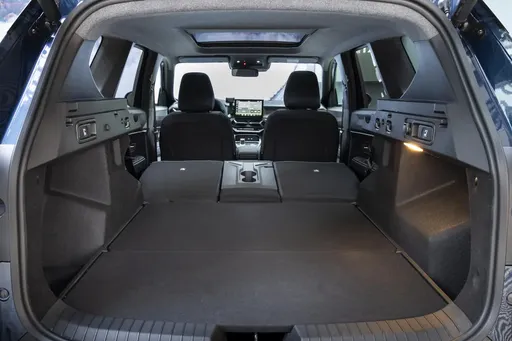
In terms of boot space, the Peugeot Traveller offers significantly more room – 2011 L compared to 667 L. That’s a difference of about 1344 L.
In maximum load capacity, the Peugeot Traveller performs convincingly better – up to 3300 L, which is about 1363 L more than the Dacia Bigster.
When it comes to payload, Peugeot Traveller convincingly takes the win – 914 kg compared to 465 kg. That’s a difference of about 449 kg.
Who wins the race in the data check?
The Peugeot Traveller is decisively ahead in the objective data comparison.
This result only shows which model scores more points on paper – not which of the two cars feels right for you.
Peugeot Traveller
Dacia Bigster
Costs and Consumption
View detailed analysis
View detailed analysis
Engine and Performance
View detailed analysis
View detailed analysis
Dimensions and Body
View detailed analysis
View detailed analysis
from about £34,800
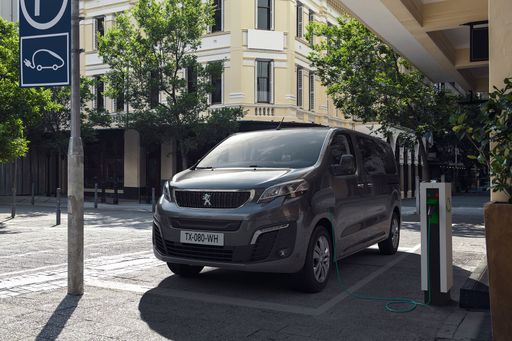
Peugeot Traveller
Peugeot Traveller
The Peugeot Traveller is a roomy, refined people‑carrier that dresses up everyday practicality with an unexpectedly classy interior. Perfect for family getaways or executive shuttles, it pairs flexible seating and clever storage with a calm, composed ride — useful, sensible, and quietly likeable.
details
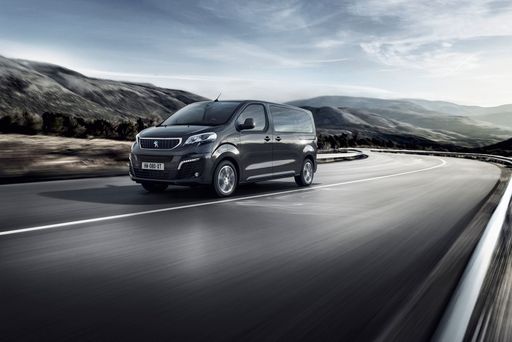
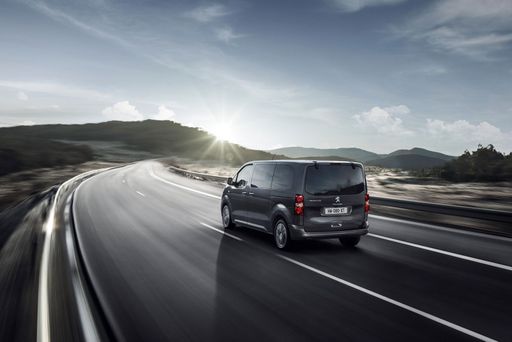

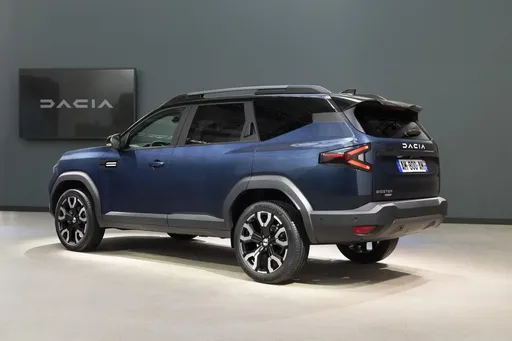
Dacia Bigster
4.7 (3 Reviews)
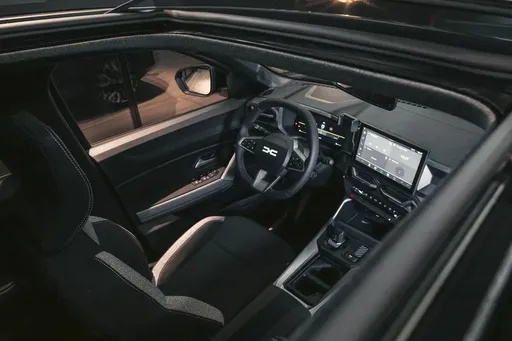
The Bigster is poised to redefine the SUV segment with its bold design and spacious interior, catering to the needs of both families and adventure seekers alike. Emphasizing sustainability and practicality, this model reflects a modern approach to automotive engineering, making it a compelling choice for environmentally conscious drivers. With its striking presence on the road, the Bigster not only captures attention but also embodies a new era of versatile mobility.
details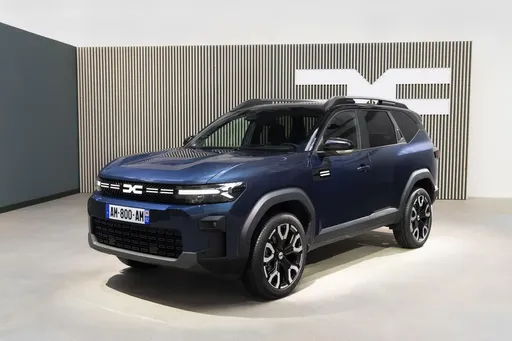

Peugeot Traveller
Dacia Bigster
Costs and Consumption |
|
|---|---|
|
Price
34800 - 52200 £
|
Price
20600 - 28100 £
|
|
Consumption L/100km
7 - 7.1 L
|
Consumption L/100km
4.7 - 7.2 L
|
|
Consumption kWh/100km
24.3 - 25 kWh
|
Consumption kWh/100km
-
|
|
Electric Range
217 - 351 km
|
Electric Range
-
|
|
Battery Capacity
-
|
Battery Capacity
-
|
|
co2
0 - 188 g/km
|
co2
106 - 134 g/km
|
|
Fuel tank capacity
70 L
|
Fuel tank capacity
50 L
|
Dimensions and Body |
|
|---|---|
|
Body Type
Bus
|
Body Type
SUV
|
|
Seats
8
|
Seats
5
|
|
Doors
5
|
Doors
5
|
|
Curb weight
1953 - 2240 kg
|
Curb weight
1425 - 1611 kg
|
|
Trunk capacity
1624 - 2011 L
|
Trunk capacity
546 - 667 L
|
|
Length
4983 - 5333 mm
|
Length
4570 mm
|
|
Width
1920 mm
|
Width
1813 mm
|
|
Height
1890 mm
|
Height
1705 mm
|
|
Max trunk capacity
2700 - 3300 L
|
Max trunk capacity
1851 - 1937 L
|
|
Payload
850 - 914 kg
|
Payload
434 - 465 kg
|
Engine and Performance |
|
|---|---|
|
Engine Type
Electric, Diesel
|
Engine Type
Petrol MHEV, Full Hybrid, LPG
|
|
Transmission
Automatic
|
Transmission
Manuel, Automatic
|
|
Transmission Detail
Reduction Gearbox, Automatic Gearbox
|
Transmission Detail
Manual Gearbox, Automated Manual, Dual-Clutch Automatic
|
|
Drive Type
Front-Wheel Drive
|
Drive Type
Front-Wheel Drive, All-Wheel Drive
|
|
Power HP
136 - 180 HP
|
Power HP
140 - 155 HP
|
|
Acceleration 0-100km/h
10.6 - 14.2 s
|
Acceleration 0-100km/h
9.7 - 10.5 s
|
|
Max Speed
130 - 185 km/h
|
Max Speed
180 km/h
|
|
Torque
270 - 400 Nm
|
Torque
230 Nm
|
|
Number of Cylinders
4
|
Number of Cylinders
3 - 4
|
|
Power kW
100 - 132 kW
|
Power kW
103 - 115 kW
|
|
Engine capacity
2184 cm3
|
Engine capacity
1199 - 1799 cm3
|
General |
|
|---|---|
|
Model Year
2024 - 2025
|
Model Year
2025
|
|
CO2 Efficiency Class
A, G
|
CO2 Efficiency Class
D, C
|
|
Brand
Peugeot
|
Brand
Dacia
|
What drivetrain options does the Peugeot Traveller have?
Available configurations include Front-Wheel Drive.
The prices shown are estimates based on German list prices, adjusted for local VAT. Local registration taxes (e.g. NoVA, BPM or CO2 malus) are not included. This information is not legally binding.