VS

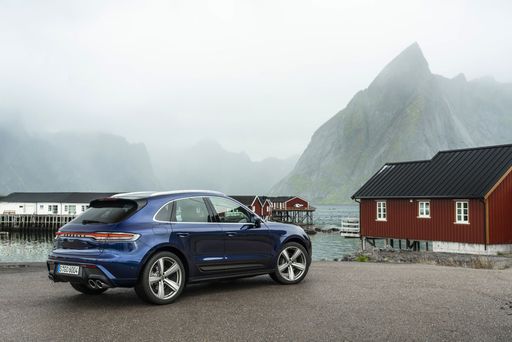
Porsche Macan vs BMW iX3 comparison

Compare performance (639 HP vs 469 HP), boot space and price (69,200 £ vs 60,800 £ ) at a glance. Find out which car is the better choice for you – Porsche Macan or BMW iX3?

Porsche Macan vs BMW iX3: Key differences

Porsche Macan

  • noticeably more power
  • substantially quicker 0–100 km/h
  • marginally lighter

BMW iX3

4.7 (2 Reviews)
rate
  • somewhat cheaper
  • slightly more efficient
  • a bit more electric range

All details on performance, efficiency, range and trunk space can be found in the technical comparison below – including user reviews for both models.

Macan

The face-off you searched for: BMW iX3 VS Porsche Macan

BMW iX3 VS Porsche Macan is the matchup drivers debate when choosing between a quiet electric SUV and a compact luxury SUV with sporting pretensions. The BMW iX3 arrives with an eco-conscious, understated character while the Porsche Macan brings a louder, athletic swagger that wants attention on the road. If you care about electric refinement, cabin calm and sensible daily use, the BMW iX3 immediately registers on your shortlist; if you crave immediate steering feedback and a badge that signals performance, the Porsche Macan makes its case just as loudly. This page cuts through the sales talk to show how those differences play out in real life, not on a spec sheet.
iX3

Two attitudes: composed efficiency vs theatrical pace

The BMW iX3 feels like a modern commuter that values poise and subtlety, floating into corners with calm and promising a relaxed daily rhythm; its vibe is low-key premium rather than loud showmanship. The Porsche Macan, by contrast, is all about drama — tighter body control, sharper responses and a cabin that primes you for dynamic driving the moment you settle in. Where the BMW iX3 sells reassurance and tidy engineering, the Porsche Macan sells involvement and a bit of ego-stroking. That difference in attitude shapes everything from ride tuning to interior trim choices and even the way you feel pulling up to the curb.

Macan

How they handle real life: errands, school runs and weekend escapes

In everyday use the BMW iX3 comes across as the smarter apartment-to-highway companion — easy to live with, less fuss to charge and packaged for routine comfort and cargo flexibility. The Porsche Macan will gladly swallow family duties too, but it shows its strengths on sweeping roads and motorway runs where steering precision and composure matter most. If your life is a mix of commutes, car parks and luggage for long trips, the BMW iX3 feels like the low-drama choice; if you spend time on twisty routes or simply enjoy a sharper, more connected drive, the Porsche Macan rewards that appetite. Both are practical enough for daily life, but they prioritize different kinds of weekends.

iX3

Buying for reasons, not specs: what you’ll tell your friends

Choose the BMW iX3 and you’ll justify it as the sensible, forward-looking pick — quieter running, cleaner tech-image and a practical aura that plays well for family logistics and sensible finances. Opt for the Porsche Macan and your explanation is more emotional: you wanted a car that feels alive, that rewards spirited driving and that carries the Porsche name like a promise. The BMW iX3 is the grown-up argument you make to your partner; the Porsche Macan is the headline you drop at the school run to raise a few eyebrows. Neither choice is inscrutable — it’s about whether you value calm competence or expressive capability.

Macan

Who the BMW iX3 suits best

The BMW iX3 will attract the Rational and Pragmatist buyer types: people who want lower running fuss, user-friendly tech and an SUV that handles family life without theatrical flair. Urban commuters, small-family households and buyers switching to an electric lifestyle for everyday ease will find the BMW iX3 an immediately comfortable fit. It’s for those who prefer their car to fade into the background and perform reliably rather than shout about its credentials. If you’re comparing it to the Porsche Macan, think of the iX3 as the calm-headed alternative that keeps more daily compromises to a minimum.

iX3

Who the Porsche Macan suits best — and where the iX3 still tempts

The Porsche Macan speaks to Design/Brand and Status/Expression buyers who want driving to feel like an event and a badge that signals taste and performance. Enthusiast drivers, style-conscious owners and those who prioritize dynamic feedback and sporty poise will prefer the characterful ride and presence of the Porsche Macan. That said, shoppers tempted by the Macan’s charisma will still consider the BMW iX3 if they start valuing quieter day-to-day costs and gentler comfort over bragging rights. Read on to the technical deltas if you want the numbers that underline these differences — they’ll explain where the feelings come from.

Here’s where it gets real: The technical differences in detail

Macan

Costs and Efficiency:

Price and efficiency are key factors when choosing a car – and this is often where the real differences emerge.

BMW iX3 is somewhat cheaper – starting at 60,800 £ , while the Porsche Macan costs 69,200 £ . That’s a price difference of around 8,400 £.

In terms of energy consumption, the BMW iX3 is slightly more efficient: consuming 15.1 kWh/100km compared to 17 kWh/100km for the Porsche Macan. That’s a difference of about 1.9 kWh/100km.

As for electric range, the BMW iX3 offers a bit more range – reaching up to 805 km, about 161 km more than the Porsche Macan.

iX3

Engine and Performance:

Power, torque and acceleration are the classic benchmarks for car enthusiasts – and here, some clear differences start to show.

When it comes to engine power, the Porsche Macan offers noticeably more power – delivering 639 HP compared to 469 HP. That’s roughly 170 HP more horsepower.

When accelerating from 0 to 100 km/h, the Porsche Macan is substantially quicker – completing the sprint in 3.3 s, while the BMW iX3 takes 4.9 s. That’s about 1.6 s quicker.

There’s also a difference in torque: the Porsche Macan delivers considerably more torque with 1,130 Nm compared to 645 Nm. That’s about 485 Nm more.

Macan

Space and Everyday Use:

Cabin size, boot volume and payload all play a role in everyday practicality. Here, comfort and flexibility make the difference.

Both vehicles offer seating for 5 people.

In terms of curb weight, Porsche Macan is marginally lighter – 2,295 kg compared to 2,360 kg. The difference is around 65 kg.

When it comes to payload, the Porsche Macan carries slightly more – 545 kg compared to 465 kg. That’s a difference of about 80 kg.

Who wins the race in the data check?

The Porsche Macan is clearly superior overall in the objective data comparison.
This result only shows which model scores more points on paper – not which of the two cars feels right for you.

from £69,200
Macan

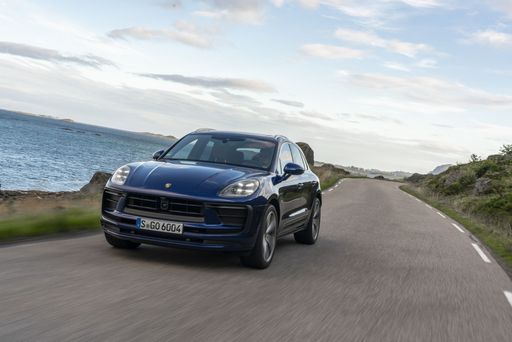
Porsche Macan

  • Engine Type : Electric
  • Transmission : Automatic
  • Drive Type : Rear-Wheel Drive, All-Wheel Drive
  • Power HP : 360 - 639 HP
  • Consumption kWh/100km : 17 - 18.5 kWh/100km
  • Electric Range : 585 - 644 km
Porsche Macan
BMW iX3

Costs and Consumption

View detailed analysis

Engine and Performance

View detailed analysis

Dimensions and Body

View detailed analysis

Porsche Macan

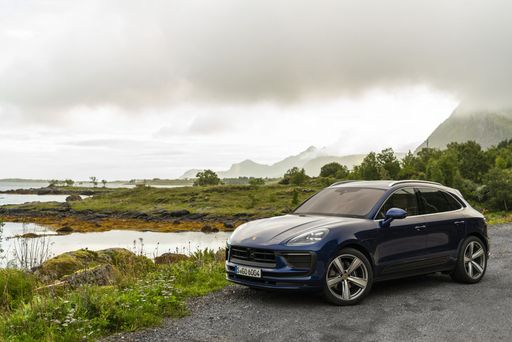
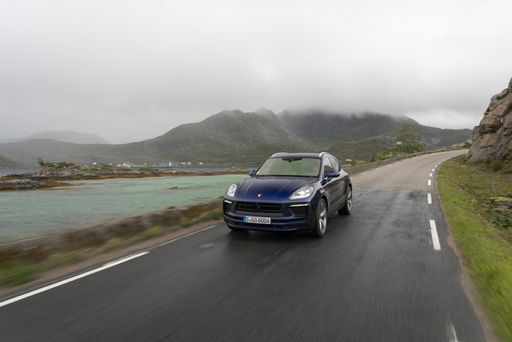
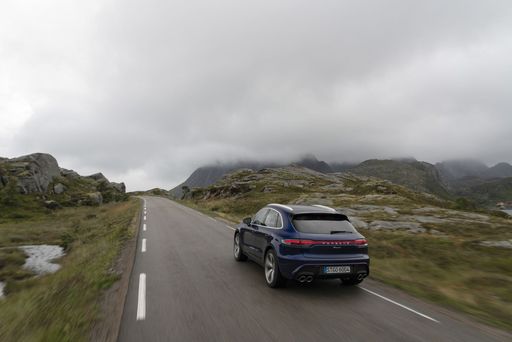
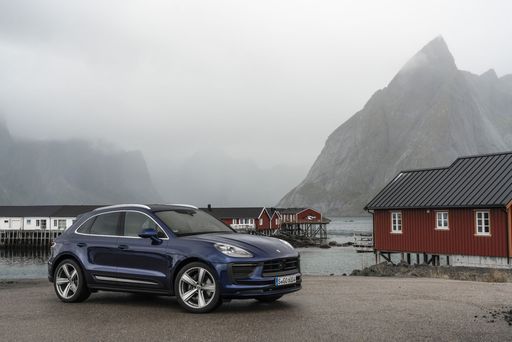
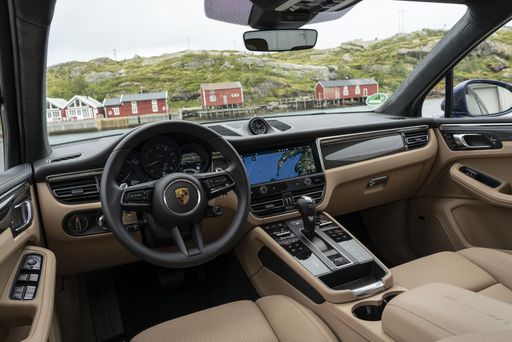
The Porsche Macan feels like a compact sports car dressed in SUV clothes, delivering razor-sharp handling and a cabin that somehow mixes luxury with everyday practicality. For buyers who crave driving thrills without sacrificing usability, the Macan is a rare breed that makes running errands feel like a weekend blast and manages to look smugly good in the process.

details

BMW iX3

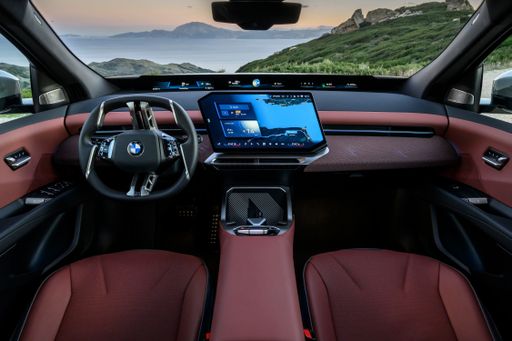
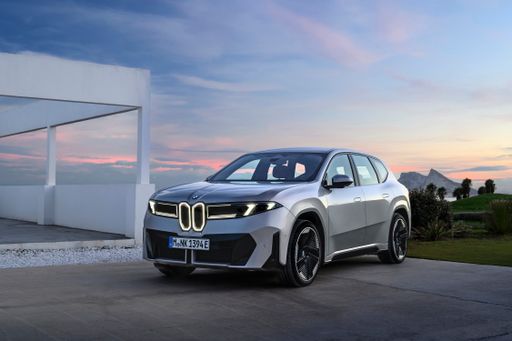
The BMW iX3 brings BMW's familiar SUV poise into the electric era, blending restrained styling and a comfortable, composed ride that will please traditionalists dipping their toes into electrification. It's quiet, practical and rather grown-up about going electric — a sensible choice for buyers who want BMW driving manners without the drama.

details
Porsche Macan
BMW iX3

Costs and Consumption

Price
69,200 - 99,000 £
Price
60,800 - 66,300 £
Consumption L/100km
-
Consumption L/100km
-
Consumption kWh/100km
17 - 18.5 kWh/100km
Consumption kWh/100km
15.1 kWh/100km
Electric Range
585 - 644 km
Electric Range
805 km
Battery Capacity
95 kWh
Battery Capacity
-
co2
0 g/km
co2
0 g/km
Fuel tank capacity
-
Fuel tank capacity
-

Dimensions and Body

Body Type
SUV
Body Type
SUV
Seats
5
Seats
5
Doors
5
Doors
-
Curb weight
2,295 - 2,470 kg
Curb weight
2,360 kg
Trunk capacity
476 - 540 L
Trunk capacity
-
Length
4,784 - 4,805 mm
Length
-
Width
1,938 - 1,952 mm
Width
1,895 mm
Height
1,613 - 1,623 mm
Height
-
Max trunk capacity
1,288 - 1,348 L
Max trunk capacity
-
Payload
470 - 545 kg
Payload
465 kg

Engine and Performance

Engine Type
Electric
Engine Type
Electric
Transmission
Automatic
Transmission
Automatic
Transmission Detail
Reduction Gearbox
Transmission Detail
Reduction Gearbox
Drive Type
Rear-Wheel Drive, All-Wheel Drive
Drive Type
All-Wheel Drive
Power HP
360 - 639 HP
Power HP
469 HP
Acceleration 0-100km/h
3.3 - 5.7 s
Acceleration 0-100km/h
4.9 s
Max Speed
220 - 260 km/h
Max Speed
-
Torque
563 - 1,130 Nm
Torque
645 Nm
Number of Cylinders
-
Number of Cylinders
-
Power kW
265 - 470 kW
Power kW
345 kW
Engine capacity
-
Engine capacity
-

General

Model Year
2,024 - 2,025
Model Year
2,026
CO2 Efficiency Class
A
CO2 Efficiency Class
A
Brand
Porsche
Brand
BMW
DriveDuel uses data analysis and artificial intelligence to evaluate vehicle data and create content. Content is regularly reviewed and improved. The displayed prices are estimates based on German list prices, adjusted to the respective country’s VAT. Country-specific registration taxes are not included. This information is not legally binding.