VS

SEAT Arona vs Hyundai Kona comparison

Compare performance (150 HP vs 204 HP), boot space and price (20,700 £ vs 23,100 £ ) at a glance. Find out which car is the better choice for you – SEAT Arona or Hyundai Kona?

SEAT Arona vs Hyundai Kona: Key differences

SEAT Arona

4.9 (3 Reviews)
rate
  • a bit cheaper
  • a bit lighter
details

Hyundai Kona

4.4 (7 Reviews)
rate
  • noticeably more power
  • slightly more efficient
  • very slightly quicker 0–100 km/h
  • a bit more trunk space
details

All details on performance, efficiency, range and trunk space can be found in the technical comparison below – including user reviews for both models.

By Achim Sedelmaier

Arona

Hyundai Kona VS SEAT Arona — which small SUV fits your life?

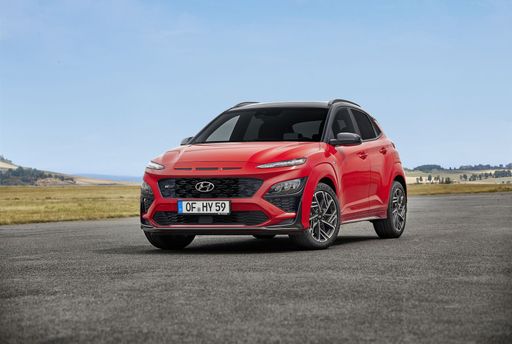
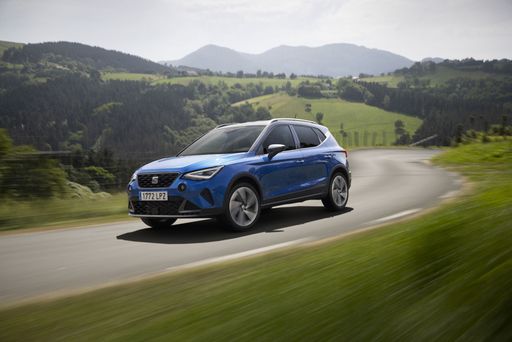
Hyundai Kona and SEAT Arona square off as two sensible B‑segment crossovers, but they aim at slightly different buyers. The Kona leans toward comfort, space and modern kit, while the Arona trades some of that plushness for nimble handling and a sharper price point. If you value roomy practicality and a relaxed long‑distance demeanour, the Kona signals that intent; if you prioritise city agility and a lighter, more driver‑focused feel, the Arona pushes in the opposite direction. This page highlights how those personality differences play out day to day so you can match car to use, not just spec sheets.
Kona

Character and driving feel

The Hyundai Kona drives like a calm, composed companion — predictable steering, composed body control and an emphasis on isolation rather than excitement. The SEAT Arona, by contrast, feels more eager on twisty roads; its steering is sharper and the chassis gives quicker feedback, which makes city lane changes and country B‑roads more engaging. That agility comes with a trade‑off: the Arona’s setup is firmer and reports more road buzz, while the Kona soaks imperfections more politely. Choose the Kona for relaxed cruising and a settled personality; pick the Arona if you want a small SUV that still rewards a spirited drive.

Arona

Comfort and long‑distance behaviour

On long trips the Hyundai Kona’s softer ride, larger usable rear space and bigger luggage area make life easier for passengers and luggage alike. SEAT Arona keeps you confident at motorway speeds but reveals a firmer ride and more noticeable wind and tyre noise over long distances, which can tire occupants on extended drives. Kona’s cabin tends to feel quieter, especially in its electrified variants, so it’s the better choice if motorway miles are routine. If your routes are a mix of tight urban runs and occasional long stints, the Kona will usually deliver a more relaxed experience; the Arona is livelier but less plush on the motorway.

Kona

Practicality and everyday usability

The Kona claims the upper hand when it comes to everyday practicality: a larger, easier‑loaded boot and a generally more flexible cargo area suit parents and holiday packers. The Arona is still practical for daily tasks and scores for city manoeuvrability and lower entry price, but its load‑lip and rear space feel noticeably tighter in real use. For short trips and tight parking spots the Arona’s compactness makes life simpler, whereas the Kona’s extra mass and space reward buyers who regularly carry passengers or bulky loads. So, pick the Kona if family cargo and versatility matter; pick the Arona if urban convenience and value are your priorities.

Arona

Cabin feel, infotainment and quality

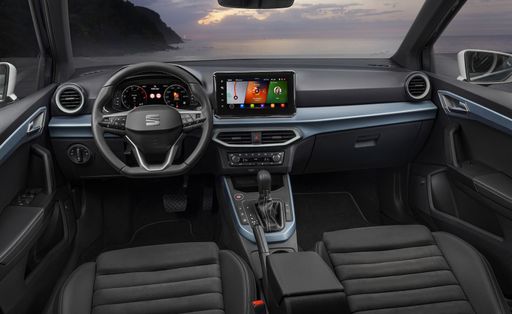
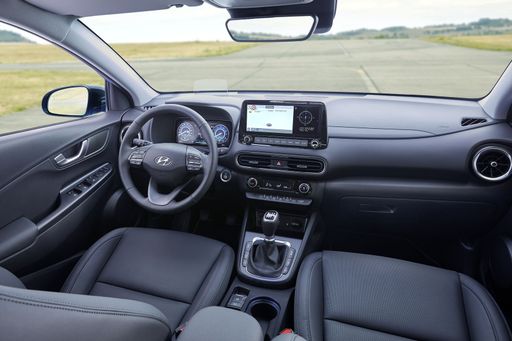
The Kona presents a more modern, composed cabin with larger displays, straightforward controls and a generally more upmarket impression in higher trims. The Arona’s interior is pragmatic and well organised, with reliable wireless smartphone integration and simple controls that appeal to no‑nonsense users, but materials and finishes are more utilitarian. Kona’s stronger perceived quality and extra tech options feel useful if you’re sensitive to cabin ambience and longer ownership; Arona delivers the essentials with fewer frills at a lower cost. In short, Kona leans premium in everyday touchpoints, Arona leans pragmatic and dependable.

Kona

Who should choose which — buyer fit and what to test first

If your priority is roomy rear seats, a big boot and a comfortable, quiet cruiser for family life or long commutes, the Hyundai Kona will match that brief better. If you live in town, want a sharper driving feel, dependable connectivity and a more budget‑friendly package, the SEAT Arona is the tighter fit. Both cars are sensible B‑SUV choices, but the trade‑offs are clear: Kona for comfort and practicality, Arona for agility and cost‑conscious city use. Next up, the technical comparison drills into powertrains, fuel economy, weights and boot dimensions so you can see how those everyday differences are born from the numbers.

Here’s where it gets real: The technical differences in detail

Arona

Costs and Efficiency:

When it comes to price and running costs, the biggest differences usually appear. This is often where you see which car fits your budget better in the long run.

SEAT Arona is a bit cheaper – starting at 20,700 £ , while the Hyundai Kona costs 23,100 £ . That’s a price difference of around 2,357 £.

Fuel consumption also shows a difference: the Hyundai Kona uses 4.6 L/100km and is slightly more efficient than the SEAT Arona with 5.3 L/100km. The difference is about 0.7 L/100km.

Kona

Engine and Performance:

Under the bonnet, it becomes clear which model is tuned for sportiness and which one takes the lead when you hit the accelerator.

When it comes to engine power, the Hyundai Kona offers noticeably more power – delivering 204 HP compared to 150 HP. That’s roughly 54 HP more horsepower.

When accelerating from 0 to 100 km/h, the Hyundai Kona is very slightly quicker – completing the sprint in 8.1 s, while the SEAT Arona takes 8.3 s. That’s about 0.2 s quicker.

There’s also a difference in torque: the Hyundai Kona delivers marginally more torque with 265 Nm compared to 250 Nm. That’s about 15 Nm more.

Arona

Space and Everyday Use:

Whether family car or daily driver – which one offers more room, flexibility and comfort?

Both vehicles offer seating for 5 people.

In terms of curb weight, SEAT Arona is a bit lighter – 1,188 kg compared to 1,370 kg. The difference is around 182 kg.

Looking at boot space, the Hyundai Kona offers a bit more boot space – 466 L compared to 400 L. That’s a difference of about 66 L.

When it comes to payload, the SEAT Arona carries barely more – 522 kg compared to 490 kg. That’s a difference of about 32 kg.

Who wins the race in the data check?

The Hyundai Kona stands well ahead of its rival in the objective data comparison.
This result only shows which model scores more points on paper – not which of the two cars feels right for you.

from £23,100
Kona

Hyundai Kona

  • Engine Type : Petrol, Full Hybrid, Electric
  • Transmission : Manuel, Automatic
  • Drive Type : Front-Wheel Drive, All-Wheel Drive
  • Power HP : 115 - 204 HP
  • Consumption L/100km : 4.6 - 7 L/100km
  • Consumption kWh/100km : 14.6 - 16.1 kWh/100km
  • Electric Range : 380 - 510 km
SEAT Arona
Hyundai Kona

Costs and Consumption

View detailed analysis

Engine and Performance

View detailed analysis

Dimensions and Body

View detailed analysis

SEAT Arona

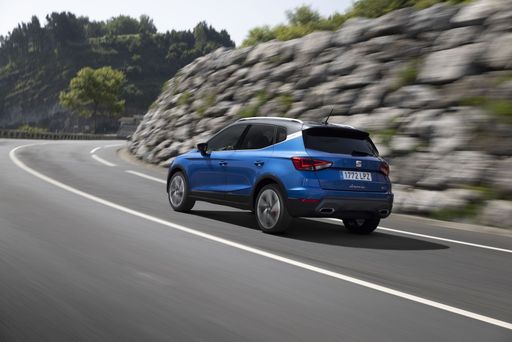
The SEAT Arona is a compact crossover that blends practical, city-friendly packaging with a sporty, youthful design. It delivers a comfortable ride, an intuitive cabin and economical running costs, making it a sensible pick for daily drives and weekend getaways.

details

Hyundai Kona

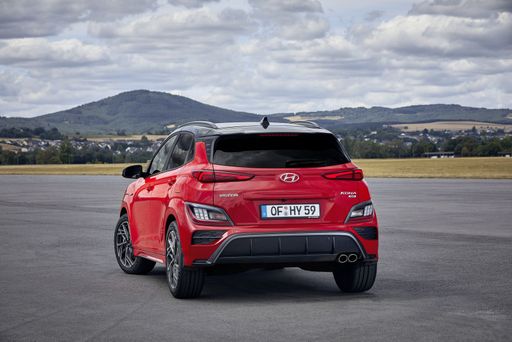
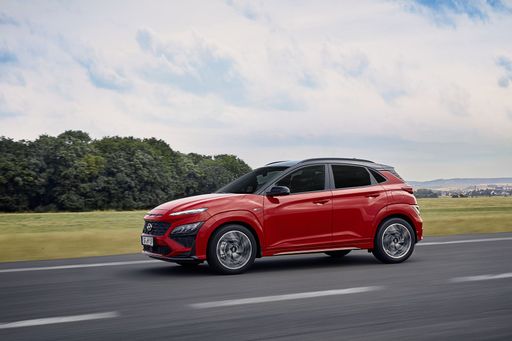
The Hyundai Kona is a compact crossover that pairs bold styling with practical everyday usability, offering a comfortable cabin and intuitive tech for modern drivers. Available in both conventional and electrified versions, Kona brings lively handling and strong value for buyers who want crossover versatility and standout character.

details
SEAT Arona
Hyundai Kona

Costs and Consumption

Price
20,700 - 30,500 £
Price
23,100 - 41,900 £
Consumption L/100km
5.3 - 5.8 L/100km
Consumption L/100km
4.6 - 7 L/100km
Consumption kWh/100km
-
Consumption kWh/100km
14.6 - 16.1 kWh/100km
Electric Range
-
Electric Range
380 - 510 km
Battery Capacity
-
Battery Capacity
-
co2
120 - 132 g/km
co2
0 - 163 g/km
Fuel tank capacity
-
Fuel tank capacity
-

Dimensions and Body

Body Type
SUV
Body Type
SUV
Seats
5
Seats
5
Doors
-
Doors
-
Curb weight
1,188 - 1,268 kg
Curb weight
1,370 - 1,773 kg
Trunk capacity
400 L
Trunk capacity
466 L
Length
-
Length
-
Width
1,780 mm
Width
1,825 mm
Height
-
Height
-
Max trunk capacity
-
Max trunk capacity
-
Payload
502 - 522 kg
Payload
420 - 490 kg

Engine and Performance

Engine Type
Petrol
Engine Type
Petrol, Full Hybrid, Electric
Transmission
Manuel, Automatic
Transmission
Manuel, Automatic
Transmission Detail
Manual Gearbox, Dual-Clutch Automatic
Transmission Detail
Manual Gearbox, Dual-Clutch Automatic, Reduction Gearbox
Drive Type
Front-Wheel Drive
Drive Type
Front-Wheel Drive, All-Wheel Drive
Power HP
95 - 150 HP
Power HP
115 - 204 HP
Acceleration 0-100km/h
8.3 - 11.1 s
Acceleration 0-100km/h
8.1 - 11.9 s
Max Speed
-
Max Speed
-
Torque
175 - 250 Nm
Torque
200 - 265 Nm
Number of Cylinders
3 - 4
Number of Cylinders
3 - 4
Power kW
70 - 110 kW
Power kW
85 - 150 kW
Engine capacity
999 - 1,498 cm3
Engine capacity
998 - 1,598 cm3

General

Model Year
2025
Model Year
2025
CO2 Efficiency Class
D
CO2 Efficiency Class
D, C, E, F, A
Brand
SEAT
Brand
Hyundai
DriveDuel uses data analysis and artificial intelligence to evaluate vehicle data and create content. Content is regularly reviewed and improved. The displayed prices are estimates based on German list prices, adjusted to the respective country’s VAT. Country-specific registration taxes are not included. This information is not legally binding.