VS

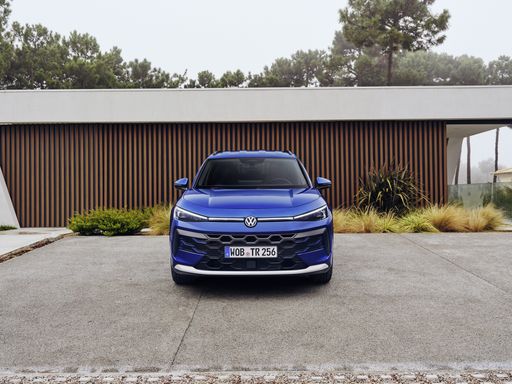
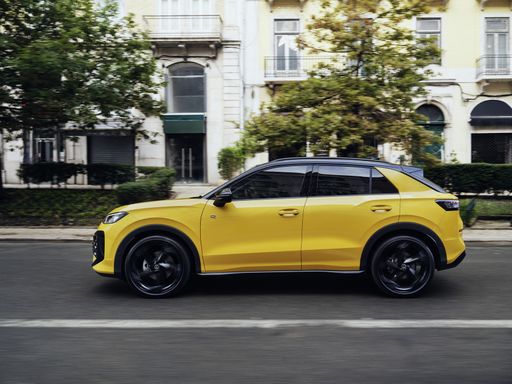
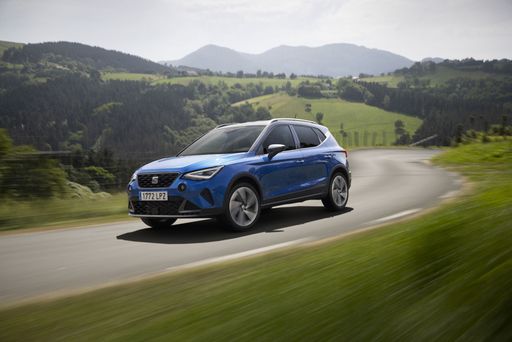
SEAT Arona vs VW T-Roc comparison

Compare performance (150 HP vs 150 HP), boot space and price (20,700 £ vs 26,400 £ ) at a glance. Find out which car is the better choice for you – SEAT Arona or VW T-Roc?

SEAT Arona vs VW T-Roc: Key differences

SEAT Arona

4.9 (4 Reviews)
rate
  • visibly cheaper
  • barely more efficient
  • very slightly quicker 0–100 km/h
  • markedly lighter
details

VW T-Roc

4.8 (6 Reviews)
rate
  • moderately more trunk space
details

All details on performance, efficiency, range and trunk space can be found in the technical comparison below – including user reviews for both models.

By Achim Sedelmaier

Arona

SEAT Arona VS VW T-Roc: a compact crossover duel for city and weekend life

SEAT Arona and VW T-Roc square up as two popular compact SUV choices in the small crossover segment, and this head-to-head is exactly the comparison buyers search for when choosing between a sprightly city runabout and a slightly more grown-up commuter. The SEAT Arona trades on nimbleness and everyday practicality, while the VW T-Roc leans into a more substantial, mature presence. For shoppers hunting for value or a sensible family boot, one of these will feel immediately familiar; for those after a polished badge and extra road composure, the other will pull harder. Read on to understand the real-life trade-offs beyond the brochure.
T-Roc

Character clash: playful commuter vs confident all-rounder

The SEAT Arona projects a cheeky, urban-friendly personality — affordable, alert and keen to dart through traffic — whereas the VW T-Roc announces itself as the more composed, buttoned-down option with an air of refinement. In town the Arona feels light on its feet, the T-Roc feels like it’s wearing better shoes and plans to cover more miles in comfort. Cabin finishes and perceived heft tip in favour of the T-Roc for anyone who wants a premium-ish vibe, but the Arona’s liveliness and simpler approach will flatter drivers who prefer directness to ceremony. Together they prove the same small-SUV template can be tuned for different temperaments.

Arona

How they behave in daily life: shopping runs, school runs and motorway boredom

For tight city parking and frequent short trips the SEAT Arona emphasises usability and a sprightlier feel that makes city chores less tedious, while the VW T-Roc swallows longer journeys with more serenity and a steadier ride. Families who prioritise boot flexibility and easy loading will notice the Arona’s sensible approach, yet the T-Roc’s more planted manners give it an edge on faster A-roads and longer commutes. Both cars are sensible five-seaters in everyday terms, but their personalities steer them toward different routines: Arona for urban agility, T-Roc for composed versatility. Your week — school runs or motorway miles — will make one feel more natural than the other.

T-Roc

Buying one says something about you: practicality or presence?

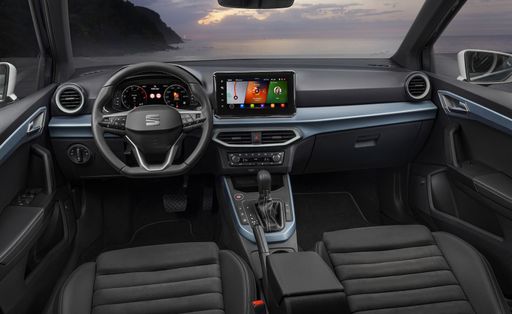
Choosing a SEAT Arona often signals pragmatic thinking: you want sensible practicality without fuss and prefer getting more car for your money, whereas picking a VW T-Roc broadcasts a desire for a slightly more premium image and extra polish. The Arona is content to be useful and economical; the T-Roc wants to be noticed for its finish and road manners. Tech lovers will find both have modern features, but the T-Roc leans toward a more refined interface and feel, while the Arona champions straightforward, user-friendly controls. Ultimately, one is the sensible ally, the other the slightly dressier partner.

Arona

Who should pick the SEAT Arona?

If you’re the buyer who cares about clear value and everyday convenience, the SEAT Arona suits commuters and pragmatic families who want a compact crossover that’s easy to live with and light-footed in town; the Arona’s friendly demeanour rewards economical, busy lifestyles. It’s a smart choice for someone who prefers utility over flash and wants a dependable small SUV without paying extra for perceived prestige. Compared with the VW T-Roc, the Arona leans more toward no-nonsense usefulness and lower running fuss. If your priority is sensible packaging and city agility, the Arona is the natural starting point.

T-Roc

Who should pick the VW T-Roc (and where the Arona still tempts)

The VW T-Roc will appeal to buyers who prize a more accomplished cabin, a stronger badge presence and a calmer long-distance experience — ideal for those who want a compact SUV with a touch of status and comfort on longer drives. If styling, perceived quality and a quieter highway demeanour matter, the T-Roc plays that role better than the zippier SEAT Arona. That said, fans of straightforward practicality still find the Arona hard to ignore when budget and daily usability call the shots. For readers who want the nuance behind these impressions, the numbers and detail comparison in the data section below will help you seal the decision.

Here’s where it gets real: The technical differences in detail

Arona

Costs and Efficiency:

Price and efficiency are often the first things buyers look at. Here it becomes clear which model has the long-term edge – whether at the pump, the plug, or in purchase price.

SEAT Arona is visibly cheaper – starting at 20,700 £ , while the VW T-Roc costs 26,400 £ . That’s a price difference of around 5,738 £.

Fuel consumption also shows a difference: the SEAT Arona uses 5.3 L/100km and is barely more efficient than the VW T-Roc with 5.5 L/100km. The difference is about 0.2 L/100km.

T-Roc

Engine and Performance:

Power, torque and acceleration are the classic benchmarks for car enthusiasts – and here, some clear differences start to show.

Both models deliver identical power – 150 HP each.

When accelerating from 0 to 100 km/h, the SEAT Arona is very slightly quicker – completing the sprint in 8.3 s, while the VW T-Roc takes 8.9 s. That’s about 0.6 s quicker.

Both models offer the same torque – 250 Nm.

Arona

Space and Everyday Use:

Cabin size, boot volume and payload all play a role in everyday practicality. Here, comfort and flexibility make the difference.

Both vehicles offer seating for 5 people.

In terms of curb weight, SEAT Arona is markedly lighter – 1,188 kg compared to 1,465 kg. The difference is around 277 kg.

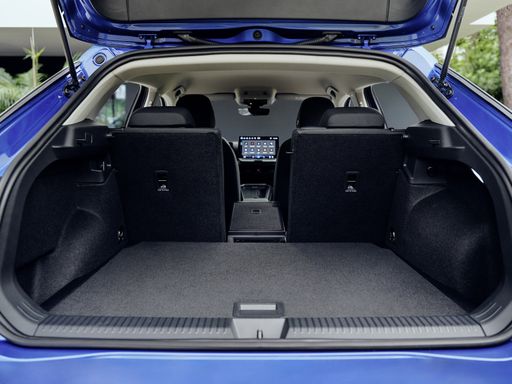
Looking at boot space, the VW T-Roc offers moderately more boot space – 475 L compared to 400 L. That’s a difference of about 75 L.

When it comes to payload, the SEAT Arona carries marginally more – 522 kg compared to 515 kg. That’s a difference of about 7 kg.

Who wins the race in the data check?

The SEAT Arona holds a solid overall lead in the objective data comparison.
This result only shows which model scores more points on paper – not which of the two cars feels right for you.

from £20,700
Arona

SEAT Arona

  • Engine Type Petrol
  • Transmission Manuel, Automatic
  • Drive Type Front-Wheel Drive
  • Power HP 95 - 150 HP
  • Consumption L/100km 5.3 - 5.8 L/100km
SEAT Arona
VW T-Roc

Costs and Consumption

View detailed analysis

Engine and Performance

View detailed analysis

Dimensions and Body

View detailed analysis

SEAT Arona

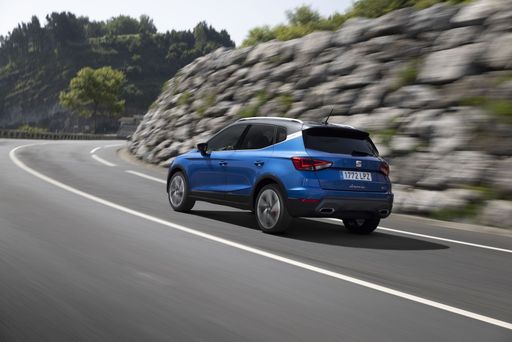
The SEAT Arona is a compact crossover that blends practical, city-friendly packaging with a sporty, youthful design. It delivers a comfortable ride, an intuitive cabin and economical running costs, making it a sensible pick for daily drives and weekend getaways.

details

VW T-Roc

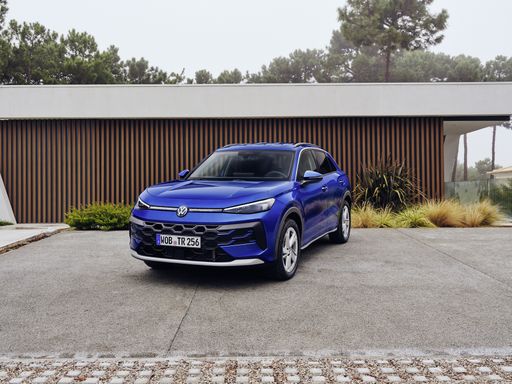
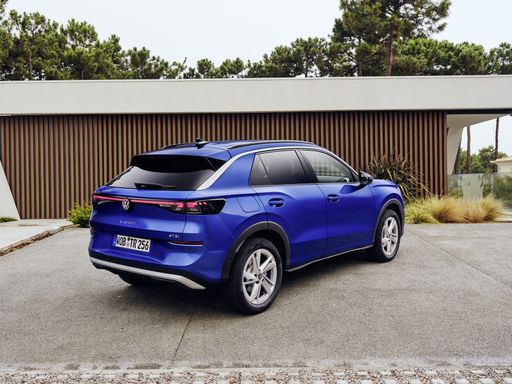
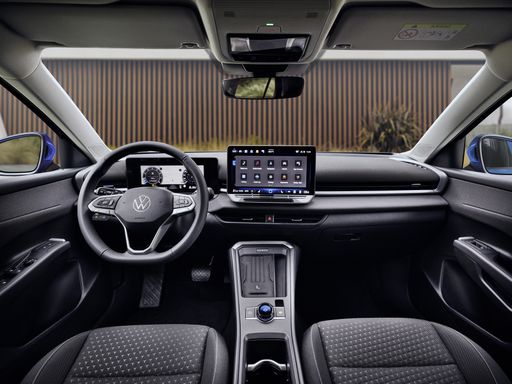
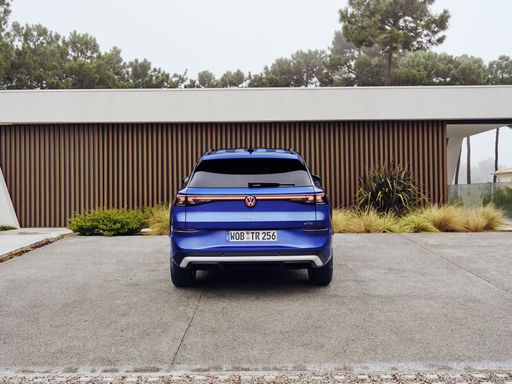
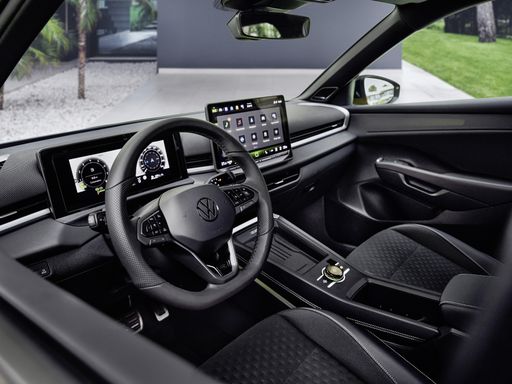
The Volkswagen T‑Roc is a stylish, well-proportioned crossover that blends hatchback agility with SUV presence. It delivers a comfortable cabin, user-friendly tech and a composed ride, making it a sensible choice for buyers who want practicality with a bit of character.

details
SEAT Arona
VW T-Roc

Costs and Consumption

Price
20,700 - 30,300 £
Price
26,400 - 38,600 £
Consumption L/100km
5.3 - 5.8 L/100km
Consumption L/100km
5.5 - 6.3 L/100km
Consumption kWh/100km
-
Consumption kWh/100km
-
Electric Range
-
Electric Range
-
Battery Capacity
-
Battery Capacity
-
co2
120 - 132 g/km
co2
126 - 143 g/km
Fuel tank capacity
-
Fuel tank capacity
-

Dimensions and Body

Body Type
SUV
Body Type
SUV
Seats
5
Seats
4 - 5
Doors
-
Doors
-
Curb weight
1,188 - 1,268 kg
Curb weight
1,465 - 1,539 kg
Trunk capacity
400 L
Trunk capacity
284 - 475 L
Length
-
Length
-
Width
1,780 mm
Width
1,811 - 1,828 mm
Height
-
Height
-
Max trunk capacity
-
Max trunk capacity
-
Payload
502 - 522 kg
Payload
368 - 515 kg

Engine and Performance

Engine Type
Petrol
Engine Type
Petrol, Petrol MHEV
Transmission
Manuel, Automatic
Transmission
Manuel, Automatic
Transmission Detail
Manual Gearbox, Dual-Clutch Automatic
Transmission Detail
Manual Gearbox, Dual-Clutch Automatic
Drive Type
Front-Wheel Drive
Drive Type
Front-Wheel Drive
Power HP
95 - 150 HP
Power HP
115 - 150 HP
Acceleration 0-100km/h
8.3 - 11.1 s
Acceleration 0-100km/h
8.9 - 12.3 s
Max Speed
-
Max Speed
-
Torque
175 - 250 Nm
Torque
200 - 250 Nm
Number of Cylinders
3 - 4
Number of Cylinders
3 - 4
Power kW
70 - 110 kW
Power kW
85 - 110 kW
Engine capacity
999 - 1,498 cm3
Engine capacity
999 - 1,498 cm3

General

Model Year
2025
Model Year
2,024 - 2,025
CO2 Efficiency Class
D
CO2 Efficiency Class
E, D
Brand
SEAT
Brand
VW
DriveDuel uses data analysis and artificial intelligence to evaluate vehicle data and create content. Content is regularly reviewed and improved. The displayed prices are estimates based on German list prices, adjusted to the respective country’s VAT. Country-specific registration taxes are not included. This information is not legally binding.