VS

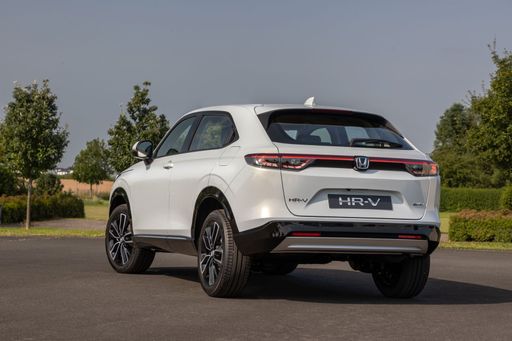
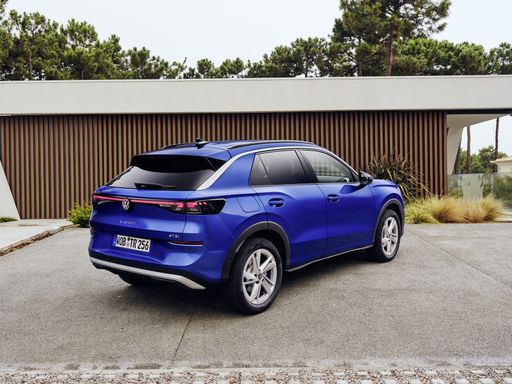
Honda HR-V vs VW T-Roc comparison

Compare performance (131 HP vs 150 HP), boot space and price (29,100 £ vs 26,400 £ ) at a glance. Find out which car is the better choice for you – Honda HR-V or VW T-Roc?

Honda HR-V vs VW T-Roc: Key differences

Honda HR-V

4.3 (15 Reviews)
rate
  • marginally more efficient
  • marginally lighter
details

VW T-Roc

4.6 (7 Reviews)
rate
  • only slightly cheaper
  • slightly more power
  • slightly quicker 0–100 km/h
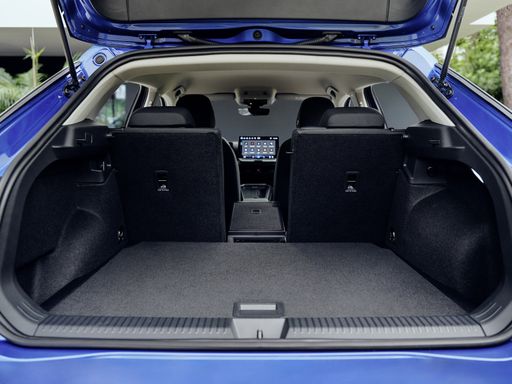
  • visibly more trunk space
details

All details on performance, efficiency, range and trunk space can be found in the technical comparison below – including user reviews for both models.

By Achim Sedelmaier

HR-V

Quick take: Honda HR-V VS VW T‑Roc

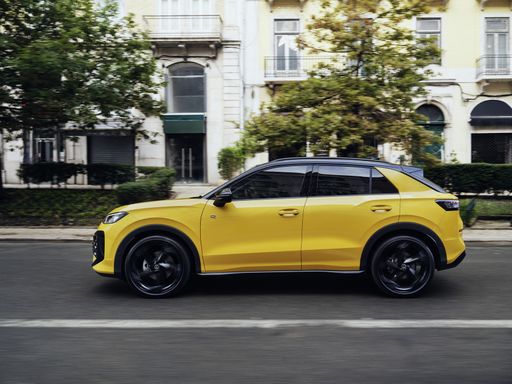
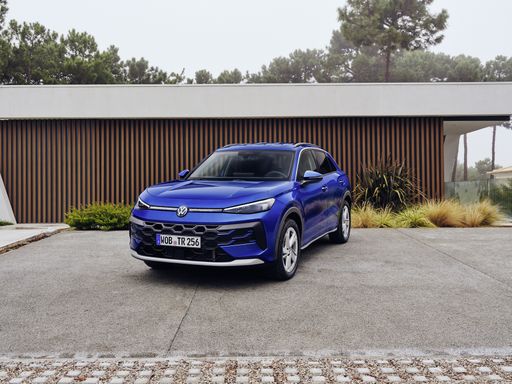
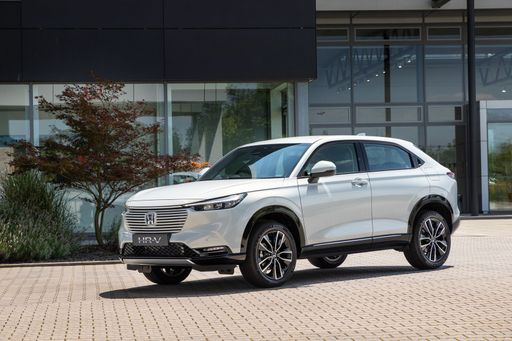
Honda HR‑V and VW T‑Roc sit on the same compact‑SUV stage but offer noticeably different everyday promises: the HR‑V trades clever interior tricks and urban thrift for a straightforward, pragmatic character, while the T‑Roc leans into smoother refinement and a more grown‑up highway demeanor. This direct match—Honda HR-V VS VW T‑Roc—is less about headline numbers and more about whether you prioritise flexible small‑car agility or roomy, quiet cruising. Expect the HR‑V to feel more functional and button‑forward in daily use, and the T‑Roc to feel closer to a compact family car in composure and finish. Read on for the contrasts that matter to real buyers, from cabin life to long-trip temperament.
T-Roc

Character and driving feel

The Honda HR‑V arrives with a friendly, comfort‑first personality: it starts and pulls away smoothly around town and masks itself almost electric in everyday traffic, but asks more of you when you demand rapid acceleration. In contrast the VW T‑Roc presents a steadier, more assured demeanour—quieter at speed and with a more planted feel that suits motorway miles and relaxed overtaking. Where the HR‑V feels light and nimble in city lanes, the T‑Roc trades some agility for composure, a firmer ride on large wheels and more predictable responses. Buyers who enjoy crisp, direct steering and a calm cabin will prefer the T‑Roc, while those who want fuss‑free urban driving will find the HR‑V easier to live with day to day.

HR-V

Comfort and long‑distance behavior

On short hops the Honda HR‑V’s suspension and seating prioritize ease, cushioning urban bumps and keeping occupants comfortable on stop‑and‑go runs. On long drives the VW T‑Roc pulls ahead thanks to superior noise insulation and a more composed ride that makes motorway stints less tiring. The HR‑V can feel busier under load—engine noise rises when you push—and that changes the long‑distance experience; the T‑Roc keeps the cabin quieter and the pace more relaxed. If your typical week includes long commutes or frequent highway runs the T‑Roc’s calm will be noticeable, but city‑centric buyers will appreciate how the HR‑V’s setup suits corner‑to‑corner living.

T-Roc

Practicality, space and family usability

The Honda HR‑V’s headline trick is interior cleverness: folding magic seats and thoughtful packaging let you carry awkward loads and create a flat floor when you need it, turning limited nominal volume into genuine daily utility. The VW T‑Roc, by contrast, delivers more straightforward space—clearer luggage capacity, a split‑fold rear seat and a configurable load floor that make packing for family life less fiddly. That means families who value raw room and a predictable boot will favour the T‑Roc, while buyers who value flexible configurations and creative use of space will find the HR‑V surprisingly capable despite smaller numbers. Both work for a small family, but the trade‑off is between clever adaptability (HR‑V) and easier, larger carrying capacity (T‑Roc).

HR-V

Cabin feel and perceived quality

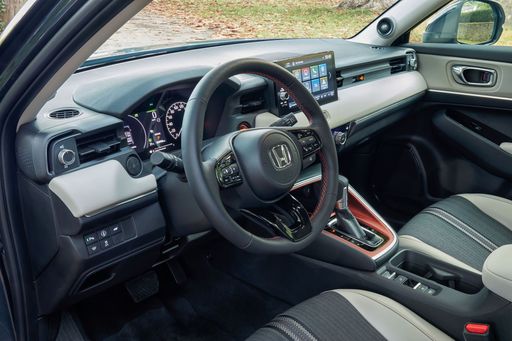
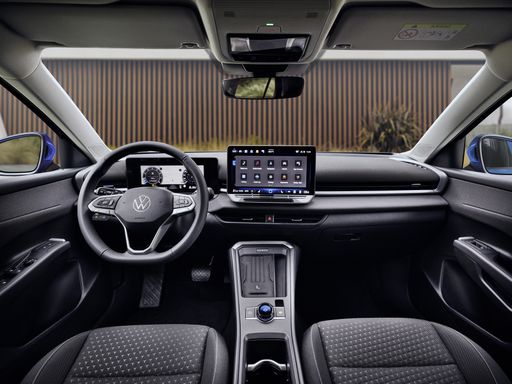
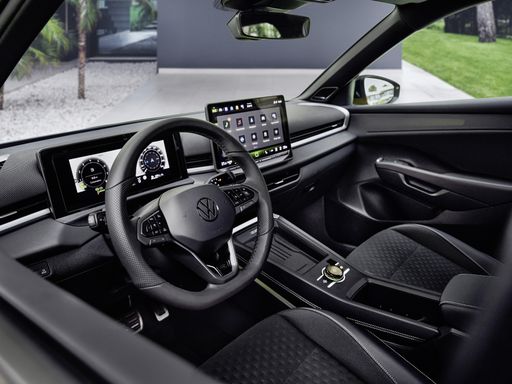
Step inside the VW T‑Roc and the impression is of a clear upgrade in materials and finish: softer surfaces, cleaner trim joins and a quieter shell give it a near‑premium presence in this segment. The Honda HR‑V takes a different route with a robust, functional interior—lots of physical controls, straightforward ergonomics and a practical layout that’s easy to live with but less indulgent. Infotainment and graphical polish favour the T‑Roc, while the HR‑V wins on tactile simplicity and controls you can use without hunting through menus. If you care about tactile luxury and a grown‑up ambience choose the T‑Roc; if you prefer no‑nonsense usability and proven ergonomics, the HR‑V will feel more honest.

T-Roc

Who should buy which car?

If your life is city‑centric—short commutes, tight parking and the occasional flexible cargo run—the Honda HR‑V is tailored to that rhythm with clever seating, easy controls and excellent urban efficiency. If your priorities lean toward motorway calm, a quieter cabin, more conventional luggage space and a slightly more premium feel, the VW T‑Roc fits better and will make long trips less fatiguing. Budget and equipment choices matter: the HR‑V’s practicality and ease of use can justify a higher per‑litre cost, while the T‑Roc’s perceived quality can push the price up once options are added. Below you’ll find the technical comparison that breaks down those trade‑offs into the specifics so you can match features and figures to the real‑world differences explained here.

Here’s where it gets real: The technical differences in detail

HR-V

Costs and Efficiency:

Looking at overall running costs, both models reveal some interesting differences in everyday economy.

VW T-Roc is only slightly cheaper – starting at 26,400 £ , while the Honda HR-V costs 29,100 £ . That’s a price difference of around 2,619 £.

Fuel consumption also shows a difference: the Honda HR-V uses 5.4 L/100km and is marginally more efficient than the VW T-Roc with 5.5 L/100km. The difference is about 0.1 L/100km.

T-Roc

Engine and Performance:

Power, torque and acceleration are the classic benchmarks for car enthusiasts – and here, some clear differences start to show.

When it comes to engine power, the VW T-Roc offers slightly more power – delivering 150 HP compared to 131 HP. That’s roughly 19 HP more horsepower.

When accelerating from 0 to 100 km/h, the VW T-Roc is slightly quicker – completing the sprint in 8.9 s, while the Honda HR-V takes 10.6 s. That’s about 1.7 s quicker.

There’s also a difference in torque: the Honda HR-V delivers only slightly more torque with 253 Nm compared to 250 Nm. That’s about 3 Nm more.

HR-V

Space and Everyday Use:

Whether family car or daily driver – which one offers more room, flexibility and comfort?

Both vehicles offer seating for 5 people.

In terms of curb weight, Honda HR-V is marginally lighter – 1,452 kg compared to 1,465 kg. The difference is around 13 kg.

Looking at boot space, the VW T-Roc offers visibly more boot space – 475 L compared to 319 L. That’s a difference of about 156 L.

When it comes to payload, the VW T-Roc carries slightly more – 515 kg compared to 418 kg. That’s a difference of about 97 kg.

Who wins the race in the data check?

The VW T-Roc is decisively ahead in the objective data comparison.
This result only shows which model scores more points on paper – not which of the two cars feels right for you.

from £26,400
T-Roc

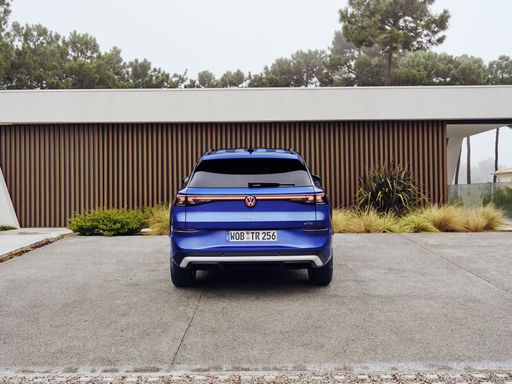
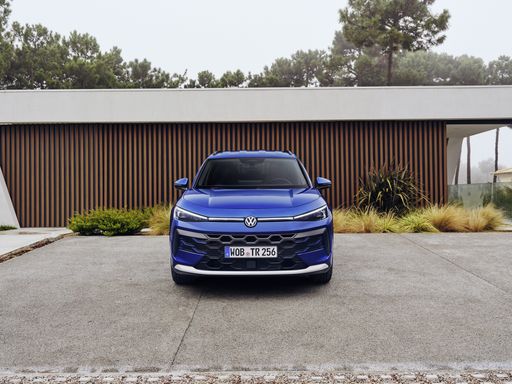
VW T-Roc

  • Engine Type Petrol, Petrol MHEV
  • Transmission Manuel, Automatic
  • Drive Type Front-Wheel Drive
  • Power HP 115 - 150 HP
  • Consumption L/100km 5.5 - 6.3 L/100km
Honda HR-V
VW T-Roc

Costs and Consumption

View detailed analysis

Engine and Performance

View detailed analysis

Dimensions and Body

View detailed analysis

Honda HR-V

The Honda HR-V is a compact crossover that blends practical versatility with a comfortable, refined cabin, making it a strong choice for daily driving and weekend trips. Its clever packaging and easy-to-use features give owners flexible cargo space and a confidence-inspiring driving experience without feeling fussy.

details

VW T-Roc

The Volkswagen T‑Roc is a stylish, well-proportioned crossover that blends hatchback agility with SUV presence. It delivers a comfortable cabin, user-friendly tech and a composed ride, making it a sensible choice for buyers who want practicality with a bit of character.

details
Honda HR-V
VW T-Roc

Costs and Consumption

Price
29,100 - 34,700 £
Price
26,400 - 38,600 £
Consumption L/100km
5.4 L/100km
Consumption L/100km
5.5 - 6.3 L/100km
Consumption kWh/100km
-
Consumption kWh/100km
-
Electric Range
-
Electric Range
-
Battery Capacity
-
Battery Capacity
-
co2
122 g/km
co2
126 - 143 g/km
Fuel tank capacity
-
Fuel tank capacity
-

Dimensions and Body

Body Type
SUV
Body Type
SUV
Seats
5
Seats
4 - 5
Doors
-
Doors
-
Curb weight
1,452 kg
Curb weight
1,465 - 1,539 kg
Trunk capacity
319 L
Trunk capacity
284 - 475 L
Length
-
Length
-
Width
1,866 mm
Width
1,811 - 1,828 mm
Height
-
Height
-
Max trunk capacity
-
Max trunk capacity
-
Payload
418 kg
Payload
368 - 515 kg

Engine and Performance

Engine Type
Full Hybrid
Engine Type
Petrol, Petrol MHEV
Transmission
Automatic
Transmission
Manuel, Automatic
Transmission Detail
Automatic Gearbox
Transmission Detail
Manual Gearbox, Dual-Clutch Automatic
Drive Type
Front-Wheel Drive
Drive Type
Front-Wheel Drive
Power HP
131 HP
Power HP
115 - 150 HP
Acceleration 0-100km/h
10.6 - 10.8 s
Acceleration 0-100km/h
8.9 - 12.3 s
Max Speed
-
Max Speed
-
Torque
253 Nm
Torque
200 - 250 Nm
Number of Cylinders
4
Number of Cylinders
3 - 4
Power kW
96 kW
Power kW
85 - 110 kW
Engine capacity
1,498 cm3
Engine capacity
999 - 1,498 cm3

General

Model Year
2025
Model Year
2,024 - 2,025
CO2 Efficiency Class
D
CO2 Efficiency Class
E, D
Brand
Honda
Brand
VW
DriveDuel uses data analysis and artificial intelligence to evaluate vehicle data and create content. Content is regularly reviewed and improved. The displayed prices are estimates based on German list prices, adjusted to the respective country’s VAT. Country-specific registration taxes are not included. This information is not legally binding.