VS

SEAT Arona vs Kia Stonic comparison

Compare performance (150 HP vs 115 HP), boot space and price (20,700 £ vs 20,100 £ ) at a glance. Find out which car is the better choice for you – SEAT Arona or Kia Stonic?

SEAT Arona vs Kia Stonic: Key differences

SEAT Arona

4.9 (2 Reviews)
rate
  • noticeably more power
  • only slightly more efficient
  • noticeably quicker 0–100 km/h
  • barely lighter
  • moderately more trunk space

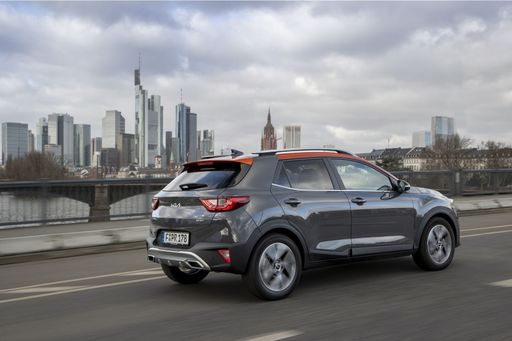
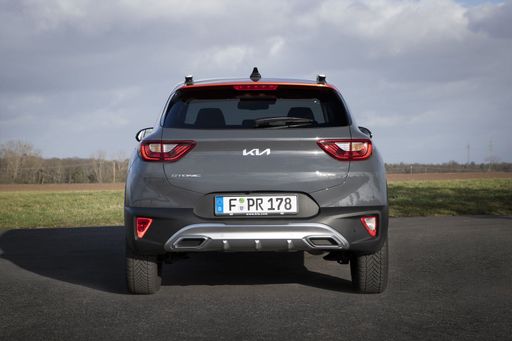
Kia Stonic

4.6 (2 Reviews)
rate
  • only slightly cheaper

All details on performance, efficiency, range and trunk space can be found in the technical comparison below – including user reviews for both models.

Arona

The burgeoning small SUV segment is teeming with models vying for consumer attention, but two stand out as front-runners: the Kia Stonic and the SEAT Arona. As we delve into this comparison, we’ll explore their technical specifications, innovations, and how they perform on the road, providing insights to help potential buyers make an informed decision.

Stonic

Technical Specifications: Power and Performance

When it comes to engine options, the Kia Stonic offers a range of petrol engines, including a petrol mild-hybrid (MHEV) variant, providing a blend of efficiency and performance. The available power outputs span from 79 HP to 100 HP, delivering torque ranging from 113 Nm to 172 Nm. The Stonic boasts a 0-100 km/h acceleration time of 11.3 seconds for the more powerful engine, while it utilizes a front-wheel-drive layout and can be paired with either a manual gearbox or a dual-clutch automatic transmission.

In contrast, the SEAT Arona brings a more powerful engine lineup, with outputs reaching up to 150 HP. The Arona's acceleration to 100 km/h can be achieved in a sporty 8.4 seconds, showcasing its agility and responsiveness. It also features a front-wheel-drive system and offers both manual and automatic transmission choices. The torque figures on the Arona can go as high as 250 Nm, giving it a robust feel on the roads.

Arona

Fuel Efficiency and Environmental Considerations

In terms of fuel efficiency, the Kia Stonic stands commendably with a consumption rate ranging between 5.5 to 5.8 L/100km, depending on the engine choice. Its CO2 emissions are between 125 and 132 g/km, placing it in the D efficiency class, which is competitive for the SUV category.

The SEAT Arona, on the other hand, slightly edges out with a fuel consumption of 5.4 to 5.6 L/100km, and its CO2 emissions vary from 122 to 128 g/km. Both vehicles are designed to be environmentally conscious yet still deliver an enjoyable driving experience.

Stonic

Dimensions and Practicality

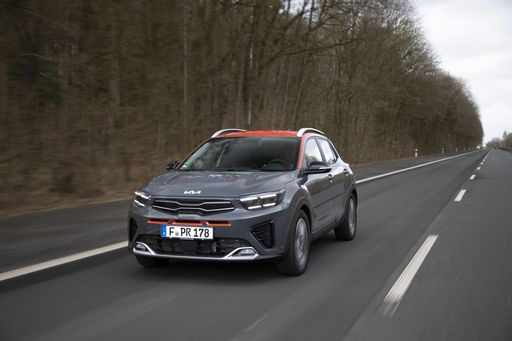
Dimensionally, the Kia Stonic measures 4140 mm in length, 1760 mm in width, and 1505 mm in height, making it a compact SUV that is easy to maneuver in urban settings. The trunk capacity is a practical 352 liters, accommodating everyday cargo needs.

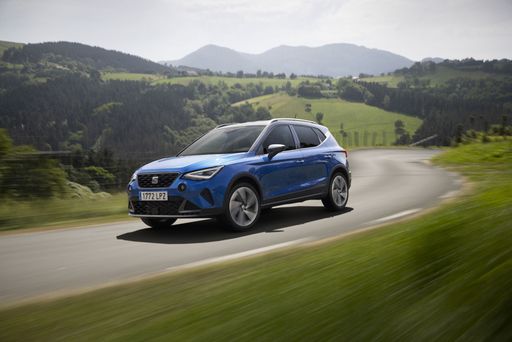
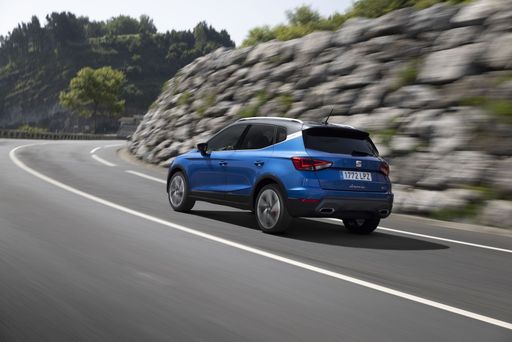
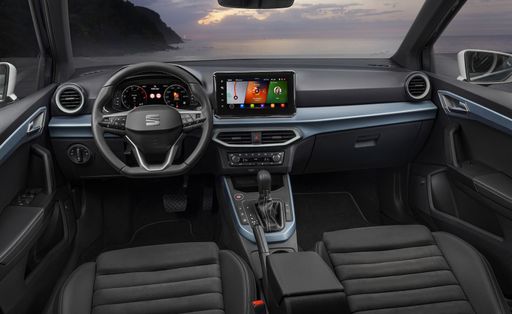
Conversely, the SEAT Arona is slightly larger at 4153 mm in length, 1780 mm in width, and 1537 mm in height, allowing for a more spacious interior. It offers a trunk capacity of 400 liters, providing additional room for luggage or shopping, a major plus for family outings or road trips.

Arona

Comfort and Interior Features

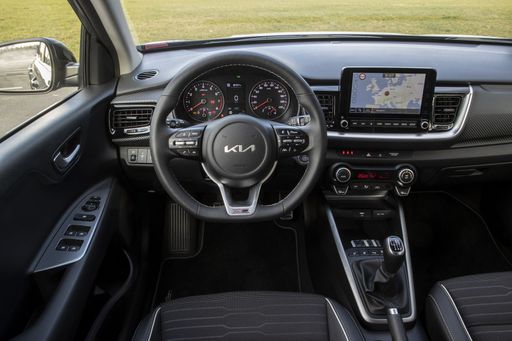
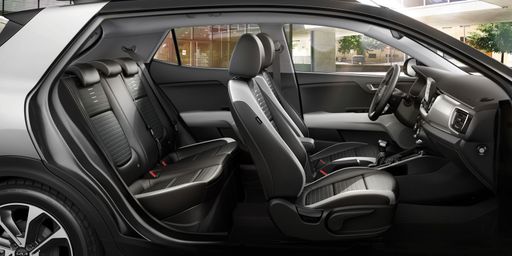
Both the Kia Stonic and SEAT Arona emphasize comfort and modern vehicle connectivity. The Stonic features a user-friendly infotainment system, often praised for its straightforward design and smartphone integration capabilities. Interior quality is commendable, providing a comfortable experience for all five occupants.

The SEAT Arona also excels in interior technology, offering advanced infotainment systems with features such as a premium sound system and a digital cockpit. Additionally, it includes a host of active safety features and driver assistance technologies, enhancing overall safety and peace of mind while driving.

Stonic

Final Verdict: Which SUV Reigns Supreme?

Choosing between the Kia Stonic and the SEAT Arona largely hinges on personal preference and specific needs. The Stonic appeals to those seeking a compact SUV with efficient engines and a straightforward approach to driving. Its appealing design and practical features make it a worthy contender.

On the other hand, the SEAT Arona positions itself as the sportier option, delivering greater power and agility, alongside slightly more interior space. With its robust engine options and superior technology features, the Arona presents a compelling case, especially for those who prioritize performance.

Ultimately, both SUVs offer unique strengths and innovations worthy of consideration, ensuring that buyers in this competitive segment have excellent choices to consider for their next vehicle.

Here’s where it gets real: The technical differences in detail

Arona

Costs and Efficiency:

When it comes to price and running costs, the biggest differences usually appear. This is often where you see which car fits your budget better in the long run.

Kia Stonic is only slightly cheaper – starting at 20,100 £ , while the SEAT Arona costs 20,700 £ . That’s a price difference of around 566 £.

Fuel consumption also shows a difference: the SEAT Arona uses 5.3 L/100km and is only slightly more efficient than the Kia Stonic with 5.6 L/100km. The difference is about 0.3 L/100km.

Stonic

Engine and Performance:

Power, torque and acceleration say a lot about how a car feels on the road. This is where you see which model delivers more driving dynamics.

When it comes to engine power, the SEAT Arona offers noticeably more power – delivering 150 HP compared to 115 HP. That’s roughly 35 HP more horsepower.

When accelerating from 0 to 100 km/h, the SEAT Arona is noticeably quicker – completing the sprint in 8.3 s, while the Kia Stonic takes 10.7 s. That’s about 2.4 s quicker.

There’s also a difference in torque: the SEAT Arona delivers slightly more torque with 250 Nm compared to 200 Nm. That’s about 50 Nm more.

Arona

Space and Everyday Use:

Cabin size, boot volume and payload all play a role in everyday practicality. Here, comfort and flexibility make the difference.

Both vehicles offer seating for 5 people.

In terms of curb weight, SEAT Arona is barely lighter – 1,188 kg compared to 1,205 kg. The difference is around 17 kg.

Looking at boot space, the SEAT Arona offers moderately more boot space – 400 L compared to 352 L. That’s a difference of about 48 L.

When it comes to payload, the SEAT Arona carries moderately more – 522 kg compared to 445 kg. That’s a difference of about 77 kg.

Who wins the race in the data check?

The SEAT Arona holds a decisive overall lead in the objective data comparison.
This result only shows which model scores more points on paper – not which of the two cars feels right for you.

from £20,700
Arona

SEAT Arona

  • Engine Type : Petrol
  • Transmission : Manuel, Automatic
  • Drive Type : Front-Wheel Drive
  • Power HP : 95 - 150 HP
  • Consumption L/100km : 5.3 - 5.8 L/100km
SEAT Arona
Kia Stonic

Costs and Consumption

View detailed analysis

Engine and Performance

View detailed analysis

Dimensions and Body

View detailed analysis

SEAT Arona

The SEAT Arona is a cheeky urban crossover that mixes sharp styling with sensible practicality, making it an appealing choice for buyers who want personality without fuss. It’s zippy in traffic, comfortable enough for daily driving, and brings enough character to make routine journeys feel a little more fun.

details

Kia Stonic

The Kia Stonic is a sprightly compact crossover that mixes city-friendly agility with a cheeky, modern design — perfect for buyers who want style without sacrificing sense. Inside it serves up clever practicality and a bright, well-equipped cabin, making everyday driving feel a bit more fun than it has any right to be.

details
SEAT Arona
Kia Stonic

Costs and Consumption

Price
20,700 - 30,500 £
Price
20,100 - 26,600 £
Consumption L/100km
5.3 - 5.8 L/100km
Consumption L/100km
5.6 - 5.9 L/100km
Consumption kWh/100km
-
Consumption kWh/100km
-
Electric Range
-
Electric Range
-
Battery Capacity
-
Battery Capacity
-
co2
120 - 132 g/km
co2
127 - 133 g/km
Fuel tank capacity
-
Fuel tank capacity
45 L

Dimensions and Body

Body Type
SUV
Body Type
SUV
Seats
5
Seats
5
Doors
-
Doors
5
Curb weight
1,188 - 1,268 kg
Curb weight
1,205 - 1,270 kg
Trunk capacity
400 L
Trunk capacity
352 L
Length
-
Length
4,165 mm
Width
1,780 mm
Width
1,760 mm
Height
-
Height
1,520 mm
Max trunk capacity
-
Max trunk capacity
1,155 L
Payload
502 - 522 kg
Payload
440 - 445 kg

Engine and Performance

Engine Type
Petrol
Engine Type
Petrol, Petrol MHEV
Transmission
Manuel, Automatic
Transmission
Manuel, Automatic
Transmission Detail
Manual Gearbox, Dual-Clutch Automatic
Transmission Detail
Manual Gearbox, Dual-Clutch Automatic
Drive Type
Front-Wheel Drive
Drive Type
Front-Wheel Drive
Power HP
95 - 150 HP
Power HP
100 - 115 HP
Acceleration 0-100km/h
8.3 - 11.1 s
Acceleration 0-100km/h
10.7 - 12.1 s
Max Speed
-
Max Speed
179 - 182 km/h
Torque
175 - 250 Nm
Torque
172 - 200 Nm
Number of Cylinders
3 - 4
Number of Cylinders
3
Power kW
70 - 110 kW
Power kW
74 - 85 kW
Engine capacity
999 - 1,498 cm3
Engine capacity
998 cm3

General

Model Year
2,025
Model Year
2,025
CO2 Efficiency Class
D
CO2 Efficiency Class
D
Brand
SEAT
Brand
Kia
DriveDuel uses data analysis and artificial intelligence to evaluate vehicle data and create content. Content is regularly reviewed and improved. The displayed prices are estimates based on German list prices, adjusted to the respective country’s VAT. Country-specific registration taxes are not included. This information is not legally binding.