VS

SEAT Ibiza vs Hyundai i30 comparison

Compare performance (150 HP vs 150 HP), boot space and price (16,800 £ vs 24,600 £ ) at a glance. Find out which car is the better choice for you – SEAT Ibiza or Hyundai i30?

SEAT Ibiza vs Hyundai i30: Key differences

SEAT Ibiza

  • considerably cheaper
  • somewhat more efficient
  • very slightly quicker 0–100 km/h
  • a bit lighter
details

Hyundai i30

4.3 (2 Reviews)
rate
  • slightly more trunk space
details

By Achim Sedelmaier

Ibiza

Hyundai i30 vs SEAT Ibiza: A Compact Hatchback Showdown

The compact hatchback segment has long been a favorite among drivers looking for a blend of practicality, performance, and value. In this comparative analysis, we will take a closer look at two standout models for 2024: the Hyundai i30 and the SEAT Ibiza. Both vehicles offer a range of engines, modern features, and innovative technologies that make them attractive options for both city commuting and weekend getaways.
i30

Design and Dimensions

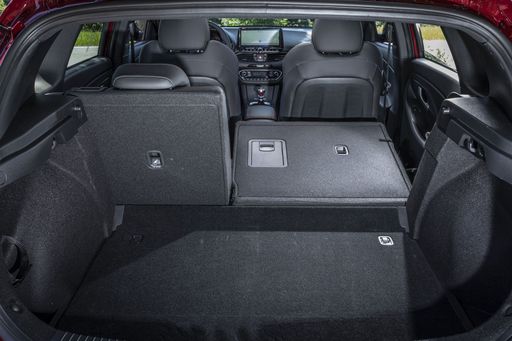
Starting with dimensions, the Hyundai i30 measures 4,340 mm in length, 1,795 mm in width, and 1,455 mm in height. It possesses a spacious trunk capacity of 395 liters, making it ideal for those who require ample cargo space. Meanwhile, the SEAT Ibiza appears slightly smaller at 4,059 mm long, 1,780 mm wide, and 1,447 mm high, with a trunk capacity of 355 liters.

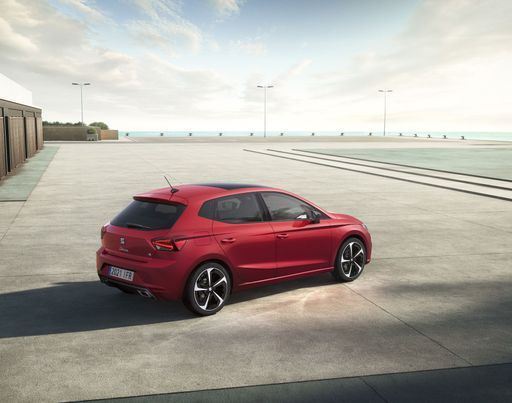
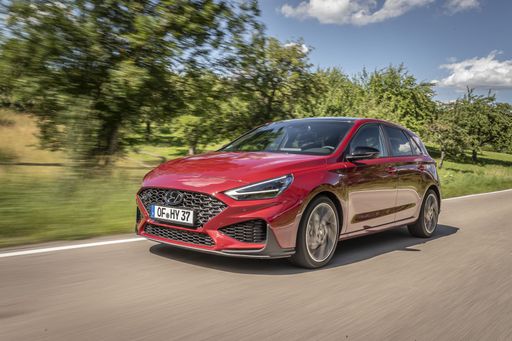
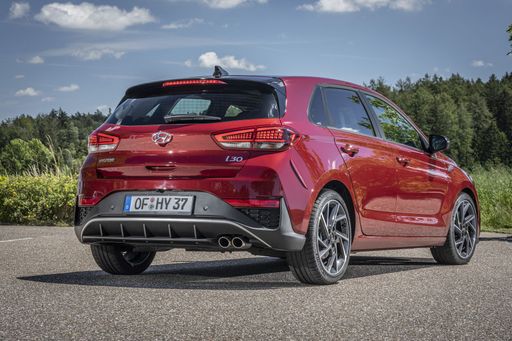
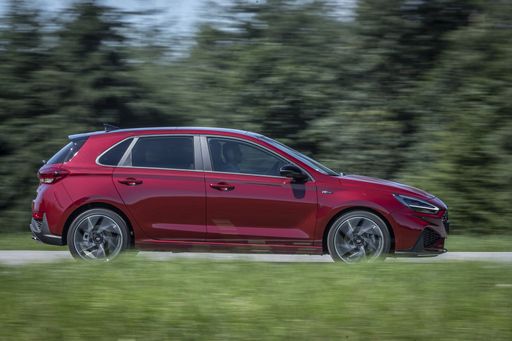
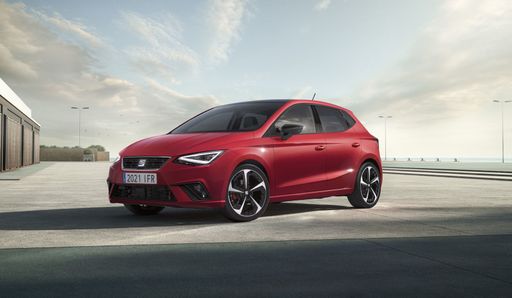
Both models feature a sleek hatchback design, but they present unique visual languages. The i30 features a bold front grille and sharp lines, while the Ibiza has a sporty stance with its dynamic curves and aggressive headlights. Buyers will appreciate the aesthetic qualities of both vehicles, each catering to different tastes.

Ibiza

Engine Options and Performance

The engine lineup is vital when choosing between these two competitors. The Hyundai i30 offers two petrol options: a 1.0-liter three-cylinder engine delivering 100 HP and a 1.5-liter four-cylinder engine producing 140 HP. In terms of performance, the i30 can accelerate from 0 to 100 km/h in 13.1 seconds or as quickly as 9.6 seconds for the more powerful variant. Its top speed reaches 197 km/h, allowing for spirited driving.

In comparison, the SEAT Ibiza boasts an array of engine choices, including a 1.0-liter three-cylinder engine with 95 HP and a 1.5-liter four-cylinder option that produces up to 150 HP. The Ibiza excels in performance, especially with the most potent engine, capable of hitting 100 km/h in just 8.1 seconds and achieving a top speed of 216 km/h.

i30

Fuel Efficiency and Emissions

When it comes to fuel efficiency, both vehicles offer competitive figures. The Hyundai i30's fuel consumption ranges from 5.6 to 5.9 L/100 km, depending on the engine choice, while the SEAT Ibiza shows a slightly better performance with figures ranging from 5.1 to 5.7 L/100 km. CO2 emissions for the i30 vary from 126 to 133 g/km, whereas the Ibiza presents a more favorable range from 117 to 128 g/km, indicating that both cars are fairly eco-friendly.

Ibiza

Interior Comfort and Technology

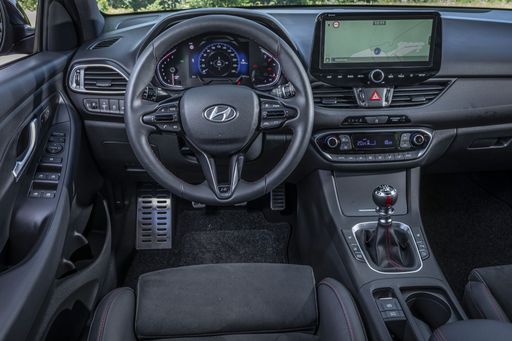
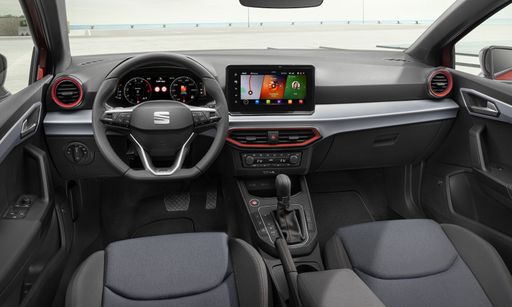
Inside, both models prioritize comfort and technology, ensuring they meet the demands of modern drivers. The Hyundai i30 features a well-designed cabin with quality materials, a user-friendly infotainment system, and ample space for five passengers. Advanced features like a touchscreen display, voice recognition, and smart device connectivity enhance the driving experience.

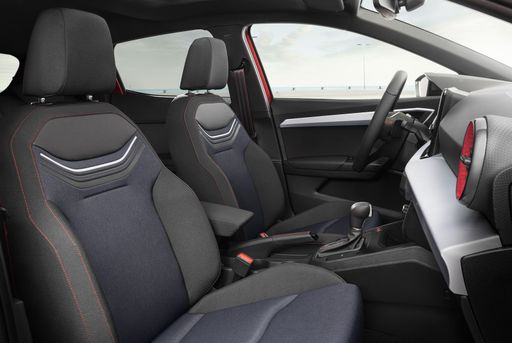
The SEAT Ibiza matches this with its contemporary interior that focuses on driver-centric ergonomics. The infotainment system is intuitive and often praised for its crisp display and connectivity options. The interior quality is commendable, though some materials may not feel as premium as those found in the i30.

i30

Safety Innovations

Safety is a crucial aspect of both vehicles, and both Hyundai and SEAT have integrated advanced safety technologies. The i30 comes equipped with Hyundai SmartSense, which includes features like automatic emergency braking, lane keep assist, and adaptive cruise control, enhancing driver confidence and passenger safety.

Similarly, the SEAT Ibiza boasts an impressive suite of safety features, including the SEAT Drive Profile and pre-crash safety mechanisms. These technologies are designed to prevent accidents and improve overall safety, ensuring peace of mind on the road.

Ibiza

Conclusion: Which One to Choose?

Both the Hyundai i30 and SEAT Ibiza come equipped with their own unique strengths, appealing to different types of buyers in the compact hatchback market. If you are looking for a more spacious vehicle with powerful engines and a premium interior, the Hyundai i30 may be your best bet. However, if you want a sportier option with agile handling and slightly better fuel economy, the SEAT Ibiza stands out.

Ultimately, the choice between the i30 and Ibiza will hinge on personal preferences related to performance, design, and technology. Each model presents an impressive package that assures a fulfilling driving experience in the ever-competitive compact hatchback segment.

Here’s where it gets real: The technical differences in detail

Ibiza

Costs and Efficiency:

Price and efficiency are often the first things buyers look at. Here it becomes clear which model has the long-term edge – whether at the pump, the plug, or in purchase price.

SEAT Ibiza is considerably cheaper – starting at 16,800 £ , while the Hyundai i30 costs 24,600 £ . That’s a price difference of around 7,715 £.

Fuel consumption also shows a difference: the SEAT Ibiza uses 5 L/100km and is somewhat more efficient than the Hyundai i30 with 5.9 L/100km. The difference is about 0.9 L/100km.

i30

Engine and Performance:

Power, torque and acceleration say a lot about how a car feels on the road. This is where you see which model delivers more driving dynamics.

Both models deliver identical power – 150 HP each.

When accelerating from 0 to 100 km/h, the SEAT Ibiza is very slightly quicker – completing the sprint in 8.1 s, while the Hyundai i30 takes 8.9 s. That’s about 0.8 s quicker.

Both models offer the same torque – 250 Nm.

Ibiza

Space and Everyday Use:

Cabin size, boot volume and payload all play a role in everyday practicality. Here, comfort and flexibility make the difference.

Both vehicles offer seating for 5 people.

In terms of curb weight, SEAT Ibiza is a bit lighter – 1,111 kg compared to 1,315 kg. The difference is around 204 kg.

Looking at boot space, the Hyundai i30 offers slightly more boot space – 395 L compared to 355 L. That’s a difference of about 40 L.

When it comes to payload, the SEAT Ibiza carries very slightly more – 522 kg compared to 485 kg. That’s a difference of about 37 kg.

Who wins the race in the data check?

The SEAT Ibiza is far ahead overall in the objective data comparison.
This result only shows which model scores more points on paper – not which of the two cars feels right for you.

from £16,800
Ibiza

SEAT Ibiza

  • Engine Type : Petrol
  • Transmission : Manuel, Automatic
  • Drive Type : Front-Wheel Drive
  • Power HP : 80 - 150 HP
  • Consumption L/100km : 5 - 5.7 L/100km
SEAT Ibiza
Hyundai i30

Costs and Consumption

View detailed analysis

Engine and Performance

View detailed analysis

Dimensions and Body

View detailed analysis

SEAT Ibiza

The SEAT Ibiza is a cheeky, well-priced hatchback that blends sharp styling with a grown-up driving character, making it a smart choice for city commuters who still want a bit of fun. Inside it's practical and neatly finished, with sensible kit and easygoing manners that make everyday life less fussy — a car that doesn't try too hard but gets the job done with a smile.

details

Hyundai i30

The Hyundai i30 proves that sensible can also be stylish, offering a confident driving character wrapped in neat, modern design. It serves up a roomy, well-equipped cabin and composed ride that make everyday motoring feel like a clever purchase rather than a compromise.

details
SEAT Ibiza
Hyundai i30

Costs and Consumption

Price
16,800 - 28,800 £
Price
24,600 - 31,400 £
Consumption L/100km
5 - 5.7 L/100km
Consumption L/100km
5.9 - 6.3 L/100km
Consumption kWh/100km
-
Consumption kWh/100km
-
Electric Range
-
Electric Range
-
Battery Capacity
-
Battery Capacity
-
co2
114 - 128 g/km
co2
134 - 142 g/km
Fuel tank capacity
-
Fuel tank capacity
-

Dimensions and Body

Body Type
Hatchback
Body Type
Hatchback
Seats
5
Seats
5
Doors
-
Doors
-
Curb weight
1,111 - 1,231 kg
Curb weight
1,315 - 1,435 kg
Trunk capacity
355 L
Trunk capacity
395 L
Length
-
Length
-
Width
1,780 mm
Width
1,795 mm
Height
-
Height
-
Max trunk capacity
-
Max trunk capacity
-
Payload
489 - 522 kg
Payload
445 - 485 kg

Engine and Performance

Engine Type
Petrol
Engine Type
Petrol
Transmission
Manuel, Automatic
Transmission
Manuel, Automatic
Transmission Detail
Manual Gearbox, Dual-Clutch Automatic
Transmission Detail
Manual Gearbox, Dual-Clutch Automatic
Drive Type
Front-Wheel Drive
Drive Type
Front-Wheel Drive
Power HP
80 - 150 HP
Power HP
115 - 150 HP
Acceleration 0-100km/h
8.1 - 15.3 s
Acceleration 0-100km/h
8.9 - 11.7 s
Max Speed
-
Max Speed
-
Torque
95 - 250 Nm
Torque
172 - 250 Nm
Number of Cylinders
3 - 4
Number of Cylinders
3 - 4
Power kW
59 - 110 kW
Power kW
85 - 110 kW
Engine capacity
999 - 1,498 cm3
Engine capacity
998 - 1,598 cm3

General

Model Year
2025
Model Year
2026
CO2 Efficiency Class
D, C
CO2 Efficiency Class
D, E
Brand
SEAT
Brand
Hyundai
DriveDuel uses data analysis and artificial intelligence to evaluate vehicle data and create content. Content is regularly reviewed and improved. The displayed prices are estimates based on German list prices, adjusted to the respective country’s VAT. Country-specific registration taxes are not included. This information is not legally binding.