VS

SEAT Ibiza vs Vauxhall Corsa comparison

Compare performance (150 HP vs 156 HP), boot space and price (16,800 £ vs 19,600 £ ) at a glance. Find out which car is the better choice for you – SEAT Ibiza or Vauxhall Corsa?

SEAT Ibiza vs Vauxhall Corsa: Key differences

SEAT Ibiza

  • a bit cheaper
  • barely lighter
  • a bit more trunk space

Vauxhall Corsa

  • marginally more power
  • marginally more efficient
  • barely quicker 0–100 km/h
Ibiza

Street Style and Character

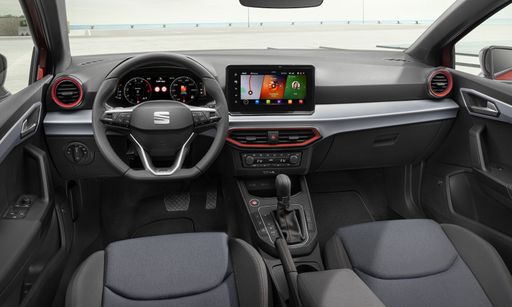
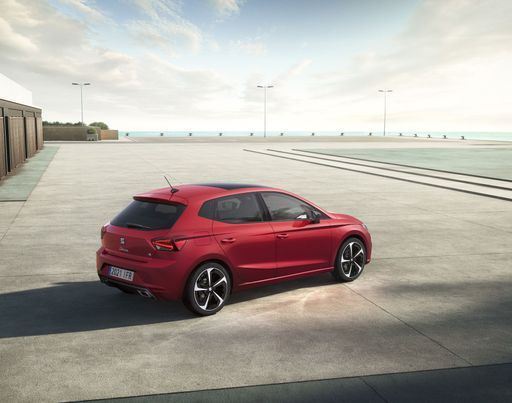
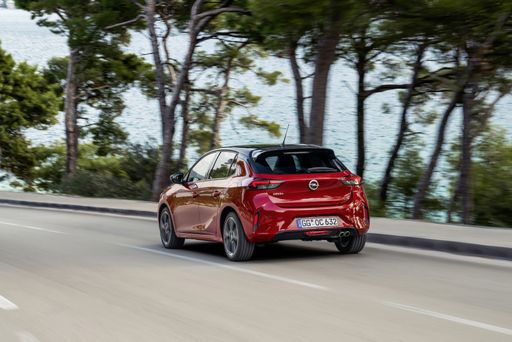
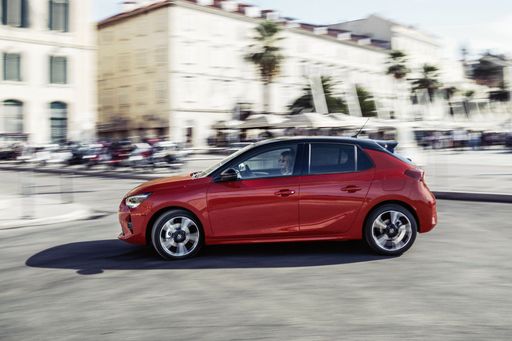
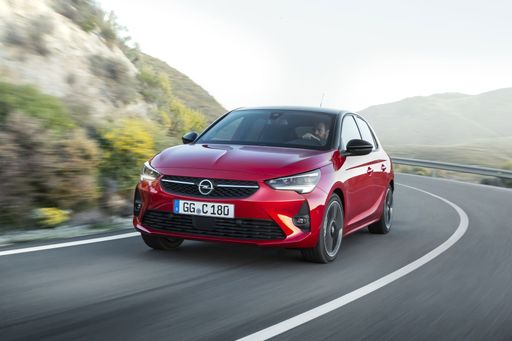
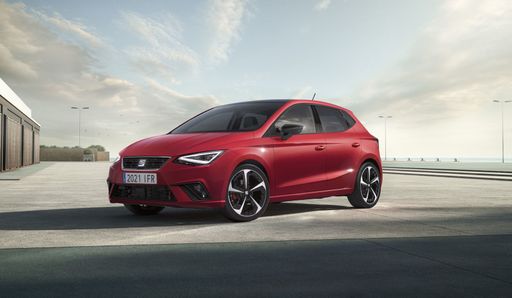
The Opel Corsa cuts a composed, mature silhouette that feels quietly confident, while the SEAT Ibiza trades sobriety for Mediterranean cheek and a fresher, more playful presence. Both manage to stand out in their own way — the Corsa through understated elegance and the Ibiza with a bolder, youth-oriented attitude. If image matters as much as practicality, each sends a clear signal about the kind of driver you are. Pick the look that matches your personality rather than the specs on paper.
Corsa

Traffic Ballet: City Commuting

In town, the Corsa feels assured and surprisingly civil, soaking up rough surfaces with a composed composure that makes short hops surprisingly pleasant. The Ibiza is livelier and more eager to dart through gaps, its steering offering a chirpy, responsive feel that brings fun to the daily grind. Both are compact enough for tight parking and narrow streets, but the character they bring to urban driving is very different — calm competence versus spirited nimbleness. Your choice will come down to whether you prefer serenity or a bit of city theatre behind the wheel.

Ibiza

Open Road Comfort

On longer stretches, the Corsa leans toward refinement, with a settled ride and a cabin that keeps the motorway at arm's length so you can arrive without fatigue. The Ibiza, while comfortable, carries a slightly firmer tune that rewards active inputs and keeps the driver engaged over distances. Noise insulation and seat comfort decide how pleasant those miles feel, and both cars aim to deliver a credible long-haul experience with different priorities. If you spend a lot of time cruising, consider whether you value relaxed refinement or a more connected feel.

Corsa

Family Life and Practicalities

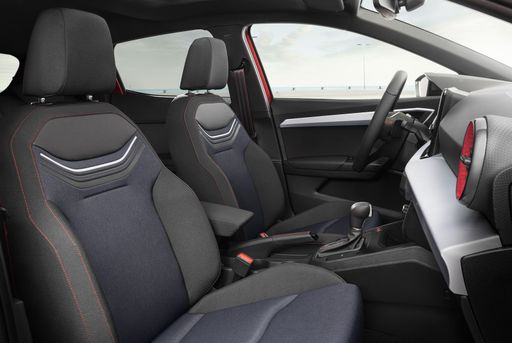
Neither of these models pretends to be a people-mover, yet both make sensible compromises for everyday family life with usable rear seats and straightforward luggage arrangements. The Ibiza nudges toward a bit more space and flexibility for the kinds of errands and weekend loads that define family routines, while the Corsa often scores points for clever packaging and an interior that feels thoughtfully laid out. Think about how often you’ll carry passengers or bulky items and whether easy loading or passenger comfort matters most. Practicality is as much about how a car lives with you day to day as it is about measurements on paper.

Ibiza

Controls, Screens and Daily Friendliness

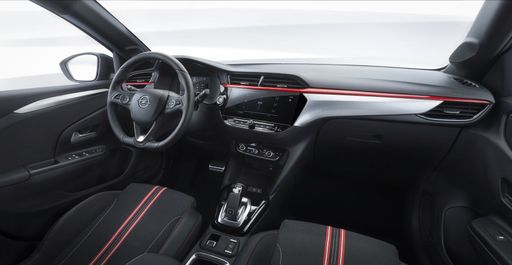
Cabin ergonomics reveal telling differences: the Corsa tends to offer a tidy, user-friendly layout that makes everyday interactions quick and painless, whereas the Ibiza leans into a sportier, more modern interface that feels lively but sometimes demands a minute of fiddling. Both support smartphone habits and modern connectivity, but the feel of buttons, touch controls and screen logic will sway how effortless daily life becomes. Material quality and tactile switches influence the perception of value more than an equipment list ever will. Choose the interface you find least distracting for your daily commute.

Corsa

Running Costs and Ownership Mood

Beyond showroom appeal, ownership is about how comfortable you feel paying for tires, servicing and everyday upkeep, and both cars aim to be sensible companions rather than expensive divas. The Ibiza typically tempts bargain-minded buyers with a straightforward proposition, while the Corsa offers a reassuring sense of balance that can soothe long-term ownership nerves. Consider dealer networks, warranty feel and how easy it is to live with the car during service cycles. The cheapest headline price rarely tells the whole story of what ownership will feel like.

Ibiza

Who Should Look Twice?

If your day is dominated by urban hops and you crave a cheeky, stylish small car that adds a smile to routine journeys, the SEAT Ibiza is a very attractive proposition; if you value calm composure, refined packaging and a slightly more mature feel, the Opel Corsa will likely hit the mark. Commuters, small families, and style-conscious buyers will find strong arguments for both, so match the car’s character to your lifestyle rather than its headlines. Test drives will quickly make your preference obvious.

Corsa

Keep Reading for the Final Call

There’s more to unpack and a decisive verdict coming up — read on and stay tuned, because the DriveDuel Champion will be revealed afterwards.

Here’s where it gets real: The technical differences in detail

Ibiza

Costs and Efficiency:

Price and efficiency are key factors when choosing a car – and this is often where the real differences emerge.

SEAT Ibiza is a bit cheaper – starting at 16,800 £ , while the Vauxhall Corsa costs 19,600 £ . That’s a price difference of around 2,778 £.

Fuel consumption also shows a difference: the Vauxhall Corsa uses 4.6 L/100km and is marginally more efficient than the SEAT Ibiza with 5 L/100km. The difference is about 0.4 L/100km.

Corsa

Engine and Performance:

Under the bonnet, it becomes clear which model is tuned for sportiness and which one takes the lead when you hit the accelerator.

When it comes to engine power, the Vauxhall Corsa offers marginally more power – delivering 156 HP compared to 150 HP. That’s roughly 6 HP more horsepower.

When accelerating from 0 to 100 km/h, the Vauxhall Corsa is barely quicker – completing the sprint in 7.9 s, while the SEAT Ibiza takes 8.1 s. That’s about 0.2 s quicker.

There’s also a difference in torque: the Vauxhall Corsa delivers only slightly more torque with 260 Nm compared to 250 Nm. That’s about 10 Nm more.

Ibiza

Space and Everyday Use:

Whether family car or daily driver – which one offers more room, flexibility and comfort?

Both vehicles offer seating for 5 people.

In terms of curb weight, SEAT Ibiza is barely lighter – 1,111 kg compared to 1,175 kg. The difference is around 64 kg.

Looking at boot space, the SEAT Ibiza offers a bit more boot space – 355 L compared to 309 L. That’s a difference of about 46 L.

When it comes to payload, the SEAT Ibiza carries moderately more – 522 kg compared to 445 kg. That’s a difference of about 77 kg.

Who wins the race in the data check?

The Vauxhall Corsa holds a narrow overall lead in the objective data comparison.
This result only shows which model scores more points on paper – not which of the two cars feels right for you.

from £19,600
Corsa

Vauxhall Corsa

  • Engine Type : Electric, Petrol MHEV, Petrol
  • Transmission : Automatic, Manuel
  • Drive Type : Front-Wheel Drive
  • Power HP : 100 - 156 HP
  • Consumption L/100km : 4.6 - 5.2 L/100km
  • Consumption kWh/100km : 14.4 - 16.2 kWh/100km
  • Electric Range : 347 - 424 km
SEAT Ibiza
Vauxhall Corsa

Costs and Consumption

View detailed analysis

Engine and Performance

View detailed analysis

Dimensions and Body

View detailed analysis

SEAT Ibiza

The SEAT Ibiza is a cheeky, well-priced hatchback that blends sharp styling with a grown-up driving character, making it a smart choice for city commuters who still want a bit of fun. Inside it's practical and neatly finished, with sensible kit and easygoing manners that make everyday life less fussy — a car that doesn't try too hard but gets the job done with a smile.

details

Vauxhall Corsa

The Opel Corsa is a tidy little package that blends cheeky styling with sensible practicality, perfect for city streets and weekend escapes alike. It’s easy to live with, economical to run and just lively enough to make daily driving a bit more fun.

details
SEAT Ibiza
Vauxhall Corsa

Costs and Consumption

Price
16,800 - 28,800 £
Price
19,600 - 30,600 £
Consumption L/100km
5 - 5.7 L/100km
Consumption L/100km
4.6 - 5.2 L/100km
Consumption kWh/100km
-
Consumption kWh/100km
14.4 - 16.2 kWh/100km
Electric Range
-
Electric Range
347 - 424 km
Battery Capacity
-
Battery Capacity
46 - 51 kWh
co2
114 - 128 g/km
co2
0 - 116 g/km
Fuel tank capacity
-
Fuel tank capacity
44 L

Dimensions and Body

Body Type
Hatchback
Body Type
Hatchback
Seats
5
Seats
5
Doors
-
Doors
5
Curb weight
1,111 - 1,231 kg
Curb weight
1,175 - 1,544 kg
Trunk capacity
355 L
Trunk capacity
267 - 309 L
Length
-
Length
4,061 mm
Width
1,780 mm
Width
1,765 mm
Height
-
Height
1,435 mm
Max trunk capacity
-
Max trunk capacity
1,004 - 1,042 L
Payload
489 - 522 kg
Payload
376 - 445 kg

Engine and Performance

Engine Type
Petrol
Engine Type
Electric, Petrol MHEV, Petrol
Transmission
Manuel, Automatic
Transmission
Automatic, Manuel
Transmission Detail
Manual Gearbox, Dual-Clutch Automatic
Transmission Detail
Reduction Gearbox, Dual-Clutch Automatic, Manual Gearbox
Drive Type
Front-Wheel Drive
Drive Type
Front-Wheel Drive
Power HP
80 - 150 HP
Power HP
100 - 156 HP
Acceleration 0-100km/h
8.1 - 15.3 s
Acceleration 0-100km/h
7.9 - 9.9 s
Max Speed
-
Max Speed
150 - 210 km/h
Torque
95 - 250 Nm
Torque
205 - 260 Nm
Number of Cylinders
3 - 4
Number of Cylinders
3
Power kW
59 - 110 kW
Power kW
74 - 115 kW
Engine capacity
999 - 1,498 cm3
Engine capacity
1,199 cm3

General

Model Year
2,025
Model Year
2,024 - 2,025
CO2 Efficiency Class
D, C
CO2 Efficiency Class
A, C, D
Brand
SEAT
Brand
Vauxhall
DriveDuel uses data analysis and artificial intelligence to evaluate vehicle data and create content. Content is regularly reviewed and improved. The displayed prices are estimates based on German list prices, adjusted to the respective country’s VAT. Country-specific registration taxes are not included. This information is not legally binding.