VS

smart #5 vs BMW iX3 comparison

Compare performance (646 HP vs 469 HP), boot space and price (39,300 £ vs 54,300 £ ) at a glance. Find out which car is the better choice for you – smart #5 or BMW iX3?

smart #5 vs BMW iX3: Key differences

smart #5

4.9 (5 Reviews)
rate
  • visibly cheaper
  • noticeably more power
  • visibly quicker 0–100 km/h
  • very slightly lighter
details

BMW iX3

4.6 (4 Reviews)
rate
  • noticeably more efficient
  • noticeably more electric range
details

All details on performance, efficiency, range and trunk space can be found in the technical comparison below – including user reviews for both models.

By Achim Sedelmaier

#5

Introducing Two Contenders: BMW iX3 vs Smart #5

The SUV market is redefining itself, particularly in the electric domain. Today, we take a closer dive into two standout models: the BMW iX3 and the smart #5. Both models promise to deliver compelling electric driving experiences, each with its unique flavor of technological innovations and performance details.

Power and Performance: Which Engine Delivers More?

The BMW iX3 is powered by a robust 286 HP electric motor with a 210 kW output, providing a smooth rear-wheel drive experience. It accelerates from 0-100 km/h in just 6.8 seconds, reaching a maximum speed of 180 km/h. The iX3 showcases impressive torque at 400 Nm, an essential feature for dynamic driving.

Meanwhile, the smart #5 offers multiple variants with power outputs ranging from 340 HP to a remarkable 646 HP. The torque ranges from 373 Nm to an astounding 710 Nm, promising an exhilarating ride. Depending on the model configuration, smart #5 can accelerate from 0-100 km/h in as little as 3.8 seconds, with top speeds up to 210 km/h. It also provides flexible drive configurations, including both rear-wheel drive and all-wheel drive options.

Electric Range and Efficiency: The Roadtrip Verdict

Electric range is crucial for any EV owner, and both models deliver competitive numbers. The BMW iX3 offers a range of 471 km on a single charge from its 73.9 kWh battery, showcasing an efficiency of 17.6 kWh/100 km.

In comparison, the smart #5 delivers an impressive top range of up to 590 km, courtesy of its larger 94 kWh battery. The various configurations allow potential buyers to choose based on their range needs, making long-haul electric driving more accessible than ever before.

Design and Space: Inside the Electric Cabins

Design and interior space are critical aspects that define user preference. The BMW iX3, with dimensions measuring 4734 mm in length, 1891 mm in width, and 1668 mm in height, offers a trunk capacity of 510 liters. It accommodates five passengers comfortably while standing out with its sleek SUV design.

On the other side, the smart #5 provides a slightly different experience with dimensions of 4695 mm in length, 1920 mm in width, and a height of 1705 mm. Notably, it offers a larger trunk space at 630 liters, making it ideal for families and travel enthusiasts who require extra room for luggage.

Innovations and Technological Edge

BMW iX3: Known for their mastery in driving dynamics, BMW is not shy about infusing their electric SUVs with their engineering prowess. With features like Adaptive M suspension, the iX3 strikes a fine balance between comfort and sporty driving.

Smart #5: The smart #5 stands out with its future-forward technology, notably offering advanced ADAS (Advanced Driver-Assistance Systems) and potential options for autonomous driving capabilities. These cutting-edge features elevate the driving experience to new heights.

Final Thoughts

Both the BMW iX3 and smart #5 bring unique advantages to the table in the electric SUV market. The iX3 excels with its classic performance characteristics and balanced driving experience, while the smart #5 dazzles with its range options and tech-laden offerings. Enthusiasts and prospective buyers must weigh these factors carefully to align with their personal preferences and lifestyle needs.
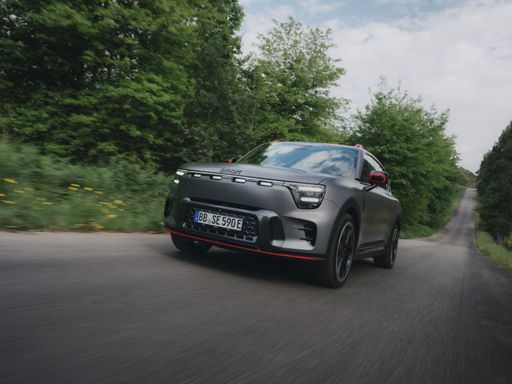
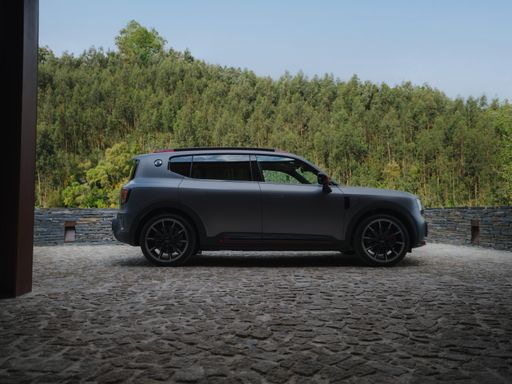
Here’s where it gets real: The technical differences in detail

#5

Costs and Efficiency:

When it comes to price and running costs, the biggest differences usually appear. This is often where you see which car fits your budget better in the long run.

smart #5 is visibly cheaper – starting at 39,300 £ , while the BMW iX3 costs 54,300 £ . That’s a price difference of around 15,000 £.

In terms of energy consumption, the BMW iX3 is noticeably more efficient: consuming 14.6 kWh/100km compared to 18.4 kWh/100km for the smart #5. That’s a difference of about 3.8 kWh/100km.

As for electric range, the BMW iX3 offers noticeably more range – reaching up to 805 km, about 215 km more than the smart #5.

iX3

Engine and Performance:

Under the bonnet, it becomes clear which model is tuned for sportiness and which one takes the lead when you hit the accelerator.

When it comes to engine power, the smart #5 offers noticeably more power – delivering 646 HP compared to 469 HP. That’s roughly 177 HP more horsepower.

When accelerating from 0 to 100 km/h, the smart #5 is visibly quicker – completing the sprint in 3.8 s, while the BMW iX3 takes 4.9 s. That’s about 1.1 s quicker.

There’s also a difference in torque: the smart #5 delivers very slightly more torque with 710 Nm compared to 645 Nm. That’s about 65 Nm more.

#5

Space and Everyday Use:

Whether family car or daily driver – which one offers more room, flexibility and comfort?

Both vehicles offer seating for 5 people.

In terms of curb weight, smart #5 is very slightly lighter – 2,200 kg compared to 2,360 kg. The difference is around 160 kg.

When it comes to payload, the smart #5 carries barely more – 502 kg compared to 465 kg. That’s a difference of about 37 kg.

Who wins the race in the data check?

The smart #5 is far ahead overall in the objective data comparison.
This result only shows which model scores more points on paper – not which of the two cars feels right for you.

from £39,300
#5

smart #5

  • Engine Type : Electric
  • Transmission : Automatic
  • Drive Type : Rear-Wheel Drive, All-Wheel Drive
  • Power HP : 340 - 646 HP
  • Consumption kWh/100km : 18.4 - 19.9 kWh/100km
  • Electric Range : 465 - 590 km
smart #5
BMW iX3

Costs and Consumption

View detailed analysis

Engine and Performance

View detailed analysis

Dimensions and Body

View detailed analysis

smart #5

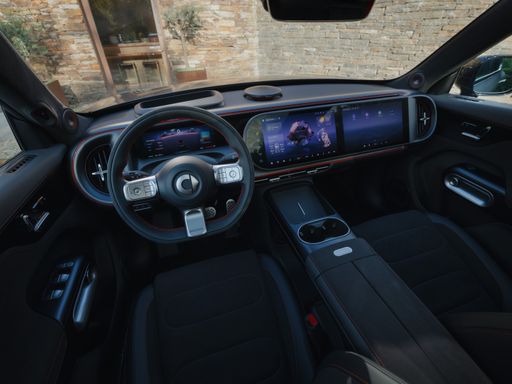
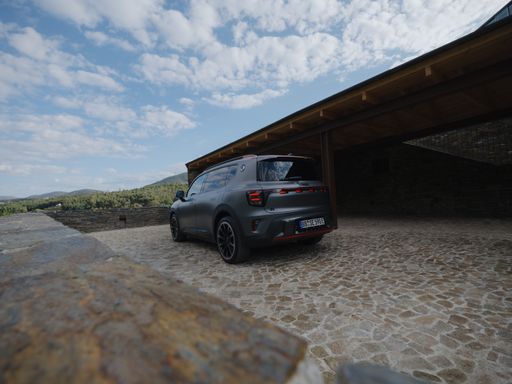
The Smart #5 continues to build on the brand's legacy of compact and efficient urban vehicles, now infused with a more modern and stylish design. Its sleek appearance is complemented by a spacious interior, offering comfort without compromising its compact nature. This model is ideal for city dwellers seeking a blend of innovation, practicality, and style in their daily drives.

details

BMW iX3

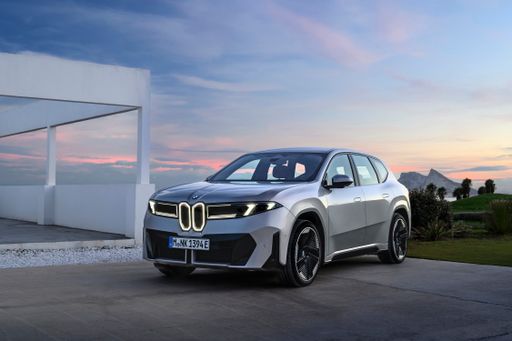
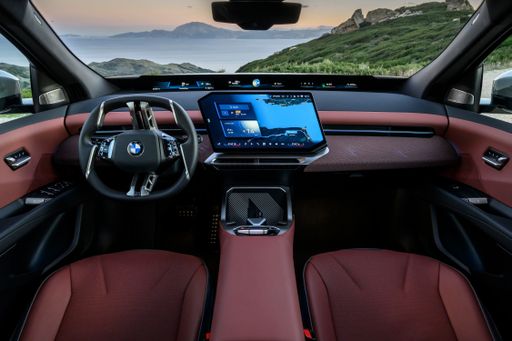
The BMW iX3 brings BMW's familiar SUV poise into the electric era, blending restrained styling and a comfortable, composed ride that will please traditionalists dipping their toes into electrification. It's quiet, practical and rather grown-up about going electric — a sensible choice for buyers who want BMW driving manners without the drama.

details
smart #5
BMW iX3

Costs and Consumption

Price
39,300 - 52,200 £
Price
54,300 - 66,300 £
Consumption L/100km
-
Consumption L/100km
-
Consumption kWh/100km
18.4 - 19.9 kWh/100km
Consumption kWh/100km
14.6 - 15.1 kWh/100km
Electric Range
465 - 590 km
Electric Range
635 - 805 km
Battery Capacity
74.4 - 94 kWh
Battery Capacity
-
co2
0 g/km
co2
0 g/km
Fuel tank capacity
-
Fuel tank capacity
-

Dimensions and Body

Body Type
SUV
Body Type
SUV
Seats
5
Seats
5
Doors
5
Doors
-
Curb weight
2,200 - 2,378 kg
Curb weight
2,360 kg
Trunk capacity
630 L
Trunk capacity
-
Length
4,695 mm
Length
-
Width
1,920 mm
Width
1,895 mm
Height
1,705 mm
Height
-
Max trunk capacity
1,530 L
Max trunk capacity
-
Payload
475 - 502 kg
Payload
465 kg

Engine and Performance

Engine Type
Electric
Engine Type
Electric
Transmission
Automatic
Transmission
Automatic
Transmission Detail
Reduction Gearbox
Transmission Detail
Reduction Gearbox
Drive Type
Rear-Wheel Drive, All-Wheel Drive
Drive Type
All-Wheel Drive, Rear-Wheel Drive
Power HP
340 - 646 HP
Power HP
320 - 469 HP
Acceleration 0-100km/h
3.8 - 6.9 s
Acceleration 0-100km/h
4.9 - 5.9 s
Max Speed
200 - 210 km/h
Max Speed
-
Torque
373 - 710 Nm
Torque
500 - 645 Nm
Number of Cylinders
-
Number of Cylinders
-
Power kW
250 - 475 kW
Power kW
235 - 345 kW
Engine capacity
-
Engine capacity
-

General

Model Year
2025
Model Year
2026
CO2 Efficiency Class
A
CO2 Efficiency Class
A
Brand
smart
Brand
BMW
DriveDuel uses data analysis and artificial intelligence to evaluate vehicle data and create content. Content is regularly reviewed and improved. The displayed prices are estimates based on German list prices, adjusted to the respective country’s VAT. Country-specific registration taxes are not included. This information is not legally binding.