VS

Suzuki Swift vs Hyundai i20 comparison

Compare performance (82 HP vs 90 HP), boot space and price (17,100 £ vs 18,800 £ ) at a glance. Find out which car is the better choice for you – Suzuki Swift or Hyundai i20?

Suzuki Swift vs Hyundai i20: Key differences

Suzuki Swift

4.2 (4 Reviews)
rate
  • only slightly cheaper
  • clearly more efficient
  • very slightly lighter
details

Hyundai i20

4 (1 Reviews)
rate
  • only slightly more power
details

All details on performance, efficiency, range and trunk space can be found in the technical comparison below – including user reviews for both models.

By Achim Sedelmaier

Swift

A Clash of Hatchbacks: Hyundai i20 vs Suzuki Swift

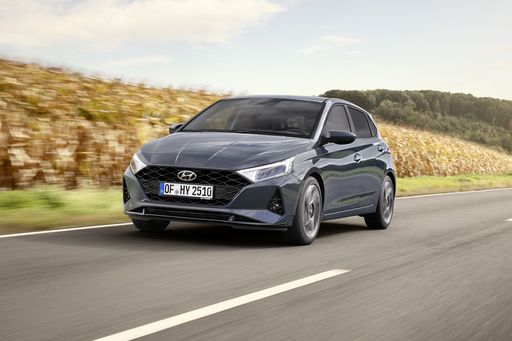
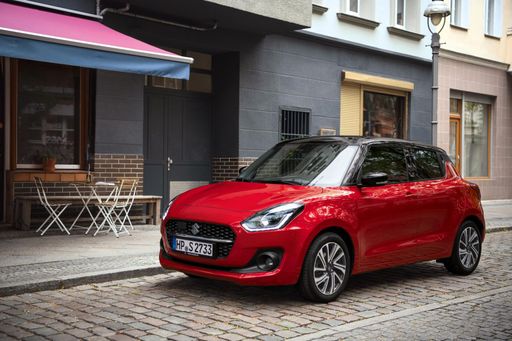
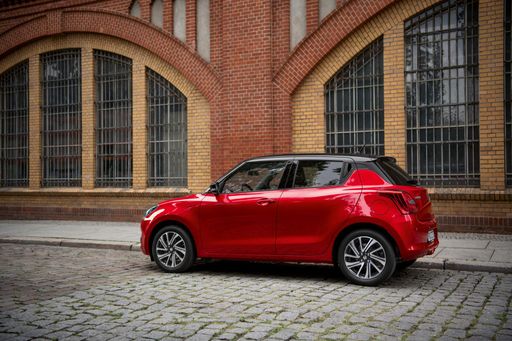
In the ever-popular hatchback segment, the Hyundai i20 and Suzuki Swift stand out as contenders vying for the attention of urban drivers seeking agility, efficiency, and style. Both models have undergone recent updates for the 2024 model year, featuring interesting developments in performance and technology. Let's dive into a detailed comparison of these two city cruisers to help you make an informed choice.
i20

Engine and Performance

The Hyundai i20 offers a wider choice with its two engine types: a 1.0-liter petrol MHEV and a 1.2-liter petrol engine. The power output ranges from 79 HP to 100 HP, coupled with torque figures from 113 Nm to 200 Nm, offering decent versatility and performance for city and highway driving. The i20 also provides two transmission options – a manual gearbox and a dual-clutch automatic for smoother transitions, handling front-wheel drive only.

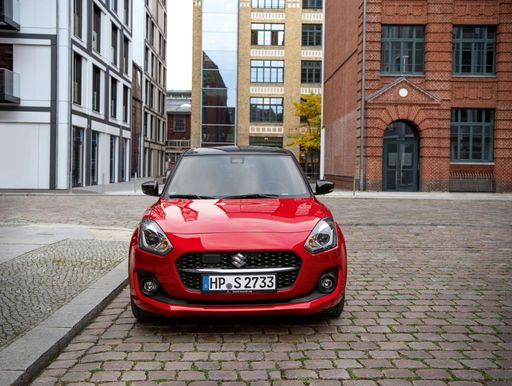
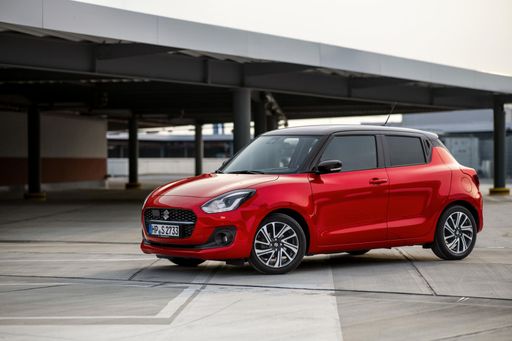
On the other hand, the Suzuki Swift comes standard with a 1.2-liter petrol MHEV engine producing 82 HP and 112 Nm of torque. Though less powerful than the i20, the Swift is available with both front-wheel drive and all-wheel drive, offering an edge in varied driving conditions. Transmission options include a manual gearbox and a CVT for those who prefer a more effortless drive.

Swift

Fuel Efficiency and Environmental Impact

When it comes to fuel economy, the Suzuki Swift takes the lead with consumption figures as low as 4.4 L/100km, making it more economical than the i20, which averages around 5.1–5.3 L/100km. Additionally, the Swift falls within the C CO2 efficiency class with emissions ranging from 98 to 110 g/km, while the i20 lands in the D class with emissions between 117 and 120 g/km. This makes the Swift a more environmentally friendly option.

i20

Design and Dimensions

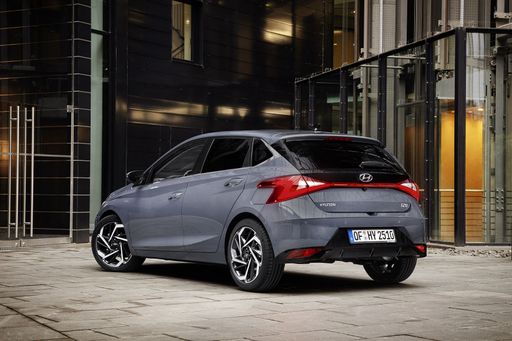
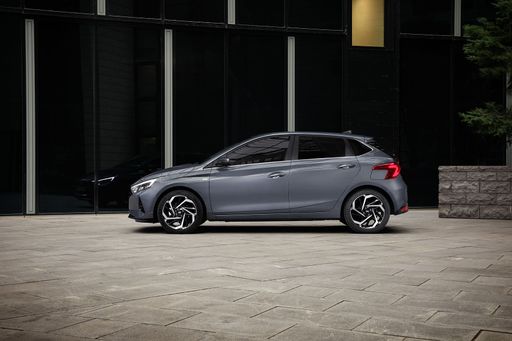
Both hatchbacks maintain their signature compact look, yet there are distinct differences in dimensions and cargo space which might influence your decision. The Hyundai i20 is slightly larger, measuring up to 4075 mm in length and offering a superior trunk capacity of 352 liters. This makes it a provisional winner for those who frequently need more cargo space.

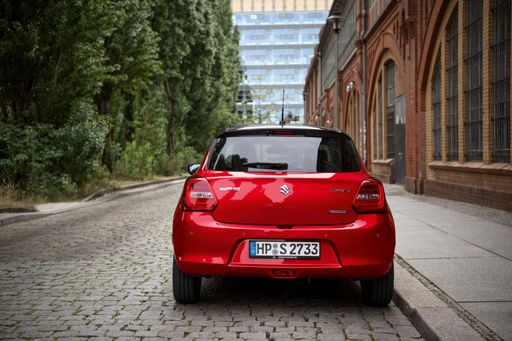
Conversely, the Suzuki Swift, though more compact at 3860 mm in length, is designed for efficiency and agility in tight urban spaces. The Swift’s trunk capacity is 265 liters – smaller than the i20 but adequate for everyday use.

Swift

Interior and Features

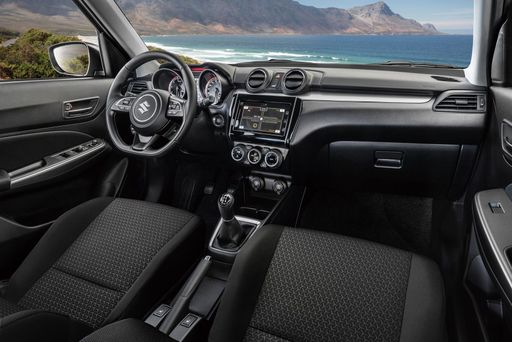
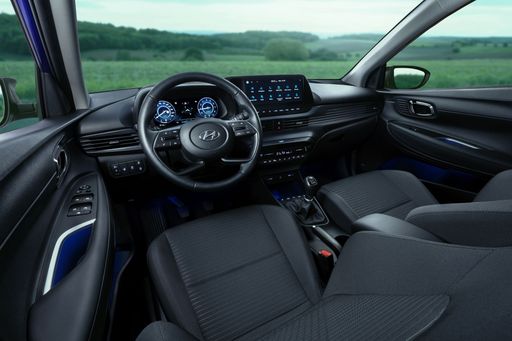
Both vehicles comfortably seat five people and offer modern-day connectivity and infotainment features, accommodating the tech-savvy driver. However, the Hyundai i20's slightly larger cabin dimensions contribute to a roomier interior experience, especially for rear-seat passengers.

i20

Conclusion

If you prioritize fuel efficiency, a smaller footprint for city maneuverability, and the potential of all-wheel drive, the Suzuki Swift makes a compelling case. However, for those who need a bit more power, larger cargo space, and a broader range of internal combustion options, the Hyundai i20 stands out as a strong choice.

Ultimately, both hatchbacks bring their unique advantages to the table. Your choice will depend on your specific needs, driving style, and personal priorities.

Here’s where it gets real: The technical differences in detail

Swift

Costs and Efficiency:

Price and efficiency are key factors when choosing a car – and this is often where the real differences emerge.

Suzuki Swift is only slightly cheaper – starting at 17,100 £ , while the Hyundai i20 costs 18,800 £ . That’s a price difference of around 1,672 £.

Fuel consumption also shows a difference: the Suzuki Swift uses 4.4 L/100km and is clearly more efficient than the Hyundai i20 with 5.7 L/100km. The difference is about 1.3 L/100km.

i20

Engine and Performance:

Under the bonnet, it becomes clear which model is tuned for sportiness and which one takes the lead when you hit the accelerator.

When it comes to engine power, the Hyundai i20 offers only slightly more power – delivering 90 HP compared to 82 HP. That’s roughly 8 HP more horsepower.

There’s also a difference in torque: the Hyundai i20 delivers clearly more torque with 172 Nm compared to 112 Nm. That’s about 60 Nm more.

Swift

Space and Everyday Use:

Beyond pure performance, interior space and usability matter most in daily life. This is where you see which car is more practical and versatile.

Both vehicles offer seating for 5 people.

In terms of curb weight, Suzuki Swift is very slightly lighter – 1,069 kg compared to 1,145 kg. The difference is around 76 kg.

When it comes to payload, the Hyundai i20 carries visibly more – 465 kg compared to 296 kg. That’s a difference of about 169 kg.

Who wins the race in the data check?

The Suzuki Swift is narrowly ahead in the objective data comparison.
This result only shows which model scores more points on paper – not which of the two cars feels right for you.

from £17,100
Swift

Suzuki Swift

  • Engine Type Petrol MHEV
  • Transmission Manuel, Automatic
  • Drive Type Front-Wheel Drive, All-Wheel Drive
  • Power HP 82 HP
  • Consumption L/100km 4.4 - 4.9 L/100km
Suzuki Swift
Hyundai i20

Costs and Consumption

View detailed analysis

Engine and Performance

View detailed analysis

Dimensions and Body

View detailed analysis

Suzuki Swift

The Suzuki Swift is a cheeky little hatch that turns city streets into its playground with lively handling and a grin-inducing drive. Practical enough for daily chores, thrifty to run and kinder on your wallet than many rivals, it's a sensible pick for buyers who want fun without drama.

details

Hyundai i20

The Hyundai i20 is a cheeky small car that mixes smart styling with sensible practicality, feeling more polished and roomy than you might expect for the money. It’s an easy car to live with, offering engaging handling, a comfy cabin and useful equipment that make daily commutes and weekend errands notably less dull.

details
Suzuki Swift
Hyundai i20

Costs and Consumption

Price
17,100 - 21,200 £
Price
18,800 - 24,400 £
Consumption L/100km
4.4 - 4.9 L/100km
Consumption L/100km
5.7 L/100km
Consumption kWh/100km
-
Consumption kWh/100km
-
Electric Range
-
Electric Range
-
Battery Capacity
-
Battery Capacity
-
co2
98 - 110 g/km
co2
128 - 129 g/km
Fuel tank capacity
-
Fuel tank capacity
-

Dimensions and Body

Body Type
Hatchback
Body Type
Hatchback
Seats
5
Seats
5
Doors
-
Doors
-
Curb weight
1,069 - 1,145 kg
Curb weight
1,145 - 1,170 kg
Trunk capacity
-
Trunk capacity
352 L
Length
-
Length
-
Width
1,735 mm
Width
1,775 mm
Height
-
Height
-
Max trunk capacity
-
Max trunk capacity
-
Payload
282 - 296 kg
Payload
455 - 465 kg

Engine and Performance

Engine Type
Petrol MHEV
Engine Type
Petrol
Transmission
Manuel, Automatic
Transmission
Manuel, Automatic
Transmission Detail
Manual Gearbox, CVT
Transmission Detail
Manual Gearbox, Dual-Clutch Automatic
Drive Type
Front-Wheel Drive, All-Wheel Drive
Drive Type
Front-Wheel Drive
Power HP
82 HP
Power HP
90 HP
Acceleration 0-100km/h
-
Acceleration 0-100km/h
11.5 - 12.8 s
Max Speed
-
Max Speed
-
Torque
112 Nm
Torque
172 Nm
Number of Cylinders
3
Number of Cylinders
3
Power kW
61 kW
Power kW
66 kW
Engine capacity
1,197 cm3
Engine capacity
998 cm3

General

Model Year
2025
Model Year
2025
CO2 Efficiency Class
C
CO2 Efficiency Class
D
Brand
Suzuki
Brand
Hyundai
DriveDuel uses data analysis and artificial intelligence to evaluate vehicle data and create content. Content is regularly reviewed and improved. The displayed prices are estimates based on German list prices, adjusted to the respective country’s VAT. Country-specific registration taxes are not included. This information is not legally binding.