VS

Suzuki Swift vs Suzuki Ignis comparison

Compare performance (82 HP vs 83 HP), boot space and price (17,100 £ vs 15,600 £ ) at a glance. Find out which car is the better choice for you – Suzuki Swift or Suzuki Ignis?

Suzuki Swift vs Suzuki Ignis: Key differences

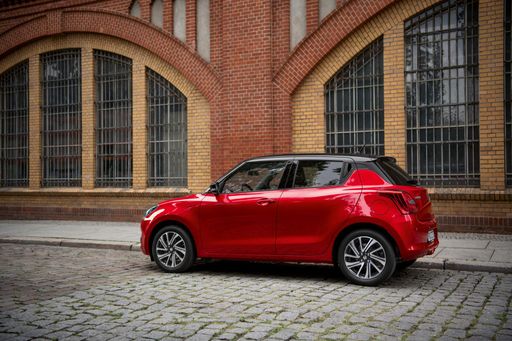
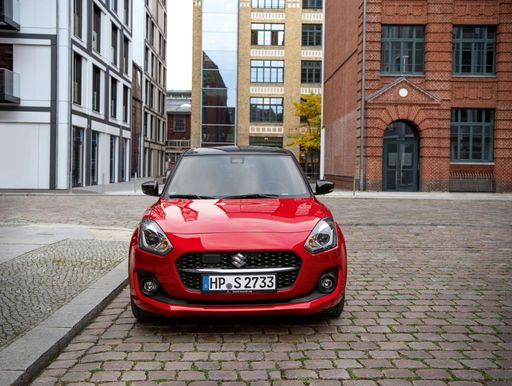
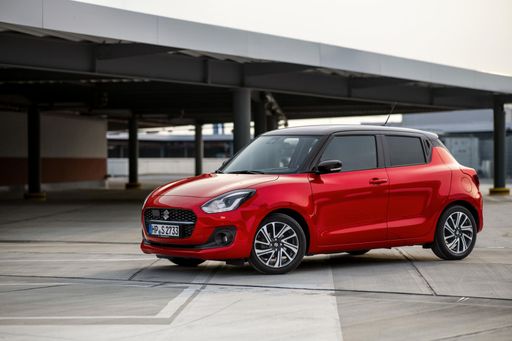
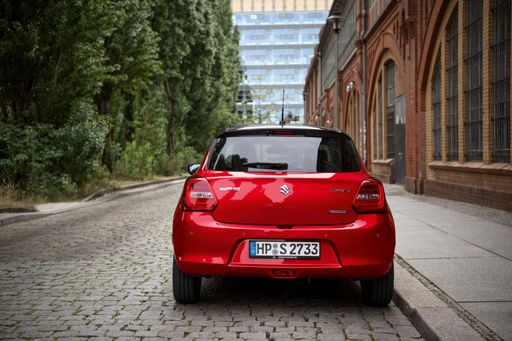
Suzuki Swift

4.2 (4 Reviews)
rate
  • somewhat more efficient
details

Suzuki Ignis

4.7 (1 Reviews)
rate
  • only slightly cheaper
  • marginally more power
  • a bit lighter
details

All details on performance, efficiency, range and trunk space can be found in the technical comparison below – including user reviews for both models.

By Achim Sedelmaier

Swift

Overview: Suzuki Ignis VS Suzuki Swift — which small Suzuki fits your life?

Suzuki Ignis VS Suzuki Swift is the choice between a compact, high-seated mini‑SUV and a sprightlier hatchback that aims to be the better-rounded everyday car. The Suzuki Ignis emphasizes upright seating, surprising payload flexibility and an optional 4x4 trick for seasonal traction, while the Suzuki Swift leans on sharper handling, more kit and slightly better on-road efficiency. That means the Suzuki Ignis trades some refinement for practicality and low running costs, whereas the Suzuki Swift trades a bit of utility for a more engaging daily drive. Below we break down how those differences feel in character, comfort, practicality and city use so you can match either car to your routine before the technical page makes the details explicit.
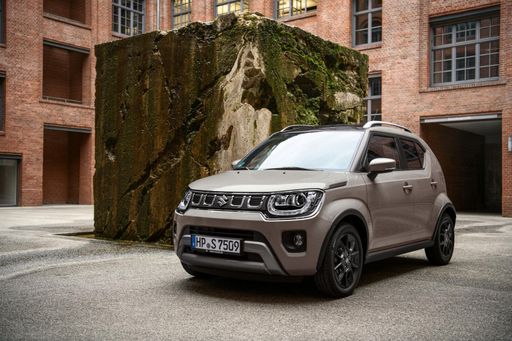
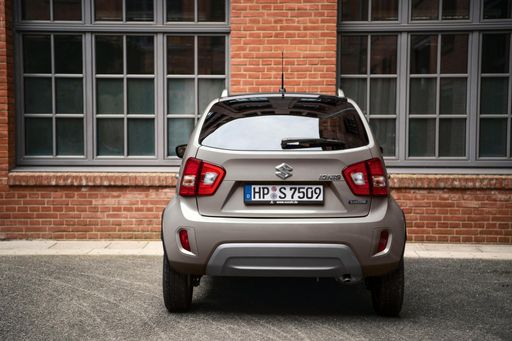
Ignis

Character and driving personality

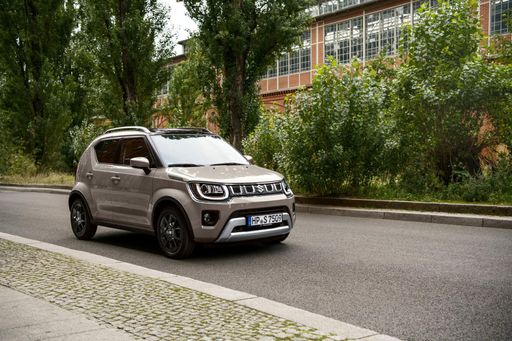
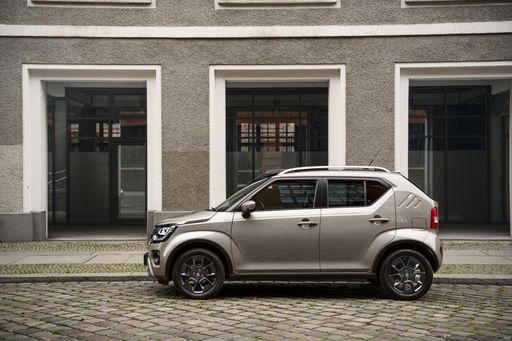
The Suzuki Ignis feels like an urban explorer: light, nimble and perched higher for better visibility, making slow city driving and light gravel or snowy stretches less stressful. The Suzuki Swift presents a more traditional hatchback temperament — lower center of gravity, crisper responses and a sense of control on twisty roads that the Ignis simply doesn’t prioritize. Suzuki Ignis’s engine and gearing favor economy and easy-town progress, which leaves it feeling strained on sustained fast roads, while Suzuki Swift’s setup rewards a more enthusiastic driver despite some audible three‑cylinder manners. In short, Suzuki Ignis is tuned for predictable, fuss‑free utility; Suzuki Swift is tuned for engagement and everyday driving pleasure.

Swift

Comfort and long-distance behavior

On comfort the two converge only in their limits: neither the Suzuki Ignis nor the Suzuki Swift is built for relaxed motorway cruising, but the reasons differ. The Suzuki Ignis hands you upright seats and excellent short‑trip ergonomics yet transmits sharp impacts and wind noise that become tiring on long runs. The Suzuki Swift soaks up sustained speeds a touch better and feels more composed, though higher engine revs and road noise keep long trips from becoming truly serene. If your life is mainly city errands, the Suzuki Ignis will feel more comfortable day‑to‑day; if you regularly tackle A‑roads and occasional motorways, the Suzuki Swift will be the less wearing companion.

Ignis

Practicality and cabin feel

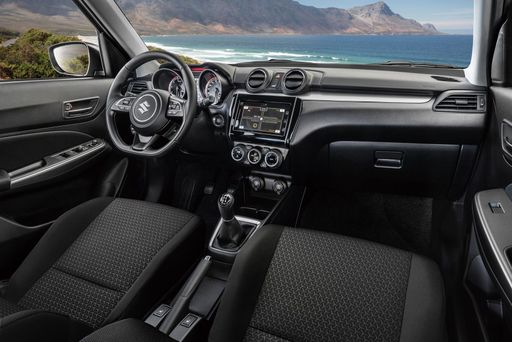
Practicality is where the Suzuki Ignis shows its strengths: a sliding rear bench, useful payload capacity and an upright loading posture make it more adaptable for odd jobs and bulky shopping. The Suzuki Swift, by contrast, offers tidier ergonomics, a more modern infotainment fit and generally neater cabin packaging, but the Swift’s boot access and rear flexibility are less forgiving for large or awkward loads. Interior materials are honest in both cars, yet Suzuki Ignis leans harder into hard plastics and a utilitarian finish while Suzuki Swift feels slightly more refined in day‑to‑day touchpoints. Choose the Suzuki Ignis if you need adaptable space and utility in a tiny footprint; choose the Suzuki Swift if you prefer a neater, better‑equipped cabin for regular commuting.

Swift

City friendliness and everyday usability

In urban settings both the Suzuki Ignis and the Suzuki Swift excel, but they win for different reasons that affect daily convenience. The Suzuki Ignis’s compact exterior and high seating make parking, lane threading and visibility in tight centres genuinely effortless and confidence‑boosting. The Suzuki Swift matches that maneuverability with crisper steering, more standard tech like wireless smartphone mirroring and camera aids, so its urban experience feels a touch more civilized. If you live in narrow streets and park on the curb, the Suzuki Ignis’s package is the more pragmatic; if you want a sharper steering feel and more usable gadgets in town, the Suzuki Swift edges ahead.

Ignis

Buyer fit — who should buy which before we dive into the specs?

Pick the Suzuki Ignis if your priority is maximum practicality in a tiny footprint, the highest seating position for visibility, low running costs and the occasional need for extra traction in winter. Opt for the Suzuki Swift if you want a more engaging drive, better everyday equipment and marginally lower fuel use on mixed routes, even if that means less boot flexibility and a slightly higher purchase price. Families or buyers who frequently load bulky items will feel the difference: Suzuki Ignis swallows odd loads better, Suzuki Swift rewards you with nicer ergonomics and tech. Read on to the technical comparison for the exact drivetrain, consumption and cargo figures that crystallize these trade‑offs for your situation.

Here’s where it gets real: The technical differences in detail

Swift

Costs and Efficiency:

Price and efficiency are often the first things buyers look at. Here it becomes clear which model has the long-term edge – whether at the pump, the plug, or in purchase price.

Suzuki Ignis is only slightly cheaper – starting at 15,600 £ , while the Suzuki Swift costs 17,100 £ . That’s a price difference of around 1,534 £.

Fuel consumption also shows a difference: the Suzuki Swift uses 4.4 L/100km and is somewhat more efficient than the Suzuki Ignis with 4.9 L/100km. The difference is about 0.5 L/100km.

Ignis

Engine and Performance:

Power, torque and acceleration say a lot about how a car feels on the road. This is where you see which model delivers more driving dynamics.

When it comes to engine power, the Suzuki Ignis offers marginally more power – delivering 83 HP compared to 82 HP. That’s roughly 1 HP more horsepower.

There’s also a difference in torque: the Suzuki Swift delivers marginally more torque with 112 Nm compared to 107 Nm. That’s about 5 Nm more.

Swift

Space and Everyday Use:

Cabin size, boot volume and payload all play a role in everyday practicality. Here, comfort and flexibility make the difference.

Both vehicles offer seating for 5 people.

In terms of curb weight, Suzuki Ignis is a bit lighter – 935 kg compared to 1,069 kg. The difference is around 134 kg.

When it comes to payload, the Suzuki Ignis carries markedly more – 395 kg compared to 296 kg. That’s a difference of about 99 kg.

Who wins the race in the data check?

The Suzuki Ignis holds a solid overall lead in the objective data comparison.
This result only shows which model scores more points on paper – not which of the two cars feels right for you.

from £15,600
Ignis

Suzuki Ignis

  • Engine Type Petrol MHEV
  • Transmission Manuel, Automatic
  • Drive Type Front-Wheel Drive, All-Wheel Drive
  • Power HP 83 HP
  • Consumption L/100km 4.9 - 5.4 L/100km
Suzuki Swift
Suzuki Ignis

Costs and Consumption

View detailed analysis

Engine and Performance

View detailed analysis

Dimensions and Body

View detailed analysis

Suzuki Swift

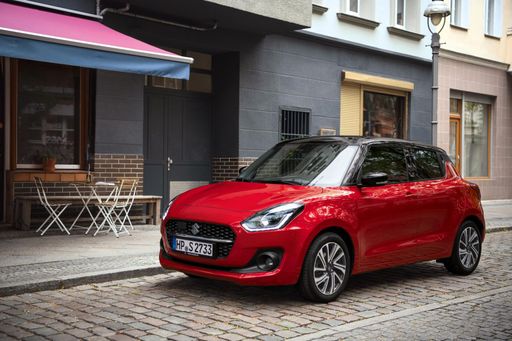
The Suzuki Swift is a cheeky little hatch that turns city streets into its playground with lively handling and a grin-inducing drive. Practical enough for daily chores, thrifty to run and kinder on your wallet than many rivals, it's a sensible pick for buyers who want fun without drama.

details

Suzuki Ignis

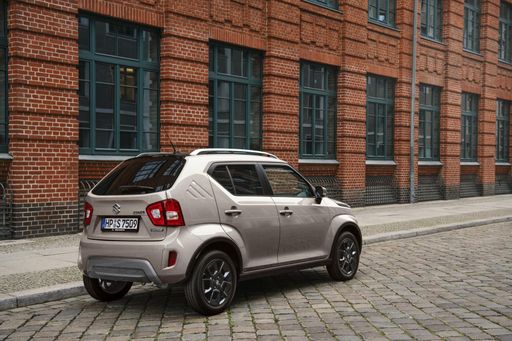
The Suzuki Ignis is a cheeky compact crossover that turns city chores into cheerful adventures, with chunky styling and a surprisingly practical cabin. It won't pretend to be a sports car, but its nimble manners, low running costs and ample personality make it an ideal pick for urban buyers who want fun without pretension.

details
Suzuki Swift
Suzuki Ignis

Costs and Consumption

Price
17,100 - 21,200 £
Price
15,600 - 19,500 £
Consumption L/100km
4.4 - 4.9 L/100km
Consumption L/100km
4.9 - 5.4 L/100km
Consumption kWh/100km
-
Consumption kWh/100km
-
Electric Range
-
Electric Range
-
Battery Capacity
-
Battery Capacity
-
co2
98 - 110 g/km
co2
110 - 122 g/km
Fuel tank capacity
-
Fuel tank capacity
30 - 32 L

Dimensions and Body

Body Type
Hatchback
Body Type
SUV
Seats
5
Seats
4 - 5
Doors
-
Doors
5
Curb weight
1,069 - 1,145 kg
Curb weight
935 - 995 kg
Trunk capacity
-
Trunk capacity
204 - 267 L
Length
-
Length
3,700 mm
Width
1,735 mm
Width
1,690 mm
Height
-
Height
1,605 mm
Max trunk capacity
-
Max trunk capacity
1,086 - 1,100 L
Payload
282 - 296 kg
Payload
335 - 395 kg

Engine and Performance

Engine Type
Petrol MHEV
Engine Type
Petrol MHEV
Transmission
Manuel, Automatic
Transmission
Manuel, Automatic
Transmission Detail
Manual Gearbox, CVT
Transmission Detail
Manual Gearbox, CVT
Drive Type
Front-Wheel Drive, All-Wheel Drive
Drive Type
Front-Wheel Drive, All-Wheel Drive
Power HP
82 HP
Power HP
83 HP
Acceleration 0-100km/h
-
Acceleration 0-100km/h
12.7 - 12.8 s
Max Speed
-
Max Speed
155 - 165 km/h
Torque
112 Nm
Torque
107 Nm
Number of Cylinders
3
Number of Cylinders
4
Power kW
61 kW
Power kW
61 kW
Engine capacity
1,197 cm3
Engine capacity
1,197 cm3

General

Model Year
2025
Model Year
2020
CO2 Efficiency Class
C
CO2 Efficiency Class
C, D
Brand
Suzuki
Brand
Suzuki
DriveDuel uses data analysis and artificial intelligence to evaluate vehicle data and create content. Content is regularly reviewed and improved. The displayed prices are estimates based on German list prices, adjusted to the respective country’s VAT. Country-specific registration taxes are not included. This information is not legally binding.