VS

Toyota bZ4X vs Lexus RZ comparison

Compare performance (380 HP vs 408 HP), boot space and price (36,800 £ vs 48,900 £ ) at a glance. Find out which car is the better choice for you – Toyota bZ4X or Lexus RZ?

Toyota bZ4X vs Lexus RZ: Key differences

Toyota bZ4X

4.6 (9 Reviews)
rate
  • visibly cheaper
  • barely more efficient
  • only slightly more electric range
  • barely lighter
details

Lexus RZ

4.8 (1 Reviews)
rate
  • only slightly more power
details

All details on performance, efficiency, range and trunk space can be found in the technical comparison below – including user reviews for both models.

By Achim Sedelmaier

bZ4X

Head-to-Head: Lexus RZ vs Toyota bZ4X — the electric crossover comparison

Lexus RZ VS Toyota bZ4X — this is the direct comparison between two electric crossovers that aim at very different buyers. On one side the Lexus RZ presents itself as a luxury electric SUV, and on the other the Toyota bZ4X pitches a more practical electric crossover play. This comparison will focus on how each car feels, lives and wears day-to-day rather than just what the spec sheet says. If you’re searching for a clear Lexus RZ VS Toyota bZ4X comparison to match character with needs, you’re in the right place.
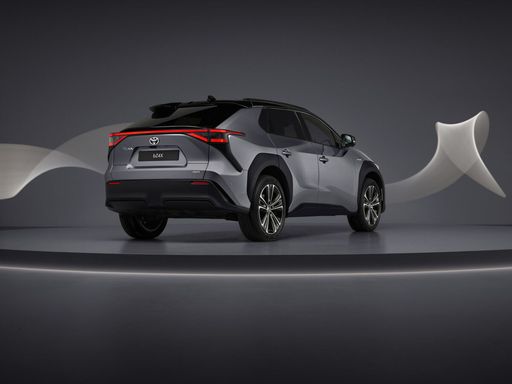
RZ

Two temperaments, one charging port

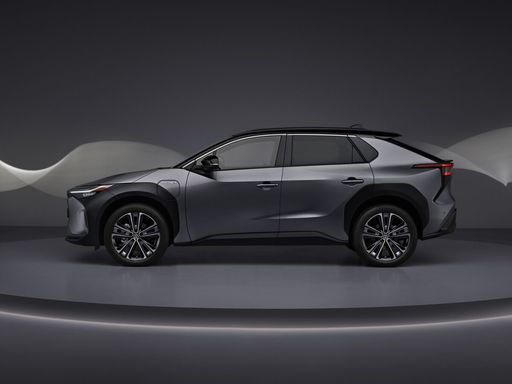
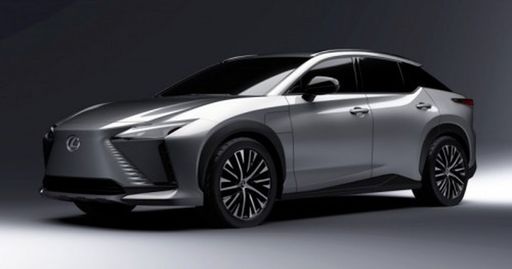
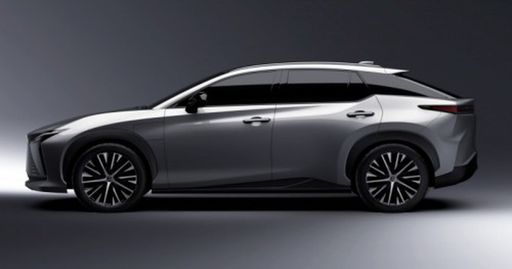
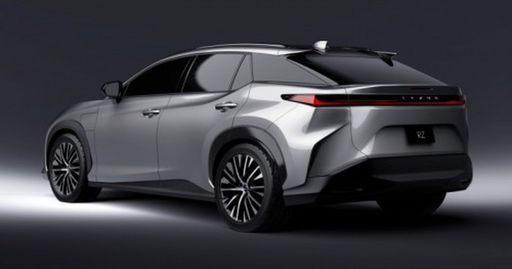
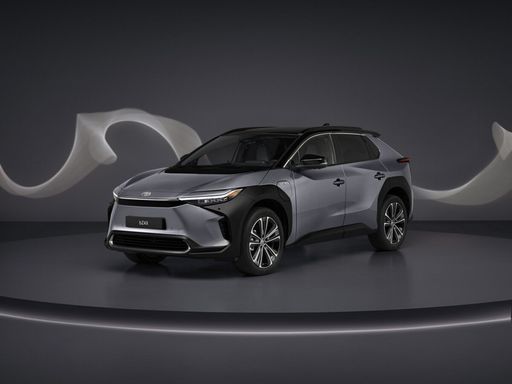
Think of the Lexus RZ as the quiet gallery opening and the Toyota bZ4X as the useful city studio — different atmospheres, different customers. The Lexus RZ leans into a composed, plush presentation with materials and a cabin feel that read premium; the Toyota bZ4X is more straightforward, unabashedly practical and built around everyday use. Where the Lexus RZ wants to impress with presence and a smoother road manner, the Toyota bZ4X trades ceremony for simplicity and predictability. That contrast makes the RZ feel like a small step up in luxury, while the bZ4X keeps the spotlight on utility and no-fuss ownership.

bZ4X

How they behave in the real world

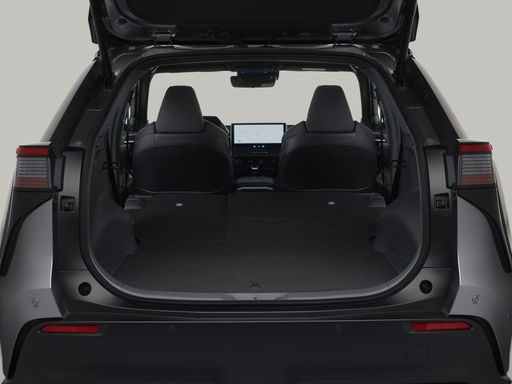
For daily life the Toyota bZ4X often feels easier to live with: packaging that prioritises usable boot space, straightforward controls and a carriage that suits family runs and tight urban parking. The Lexus RZ, by contrast, favours a more settled, refined ride that rewards motorway miles and long commutes with calm and composure. Parents and weekend packers may prefer the bZ4X’s sense of room and sensible ergonomics, while long-distance commuters will appreciate the Lexus RZ’s insulation and poise. Both offer practical passenger space, but their real-world strengths invert the usual assumptions: one makes family chores less fiddly, the other makes cruising less stressful.

RZ

The story you’ll tell about your car

Buyers who choose the Lexus RZ will often frame the purchase as a step into a quieter, more refined ownership — it’s about presence as much as practicality. Choosing the Toyota bZ4X is a quieter argument: sensible, value-oriented and defensible to friends and family who care about running costs and low hassle. The Lexus RZ satisfies the urge to be seen with nicer materials and a more assertive face, while the bZ4X satisfies the urge to make a sensible, future-proof choice. Neither is shameful and both can be justified; it simply comes down to whether you want to announce your EV or quietly get on with life in it.

bZ4X

Who should buy the Lexus RZ

If your daily commute includes frequent motorway miles, hotel stays or you simply prize a cabin that feels cosseting and classy, the Lexus RZ is the car that answers those needs. It will appeal to drivers who want a plush interior, a more refined ride and a presence that reads a notch above the ordinary. That makes the Lexus RZ a natural choice for the image-conscious commuter or the comfort-first buyer who treats the car as a personal retreat. If you’re comparing it to the Toyota bZ4X, think of the Lexus RZ as the one that trades raw practicality for a superior in-car ambience.

RZ

Who should buy the Toyota bZ4X (and why the RZ still matters)

The Toyota bZ4X is the sensible pick for buyers who want a straightforward electric SUV that prioritises usability, ease of ownership and modest running costs. It suits rational, no-nonsense shoppers and families who measure decisions by how much day-to-day hassle a car removes rather than how it makes them feel at a valet. Compare that to the Lexus RZ and it’s clear the bZ4X trades a little poise for more usable packaging and an easier price-of-entry story. No single car wins for every buyer, so read on to the spec-by-spec section below to see where the margins actually fall and which differences will matter to you.

Here’s where it gets real: The technical differences in detail

bZ4X

Costs and Efficiency:

Price and efficiency are key factors when choosing a car – and this is often where the real differences emerge.

Toyota bZ4X is visibly cheaper – starting at 36,800 £ , while the Lexus RZ costs 48,900 £ . That’s a price difference of around 12,094 £.

In terms of energy consumption, the Toyota bZ4X is barely more efficient: consuming 13.5 kWh/100km compared to 14.7 kWh/100km for the Lexus RZ. That’s a difference of about 1.2 kWh/100km.

As for electric range, the Toyota bZ4X offers only slightly more range – reaching up to 591 km, about 32 km more than the Lexus RZ.

RZ

Engine and Performance:

Power, torque and acceleration say a lot about how a car feels on the road. This is where you see which model delivers more driving dynamics.

When it comes to engine power, the Lexus RZ offers only slightly more power – delivering 408 HP compared to 380 HP. That’s roughly 28 HP more horsepower.

Both models accelerate almost equally fast – 4.4 s from 0 to 100 km/h.

There’s also a difference in torque: the Lexus RZ delivers noticeably more torque with 538 Nm compared to 338 Nm. That’s about 200 Nm more.

bZ4X

Space and Everyday Use:

Whether family car or daily driver – which one offers more room, flexibility and comfort?

Both vehicles offer seating for 5 people.

In terms of curb weight, Toyota bZ4X is barely lighter – 1,900 kg compared to 1,995 kg. The difference is around 95 kg.

When it comes to payload, the Toyota bZ4X carries only slightly more – 565 kg compared to 540 kg. That’s a difference of about 25 kg.

Who wins the race in the data check?

The Toyota bZ4X sits just ahead overall in the objective data comparison.
This result only shows which model scores more points on paper – not which of the two cars feels right for you.

from £36,800
bZ4X

Toyota bZ4X

  • Engine Type : Electric
  • Transmission : Automatic
  • Drive Type : Front-Wheel Drive, All-Wheel Drive
  • Power HP : 167 - 380 HP
  • Consumption kWh/100km : 13.5 - 16.6 kWh/100km
  • Electric Range : 444 - 591 km
Toyota bZ4X
Lexus RZ

Costs and Consumption

View detailed analysis

Engine and Performance

View detailed analysis

Dimensions and Body

View detailed analysis

Toyota bZ4X

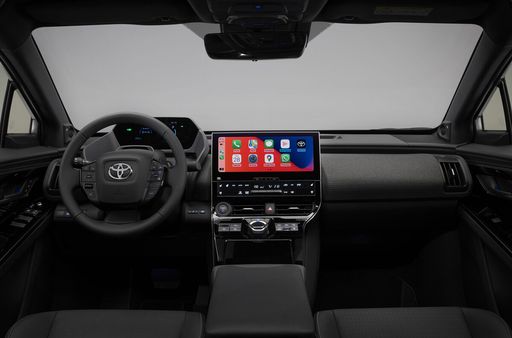
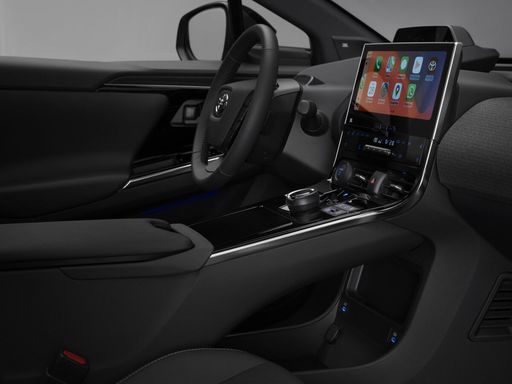
The Toyota bZ4X is a fresh, roomy electric crossover that pairs Toyota’s trademark reliability with bold, angular styling and a cabin designed for everyday comfort. It may not chase headlines like some flashier rivals, but for buyers who want sensible electric motoring with practical packaging and a relaxed, confident ride, it’s an easy, pleasant choice.

details

Lexus RZ

The Lexus RZ brings Lexus' trademark quiet luxury to the electric SUV world, wrapping poised handling and a plush, well-crafted cabin in a calm, composed package. It won't shout about raw figures — instead it trades headline numbers for smooth power delivery, fuss-free tech and an effortless refinement that will suit buyers who want electric convenience without losing the luxury experience.

details
Toyota bZ4X
Lexus RZ

Costs and Consumption

Price
36,800 - 51,000 £
Price
48,900 - 67,500 £
Consumption L/100km
-
Consumption L/100km
-
Consumption kWh/100km
13.5 - 16.6 kWh/100km
Consumption kWh/100km
14.7 - 18.1 kWh/100km
Electric Range
444 - 591 km
Electric Range
457 - 559 km
Battery Capacity
-
Battery Capacity
-
co2
0 g/km
co2
0 g/km
Fuel tank capacity
-
Fuel tank capacity
-

Dimensions and Body

Body Type
SUV
Body Type
SUV
Seats
5
Seats
5
Doors
-
Doors
-
Curb weight
1,900 - 2,180 kg
Curb weight
1,995 - 2,135 kg
Trunk capacity
452 L
Trunk capacity
-
Length
-
Length
-
Width
1,860 mm
Width
1,895 mm
Height
-
Height
-
Max trunk capacity
-
Max trunk capacity
-
Payload
375 - 565 kg
Payload
505 - 540 kg

Engine and Performance

Engine Type
Electric
Engine Type
Electric
Transmission
Automatic
Transmission
Automatic
Transmission Detail
Reduction Gearbox
Transmission Detail
Reduction Gearbox
Drive Type
Front-Wheel Drive, All-Wheel Drive
Drive Type
Front-Wheel Drive, All-Wheel Drive
Power HP
167 - 380 HP
Power HP
227 - 408 HP
Acceleration 0-100km/h
4.4 - 8.6 s
Acceleration 0-100km/h
4.4 - 7.5 s
Max Speed
-
Max Speed
-
Torque
268 - 338 Nm
Torque
269 - 538 Nm
Number of Cylinders
-
Number of Cylinders
-
Power kW
123 - 280 kW
Power kW
167 - 300 kW
Engine capacity
-
Engine capacity
-

General

Model Year
2,025 - 2,026
Model Year
2025
CO2 Efficiency Class
A
CO2 Efficiency Class
A
Brand
Toyota
Brand
Lexus
DriveDuel uses data analysis and artificial intelligence to evaluate vehicle data and create content. Content is regularly reviewed and improved. The displayed prices are estimates based on German list prices, adjusted to the respective country’s VAT. Country-specific registration taxes are not included. This information is not legally binding.