VS

Toyota Highlander vs Audi Q7 comparison

Compare performance ( vs 507 HP), boot space and price ( vs 70,600 £ ) at a glance. Find out which car is the better choice for you – Toyota Highlander or Audi Q7?

Toyota Highlander

Audi Q7

4 (1 Reviews)
rate

All details on performance, efficiency, range and trunk space can be found in the technical comparison below – including user reviews for both models.

Highlander

Luxury Meets Versatility: Audi Q7 vs. Toyota Highlander

In the ever-evolving world of SUVs, buyers have a plethora of options to choose from when searching for the perfect blend of luxury, performance, and practicality. Two popular contenders in this segment are the Audi Q7 and the Toyota Highlander. While both SUVs offer unique attributes, they cater to different audiences with distinct priorities. Let's dive into the technical aspects and innovations of each, showcasing what makes them stand out in a crowded market.
Q7

Performance and Power

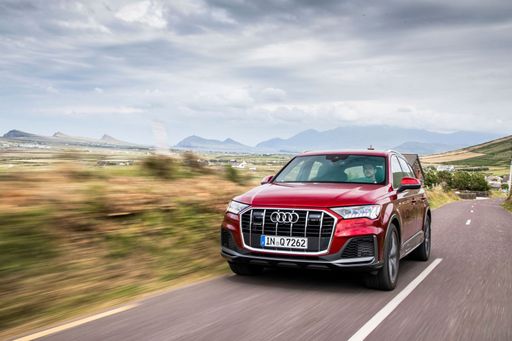
The Audi Q7 is renowned for its dynamic performance, boasting a range of engine options. It comes equipped with a choice of diesel mild hybrid electric vehicles (MHEV), plug-in hybrids, and petrol engines. The Q7's horsepower ranges from a solid 231 HP in the base model to an exhilarating 507 HP in the top-tier variant, delivering ample power for those who crave performance. Acceleration from 0 to 100 km/h can be achieved in as fast as 4.1 seconds, underscoring its sporty DNA.

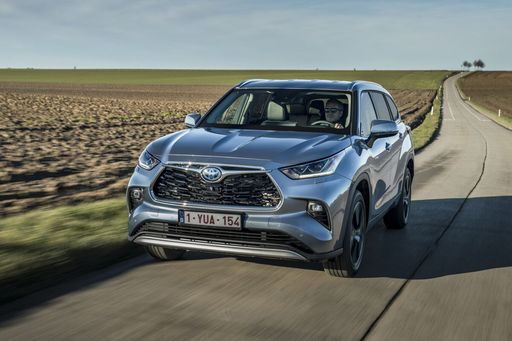
On the other side, the Toyota Highlander is often lauded for its reliability and efficiency rather than sheer power. Although the specific power figures and engine configurations aren't detailed here, the Highlander typically features a smooth, fuel-efficient driving experience tailored for family and urban use.

Highlander

Innovations and Technology

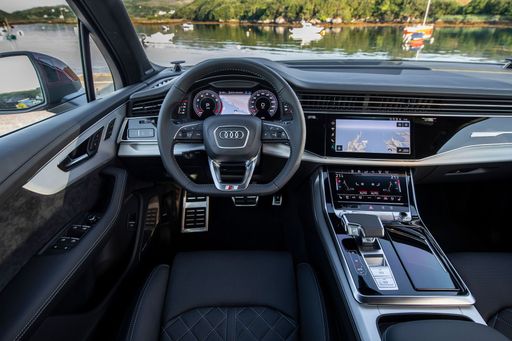
The Audi Q7 shines in the realm of technology and innovation. As a luxury SUV, it is packed with advanced features like the Audi Virtual Cockpit, a digital driver information display that enhances both functionality and aesthetics. Additionally, its plug-in hybrid variant offers an impressive electric range of up to 84 km, powered by a 22 kWh battery, demonstrating Audi's commitment to sustainability without compromising performance.

While the Toyota Highlander may not match the technological opulence of the Q7, it brings its own set of innovations. Toyota is well-known for incorporating safety and driver-assistance technologies, such as adaptive cruise control and lane-keeping assist, which are designed to provide peace of mind for family-centric buyers.

Q7

Interior and Space

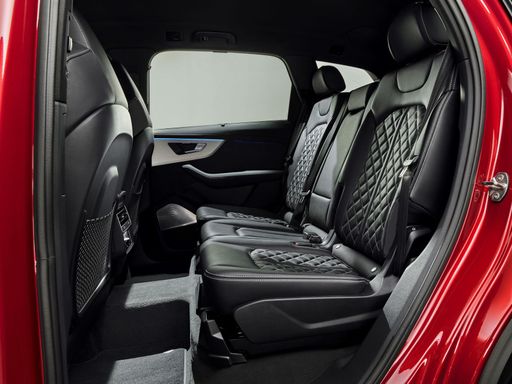
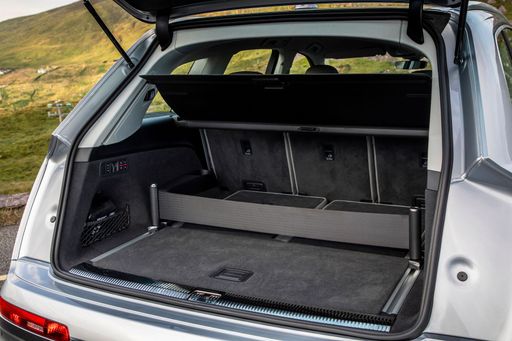
Inside, the Audi Q7 epitomizes luxury with its high-quality materials and spacious cabin. Offering configurations with up to seven seats, it ensures comfort even on the longest journeys. The Q7 also offers a generous trunk capacity, reaching up to 887 liters, allowing for ample luggage or activity gear space.

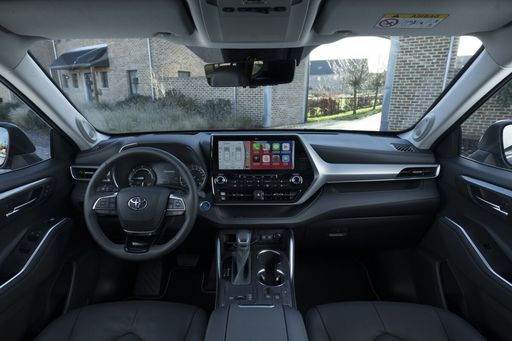
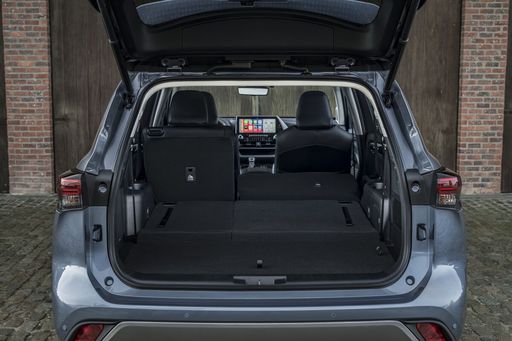
The Toyota Highlander, paralleling the Q7's practicality, also features a versatile interior. It generally seats up to eight, catering to larger families. Its design focuses on maximizing usable space and ease of access, a trait appreciated by those prioritizing functionality.

Highlander

Efficiency and Environmental Impact

The Audi Q7 presents a range of efficiency options, particularly with its hybrid configurations that boast a minimal consumption rate of as low as 1.2 L/100 km in electric mode, contributing to a lower CO2 footprint. However, the higher-performance petrol variants have a greater environmental impact with CO2 emissions reaching up to 272 g/km.

In contrast, the Highlander is typically equipped to deliver good fuel economy for its class. Toyota's hybrid technology often plays a role in reducing emissions, making it a more environmentally friendly option in the non-luxury segment.

Q7

Conclusion

The decision between the Audi Q7 and the Toyota Highlander depends largely on what the buyer values most in an SUV. The Q7 excels in performance, luxury, and cutting-edge technology, appealing to those who seek a high-end driving experience. Meanwhile, the Highlander stands out as a reliable, spacious, and efficient choice for practical-minded families. Both SUVs have their unique strengths, ensuring that potential buyers have compelling options tailored to diverse needs and preferences.

Here’s where it gets real: The technical differences in detail

Who wins the race in the data check?

The Audi Q7 is narrowly ahead in the objective data comparison.
This result only shows which model scores more points on paper – not which of the two cars feels right for you.

from £70,600
Q7

Audi Q7

  • Engine Type : Petrol MHEV, Diesel MHEV, Petrol, Plugin Hybrid
  • Transmission : Automatic
  • Drive Type : All-Wheel Drive
  • Power HP : 231 - 507 HP
  • Consumption L/100km : 3.8 - 11.9 L/100km
  • Electric Range : 81 - 82 km
Toyota Highlander
Audi Q7

Toyota Highlander

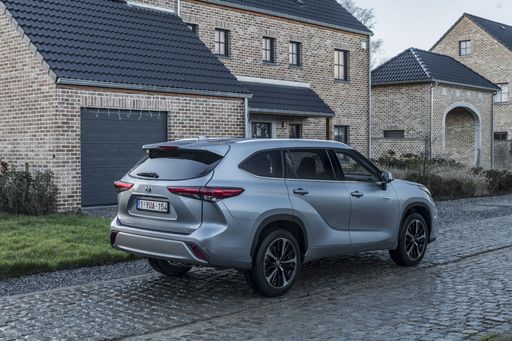
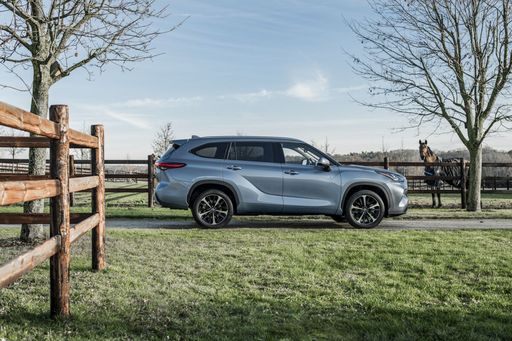
The Toyota Highlander is a roomy, no-nonsense family SUV that blends everyday practicality with Toyota’s trademark reliability and a comfortable, quiet cabin. It won’t thrill the sports-car crowd, but its composed ride, user-friendly interior and sensible features make it a savvy choice for buyers who want a car that simply does the job well.

details

Audi Q7

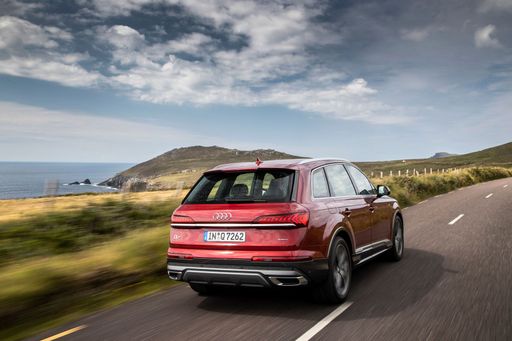
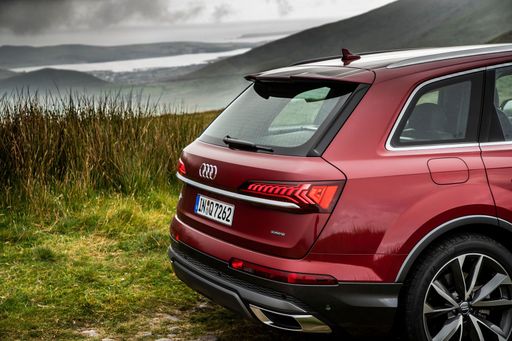
The Audi Q7 cuts an imposing figure on the road, balancing restrained luxury with a spacious, tech-rich cabin that makes long journeys feel effortless. It rides with confident composure and polished manners, so if you want a premium family SUV that feels grown-up and worth the badge, the Q7 is a persuasive choice — even the in-laws will be impressed.

details
Toyota Highlander
Audi Q7

Costs and Consumption

Price
-
Price
70,600 - 100,600 £
Consumption L/100km
-
Consumption L/100km
3.8 - 11.9 L/100km
Consumption kWh/100km
-
Consumption kWh/100km
-
Electric Range
-
Electric Range
81 - 82 km
Battery Capacity
-
Battery Capacity
-
co2
-
co2
86 - 271 g/km
Fuel tank capacity
-
Fuel tank capacity
-

Dimensions and Body

Body Type
-
Body Type
SUV
Seats
-
Seats
5 - 7
Doors
-
Doors
-
Curb weight
-
Curb weight
2,055 - 2,460 kg
Trunk capacity
-
Trunk capacity
563 - 887 L
Length
-
Length
-
Width
-
Width
1,970 mm
Height
-
Height
-
Max trunk capacity
-
Max trunk capacity
-
Payload
-
Payload
640 - 885 kg

Engine and Performance

Engine Type
-
Engine Type
Petrol MHEV, Diesel MHEV, Petrol, Plugin Hybrid
Transmission
-
Transmission
Automatic
Transmission Detail
-
Transmission Detail
Automatic Gearbox
Drive Type
-
Drive Type
All-Wheel Drive
Power HP
-
Power HP
231 - 507 HP
Acceleration 0-100km/h
-
Acceleration 0-100km/h
4.1 - 7.1 s
Max Speed
-
Max Speed
-
Torque
-
Torque
500 - 770 Nm
Number of Cylinders
-
Number of Cylinders
6 - 8
Power kW
-
Power kW
170 - 373 kW
Engine capacity
-
Engine capacity
2,967 - 3,996 cm3

General

Model Year
-
Model Year
2,025
CO2 Efficiency Class
-
CO2 Efficiency Class
G, B
Brand
-
Brand
Audi
DriveDuel uses data analysis and artificial intelligence to evaluate vehicle data and create content. Content is regularly reviewed and improved. The displayed prices are estimates based on German list prices, adjusted to the respective country’s VAT. Country-specific registration taxes are not included. This information is not legally binding.